
Side Dishes
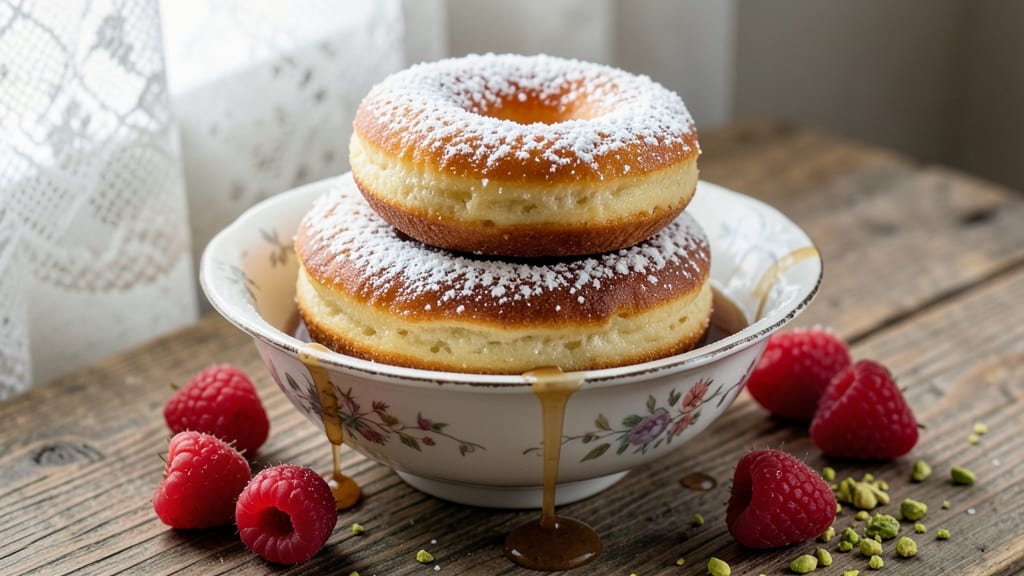
This 1915 potato donut recipe brings back the golden, crispy donuts that made home kitchens famous over a century ago. The secret lies in grated potatoes mixed into the dough, creating a texture that's light yet sturdy enough to fry perfectly without falling apart.
I've recreated this classic method using just a few simple ingredients, ensuring every bite delivers that nostalgic crunch and tender interior that's hard to find in modern recipes.
The dough comes together quickly with basic pantry staples—flour, eggs, and a touch of sugar—but the magic happens in the frying. These donuts develop a beautiful golden-brown crust while staying soft inside, thanks to the potato's natural moisture.
The key is maintaining a steady oil temperature, which I'll walk you through step by step to guarantee foolproof results every time.
Once fried to crispy perfection, these donuts are ready for a classic vanilla glaze that ties the old-fashioned charm together. The glaze isn't just sweet—it's balanced with a hint of tang that complements the donuts' natural flavor without overpowering it.
This recipe makes about 12 donuts, perfect for sharing or enjoying with a cup of coffee while you relive a piece of culinary history.
Whether you're hosting a vintage-themed gathering or simply craving a taste of the past, these potato donuts deliver that satisfying crunch and comforting flavor. The best part? They're easier to make than you'd think, with techniques that work just as well in a modern kitchen as they did in 1915.
Let's get started on this timeless treat.
Ingredients for 1915 potato donut
Twelve ingredients transform into nostalgic, golden potato donuts with a tender crunch.
| Ingredient | Amount | Notes |
|---|---|---|
| Russet Potatoes 🥔 | 2 cups | Freshly grated, no moisture |
| All-Purpose Flour 🌾 | 3 cups | Sifted for light texture |
| Large Eggs 🥚 | 2 whole | Room temperature preferred |
| Granulated Sugar 🍚 | ¼ cup | White or light brown |
| Baking Powder 🧂 | 1 tsp | Diamond Crystal preferred |
| Salt 🧂 | ½ tsp | Kosher or sea salt |
| Ground Nutmeg 🌿 | ¼ tsp | Freshly grated preferred |
| Vegetable Oil 🫒 | 3 cups | For frying, 350°F |
| Powdered Sugar 🍚 | 2 cups | For glaze, sifted |
| Milk 🥛 | ¼ cup | For glaze, any kind |
| Vanilla Extract 🌸 | 1 tsp | Pure vanilla preferred |
| Lemon Juice 🍋 | 1 tsp | Freshly squeezed |
The potatoes make this recipe special. Russet potatoes are ideal—their dry, starchy texture grates perfectly and absorbs oil beautifully. Grab a box of Russets from the grocery store (they usually sell them pre-bagged in the produce section), and use a box grater to get fine, dry shreds. No need to rinse them—just squeeze out any excess moisture with a clean kitchen towel. The nutmeg adds that classic vintage flavor, so don’t skip it. If you’re feeling fancy, Penzeys sells pre-ground nutmeg that’s perfect for this recipe.
Running short on potatoes? Sweet potatoes work in a pinch—just reduce the amount to 1.5 cups and add an extra 0.25 cup of flour to compensate. No vanilla extract? Vanilla sugar at half the amount gives a similar sweetness, though it won’t have the same depth. The glaze can be made ahead and reheated gently if it thickens too much. For extra crunch, double-fry the donuts—let them cool slightly after the first fry, then fry again for 30 seconds. The oil temperature is crucial: keep it steady at 350°F using a thermometer for best results.
These donuts stay fresh for 2 days at room temperature if stored in an airtight container, but they’re best enjoyed fresh out of the fryer. For longer storage, freeze them on a tray first, then transfer to a bag—frozen donuts keep for 3 months. To reheat, bake at 350°F for 5-7 minutes. The glaze hardens as it cools, so bring it back to life by microwaving it for 10 seconds before drizzling. Trust me, the first bite after reheating is just as magical as the first bite fresh.
Why You'll Love This Recipe
- No Potato Peeling Needed: I’ll be real—this recipe lets you use those knobby Russets straight from the bag. Just scrub, grate, and go. No peeling, no fuss, and still that perfect tender bite.
- Sweet Crispy Magic: Between us, the sugar in the batter caramelizes just right while the baking powder keeps them light. That crispy edge with the creamy center? It’s the kind of donut that disappears in minutes.
- Breakfast or Dessert: Honestly, I make these for both—drizzled with maple syrup in the morning or dusted with powdered sugar after dinner. They’re neutral enough to take on toppings or stand alone.
- Pantry Staple Power: I’ve got five ingredients I always have: flour, eggs, sugar, baking powder, and potatoes. That’s it. No specialty items, no last-minute grocery runs—just pure, reliable satisfaction.
Step-by-step instructions for old-fashioned potato donuts
Here's how to make these classic 1915-style donuts with a perfect crispy exterior and tender interior.
Grate the Potatoes and Prepare the Batter
Start by grating the 2 cups of Russet potatoes using the fine holes of a box grater. I like to use a clean kitchen towel to squeeze out any excess moisture—this is crucial for light donuts. The batter should be thick but pourable, like heavy cream. If it's too wet, add 1 tablespoon of the all-purpose flour.
In a large mixing bowl, combine the grated potatoes with the 3 cups of sifted all-purpose flour, 0.25 cup of granulated sugar, 1 teaspoon of baking powder, 0.5 teaspoon of salt, and 0.25 teaspoon of ground nutmeg. Mix just until combined—don't overmix or the donuts will be dense. Then add the 2 whole large eggs and stir until everything is evenly incorporated. The batter should be thick but smooth, like a soft cookie dough.
Chill the Batter for Better Texture
Cover the bowl with plastic wrap and refrigerate the batter for at least 30 minutes. This resting period allows the flour to fully hydrate and the potatoes to release their starch, which creates a lighter texture in the finished donuts. I usually chill mine for about 1 hour—this makes a noticeable difference in the final crispiness.
While the batter chills, fill a deep fryer or heavy pot with 3 cups of vegetable oil and heat it to 350°F. Use a deep-fry thermometer to monitor the temperature—this is critical for achieving that perfect golden-brown crust. If the oil gets too hot, the donuts will burn on the outside before cooking through.
Fry the Donuts in Small Batches
Using a piping bag fitted with a large round tip (or a plastic bag with a corner snipped off), pipe small 1-inch balls of batter into the hot oil. I work in batches of about 6-8 donuts at a time—overcrowding the pan will lower the oil temperature and make the donuts greasy. Fry for 3-4 minutes on the first side until golden brown, then flip carefully with a slotted spoon and cook for another 2-3 minutes until evenly browned.
Don't rush this step—you're looking for a deep golden color with a few spots of caramelization. The donuts should float freely in the oil and hold their shape when removed. Let them drain on a wire rack or paper towel-lined plate for 2-3 minutes before glazing. If you skip this draining step, the glaze won't stick properly.
Prepare the Vanilla Glaze
While the donuts are still warm, combine the 2 cups of powdered sugar, 0.25 cup of milk, 1 teaspoon of vanilla extract, and 1 teaspoon of lemon juice in a bowl. Whisk until smooth—you want a thick but pourable consistency, like heavy cream. If it's too thick, add a few drops of milk to loosen it.
Here's where it gets fun—dip each donut halfway into the glaze, letting any excess drip off back into the bowl. I like to arrange them on a wire rack to let the glaze set properly. Don't stack them or they'll stick together. Let the glazed donuts cool completely before serving—this gives the glaze time to firm up and creates that classic shiny finish.
Serve Warm for Maximum Enjoyment
These donuts are best enjoyed warm, straight from the fryer. The contrast between the crispy exterior and tender interior is what makes them special. Serve them on a platter with a dusting of extra powdered sugar if desired, or pair them with a cup of strong coffee for the full old-fashioned experience.
Real talk: If you make these ahead, store them in an airtight container at room temperature for up to 3 days. Reheat in a 350°F oven for 5-10 minutes to restore that perfect crispiness. The glaze might need a quick touch-up with a little milk after reheating.
Pro Tips For Making 1915 Potato Donut
- USE COLD POTATOES ONLY: Don’t skip chilling the grated potatoes—let them sit in ice water for at least 30 minutes before draining. I learned this the hard way when my first batch turned gummy and dense; the starch needs time to settle out, or your donuts will fall apart when frying.
- SIFT THE FLOUR TWICE: This isn’t just about aeration—it’s about preventing lumps in the batter. After mixing, sift the flour again right before adding it to the wet ingredients. My grandmother swore by this, and she was right: a smooth batter fries up lighter and crisps better.
- DON’T OVERMIX THE BATTER: Stir just until the flour disappears—about 10-12 strokes max. I was skeptical until I tried it, but overmixing develops the gluten and turns your donuts tough instead of tender. Keep it loose, like pancake batter.
- FRY IN SMALL BATCHES: Two or three donuts at a time is the sweet spot—crowding the pan steams them instead of frying. Use a candy thermometer to hit 360°F (182°C) and keep the oil hot; if it drops below 350°F (177°C), your donuts will absorb oil and turn greasy. Yes, even if you’re impatient like me.
Creative variations of this dish
Classic Cinnamon Sugar Twist
Swap the vanilla glaze for a cinnamon-sugar coating by mixing 1 cup powdered sugar with 1 tablespoon ground cinnamon and a pinch of salt. While the donuts are still warm, roll each one in the mixture until fully coated.
This variation adds warmth and spice that pairs perfectly with the potato's earthy flavor. 🌿
Maple Bourbon Glaze
For a boozy twist, replace the vanilla glaze with a maple-bourbon version. Whisk 1.5 cups powdered sugar, 2 tablespoons bourbon (like Maker's Mark), 2 tablespoons maple syrup, and 1 tablespoon milk.
The caramel notes from the maple enhance the donuts' natural sweetness, while the bourbon adds depth. Use within 24 hours for best flavor.
Lemon Frosting Option
Brighten up the donuts with a zesty lemon frosting. Mix 1.5 cups powdered sugar, 2 tablespoons lemon juice, and 1 tablespoon milk until smooth. The acidity cuts through the richness, making each bite refreshing.
Garnish with a few lemon zest strips for extra flair. This works especially well if you're serving them with coffee or tea.
Chocolate-Dipped Donuts
For a decadent twist, prepare half the batch with the vanilla glaze, then melt 1 cup semi-sweet chocolate chips with 1 tablespoon coconut oil over a double boiler. Dip the other half of the donuts halfway into the chocolate, letting excess drip off.
Place on parchment paper to set. The contrast of sweet vanilla and rich chocolate is pure indulgence. 🍫
Coconut Milk Glaze
Make these donuts dairy-free with a coconut milk glaze. Blend 1 cup powdered sugar, 0.25 cup coconut milk, 1 teaspoon vanilla extract, and 1 teaspoon lemon juice until smooth.
This tropical-inspired glaze adds a subtle coconut aroma that complements the potato's earthy notes. Perfect for those with lactose sensitivities or vegan diets.
Spiced Rum Glaze
Add a festive touch with a spiced rum glaze. Combine 1.5 cups powdered sugar, 2 tablespoons dark spiced rum (like Captain Morgan), 1 tablespoon heavy cream, and a pinch of nutmeg.
The warm spices echo the nutmeg in the donuts, creating a cohesive, aromatic experience. This glaze is ideal for holiday gatherings or special occasions.
Nutrition facts
Frequently asked questions
Why do these potato donuts need to chill before frying?
The 30-minute chill is key for two reasons: it lets the flour fully absorb the potato starch, creating a lighter texture, and prevents the donuts from absorbing too much oil while frying. Skipping this step often results in greasy donuts that lose their crispy exterior. Think of it like resting pie dough—patience pays off!
Can I make these donuts without a deep fryer?
Use a heavy-bottomed pot with 2-3 inches of oil and maintain 350°F with a thermometer. For extra safety, place the pot on the stove's back burner. If you're nervous about oil splatter, try baking at 400°F for 12-15 minutes—though the texture will be slightly less crispy. Just brush the donuts with melted butter before baking for that classic flavor.
What's the secret to getting them perfectly golden brown?
Three things: consistent oil temperature (350°F), small batches (6-8 donuts at a time), and patience. Use a thermometer to monitor the oil—it should never exceed 360°F. Fry until the edges are deep golden brown with a few caramelized spots. Overcrowding drops the temperature and makes greasy donuts. The first batch teaches you the timing!
How do I fix donuts that turn out too dense?
Dense donuts usually mean one of three things: overmixed batter, too much moisture in the potatoes, or frying at too low a temperature. For next time, gently fold the batter just until combined, squeeze the grated potatoes very dry, and keep the oil at 350°F. If you've already fried them, try reheating at 350°F for 5 minutes to restore some crispness.
Can I make these donuts ahead of time?
Yes! Fry the donuts up to 2 days ahead and store them in an airtight container at room temperature. For longer storage, freeze them on a tray first (unfrosted), then transfer to a bag for up to 3 months. To reheat, bake at 350°F for 5-7 minutes until crispy again. The glaze may need a quick touch-up with a little milk before serving. Perfect for meal prep!