
Side Dishes
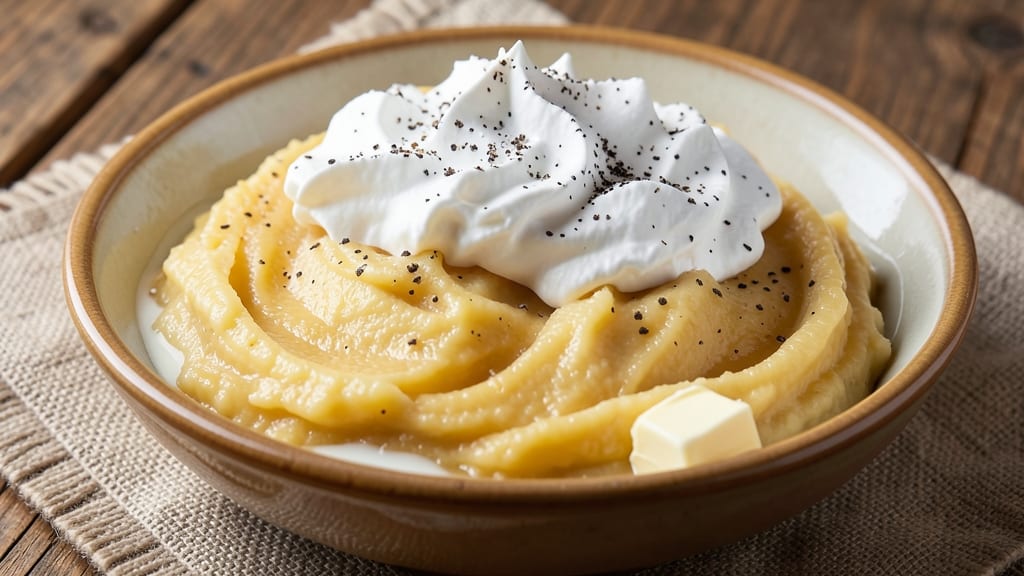
This 2 person mashed potato recipe delivers restaurant-quality creaminess in just 20 minutes—perfect for cozy dinners when you're cooking for two. The secret lies in using 2 medium potatoes (about 1 pound total), which boil and mash efficiently without requiring a massive pot or extra effort.
What sets this apart is the foolproof technique for achieving fluffy, lump-free texture every time, even with minimal ingredients.
Start by boiling the potatoes until tender, then drain and return them to the pot. Here’s where the magic happens: mash them directly in the pot with warm milk or cream, butter, and a pinch of salt, using a potato masher or ricer for that signature velvety smoothness.
The key is working with hot ingredients—this ensures the potatoes absorb the dairy without turning gluey, while the butter adds rich, velvety depth.
What you’ll end up with is a perfectly portioned batch of mashed potatoes—creamy, smooth, and just the right consistency for scooping onto plates. The small batch size means no leftovers to worry about, and the process is streamlined to avoid the mess of larger recipes.
This is the kind of side dish that makes every meal feel special, whether paired with roasted chicken, steak, or even a hearty salad.
For extra flavor, consider adding a splash of roasted garlic or a sprinkle of chives before serving. If you’re feeling ambitious, even a hint of nutmeg or smoked paprika can elevate the dish.
The beauty of this recipe is its flexibility—it’s simple enough for weeknight dinners but impressive enough for guests. Let’s get started!
Ingredients for 2 person mashed potato
These eight simple ingredients transform into perfectly creamy mashed potatoes for two in minutes.
| Ingredient | Amount | Notes |
|---|---|---|
| Medium Russet Potatoes 🥔 | 2 whole | About 1 pound total, peeled |
| Unsalted Butter 🧈 | ½ cup | Cold, cut into small pieces |
| Heavy Cream 🥛 | ¼ cup | Warm, not boiling |
| Whole Milk 🥛 | ¼ cup | Room temperature preferred |
| Diamond Crystal Kosher Salt 🧂 | 1 tsp | Adjust to taste |
| Freshly Ground Black Pepper 🌶️ | ¼ tsp | Freshly cracked preferred |
| Fresh Chives 🌿 | 2 tbsp | Chopped, for garnish |
| Roasted Garlic Cloves 🧄 | 1 whole | Optional, for extra flavor |
The potatoes are the foundation, so Russet potatoes are ideal—their floury texture gives the best creaminess. Buy them fresh (within a week of harvest) for the best flavor, and look for firm, blemish-free skins. Most grocery stores carry them year-round, but specialty markets like Whole Foods or Trader Joe's often have higher-quality options. Peeled potatoes cook faster, but if you're short on time, you can boil them with skins on and peel them after draining. The key is consistency—cut them into even-sized pieces so they cook uniformly. For this recipe, two medium potatoes (about 1 pound total) are perfect for two servings, leaving no leftovers to worry about.
No heavy cream? Half-and-half or whole milk works in a pinch, though the texture will be slightly lighter. Butter is non-negotiable for that rich, velvety mouthfeel—unsalted butter gives you control over seasoning. If you prefer a lighter option, olive oil or coconut oil can replace half the butter, though the flavor will differ slightly. Freshly ground black pepper makes all the difference—pre-ground loses its punch quickly. For extra depth, the roasted garlic adds a subtle sweetness that pairs beautifully with the creaminess. Store-bought roasted garlic works, but if you're feeling ambitious, roast your own by wrapping whole cloves in foil and baking at 400°F for 30 minutes. The chives are optional but add a bright, fresh finish—fresh is best here, but dried works in a pinch if you're out.
Mashed potatoes keep their best texture when reheated gently. Store in an airtight container in the fridge for up to 3 days, and reheat by microwaving with a splash of milk or cream to restore creaminess. For longer storage, freeze portions in a single layer before transferring to a bag—this prevents a big clump. Thaw overnight in the fridge and reheat with a bit of extra butter or warm milk. The roasted garlic and chives don't freeze well, so add them fresh when reheating. This recipe is designed for two, so there's no waste, and the small batch means you can customize the seasoning perfectly to your taste every time.
Why You'll Love This Recipe
- No Peel Struggle: I swear by Russets—thick skins mean less peeling, and they’re the only potatoes that actually hold their shape when boiling. Cut into even chunks, drop them in, and forget about scrubbing your nails clean.
- Creamy Without Grain: That perfect, velvety texture? It’s all in the ratio—equal parts heavy cream and whole milk, folded in gently with butter while still hot. No lumps, no fight, just buttery clouds on your fork.
- Date Night Ready: Honestly, this is my go-to when I want to impress without stressing. Serve it warm with a pat of extra butter on top, and suddenly, you’ve got a restaurant-worthy side that took 20 minutes.
- Leftovers Win: Between us, the second day is even better. The potatoes soften just enough to get silky, and you can reheat them with a splash of milk in the microwave—no one will know they’re not fresh. Budget-friendly and foolproof.
Step-by-step instructions for creamy two-person mashed potatoes
Here's how to make perfectly fluffy mashed potatoes in record time with just two ingredients doing the heavy lifting.
Cook the Potatoes Until Fork-Tender
Place the 2 whole medium russet potatoes in a medium pot and cover with cold water by about 1 inch. Add the 1 teaspoon diamond crystal kosher salt and bring to a boil over high heat. Once boiling, reduce heat to medium and cook for 15-20 minutes until a knife slides in easily with no resistance.
I like to test doneness by piercing with a knife—when it goes through like butter without any pushback, they're ready. Don't skip this step; undercooked potatoes will turn gummy when mashed. Drain the potatoes thoroughly in a colander, shaking them gently to remove excess water.
Mash the Potatoes to Smooth Perfection
Return the drained potatoes to the now-empty pot and place over low heat. Add the 0.5 cup unsalted butter cut into small pieces and let it melt into the potatoes for 2-3 minutes. This step ensures the butter distributes evenly for ultra-creamy results.
Using a potato masher or wooden spoon, mash the potatoes until completely smooth. I find that working in small batches ensures even mashing without lumps. If you prefer extra-smooth texture, press the potatoes through a ricer after mashing—this eliminates any remaining lumps completely.
Incorporate the Cream and Milk Mixture
In a small bowl, whisk together the 0.25 cup warm heavy cream and 0.25 cup whole milk until smooth. Slowly pour this mixture into the mashed potatoes while stirring constantly. The warmth of the cream helps create that signature velvety texture without overcooking the potatoes.
Add the 1 whole roasted garlic clove (if using) and mash it into the potatoes for that subtle, sweet garlic flavor. Season with the 0.25 teaspoon freshly ground black pepper and taste—you may want to add a pinch more salt depending on your preference. The mixture should be light and airy, not thick or gluey.
Garnish and Serve Immediately
Transfer the mashed potatoes to a serving bowl and let them rest for 1-2 minutes to thicken slightly. This resting period allows the flavors to meld together perfectly. Spoon the 2 tablespoons chopped fresh chives over the top for a pop of color and freshness.
Serve immediately while hot—mashed potatoes are best enjoyed fresh from the pot. The texture should be light and fluffy, with no lumps or liquid separation. Each bite should deliver that perfect balance of creamy richness and buttery flavor that makes these potatoes irresistible.
Pro Tips For Making 2 Person Mashed Potato
- PEEL AFTER COOKING: Russets have thick skins that can turn gummy if peeled raw—so boil them whole, then peel while still warm. The skins slide off like magic, and you won’t waste starch in the water. (Yes, even if you’re in a hurry, this is worth the 30-second wait.)
- TEST DONENESS WITH A KNIFE: Pierce a potato with a fork or knife—if it slides in like butter, they’re done. Overcooking turns them gluey, and undercooked ones leave you with a chalky mess. I learned this the hard way after making mashed potatoes that tasted like wallpaper paste.
- SALT THE WATER LIKE THE SEA: Use 1½ tablespoons of Diamond Crystal kosher salt for that pot of water—about 1 teaspoon per pound of potatoes. If you’re using table salt, halve it, or you’ll end up with salty potatoes that need unsalting. (Trust me, your taste buds will notice.)
- MASH IN BATCHES WITH A RICER: Dump hot potatoes into a ricer (or a fine-mesh strainer) in small batches—this keeps them from cooling down and turning gummy. No ricer? Use a potato masher, but work fast and don’t overmix, or you’ll get glue. (And yes, I’ve done that too.)
Serving suggestions for this dish
Protein Pairings
These mashed potatoes pair beautifully with roasted chicken thighs—their crispy skin contrasts perfectly with the creamy texture. I love serving them with pan-seared ribeye steak (about 8 ounces per person) for a hearty dinner.
For a lighter option, try grilled salmon with lemon-dill sauce—it balances the richness of the potatoes. 🍗
Vegetable Companions
A simple sautéed green bean salad with almonds and lemon vinaigrette adds freshness to the meal. I often serve these potatoes alongside roasted Brussels sprouts (tossed with 1 tbsp olive oil and ½ tsp smoked paprika) for a crisp, caramelized contrast.
For a winter meal, caramelized onions and butternut squash purée make a cozy pairing.
Bread & Garnishes
Warm sourdough bread or crusty baguette slices are perfect for soaking up any extra sauce. I like to add a sprinkle of crispy fried shallots or toasted sesame seeds for extra texture.
For a pop of color, try edible flowers or microgreens—they add a delicate, fresh finish that elevates the dish. 🌸
Dessert Balance
End your meal with a light citrus sorbet (like lemon or berry) to cleanse the palate after the richness. For a warm dessert, apple crisp or chocolate-dipped strawberries work beautifully.
If you're serving a heavier main, a simple mixed greens salad with balsamic dressing can bridge the gap between savory and sweet.
Make-Ahead Tips
If you're prepping ahead, store the mashed potatoes in an airtight container in the fridge for up to 3 days. Reheat gently with a splash of warm milk or cream to restore creaminess.
For a make-ahead dinner, assemble the full meal (including protein and veggies) and reheat everything together—just add a few minutes in the oven to warm through evenly. 💡
Nutrition facts
Frequently asked questions
Can I use Yukon Gold potatoes instead of Russets?
Yukon Golds work beautifully and actually make slightly creamier mashed potatoes because of their waxy texture. For this recipe, you can use the same quantity—just expect a slightly richer, more buttery flavor. The cooking time will be about 5 minutes less than Russets (around 10-15 minutes).
Why did my mashed potatoes turn out gluey?
Gluey potatoes usually happen when you overwork them or add cold liquid. The fix? Always mash hot potatoes with warm dairy (never cold milk/cream), and stop mashing as soon as they're smooth. For this recipe, work quickly after draining and use the ricer method if you prefer ultra-smooth texture.
What's the best way to reheat leftover mashed potatoes?
For perfect reheating, transfer to a microwave-safe bowl and add 1 tablespoon warm milk or cream per cup of potatoes. Cover with a damp paper towel and microwave in 30-second bursts, stirring between each. For oven reheating, spread on a baking sheet and bake at 350°F for 10-15 minutes until heated through.
Can I make this recipe dairy-free?
Yes! Replace the butter with ½ cup olive oil or coconut oil and use ½ cup full-fat coconut milk instead of the dairy mixture. For extra creaminess, add 1 tablespoon nutritional yeast. The texture will be slightly different but still delicious. The key is keeping everything warm during mashing.
How do I adjust this for 3-4 people?
For 3 servings, use 3 medium potatoes and double the butter, cream, and milk. For 4 servings, use 4 potatoes and triple the dairy ingredients. The cooking time remains similar, but you may need a larger pot. Pro tip: Boil potatoes in batches if needed to avoid overcrowding the pot.