
Side Dishes
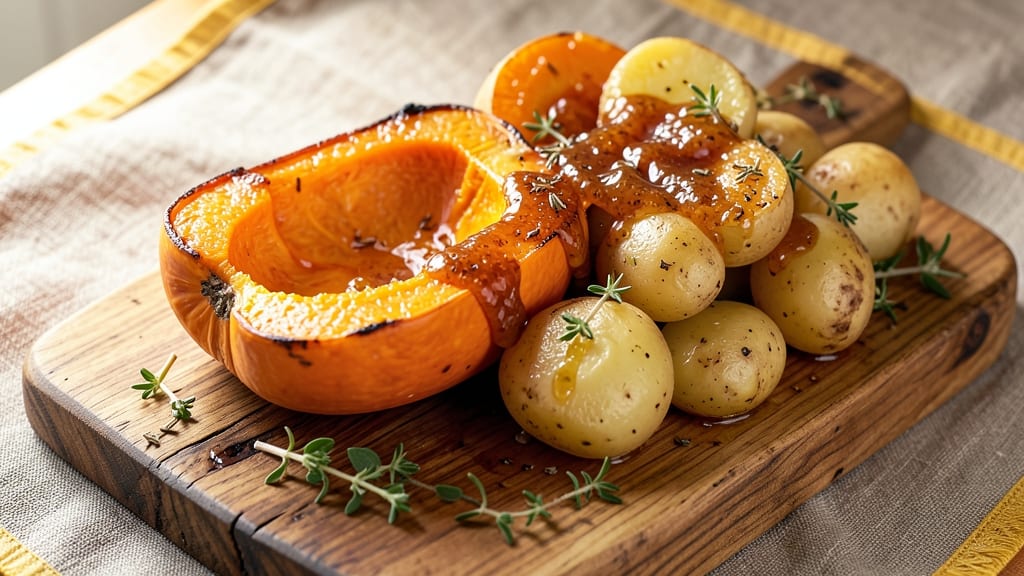
This acorn squash and potato recipe transforms humble roots into a caramelized masterpiece with a sweet, crispy crust that rivals any restaurant side dish. The secret lies in roasting until tender yet firm, then finishing under the broiler for that coveted golden-brown exterior.
I developed this recipe after years of perfecting the balance between sweet squash and earthy potatoes—now it's your turn to experience that satisfying crunch and melt-in-your-mouth texture.
The process is straightforward yet transformative: halved acorn squash and cubed potatoes roast together in the oven, absorbing aromatic herbs and spices while developing natural sweetness.
A light coating of olive oil and butter ensures that crispy crust we all crave, while a sprinkle of brown sugar enhances the caramelization without overpowering the natural flavors. This dish isn't just a side—it's a showstopper that elevates any meal from ordinary to extraordinary.
By the time these roasted roots emerge from the oven, you'll have a dish that's perfectly balanced: tender potatoes with crispy edges, acorn squash that's sweet yet still holds its shape, and a crust that's irresistibly caramelized.
The aroma alone will have everyone anticipating dinner, while the visual presentation makes it ideal for holiday tables or family gatherings. Serve with a simple green salad or crusty bread to complete the meal.
What makes this recipe truly special is its versatility—it works as a vegetarian main course or a stunning side dish that complements grilled meats and roasted chicken. The technique is foolproof, ensuring consistent results every time, and the flavors develop beautifully even when reheated.
Whether you're feeding a crowd or treating yourself to a cozy weeknight dinner, this acorn squash and potato recipe delivers restaurant-quality results with minimal effort.
Ingredients for acorn squash and potato
Sweet roots and crispy edges—here's everything you need for that restaurant-worthy caramelized masterpiece.
| Ingredient | Amount | Notes |
|---|---|---|
| Acorn Squash 🍠 | 1 whole | Medium-sized, halved lengthwise |
| Yukon Gold Potatoes 🥔 | 2 lbs | Waxy variety, cubed evenly |
| Extra-Virgin Olive Oil 🫒 | ⅓ cup | High-quality, fruity variety |
| Unsalted Butter 🧈 | 4 tbsp | Cold, cubed for even coating |
| Brown Sugar 🍯 | 2 tbsp | Lightly packed for caramelization |
| Fresh Thyme Leaves 🌿 | ¼ cup | Finely chopped, aromatic |
| Fresh Rosemary 🌿 | 1 tbsp | Chopped, needle-like leaves |
| Garlic Cloves 🧄 | 4 cloves | Minced for aromatic depth |
| Diamond Crystal Kosher Salt 🧂 | 1 ½ tsp | Fine grain for even seasoning |
| Freshly Ground Black Pepper 🌶️ | ½ tsp | Freshly cracked for brightness |
| Vegetable Broth 💧 | ¼ cup | Low-sodium for moisture balance |
| Toasted Walnuts 🥜 | ¼ cup | Optional, for garnish |
| Fresh Sage Leaves 🌿 | ⅛ cup | Optional, for garnish |
The acorn squash is the star here, so pick one that's firm and heavy for its size—that's your sign of sweetness. Whole Foods or Trader Joe's usually carry perfect ones, but any well-stocked grocery store should have them in fall. The Yukon Gold potatoes are non-negotiable for that creamy texture—red potatoes work too, but they'll be slightly firmer. Cube them evenly (about 1.5 inches) so they cook at the same rate. Fresh herbs are worth the splurge: Whole Foods' bulk section has the best-priced thyme and rosemary, and trust me, it makes all the difference in that aromatic crust.
No fresh thyme? Dried works at half the amount, but it won't have the same bright punch. Short on walnuts for garnish? Toasted pecans or even breadcrumbs add a nice crunch. The brown sugar is key for that caramelized crust—don't skip it, even if you're watching sugar. For extra richness, swap half the olive oil for melted coconut oil. And if you're prepping ahead, par-cook the potatoes for 5 minutes before assembling—saves oven time later. The vegetable broth keeps everything moist without overpowering the natural sweetness.
This dish reheats beautifully—just 5 minutes at 350°F brings back that crispy edge. Store leftovers in an airtight container for up to 4 days, though I rarely have any. For holiday gatherings, double the batch—it's always a crowd-pleaser. The squash can be prepped a day ahead and stored in the fridge, but don't roast it early—the texture suffers. If you're serving as a main, add a sprinkle of nutritional yeast for a cheesy boost (trust me, it works).
Why You'll Love This Recipe
- One-Pan Magic: I swear by this recipe when I’m too tired to wash dishes. Roast the squash halves and potatoes together—their sweet caramelized edges? Done in one pan, no fuss.
- Sweet & Savory Balance: That brown sugar glaze on the squash? It’s the secret. The acorn squash turns velvety while the Yukon Golds stay buttery, and the olive oil keeps it all rich without overpowering.
- Meal Prep Superstar: Between us, this makes perfect leftovers. The squash stays tender for days, and the potatoes reheat like a dream—ideal for lunches or when you’re too wiped to cook.
- Budget-Friendly Luxury: Acorn squash and Yukon Golds are affordable, but they feel fancy. A little butter and brown sugar stretch them into something restaurant-worthy without breaking the bank.
Step-by-step instructions for sweet roasted acorn squash and potatoes
Here's how to transform humble roots into caramelized, flavor-packed perfection.
🔥 Step 1: Prep the Acorn Squash for Even Roasting
Preheat your oven to 400°F while you prepare the squash. Using a sharp chef's knife, carefully cut the acorn squash in half lengthwise, removing and discarding the seeds. The flesh should be completely exposed—you want all surfaces to develop that beautiful caramelized crust.
Place both halves cut-side down on a baking sheet lined with parchment paper. Drizzle the cavities generously with 0.165 cup of the extra-virgin olive oil (about half the total amount), then sprinkle with 1 teaspoon of the brown sugar. This initial coating ensures the squash develops flavor from the inside out while roasting.
I like to press down gently on the squash halves to help them flatten slightly—this creates more surface area for even browning. Roast uncovered for 20 minutes until the edges begin to soften and the natural sugars start caramelizing. You'll know it's ready when the skin turns from pale orange to a deeper, glossy hue.
🍳 Step 2: Season and Roast the Potatoes
While the squash roasts, prepare the potatoes by cutting the 2 lbs of Yukon Gold potatoes into 1-inch cubes. Toss them in a large bowl with the remaining 0.165 cup extra-virgin olive oil, 1.5 teaspoons of the kosher salt, and 0.5 teaspoon of the black pepper. The potatoes should be evenly coated—this ensures they develop that perfect crispy exterior while staying tender inside.
Spread the seasoned potatoes on a second baking sheet in a single layer, making sure none overlap. Roast alongside the squash for 25-30 minutes at 400°F, stirring once halfway through, until the edges are golden brown and the potatoes are tender when pierced with a fork. They should be crispy on the outside but still hold their shape.
Here's the thing—don't overcrowd the pan. If you're working with more potatoes than will fit comfortably, roast them in batches. Overlapping pieces will steam instead of crisp, and you'll end up with soggy potatoes instead of the perfect texture we're after.
🥘 Step 3: Build the Flavor Base
After the initial roasting, remove the squash and potatoes from the oven. In a small saucepan, melt the 4 tablespoons of unsalted butter over medium heat. Add the 4 cloves of minced garlic and cook for 30 seconds until fragrant—don't let it brown, or you'll get bitter flavors.
Stir in the 1 tablespoon of chopped fresh rosemary and 0.25 cup of chopped fresh thyme leaves, cooking for another 1 minute until the herbs release their aromatic oils. Pour in the 0.25 cup vegetable broth and scrape up any browned bits from the bottom of the pan—this deglazing step captures all that concentrated flavor.
Simmer the mixture for 2-3 minutes until it reduces slightly and becomes a glossy sauce. Remove from heat and stir in the remaining 1 tablespoon of brown sugar. This sweet component will help create that caramelized crust we're aiming for when we combine everything.
🔥 Step 4: Finish with Caramelized Crust
Return the squash and potatoes to their baking sheets and spread the herb butter sauce evenly over all surfaces. The squash should be generously coated on both the cut sides and the exterior. Return to the oven and roast for an additional 10-15 minutes at 425°F until everything is deeply caramelized and the edges are crispy.
Watch carefully during this final stage—the high heat will cause the sugars to caramelize rapidly. You're looking for a deep golden brown color with some areas that are almost mahogany. The potatoes should be crispy on the outside but still tender when pierced with a fork.
For the final touch, garnish each serving with the 0.25 cup of toasted walnuts and 0.125 cup of fresh sage leaves. The walnuts add a satisfying crunch while the sage brings a fresh, herbal note that balances the sweetness. Serve immediately while everything is hot and caramelized.
Pro Tips For Making Acorn Squash And Potato
- Halve the Squash Properly: Use a chef’s knife to cut the stem end flat—this gives you a stable base for slicing. I learned this the hard way when my squash rolled around like a pinball while roasting, and now I swear by it.
- Par-Cook Potatoes First: Boil Yukon Golds for 8–10 minutes until just tender, then drain and shock in ice water. This guarantees even cooking later and keeps them from turning mushy—no more dry edges or undercooked centers.
- Salt the Butter Generously: Skip the pre-salted butter here—mix 1 tablespoon flaky salt into the melted butter before tossing with the squash and potatoes. The caramelization will thank you, and the flavor jumps off the plate.
- Roast in Two Batches: Crowding the pan? Don’t. Roast half the squash and potatoes first, then slide them to the sides and add the second batch. This ensures crispy edges and even browning—no sad, soggy spots in the middle.
Common mistakes when making your acorn squash and potato
Overcrowding Trays
This is my biggest pet peeve when it comes to roasting potatoes—they will steam if packed too tightly, resulting in sad, soggy edges instead of that perfect crispy crust. I've learned the hard way that even if you're short on baking sheets, never overlap potatoes.
If you're working with more than will fit comfortably, roast them in batches. The same goes for the acorn squash halves—give them space to breathe so the sugars can caramelize properly. 🔥
Skipping the Sugar
Brown sugar might seem like an optional garnish, but it's actually the secret weapon for that coveted caramelized crust. I've made this dish without it, and while it's still delicious, the flavor development is noticeably less intense.
Use 2 tbsp as written—it enhances the natural sweetness of the squash without overpowering. For a lighter option, try 1 tsp maple syrup instead, but don't skip the sweetener entirely.
Underestimating Rest Time
Freshly roasted acorn squash and potatoes need 5-10 minutes of rest time after coming out of the oven. This allows the juices to redistribute, preventing them from running out when you slice or serve.
I used to cut into them immediately, and the results were always disappointingly watery. Trust me, that short wait makes all the difference in maintaining that perfect texture. 💫
Uneven Potato Cuts
Consistency is key when cutting potatoes for even cooking. If you see some pieces much larger than others, they'll end up undercooked while the smaller pieces burn. Aim for 1-inch cubes—this size gives you that ideal balance of crispy exterior and tender interior.
A mandoline slicer makes this job a breeze if you're not comfortable freehand cutting, but a sharp chef's knife works too with a little practice.
Ignoring the Broiler
The final broiling step at 425°F is what creates that irresistible caramelized crust we all love. Skipping this step or using too low a temperature will leave your dish looking pale and underdeveloped.
Keep a close eye on it during those last 10-15 minutes—the sugars caramelize quickly, and you want that beautiful golden-brown color without burning. A kitchen timer with an alarm is your best friend here.
Overlooking Herb Freshness
Fresh herbs make all the difference in this dish, but dried can work in a pinch. If you're using dried thyme or rosemary, use half the amount specified in the recipe. I've ruined this dish before by using wilted fresh herbs that didn't release their full aromatic oils.
When in doubt, buy the freshest herbs you can find—your taste buds (and guests) will thank you. The Whole Foods bulk section has the best selection if you're looking to splurge.
Nutrition facts
Frequently asked questions
Can I substitute butternut squash for acorn squash?
Yes! Butternut squash works beautifully in this recipe, though the texture will be slightly softer. Use the same preparation method, but reduce roasting time by 5-10 minutes since butternut squash cooks faster. The sweetness level is comparable, so no adjustments are needed to the sugar or seasonings.
How do I store leftovers without losing crispiness?
Store in an airtight container and reheat at 350°F for 5-7 minutes—just add a splash of water to the container to create steam. For extra crispiness, broil for 2-3 minutes after reheating. Leftovers keep well for 4 days in the fridge, though the potatoes may soften slightly.
What's the best way to make this vegan?
Swap the butter for 4 tbsp vegan butter or olive oil**, and use coconut oil instead of regular butter for extra richness. For garnish, toast walnuts in oil with a pinch of salt, and use nutritional yeast instead of fresh sage. The caramelization will still develop beautifully with these substitutions.
Can I make this ahead of time for a holiday meal?
Prep all ingredients the day before, but don't roast the squash or potatoes ahead—they'll lose their crispy texture. Assemble the dish on the baking sheet in the morning, cover loosely with foil, and roast just before serving. This keeps everything fresh and ready to go when guests arrive.
Why did my potatoes turn out mushy?
Overcrowding the pan or roasting at too low a temperature causes steaming instead of crisping. Always use 425°F for the final broiling step, and spread potatoes in a single layer. If you're short on space, roast in batches. Also ensure your potatoes are cut evenly to 1-inch cubes for consistent cooking.