
Side Dishes
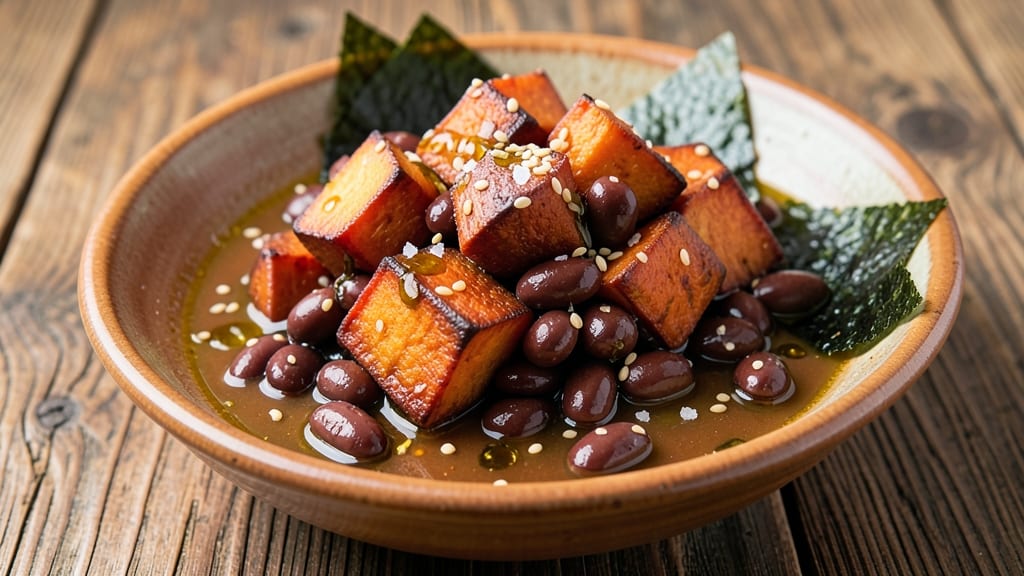
This adzuki beans sweet potato recipe transforms humble ingredients into a rich, velvety mash with a crispy, caramelized topping—perfect for hearty vegan meals. 🌟 The combination of earthy adzuki beans and naturally sweet potatoes creates a dish that balances umami depth with gentle sweetness, while the toasted sesame and nori topping adds textural contrast that elevates every bite.
The secret lies in slow-cooking the beans and sweet potatoes together until they break down into a silky, almost custard-like texture. This method infuses the beans with sweet potato's natural sugars, creating a dish that's both comforting and sophisticated.
The recipe requires minimal hands-on time but delivers restaurant-quality results with layers of flavor you won't find in standard sweet potato mash.
What makes this recipe stand out is its versatility—serve it as a side dish alongside grilled tofu or tempeh, or make it the star of a vegan meal with a simple miso soup and steamed greens.
The umami-sweet profile pairs beautifully with herbal teas like rooibos or jasmine, creating a complete dining experience that feels both familiar and exciting.
The best part? This dish comes together in one pot, making it perfect for meal preppers or anyone looking to minimize cleanup.
With just 15 minutes of active prep and 45 minutes of simmering, you'll have a dish that's impressive enough for guests but simple enough for weeknight dinners. Let's get started on creating this comforting, flavorful masterpiece.
Ingredients for adzuki beans sweet potato
Fifteen ingredients blend earthy adzuki beans and sweet potatoes into velvety perfection with a crispy sesame-nori topping.
| Ingredient | Amount | Notes |
|---|---|---|
| Adzuki Beans 🌱 | 1 ½ cups | Dried, soaked overnight |
| Sweet Potatoes 🍠 | 2 medium | Peeled, cubed (about 1.5 lbs) |
| Vegetable Broth 💧 | 3 cups | Low-sodium preferred |
| Extra-Virgin Olive Oil 🫒 | 2 tbsp | For roasting topping |
| Toasted Sesame Seeds 🥜 | 2 tbsp | Plus extra for garnish |
| Nori Sheets 🍣 | 2 pieces | Thinly sliced, toasted |
| Maple Syrup 🍯 | 2 tbsp | For caramelized topping |
| Fresh Ginger 🧄 | 1 tbsp | Grated (about 1-inch piece) |
| Garlic Cloves 🧄 | 3 cloves | Minced for flavor base |
| White Miso Paste 🧈 | 1 tbsp | For umami depth |
| Sea Salt 🧂 | 1 tsp | Adjust to taste |
| Black Pepper 🌶️ | ½ tsp | Freshly ground |
| Sesame Oil 🫒 | 1 tsp | For finishing |
The adzuki beans are the heart of this dish—soak them overnight for best texture. Trader Joe's or bulk bins at Whole Foods usually carry them, and they keep for months in the pantry. Sweet potatoes? Orange-fleshed varieties like Jewel or Garnet work best—they're naturally sweeter. If you can't find dried adzuki, canned low-sodium ones (like House Foods) are a lifesaver, but rinse them well to cut down on sodium. The nori sheets? Japanese markets have the freshest, but the dried ones at Asian grocery stores work perfectly too—just toast them until crispy.
No maple syrup? Agave nectar or coconut sugar works in a pinch, though maple gives that perfect caramelized depth. Fresh ginger and garlic are non-negotiable here—they're what makes this dish sing. Pre-minced garlic from the jar is fine, but fresh ginger? Grate it yourself—it makes all the difference. The miso paste adds that umami kick, and White Diamond or Miso Master brands are my go-tos. If you're short on time, miso paste + a splash of water can replace fresh ginger in a bind, but trust me on the real deal.
This mash tastes even better the next day—honestly, the flavors meld into something magical. Store leftovers in an airtight container for up to 5 days in the fridge, or freeze for 3 months. The topping stays crispy if you reheat it separately, so sprinkle fresh sesame seeds on top right before serving. For meal prep, I double the batch and portion it into containers—perfect for lunches all week. The nori topping? Toast extra and store in a sealed bag for up to 2 weeks.
Why You'll Love This Recipe
- One-Pan Magic: I swear by this recipe when I’m too tired to scrub pots—just toss the cubed sweet potatoes and drained adzuki beans into a skillet with broth, a drizzle of olive oil, and a pinch of salt. The sweet potatoes caramelize right alongside the beans, and honestly? That’s all the effort I need to put in.
- Sweet-Savory Balance: Here’s what sold me—the adzuki beans bring this dish a nutty depth, while the sweet potatoes add natural sweetness that just pops when you finish with toasted sesame seeds. It’s the kind of flavor combo that makes you go back for seconds without even trying.
- Meal Prep MVP: Between us, this is my go-to for lunches all week. The beans hold up perfectly, and the sweet potatoes stay tender when reheated—just add a splash of broth to keep them from drying out. Pack it in jars, and you’ve got a hearty, satisfying meal that’s ready in minutes.
- Budget-Friendly Powerhouse: Adzuki beans and sweet potatoes are pantry staples that won’t break the bank, and this recipe stretches them into something seriously impressive. I’ll be real: it’s the kind of dish that makes grocery day feel like a win, especially when you’re feeding a crowd or just trying to save a few bucks.
Step-by-step instructions for adzuki beans sweet potato mash
Here's how to create a velvety-smooth mash with a perfectly balanced umami-sweet crunchy topping.
🔥 Step 1: Cook the Adzuki Beans Until Tender
Drain and rinse the soaked 1.5 cups adzuki beans thoroughly. In a medium saucepan, combine the beans with 3 cups vegetable broth and bring to a boil over medium-high heat. Once boiling, reduce heat to low and simmer for 45-50 minutes until beans are fork-tender with no bite.
Here's the thing—don't skip the broth. It prevents the beans from drying out and helps develop that rich, earthy flavor. Stir occasionally and add more broth if the beans look dry. You'll know they're ready when they mash easily but still hold their shape slightly. Drain any excess liquid before mashing.
🍳 Step 2: Roast Sweet Potatoes for Natural Sweetness
Preheat your oven to 400°F. Toss the peeled and cubed 2 medium sweet potatoes with 1 tbsp extra-virgin olive oil, ½ tsp sea salt, and ¼ tsp black pepper. Spread them in a single layer on a baking sheet and roast for 25-30 minutes until tender and caramelized.
Real talk: These roasted potatoes add depth that steamed ones can't match. You want them fork-tender with slightly crispy edges—this ensures they'll mash smoothly while contributing natural sweetness. Turn them halfway through for even browning. If they're done before the beans, just keep them warm in the oven.
👨🍳 Step 3: Build the Umami-Sweet Mash Base
In a food processor, combine the cooked adzuki beans, roasted sweet potatoes, 1 tbsp white miso paste, 1 tbsp grated fresh ginger, 3 minced garlic cloves, and 1 tsp sesame oil. Pulse until smooth but slightly textured—you want that satisfying bite from the beans.
This is where the magic happens. The miso adds that deep umami punch while the ginger and garlic brighten things up. Taste as you go—you might want to add a pinch more salt or a splash of broth if it needs balancing. The texture should be like a cross between mashed potatoes and hummus—creamy but with body.
🥘 Step 4: Create the Crunchy Maple-Nori Topping
In a small skillet, heat 1 tbsp extra-virgin olive oil over medium heat. Add the 2 pieces thinly sliced nori sheets and toast for 1-2 minutes until fragrant. Remove and set aside. In the same pan, add 2 tbsp maple syrup and cook for 2 minutes until slightly thickened.
Don't walk away—maple syrup burns fast! The nori should crisp up beautifully while the syrup caramelizes just enough to coat the back of the spoon. Stir in the 2 tbsp toasted sesame seeds at the end and let them toast for 30 seconds until golden. This topping is what makes the whole dish sing—sweet, salty, and irresistibly crunchy.
🍽️ Step 5: Assemble and Finish with Perfect Balance
Spread the adzuki-sweet potato mash onto serving plates. Spoon the warm maple-nori topping generously over each portion. Drizzle with any remaining caramelized syrup from the pan and finish with an extra sprinkle of toasted sesame seeds for that final crunch.
Here's the moment that matters: Let it rest for 2-3 minutes before serving. This allows the flavors to meld—you'll get that perfect harmony of creamy mash, sweet crunch, and umami depth. Serve immediately while the topping is still crisp and the mash is warm through. Each bite should deliver that perfect balance of textures and flavors we promised!
Pro Tips For Making Adzuki Beans Sweet Potato
- SIMMER LOW AND SLOW: The adzuki beans in this dish need patience—don’t rush them. Once the broth covers the beans, reduce heat to a gentle simmer (just enough to see tiny bubbles) and let them cook uncovered for at least 45 minutes. I learned this the hard way after a batch turned mushy and split open; low heat keeps them tender but intact.
- PEEL AND CUBE SWEET POTATOES: Skip the skin if you’re short on time, but if you’re going for texture, cube them evenly (about 1-inch pieces) and parboil for 5 minutes first. This guarantees they soften alongside the beans without turning to mush—no more half-cooked edges or gummy centers.
- SALT THE BROTH EARLY: Add a pinch of salt to the vegetable broth right at the start, even if the recipe doesn’t call for it. The beans absorb flavor better when the broth is seasoned from the beginning, and you’ll avoid that bland, watery taste that sneaks in when you wait too long.
- TOAST SESAME SEEDS FIRST: Don’t just sprinkle raw sesame seeds on top—they’ll just sit there like decorative confetti. Dry-toast them in a small pan over medium heat for 2 minutes until golden and fragrant, then toss with a pinch of salt. The aroma and crunch make a real difference, and it takes less than 5 minutes.
Troubleshooting this recipe
Beans Too Hard?
If your adzuki beans remain tough after simmering, they likely need more time. Increase cooking to 60-75 minutes and check periodically after 45 minutes. The beans should mash easily with a fork—if they still resist, add ½ cup extra broth and simmer 15 more minutes.
Never rush this step, as undercooked beans create a gritty texture. 💡
Sweet Potatoes Dry?
Over-roasted sweet potatoes turn dry and crumbly. For perfect texture, roast at 400°F for exactly 25-30 minutes, flipping halfway. If using a convection oven, reduce to 375°F and check at 20 minutes. Cover with foil if browning too fast. The edges should be caramelized but the center fork-tender.
Mash Too Thick?
Add 1-2 tbsp warm vegetable broth at a time to adjust consistency. Process in short bursts to avoid overheating. For extra creaminess, stir in 1 tbsp tahini or coconut milk.
If the mash separates, pulse again briefly. The ideal texture should cling slightly to the spoon but still be smooth. 🥄
Topping Too Soft?
Toast nori sheets in a dry skillet for 30-45 seconds until crisp. For extra crunch, press them between parchment paper with a heavy pan. If maple syrup doesn't caramelize, reduce heat to medium-low and cook 3-4 minutes total.
Stir constantly to prevent burning. The topping should hold its shape when spooned.
Flavors Muted?
Boost umami by increasing miso to 1.5 tbsp or adding ½ tsp soy sauce. For brightness, add ½ tsp lemon juice or ¼ tsp smoked paprika.
If the dish tastes bland, check salt levels—adjust with ¼ tsp more sea salt. Fresh ginger and garlic are non-negotiable for depth. Taste as you go!
Storage Issues?
For reheating, warm in a microwave-safe bowl with 1 tbsp water for 1-2 minutes, stirring halfway. To revive texture, mash again briefly. The topping reheats best in a dry skillet for 1 minute.
Store components separately: mash in an airtight container, topping in a sealed bag. Freeze for up to 3 months—thaw overnight in the fridge. ❄️
Nutrition facts
Frequently asked questions
Can I substitute canned adzuki beans for dried?
Yes, but with adjustments! Use 1 (15 oz) can of low-sodium adzuki beans (like House Foods) and add ½ cup extra broth to maintain moisture. Drain and rinse thoroughly to reduce sodium. For best texture, simmer the mash for an extra 5 minutes to let flavors meld—canned beans are pre-cooked but still need time to absorb flavors.
How do I make this dish gluten-free?
Check your miso paste—most white miso is gluten-free, but verify the label. For the topping, use certified gluten-free tamari instead of soy sauce if boosting umami. All other ingredients (sesame, nori, maple syrup) are naturally gluten-free. Double-check nori sheets for cross-contamination warnings if sensitive.
Can I make this recipe in an Instant Pot?
Sauté garlic and ginger first, then add beans, sweet potatoes, and broth. Cook on high pressure for 10 minutes, then natural release. For the mash, blend until smooth, then proceed with the maple-nori topping as directed. The pressure cooker cuts total time to 30 minutes—perfect for busy weeknights!
What's the best way to serve this dish?
This mash pairs beautifully with grilled tofu, tempeh, or even crispy baked chicken for a complete meal. For a vegan spread, serve with steamed bok choy and miso soup. The umami-sweet balance makes it a great breakfast option too—top with avocado and a fried egg if you're not fully vegan. Garnish with scallions for freshness!
Why does my topping lose crunch when reheating?
The topping loses crispness because moisture softens the nori and sesame seeds. To reheat, toast the topping components separately in a dry skillet for 1-2 minutes until crisp again. Store the mash and topping components separately in the fridge, and assemble fresh before serving. For meal prep, keep topping ingredients (nori, seeds, syrup) in a separate container and toast just before eating.