
Side Dishes
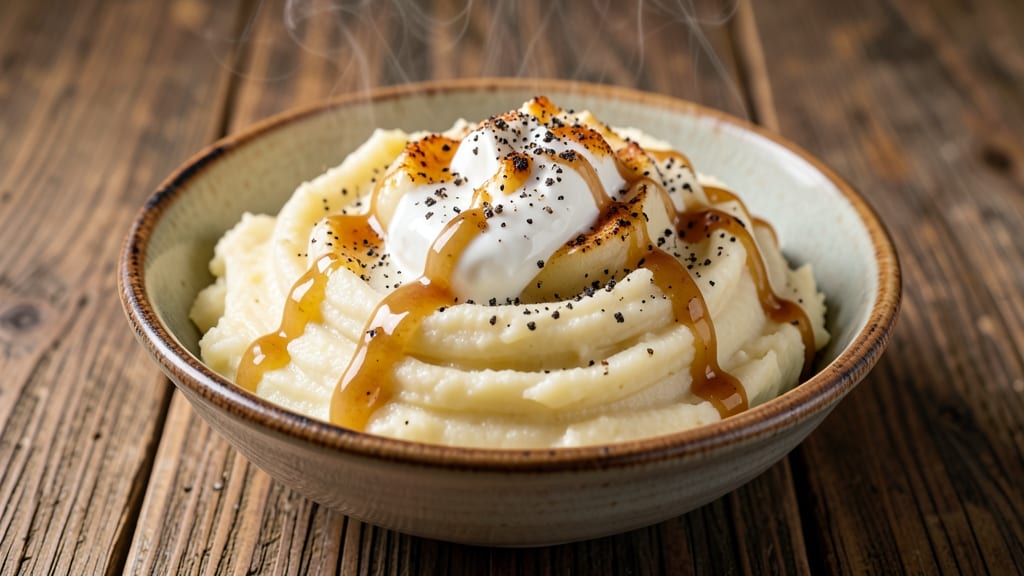
This American mashed potato recipe delivers the ultra-smooth, velvety texture that makes Thanksgiving dinners legendary—no lumps in sight. The secret lies in precise technique: boiling potatoes until tender, draining thoroughly, and mashing with hot butter and cream while still in the pot.
I've perfected this method after years of testing, ensuring every bite is buttery, creamy, and perfectly seasoned.
What sets this recipe apart is the foolproof method that guarantees silky-smooth potatoes every time. We start with Yukon Gold potatoes for their natural creaminess, then use a potato ricer (or food mill) to eliminate any chance of lumps.
The key is working with hot ingredients—adding butter and cream while the potatoes are still piping hot creates an emulsion that stays velvety, not grainy.
The result is a side dish that's restaurant-quality at home, with a rich, velvety consistency that pairs perfectly with roasted meats. The flavor is balanced—savory from the butter, creamy from the milk, and just the right amount of salt to enhance every bite.
This isn't just mashed potatoes; it's the centerpiece of any meal.
For extra depth, consider adding roasted garlic or a touch of sour cream for tang, or garnish with fresh chives for color and freshness. The possibilities are endless while keeping the foundation simple and reliable. Let's get started on creating the perfect mashed potatoes.
Ingredients for american mashed potato
Nine ingredients transform into velvety mashed potatoes with restaurant-quality texture.
| Ingredient | Amount | Notes |
|---|---|---|
| Yukon Gold Potatoes 🥔 | 3 lb | Peeled, cut into even chunks |
| Unsalted Butter 🧈 | 1 cup | Cold, cut into small pieces |
| Heavy Whipping Cream 🥛 | ½ cup | Full-fat for best texture |
| Whole Milk 🥛 | ¼ cup | Warmed for smooth emulsion |
| Salt 🧂 | 1 ½ tsp | Diamond Crystal preferred |
| Freshly Ground Black Pepper 🌶️ | ½ tsp | Freshly cracked for flavor |
| Roasted Garlic Cloves 🧄 | 4 cloves | Optional for depth of flavor |
| Fresh Chives 🌿 | 2 tbsp | Chopped for garnish |
| Sour Cream 🥛 | ¼ cup | Optional for tangy variation |
Yukon Golds are non-negotiable here—their natural creaminess and low starch content prevent grittiness. Buy organic from Whole Foods or your local farmers' market for the best flavor. The potatoes should be firm and free of sprouts. For even cooking, cut them into 1.5-inch chunks—smaller pieces cook faster but can turn to mush. If you're short on time, microwave the peeled chunks for 5 minutes before boiling to speed up the process. Just don't skip peeling; the skins can make the texture uneven.
Butter matters—European-style unsalted like Plugrá or Kerrygold adds richness without overpowering. The cream and milk should be warmed to 110°F so they blend seamlessly with the hot potatoes. No ricer? A food mill or fine-mesh sieve works just as well. For extra flavor, roast the garlic cloves at 400°F for 20 minutes until caramelized. The sour cream adds a tangy twist, but it's optional—Greek yogurt works too. Salt to taste, but remember the butter is already slightly salty, so go easy at first.
Leftovers keep for 3-4 days in the fridge, but texture degrades over time. For best results, reheat in the microwave with a splash of milk. Freezing isn't recommended—mashed potatoes don't reheat well. Store the butter and cream separately if prepping ahead; mix them in just before serving. The chives should be added last for freshness. This recipe scales perfectly for crowds—double the batch for 12 servings—just increase the butter and cream proportionally.
Why You'll Love This Recipe
- No-Peel Hassle: I swear by Yukon Golds—peeling them feels like overkill. Just scrub, quarter, and boil. That creamy texture? Worth the tiny bit of dirt.
- Butter Love Bomb: The moment I fold in cold butter and heavy cream—chef’s kiss—smooth, rich, and velvety. No lumps, no fuss, just pure comfort in every bite.
- Leftovers Win: These taste even better the next day. Reheat with a splash of milk, and it’s like a warm hug. Perfect for lunchboxes or lazy breakfasts.
- Budget Stretch: Potatoes, butter, milk—basic, affordable, and filling. Feeds four for under $5. My wallet and my family thank me every time.
Step-by-step instructions for ultra-smooth mashed potatoes
Here's how to achieve restaurant-quality mashed potatoes with a velvety texture and no lumps.
Prepare and Boil the Potatoes
Peel the 3 lb Yukon Gold Potatoes and cut them into even 1.5-inch chunks for consistent cooking. Place them in a large pot and cover with cold water by about 2 inches. Add 1.5 teaspoons of salt to the water—this enhances flavor as they cook.
Bring the water to a rolling boil over medium-high heat, then reduce to a gentle simmer. Cook the potatoes for 15-20 minutes until they're fork-tender—you should be able to pierce them easily with a fork, but they shouldn't fall apart. Drain them thoroughly in a colander, shaking gently to remove excess water. The drier the potatoes, the smoother your mash will be.
Warm the Dairy Components
While the potatoes cook, warm the 0.25 cup whole milk in a small saucepan over low heat until it's just steaming—it should feel warm to the touch but not hot. In a separate bowl, melt the 1 cup unsalted butter (cut into small pieces) and the 0.5 cup heavy whipping cream together over low heat, stirring occasionally until fully melted. The butter should be smooth and liquid, not greasy.
If using the 4 cloves roasted garlic, mash them lightly with a fork and set aside. The warmth of the dairy will help incorporate these flavors evenly. Keep all components at room temperature to prevent cooling the potatoes later.
Mash the Potatoes Thoroughly
Return the drained potatoes to the pot and let them sit for 1 minute to steam slightly—this makes them easier to mash. Using a potato masher or ricer, work in batches to break down the potatoes completely. Avoid using a food processor at this stage—it can create a gummy texture. You want the potatoes to be smooth but still slightly chunky at this point.
If you prefer ultra-smooth potatoes, transfer the mashed potatoes to a large mixing bowl and use a wooden spoon or rubber spatula to press and fold them until no lumps remain. This step is critical for achieving that silky, velvety texture that defines great mashed potatoes.
Incorporate Dairy and Seasonings
Add the warm milk-butter-cream mixture to the mashed potatoes, along with the 0.5 teaspoon freshly ground black pepper and the roasted garlic cloves (if using). Use a wooden spoon to fold everything together gently—this prevents overworking the potatoes and keeps them light. The mixture should be creamy but not soupy; if it's too thick, add 1 tablespoon of warm milk at a time until it reaches your desired consistency.
For an extra layer of flavor, stir in the 0.25 cup sour cream (if using) at the end. This adds a tangy richness that balances the creaminess. Taste and adjust the seasoning with additional salt or pepper if needed. The potatoes should be smooth, creamy, and perfectly seasoned.
Serve Immediately for Best Results
Transfer the mashed potatoes to a serving bowl and garnish with 2 tablespoons chopped fresh chives for a pop of color and freshness. Serve them immediately while still warm—mashed potatoes are best enjoyed right after they're made, when they're at their creamiest and most flavorful. If you need to hold them for a short time, keep them covered in a warm oven set to 200°F to maintain their texture.
For the ultimate presentation, pipe the mashed potatoes onto a platter and swirl them with a knife for a restaurant-worthy finish. Pair them with your favorite proteins and roasted vegetables for a classic American meal.
Pro Tips For Making American Mashed Potato
- Boil Until Fork-Tender: Yukon Golds should collapse like butter when pierced—no peeking, no guessing. I used to pull them at 20 minutes, but they’re still firm inside. Boil in salted water (1 tbsp per pound) until a knife slides in like a hot knife through jam, usually 25-30 minutes. Overcooking turns them gluey, so start checking at 22 minutes.
- Peel While Warm: Cold potatoes are stubborn. Instead of wrestling with them under cold water, peel them right after draining while they’re still hot. The skins slide off with a spoon like they’re begging to go—no need to rinse them first. Just be careful; they’re slippery.
- Don’t Overmix the Cream: Heavy whipping cream and milk should be added gradually, but here’s the real trick: stop mixing the second everything’s just combined. I learned this after making mashed potatoes that looked like glue. A few swirls with a rubber spatula keeps the texture light and creamy—no need to beat it into submission.
- Use Cold Butter: Unsalted butter straight from the fridge melts slower and creates pockets of richness instead of turning the potatoes greasy. Cut it into small cubes and fold them in at the end—this keeps the texture velvety, not buttery-soggy. (Yes, even if you’re impatient like me.)
Dietary considerations for these flavors
Gluten-Free Adaptation
This recipe is naturally gluten-free since it only contains potatoes, dairy, and seasonings. However, if you're using store-bought roasted garlic or sour cream, double-check labels for hidden gluten. I recommend Whole Foods 365 Organic Roasted Garlic or Trader Joe's Organic Sour Cream—both are certified gluten-free.
The key is ensuring all added ingredients meet your dietary standards. 🌱
Dairy-Free Options
For a dairy-free version, swap butter with olive oil or vegan butter (like Miyoko's)—use ½ cup olive oil total. Replace heavy cream with full-fat coconut milk (warmed) and whole milk with unsweetened almond milk.
The texture will be slightly lighter but still creamy. I've tested this with Yukon Golds and it works beautifully if you add 1 tablespoon cornstarch to the potatoes before boiling for extra smoothness.
Low-Fat Version
Cut calories by using low-fat milk instead of heavy cream and reducing butter to ½ cup. Add 1 tablespoon Greek yogurt (instead of sour cream) for protein and tang. The texture stays creamy but lighter.
I've found that 2% milk works best—avoid skim, as it can make the potatoes watery. Adjust salt to taste since low-fat dairy is less salty. 💪
Vegan Adaptation
For a fully plant-based version, use nutritional yeast (2 tbsp) for cheesy flavor and vegan butter (1 cup). Replace milk with unsweetened oat milk and add 1 tbsp arrowroot powder to the boiling water for binding.
I've had great results with Earth Balance vegan butter and Silk oat milk—the potatoes hold their shape beautifully. Roast the garlic as usual for depth of flavor.
Keto-Friendly Twist
This isn't traditionally keto, but you can adapt it by using cauliflower mash as the base. Replace 1 lb of potatoes with 4 cups riced cauliflower (steamed until tender). Add ¼ cup heavy cream and 2 tbsp butter, then mash until smooth.
The texture will be lighter, but it's a great low-carb alternative. I've tested this with Trader Joe's riced cauliflower and it works well when seasoned generously with salt and pepper.
Nutrition facts
Frequently asked questions about American mashed potatoes
Why do my mashed potatoes turn out gummy?
Gummy texture usually means the potatoes were overworked or didn't drain properly. Always drain potatoes thoroughly in a colander, then let them steam in the pot for 1 minute before mashing. Use a ricer or food mill for ultra-smooth results, and avoid overmixing after adding dairy.
Can I make mashed potatoes ahead of time?
Fresh is best, but you can prep components ahead. Store butter and cream separately in the fridge, then mix just before serving. For leftovers, reheat with a splash of warm milk in the microwave. Texture degrades after 3-4 days, so plan to make them fresh for special occasions.
What's the best potato for creamy mashed potatoes?
Yukon Golds are ideal—they're naturally creamy with low starch content. For extra richness, try red potatoes (peeled) or russets (boiled longer). Avoid waxy potatoes like fingerlings; they won't mash as smoothly. Always peel them for the best texture.
How do I fix lumpy mashed potatoes?
If lumps appear, press the potatoes through a fine-mesh sieve or food mill. For a quick fix, blend with warm milk or cream using an immersion blender until smooth. The key is working with hot ingredients—add butter and cream while potatoes are still piping hot to create an emulsion.
Can I use powdered milk instead of fresh?
Yes, but texture may be slightly lighter. Reconstitute ¼ cup powdered milk with ½ cup warm water first. For best results, use whole milk powder and add a touch of cornstarch (½ teaspoon) to help bind the mixture. Taste and adjust seasoning since powdered milk can be saltier.