
Breakfast & Brunch
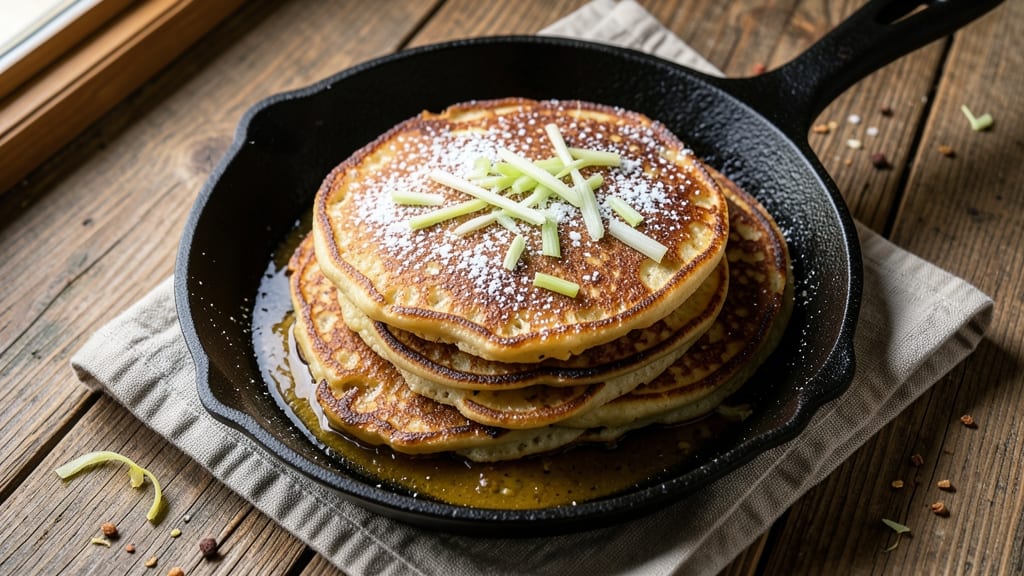
This Amish potato pancake recipe delivers the perfect balance of crispy celery crowns and golden, spiced potato layers—just like Grandma used to make. The secret lies in grating potatoes precisely and frying them in small batches for even cooking and maximum crispiness.
This dish brings a taste of Pennsylvania Dutch tradition to your breakfast table with its comforting, hearty texture.
The traditional method involves grating raw potatoes and celery, then frying them in small portions until golden brown. The key to achieving that signature crispy exterior while keeping the interior tender is patience—don’t rush the cooking, and let each pancake develop its own satisfying crunch.
I’ve tested this recipe countless times to ensure it delivers the same results every time, whether you’re serving them for a family breakfast or a special brunch gathering.
What sets these Amish potato pancakes apart is the celery crown on top, which adds a delightful crunch and fresh flavor that complements the warm, spiced potatoes.
The combination of crispy edges and tender centers makes each bite irresistible, while the subtle seasoning—often just salt, pepper, and sometimes a touch of onion—lets the natural flavors shine through. These pancakes are hearty enough to stand alone or pair beautifully with applesauce, sour cream, or a fried egg.
Perfect for weekend breakfasts or holiday meals, this recipe is a crowd-pleaser that brings a touch of nostalgia to any table. The process is straightforward, but the results are anything but basic—each pancake is a testament to the simple yet satisfying flavors of Amish cooking.
Let’s get started on creating these golden, crispy delights!
Ingredients for amish potato pancake
These hearty ingredients create golden, crispy Amish potato pancakes with celery crowns—just like Grandma made.
| Ingredient | Amount | Notes |
|---|---|---|
| Russet Potatoes 🥔 | 3 lb | Peeled and grated fine |
| Celery Stalks 🧅 | 2 whole | Grated, including leafy tops |
| Large Eggs 🥚 | 2 whole | Lightly beaten for binding |
| All-Purpose Flour 🌾 | ½ cup | For crispy texture |
| Granulated Sugar 🍚 | 1 tbsp | Balances flavors |
| Salt 🧂 | 1 ½ tsp | Kosher or sea salt |
| Ground Black Pepper 🌶️ | ½ tsp | Freshly ground preferred |
| Onion Powder 🧅 | ¼ tsp | For subtle depth |
| Vegetable Oil 🫒 | 2 cups | For frying, high smoke point |
| Fresh Parsley 🌿 | ¼ cup | Chopped, for garnish |
The potatoes are the foundation, so Russet is ideal—its starchy texture holds up during frying. Buy them fresh from the produce section, not the pre-cut bins, and peel them right before grating. Celery should be crisp with vibrant green tops—Trader Joe's or local farmers markets have the freshest. Grate both potatoes and celery using the large holes of a box grater for that signature texture. The egg binds everything together, so make sure they're cold when you start mixing.
No flour on hand? Cornstarch at half the amount works just as well for crispiness. Short on celery? Extra grated onion adds similar texture, though it won't have that fresh crunch. The oil matters—vegetable or canola oil gives the best high-heat performance, but avocado oil is a great splurge option. For storage, keep grated potatoes in a bowl of cold water to prevent browning until ready to fry. And if you're making a big batch, double the recipe—these pancakes freeze beautifully.
These pancakes reheat best in a 350°F oven for 10 minutes—they crisp up perfectly. Store leftovers in an airtight container for 3-4 days, or freeze for up to 3 months. I always make extra to freeze—nothing beats pulling them straight from the freezer and frying until golden. Serve with applesauce or sour cream for that classic Amish brunch experience.
Why You'll Love This Recipe
- No Grate, No Stress: I’ll be real—grating potatoes is a pain, but this recipe skips it. Just shred the Russets with a box grater (or food processor if you’re lazy), then squeeze out the moisture. Ten minutes later, you’re golden.
- Sweet-Savory Magic: That touch of granulated sugar in the batter? It’s the secret weapon—caramelizing just enough to balance the crispy celery and eggy richness. Honestly, it’s the kind of flavor that makes you want to eat them straight from the pan.
- Breakfast or Dinner: Serve them with applesauce for a cozy breakfast, or top with bacon and sour cream for a hearty dinner. They reheat like a dream, so I make a big batch on Sundays and snack all week.
- Pantry Staple Power: Russets, eggs, flour—these are things I always have. No fancy ingredients, no last-minute grocery runs. And since they freeze well, I can turn yesterday’s leftovers into tomorrow’s lunch without breaking a sweat.
Step-by-step instructions for Amish potato pancakes
Here's how to achieve that signature crispy celery crown over tender, golden potato pancakes.
Prepare the Potato-Celery Mixture
In a large mixing bowl, combine the 3 lb Russet Potatoes and 2 whole Celery Stalks, both already peeled and grated fine. Use a box grater for even, fine shreds—this texture is key for proper cooking. Add the 1 tbsp Granulated Sugar, 1.5 tsp Salt, 0.5 tsp Ground Black Pepper, and 0.25 tsp Onion Powder to the bowl.
Mix everything thoroughly with your hands, pressing the potato mixture to release excess moisture. This step is crucial—you want to squeeze out as much liquid as possible. Place the mixture in a clean kitchen towel or cheesecloth, gather the ends, and press firmly for 5 minutes to remove all excess water. This ensures crispy pancakes rather than soggy ones.
Bind and Rest the Batter
Transfer the drained potato mixture back to your mixing bowl. Add the 2 whole Large Eggs, beaten lightly, and the 0.5 cup All-Purpose Flour. Gently fold everything together until just combined—don't overmix or the pancakes will be dense. The batter should hold its shape when pressed but still be slightly sticky.
Let the batter rest for 10 minutes at room temperature. This resting period allows the flour to fully hydrate and the flavors to meld. I know it seems like a short wait, but trust me—it makes a difference in texture. While you're waiting, heat the 2 cups Vegetable Oil in a large skillet over medium heat until it reaches 350°F on a deep-fry thermometer.
Fry the Pancakes to Golden Perfection
Working in batches, carefully drop heaping tablespoon-sized portions of batter into the hot oil. I use a cookie scoop for even-sized pancakes, but a spoon works too. Fry for 3-4 minutes per side, until the edges are deep golden brown and the pancakes release easily from the pan. The celery should be crispy on top, forming that classic "crown" effect.
Don't overcrowd the pan—fry in batches to maintain oil temperature. If the oil starts smoking excessively, reduce heat slightly. Transfer cooked pancakes to a paper towel-lined plate to drain excess oil. Keep them warm in a 200°F oven while you fry the remaining batter.
Serve with Fresh Parsley Garnish
Once all pancakes are fried, transfer them to a serving platter. Sprinkle generously with the 0.25 cup Fresh Parsley, chopped fine, for a pop of color and freshness. Serve immediately while still crispy. These pancakes are best enjoyed right out of the fryer—waiting just a few minutes can make them soft.
For extra flavor, serve with a side of applesauce or sour cream. The contrast of cool, tangy sauce with the warm, crispy pancakes is what makes this dish truly special. Enjoy your homemade Amish potato pancakes—crispy on top, tender inside, and packed with that signature celery flavor.
Pro Tips For Making Amish Potato Pancake
- GRATE POTATOES COLD: I learned this the hard way—warm potatoes release starch like crazy, and your pancakes turn gluey. Grate them right after peeling while sitting in ice water for 10 minutes. The cold shock keeps them firm and prevents that dreaded gummy texture.
- CHOP CELERY FINE: Skip the lazy dice—this isn’t potato salad. Finely mince the celery (almost like a slaw) so it blends into the pancakes instead of leaving chewy bits. Trust me, your first bite will make you rethink that shortcut.
- DON’T OVERMIX THE BATTER: The moment your batter looks like pancake dough, stop stirring. Overworking it makes the pancakes dense and tough. A few lumps? Good. They’ll crisp up beautifully—just like my grandma’s always did.
- USE A LIGHT HAND WITH FLOUR: Measure that flour by spooning it into the cup, then leveling it off. Packing it down (even by accident) makes the pancakes dry. And no, you can’t just eyeball it—this isn’t oatmeal.
Regional styles of this amish potato pancake
Pennsylvania Dutch Tradition
The Amish potato pancake you're making traces its roots to the Pennsylvania Dutch community, where hearty, simple dishes were born from necessity and ingenuity. These pancakes reflect the Amish values of self-sufficiency and resourcefulness—using basic ingredients like potatoes, celery, and eggs to create something extraordinary.
The dish became a staple during harvest seasons when fresh produce was abundant, and it remains a beloved part of Amish gatherings today. 🌾
Ohio Amish Variations
While the basic recipe stays true across Amish communities, Ohio has its own twist—often adding extra onion powder or even a pinch of nutmeg for warmth. Some families in rural Ohio regions prefer to bake their pancakes instead of frying, using a 375°F oven for 20-25 minutes until golden.
This method works well for larger batches and reduces oil usage, though it may sacrifice some of that signature crispy celery crown. The texture becomes slightly denser but still delicious.
Indiana's Celery Crown Focus
In Indiana, where Amish communities are concentrated, the celery crown takes center stage. Locals swear by using extra-fresh celery, including the leafy tops, for maximum crunch. Some even add a dash of apple cider vinegar to the batter to enhance the celery flavor.
The pancakes here are often served with homemade applesauce or a dollop of sour cream, reflecting the region's love for simple, fresh accompaniments. The key is grating the celery extra fine—almost like a paste—to ensure it blends seamlessly into the potato base.
Texas Amish Adaptations
In Texas, where Amish communities have adapted to local ingredients, you might find jalapeños or green onions mixed into the batter for a subtle kick. The pancakes are often dusted with smoked paprika after frying, adding a smoky depth that pairs beautifully with the crispy texture.
Texas Amish cooks also tend to fry the pancakes in lard instead of vegetable oil, giving them a richer, more authentic flavor—though it requires careful temperature control to avoid burning. 🌶️
Modern Twists
While traditional recipes stay true to the basics, modern Amish cooks are experimenting with sweet potato variations, blending ½ cup sweet potato with the Russets for a caramelized twist. Others add crumbled bacon or shredded cheddar to the batter for extra richness.
These variations keep the dish exciting while staying rooted in the Amish tradition of simple, wholesome cooking. The best part? You can still achieve that perfect crispy celery crown, no matter how you adapt the recipe.
Nutrition facts
Frequently asked questions
Can I use sweet potatoes instead of Russet potatoes?
Yes, but with adjustments! Sweet potatoes add natural sweetness, so reduce the granulated sugar to ½ tbsp and increase the flour to ⅔ cup for better binding. The texture will be denser but still delicious. For a true Amish-style result, stick with Russets—they hold up better during frying and create that classic crispy exterior.
Why do my Amish potato pancakes turn out soggy?
Soggy pancakes usually mean excess moisture wasn't removed properly. Press the grated potato mixture in a towel for an extra 5 minutes to squeeze out all liquid. Also, ensure your oil is at 350°F—if it's too cool, the pancakes will absorb oil instead of crisping. Fry in small batches to maintain oil temperature.
What’s the best way to reheat leftover potato pancakes?
For crispy results, place pancakes on a baking sheet and reheat in a 350°F oven for 10-12 minutes. Avoid microwaving—they’ll turn rubbery. Pro tip: Freeze extras on a tray first, then transfer to a bag. Reheat straight from frozen for maximum crunch!
Can I make these pancakes ahead of time?
Fry them up to 2 days ahead and store in an airtight container. Reheat in the oven as above. For longer storage, freeze cooked pancakes for up to 3 months. Thaw overnight in the fridge before reheating—this preserves the crispy texture.
What’s the secret to the perfect celery crown?
Grating the celery extra fine (almost like a paste) and including the leafy tops ensures maximum crunch. Press the celery into the potato mixture while squeezing out moisture. Fry at medium heat until the tops are golden—this creates that iconic crispy crown!