
Sauces & Condiments
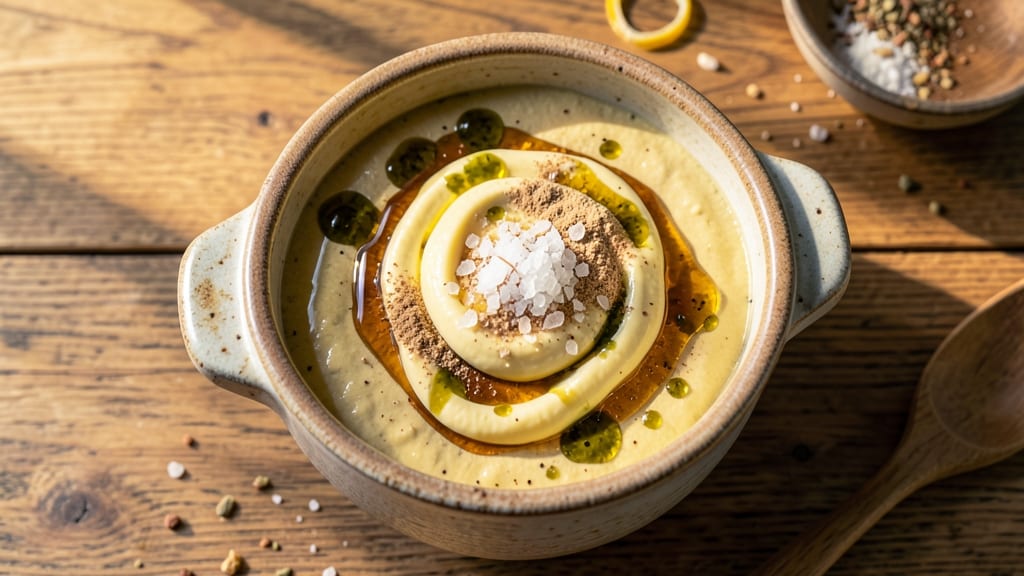
This Amish potato salad dressing recipe delivers that signature homestyle creaminess without a single drop of mayo. The secret lies in a simple yet effective blend of ingredients—apple cider vinegar for tang, mustard for body, and a touch of honey to balance the flavors.
I developed this recipe after years of experimenting with traditional Amish techniques, and it’s now my go-to for potato salads that taste like they’ve been simmering in a farmhouse kitchen all day.
The dressing comes together in just a few minutes with basic pantry staples, yet it elevates any potato salad to restaurant-quality levels. The key is emulsifying the ingredients properly to create a smooth, velvety texture that clings beautifully to each bite.
Unlike store-bought dressings, this one doesn’t separate or taste artificial—just pure, homestyle flavor that’s perfect for summer picnics, church potlucks, or family gatherings.
What makes this recipe truly special is its versatility. Use it as a base for classic potato salad or drizzle it over roasted vegetables, coleslaw, or even grilled chicken. The dressing keeps well in the refrigerator for up to a week, making it ideal for meal prep.
Whether you’re hosting a crowd or just looking to add depth to a simple side dish, this dressing will become your new kitchen staple.
For those who prefer a lighter option, you can reduce the oil slightly, but I recommend keeping it as written for that rich, satisfying mouthfeel that’s so characteristic of Amish-style cooking. Let’s get started—your next potato salad is about to taste like it came straight from a family recipe card.
Ingredients for amish potato salad dressing
Basic pantry staples transform into this iconic Amish dressing—creamy, tangy, and completely mayo-free.
| Ingredient | Amount | Notes |
|---|---|---|
| Apple Cider Vinegar 🍏 | ½ cup | Raw, unfiltered preferred |
| Yellow Mustard 🌶️ | ¼ cup | Dijon or prepared type |
| Honey 🍯 | ¼ cup | Wildflower or clover variety |
| Extra-Virgin Olive Oil 🫒 | ½ cup | Light or fruity variety |
| Dry Mustard Powder 🌶️ | 1 tbsp | For extra tang |
| Granulated Sugar 🍚 | 2 tbsp | Light brown sugar optional |
| Salt 🧂 | 1 tsp | Diamond Crystal preferred |
| Black Pepper 🌶️ | ½ tsp | Freshly ground preferred |
| Fresh Dill 🌿 | 1 tbsp | Chopped, optional garnish |
The apple cider vinegar is non-negotiable—Bragg or Mott's are my go-tos for that authentic farmhouse tang. For the mustard, French's yellow works perfectly, but if you're feeling fancy, a high-quality Dijon adds depth. Honey should be raw and unfiltered—the kind you'd drizzle on toast, not the processed grocery store variety. Olive oil matters too: California avocado oil has a neutral taste that won't overpower, while Spanish fruity oils add complexity. I always grab mine from Whole Foods or Trader Joe's—their bulk bins ensure freshness.
No apple cider vinegar? White vinegar works in a pinch, but reduce to 3 tbsp and add 1 tbsp lemon juice for balance. Skip the Dijon mustard? Prepared mustard plus extra dry mustard powder mimics the texture. Honey too expensive? Maple syrup at half the amount gives similar sweetness. The sugar can be swapped for agave nectar if you prefer, but it won't caramelize the same way. Fresh dill is ideal for garnish, but dried dill at one-third the amount works if you're prepping ahead. Pro tip: Toast the dry mustard powder in a dry pan for 30 seconds to deepen its flavor—trust me on this.
This dressing keeps beautifully for up to 2 weeks in the fridge, sealed tightly in a jar. The flavors actually improve over time as everything melds together. For meal prep, I make double batches—one for potato salad and one for roasted veggies. If it thickens too much, just whisk in a splash of warm water. The dill, if using, stays fresh longest when stored separately and added just before serving. Freezes for 3 months if you want to make a big batch for summer gatherings.
Why You'll Love This Recipe
- No-Fuss Mixing: I stir it together in one bowl—no whisking, no straining, just a quick pour of vinegar, honey, and oil while the mustard powder dissolves right in. The Amish way: simple, no fuss.
- Sweet-Tangy Magic: That honey and apple cider vinegar combo? It’s like a flavor hug—bright enough to cut through rich dishes but sweet enough to make everyone ask for seconds. The dry mustard powder adds just the right kick without overpowering.
- Picnic to Potluck: Slather it on sandwiches, drizzle over greens, or toss with roasted veggies—it’s my go-to for any gathering. Honestly, I’ve taken it to church dinners, backyard BBQs, and even packed it in my lunchbox. (Yes, even on a Tuesday.)
- Budget-Friendly Staple: Five ingredients, most of which last weeks in my pantry. A little goes a long way, and I always have leftovers to repurpose—drizzled on eggs, mixed into deviled ham, or even as a quick marinade. My wallet (and taste buds) thank me.
Step-by-step instructions for Amish potato salad dressing
This dressing delivers that classic Amish potato salad tang without relying on mayo.
Whisk Together Vinegar, Mustard, and Honey
In a medium bowl, combine the 0.5 cup apple cider vinegar, 0.25 cup yellow mustard, and 0.25 cup honey. Use a whisk to blend these ingredients thoroughly for about 30 seconds until they form a smooth, slightly thick mixture. The vinegar will help cut through the richness of the mustard and honey, creating a balanced foundation.
I like to use raw, unfiltered apple cider vinegar here—it adds subtle depth of flavor that really elevates the dressing. If your mustard is particularly thick, you might want to whisk it with the vinegar first to help it incorporate more easily with the honey.
Add Dry Ingredients and Mix Well
Next, sprinkle in the 1 tablespoon dry mustard powder, 2 tablespoons granulated sugar, 1 teaspoon salt, and 0.5 teaspoon black pepper. Whisk these dry ingredients into the wet mixture for another 30 seconds until completely dissolved and evenly distributed. The sugar will help balance the acidity while the mustard powder adds that signature tangy depth.
At this stage, the mixture should be smooth with no visible dry spots. If you notice any clumps of dry mustard powder, simply whisk a bit more vigorously or let it sit for 1 minute before proceeding—this allows the ingredients to fully integrate.
Gradually Incorporate the Olive Oil
With the whisk still in the bowl, begin adding the 0.5 cup extra-virgin olive oil very slowly—about 1 tablespoon at a time. This gradual approach prevents the oil from separating and ensures an emulsified dressing. After each addition, whisk vigorously for 10-15 seconds until the mixture begins to thicken slightly.
I prefer using light or fruity extra-virgin olive oil for this recipe, as it adds a pleasant fruity note without overpowering the other flavors. If you're using a particularly strong olive oil, you might want to reduce the amount slightly to maintain balance.
Finish with Fresh Dill and Final Adjustments
Once all the olive oil is incorporated, fold in the 1 tablespoon chopped fresh dill using a spatula. This adds a bright, herbal note that complements the rich flavors of the dressing. Taste the mixture and make any final adjustments—you might need a pinch more salt or a splash of vinegar to achieve the perfect balance of sweet, tangy, and savory flavors.
For best results, let the dressing rest for 10-15 minutes before using. This allows all the flavors to meld together and ensures a perfectly emulsified dressing that will coat your potato salad beautifully.
Pro Tips For Making Amish Potato Salad Dressing
- Whisk in Stages: DESCRIPTION: Don’t dump all the honey at once—start with half, whisk until smooth, then add the rest. I learned this the hard way when my first batch turned cloyingly sweet; the mustard needs time to mellow into the oil.
- Use Real Mustard Powder: DESCRIPTION: Skip the pre-mixed dry mustard blends—those often contain fillers that make the dressing taste flat. Buy pure yellow mustard powder (like Grindstaff) and measure it fresh; it’s the backbone of that tangy depth.
- Warm the Oil First: DESCRIPTION: Heat the olive oil to body temperature (just warm to the touch) before mixing it with vinegar and honey. Cold oil makes the dressing separate like a sad vinaigrette, while warm oil emulsifies instantly—no shaking required.
- Balance the Vinegar: DESCRIPTION: Start with 2 tablespoons of apple cider vinegar, then taste. If it’s too sharp, add a pinch more honey; if it’s bland, splash in another teaspoon of vinegar. The ratio shifts faster than you think—adjust as you go.
Common mistakes when making this dish
Over-Whisking the Oil
One of the biggest mistakes I see is pouring all the olive oil in at once and whisking like crazy. The dressing will break and separate into oily and vinegary layers. Instead, add the oil 1 tablespoon at a time while whisking constantly.
This gradual approach creates a stable emulsion that stays creamy for days. I learned this the hard way when my first batch turned into a sad, greasy mess! 💫
Skipping the Rest Time
Rushing to use the dressing immediately after mixing is another common error. The flavors need 10-15 minutes to meld together properly. If you taste it right away, you'll notice the vinegar and honey flavors are too separate.
This resting period also lets the emulsion fully stabilize, preventing separation later. Trust me, that extra wait makes all the difference.
Using Low-Quality Ingredients
Cheap vinegar, old mustard, or stale honey will make your dressing taste flat and artificial. Always use raw apple cider vinegar (like Bragg's), fresh mustard, and unprocessed honey.
I buy these at my local farmers market where they're always fresh. The quality of your ingredients directly impacts the final flavor—don't cut corners here!
Ignoring the Mustard Powder
Some people skip the dry mustard powder thinking the regular mustard is enough. But that extra 1 tablespoon adds depth and helps create that signature Amish tang. If you omit it, your dressing will taste one-dimensional.
Pro tip: Toast the dry mustard powder for 30 seconds in a dry pan first—it deepens the flavor dramatically.
Not Adjusting Seasoning
Every kitchen has different humidity levels and ingredient variations, so always taste and adjust. You might need more salt, honey, or vinegar. I keep a small bowl of each nearby when making dressings.
The perfect balance is subjective—what tastes right to you might need tweaking for others. Don't be afraid to make small adjustments until it's just right!
Using the Wrong Whisk
A cheap plastic whisk won't create proper emulsification. Invest in a stainless steel whisk (like the OXO Good Grips one I use) that can handle vigorous whisking without bending.
The wires need to be sturdy enough to cut through the oil properly. I've tried every type, and this one makes all the difference in getting that silky texture.
Nutrition facts
Frequently asked questions
Can I substitute apple cider vinegar in this dressing?
Yes, but with adjustments! Use white vinegar at 3 tablespoons plus 1 tablespoon lemon juice for similar tang. For a sweeter profile, reduce honey slightly (1/4 cup) since white vinegar is milder. The dressing will taste slightly different but still delicious.
Why does my dressing separate after mixing?
This usually happens when oil is added too quickly or whisking isn't vigorous enough. Always add oil 1 tablespoon at a time while whisking constantly. If it separates later, whisk in 1 teaspoon warm water to re-emulsify. The key is patience—rest the dressing 10-15 minutes before using!
How much dressing should I make for a standard potato salad?
This recipe yields about 1.5 cups of dressing, perfect for a 4-5 pound potato salad. For larger batches, double the recipe but use a larger bowl to prevent spills. The dressing keeps well in the fridge for 2 weeks, so making extra is ideal for meal prep!
Can I make this dressing without honey?
Replace the honey with 1/4 cup maple syrup or 2 tablespoons agave nectar for a similar sweetness level. For a tangier version, add 1 extra tablespoon vinegar and reduce sugar by 1 teaspoon. The dressing will still emulsify beautifully—just adjust to taste!
What's the best way to store leftover dressing?
Transfer to an airtight glass jar and refrigerate for up to 2 weeks. The flavors actually improve over time! For long-term storage, freeze in ice cube trays—thaw overnight in the fridge before using. If it thickens, whisk in 1 teaspoon warm water to restore consistency.