
Side Dishes
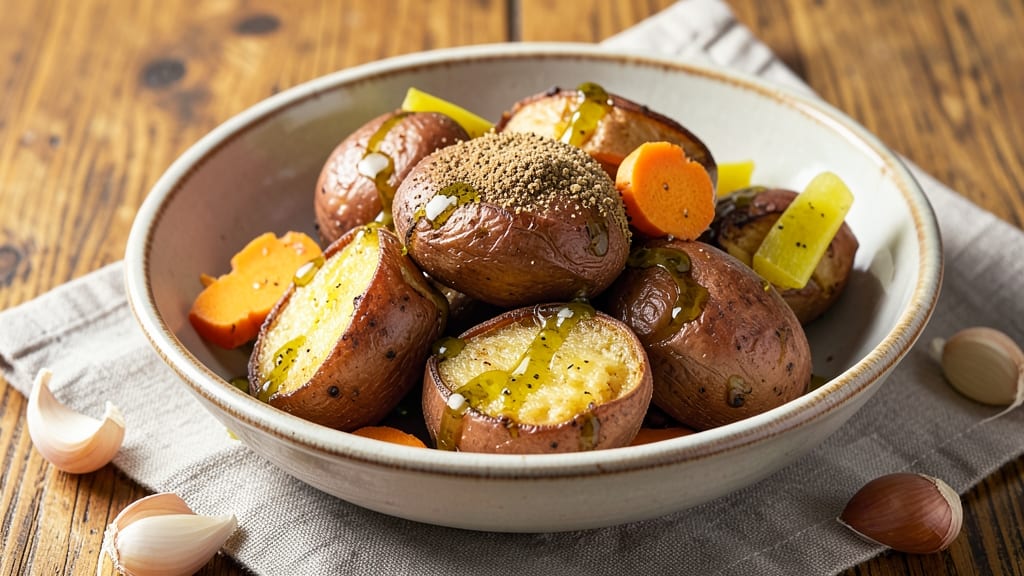
This anti-inflammatory potato recipe transforms humble spuds into a nutrient-packed side dish that fights swelling while delivering bold, savory flavor. 🌿 The secret lies in turmeric and ginger—powerhouse spices proven to reduce inflammation—paired with garlic and olive oil for maximum health benefits.
What makes this recipe special is how simple ingredients work together to create a dish that's both healing and delicious.
The preparation is straightforward: you'll roast the potatoes with a blend of anti-swelling spices until they're caramelized and tender. This method preserves their natural nutrients while enhancing their flavor through Maillard reaction—no complicated techniques required.
The result is a golden, aromatic side that pairs perfectly with lean proteins or fresh salads, making it ideal for health-conscious meals.
What you'll achieve is a dish packed with anti-inflammatory compounds that support joint health and reduce chronic inflammation. The turmeric and ginger not only add vibrant color but also provide potent antioxidants, while the olive oil contributes heart-healthy fats.
Each bite delivers a satisfying crunch and warm, earthy flavor that makes this recipe a standout for anyone looking to eat well without sacrificing taste.
This recipe works equally well as a side for grilled fish, roasted chicken, or as a hearty vegetarian main when paired with a fresh green salad. The versatility ensures it fits seamlessly into any meal plan while delivering serious nutritional benefits. Ready to transform your potatoes into a health powerhouse?
Ingredients for anti inflammatory potato
Twelve powerhouse ingredients transform ordinary potatoes into an anti-inflammatory superfood side dish.
| Ingredient | Amount | Notes |
|---|---|---|
| Russet Potatoes 🥔 | 2 lb | Cut into 1-inch chunks, peeled |
| Extra-Virgin Olive Oil 🫒 | ⅓ cup | High-quality, cold-pressed |
| Fresh Turmeric Root 🌿 | 1 tbsp | Grated, organic preferred |
| Fresh Ginger Root 🌿 | 1 tbsp | Grated, peeled |
| Garlic Cloves 🧄 | 4 cloves | Minced, fresh preferred |
| Ground Cumin 🌶️ | ½ tsp | Toasted for depth |
| Ground Coriander 🌿 | ½ tsp | Freshly ground preferred |
| Ground Black Pepper 🌶️ | ½ tsp | Freshly cracked |
| Sea Salt 🧂 | 1 ½ tsp | Diamond Crystal preferred |
| Fresh Rosemary 🌿 | ¼ cup | Chopped, stems removed |
| Fresh Thyme Leaves 🌿 | ¼ cup | Chopped, organic preferred |
| Black Lime Zest 🍋 | 1 tsp | Substitute regular lime if unavailable |
The turmeric and ginger are non-negotiable for this recipe. Organic fresh roots provide the highest anti-inflammatory compounds, but if you can't find them, high-quality powders from Penzeys work well. Look for vibrant, bright yellow turmeric and firm, aromatic ginger with no soft spots. The black lime zest adds a unique citrus note—if unavailable, regular lime zest works, though it lacks the same depth of flavor. For the potatoes, Russets
No fresh turmeric or ginger? Powdered forms at half the amount will suffice, though fresh provides superior flavor and nutrient retention. Substitute cumin with equal parts coriander if needed, though the earthy depth of cumin is essential. For the herbs, dried rosemary and thyme at one-third the amount work in a pinch, though fresh imparts a brighter, more vibrant flavor. The olive oil should be extra-virgin with a peppery finish—avoid light or refined oils that lack the robust flavor profile needed here. If you're sensitive to nightshades, omit the black pepper entirely, though it enhances the spices' warmth. Store fresh turmeric and ginger roots in a cool, dark place for up to 2 weeks, or freeze them for longer storage. Prepped potatoes can sit in a bowl of cold water for up to 24 hours before roasting without absorbing excess moisture. Once roasted, these potatoes reheat beautifully—simply toss with a splash of water and cover with foil for 3-5 minutes in a 350°F oven. For meal prep, portion into airtight containers and store in the fridge for 4-5 days or freeze for up to 3 months. The flavors deepen overnight, making this dish even more potent the next day.
Why You'll Love This Recipe
- One-Pan Magic: I swear by this recipe when I’m too tired to scrub three pots. Toss those russets in olive oil with turmeric, ginger, and garlic, roast until golden—done. Zero fuss, zero stress, just flavor that sticks to every bite.
- Golden-Garlic Glow: That crispy skin with the creamy inside? Yes. But the real star is the garlic-turmeric-ginger trio—earthy, bright, and just spicy enough to wake up your taste buds. (Between us, I’ve eaten it straight out of the pan.)
- Meal Prep MVP: Make a big batch on Sunday, and you’ve got lunch for days. Cold or reheated, these potatoes stay tender and packed with anti-inflammatory goodness—no sad leftovers here, just happy meals.
- Budget Bright Spot: Russets are cheap, olive oil lasts forever, and fresh ginger/turmeric add serious health perks without breaking the bank. Honestly, it’s the kind of recipe that makes grocery day feel like a win.
Step-by-step instructions for turmeric-ginger roasted potatoes
Here's how to create a vibrant, anti-inflammatory potato dish packed with healing spices.
👨🍳 Step 1: Prepare the Potatoes and Spice Paste
Preheat your oven to 425°F for optimal crispiness. Peel and cut the 2 lb russet potatoes into 1-inch chunks—uniform size ensures even cooking. Spread them on a baking sheet and let them sit at room temperature for 10 minutes while you prepare the spice mixture.
In a small bowl, combine the 1 tbsp grated fresh turmeric root, 1 tbsp grated fresh ginger root, 4 minced garlic cloves, 0.5 tsp ground cumin, 0.5 tsp ground coriander, 0.5 tsp ground black pepper, and 1.5 tsp sea salt. This blend delivers potent anti-inflammatory benefits while creating a flavorful crust. Add 0.33 cup extra-virgin olive oil and mix until you get a thick paste—this will cling perfectly to the potatoes.
👨🍳 Step 2: Coat the Potatoes with Herbs and Spices
Transfer the potato chunks to a large mixing bowl. Add the spice paste and toss vigorously with your hands or a silicone spatula until every potato piece is thoroughly coated. The vibrant yellow-orange hue from the turmeric signals even distribution—this is your visual cue that the anti-inflammatory compounds are well-incorporated.
Next, fold in the 0.25 cup chopped fresh rosemary and 0.25 cup chopped fresh thyme leaves, followed by the 1 tsp black lime zest. The citrus notes from the lime zest balance the earthy spices beautifully. Spread the potatoes on two parchment-lined baking sheets, arranging them in a single layer to ensure even browning.
🔥 Step 3: Roast Until Golden and Caramelized
Place the baking sheets in the preheated oven and roast for 25 minutes, stirring once halfway through. You'll notice the potatoes begin to develop a golden crust around the edges—that's when you know the anti-inflammatory compounds are activating through the Maillard reaction.
After 25 minutes, increase the oven temperature to 450°F and continue roasting for another 15-20 minutes until the potatoes are deeply golden and crispy in spots. They should be tender when pierced with a fork but still hold their shape. The high heat at the end intensifies the flavors and creates that satisfying crunch.
⏰ Step 4: Rest and Serve with Maximum Flavor
Remove the potatoes from the oven and let them rest on the baking sheets for 5 minutes. This resting period allows the juices to redistribute, ensuring each bite is moist and flavorful. The potatoes will continue to crisp slightly as they cool—this is normal and desirable.
Serve immediately while still warm. The combination of turmeric, ginger, and black lime zest creates a dish that's not only delicious but also packed with anti-inflammatory benefits. These potatoes pair beautifully with grilled fish or a fresh green salad for a complete, health-focused meal. The vibrant color and aromatic spices make this dish visually appealing and nutrient-dense.
Pro Tips For Making Anti Inflammatory Potato
- USE A MICROPLANE FOR SPICES: Fresh turmeric and ginger lose potency when grated—scrub them first, then use a microplane to get fine, flavor-packed threads. (Yes, it’s slower, but the difference in warmth and depth is worth it.)
- SALT THE POTATOES BEFORE ROASTING: Toss the cubed Russets with a pinch of salt and olive oil right after cutting—let them sit 10 minutes while you prep the aromatics. This jumpstarts the softening and keeps them from turning gummy.
- DON’T OVERCROWD THE PAN: If you’re roasting, spread the potatoes in a single layer first, then toss and repeat—crowding steams them instead of crisping. (I learned this after a soggy batch where I thought, “More space can’t hurt.” Spoiler: It can.)
- SAUTÉ GARLIC LOW AND SLOW: Add the minced garlic to the olive oil after the turmeric and ginger have sizzled for 30 seconds—just until fragrant, not brown. Burnt garlic turns bitter, and you’ll be scraping char off your pan instead of eating.
Essential equipment for perfect results
Essential Roasting Tools
For perfect golden-brown potatoes, you'll need two large rimmed baking sheets—I recommend 18x13-inch sizes from Ozeri or Nordic Ware—to maximize surface area and ensure even browning. These sheets provide sturdy, heat-resistant surfaces that handle the high oven temperatures without warping. 🔥
Line each sheet with parchment paper or silicone baking mats to prevent sticking and make cleanup effortless. I prefer Starfrit Silicone Mats because they're reusable and create a non-stick surface that mimics professional restaurant results. Avoid aluminum foil directly under the potatoes—it can create steam pockets and make them soggy.
Spice Grater Must-Have
A fine-mesh grater is essential for extracting maximum flavor and anti-inflammatory compounds from fresh turmeric and ginger. I use a Microplane because it produces ultra-fine zest that blends seamlessly into the spice paste.
For garlic, a garlic press or sharp chef's knife ensures even mincing—never pre-minced garlic from jars, as it lacks freshness and potency.
Mixing Essentials
For thorough coating, use a large mixing bowl with silicone spatulas—I keep OXO Good Grips on hand for their heat-resistant handles. If you prefer hands-on mixing, wear heat-resistant oven mitts to protect your fingers from the hot potatoes.
A small whisk bowl (like Le Creuset's) works perfectly for creating the spice paste before mixing with the potatoes.
Temperature Control
An oven thermometer is crucial for accuracy, especially when roasting at 425°F and 450°F. I recommend the Thermoworks Oven Thermometer—it's precise and easy to read. Place it in the oven while preheating to verify your oven's actual temperature.
Many home ovens run 25-50°F hotter or cooler than their set temperature, which affects cooking time and texture.
Storage Solutions
For leftovers, transfer potatoes to glass airtight containers with snap-on lids—I use Pyrex 8-cup containers for portion control. These containers maintain freshness for 4-5 days in the fridge or 3 months in the freezer.
Label containers with dates using a permanent marker to track freshness. For meal prep, portion into single-serving containers to reheat individual portions without drying out the entire batch.
Nutrition facts
Frequently asked questions
Can I use sweet potatoes instead of russets for this anti-inflammatory recipe?
Sweet potatoes work beautifully and add extra anti-inflammatory benefits from their natural beta-carotene. Use the same 1-inch chunks and adjust roasting time to 30-35 minutes at 425°F—they take slightly longer due to their denser texture. The spice paste will cling differently, so toss them more gently to avoid breaking the pieces.
How do I make this dish even more anti-inflammatory?
Boost the benefits by adding 1 cup chopped kale or spinach to the baking sheets during the last 10 minutes of roasting. You can also stir in 1 tbsp ground flaxseed or 1 tsp cinnamon with the spice paste—both contain powerful anti-inflammatory compounds. For extra protein, top with 1/4 cup crumbled feta (if dairy is tolerated) before serving.
Why does my recipe turn out soggy instead of crispy?
Soggy potatoes usually mean too much moisture or insufficient heat. First, ensure your potatoes are completely dry before roasting—pat them thoroughly with paper towels. Second, avoid overcrowding the baking sheets (leave 1-inch gaps between pieces). Finally, use an oven thermometer—many ovens run 25-50°F cooler than set, requiring 450°F for proper crisping.
Can I make this recipe ahead of time?
Yes! These potatoes reheat beautifully. Store leftovers in an airtight container for 4-5 days in the fridge. To reheat, spread on a baking sheet and warm at 375°F for 10-12 minutes until crispy again. For freezing, portion into single servings and freeze for up to 3 months. Thaw overnight in the fridge before reheating—never microwave directly from frozen.
What's the best way to store fresh turmeric and ginger?
Fresh turmeric and ginger stay best in the fridge for 2-3 weeks when wrapped in a damp paper towel and stored in a sealed container. For longer storage, freeze them whole—they'll keep for up to 6 months. To use frozen roots, simply grate them directly from frozen (no thawing needed) into your spice paste. This preserves their maximum anti-inflammatory compounds.