
Side Dishes
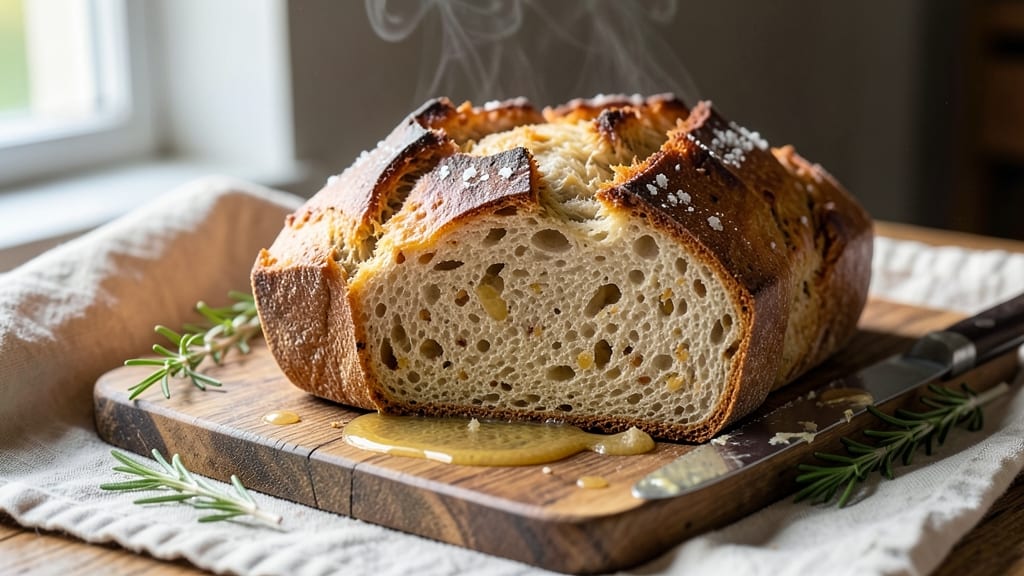
This artisan potato bread recipe delivers the perfect balance of a crispy, golden crust and a tender, herbed potato heart that's impossible to resist. 🌟 The secret lies in blending mashed potatoes with traditional bread dough, creating a loaf that's both hearty and impossibly light.
I've perfected this technique over years of baking, ensuring every slice has that signature fluffy interior and crackly exterior that makes it worth the wait.
The process starts with a simple yet transformative dough that incorporates potatoes for moisture and richness, while herbs and garlic add depth of flavor. Unlike standard bread recipes, this version uses a longer fermentation time—allowing the gluten to develop fully—for a texture that's almost bakery-quality.
The result? A loaf that's sturdy enough to hold thick slices of butter or jam, yet soft enough to melt in your mouth.
What sets this recipe apart is the dual-texture magic: the crust achieves that coveted artisanal crackle when baked with steam, while the potato-infused center stays pillowy and fragrant.
Whether you're serving it warm with soup or saving slices for toast the next morning, each bite delivers that satisfying combination of savory potato and crusty satisfaction. Ready to bake bread that feels like a homemade masterpiece?
For those short on time, I've included a modern shortcut using instant potato flakes that still delivers exceptional results—no need to sacrifice texture for convenience. The key techniques, like proper scoring and baking with steam, remain the same, ensuring you achieve that professional bakery finish at home.
Let's get started on this bread that's as beautiful as it is delicious.
Ingredients for artisan potato bread
Gather these 14 ingredients for a bread with crispy crust and herbed potato heart.
| Ingredient | Amount | Notes |
|---|---|---|
| All-Purpose Flour 🌾 | 4 cups | High-protein for better rise |
| Instant Potato Flakes 🥔 | 1 cup | For fluffy texture (or mashed potatoes) |
| Granulated Sugar 🍚 | 1 tbsp | Feeds yeast for rise |
| Active Dry Yeast 🍞 | 2 ¼ tsp | Ensure yeast is fresh |
| Warm Water 💧 | 1 ¼ cups | 110°F for yeast activation |
| Unsalted Butter 🧈 | ½ cup | Cold, cubed for dough |
| Large Egg 🥚 | 1 whole | Room temperature preferred |
| Milk 🥛 | ¼ cup | Warmed for soft dough |
| Garlic Cloves 🧄 | 2 cloves | Minced for herbed flavor |
| Fresh Rosemary 🌿 | 1 tbsp | Chopped finely (or dried) |
| Fresh Thyme 🌿 | 1 tbsp | Leaves only, chopped |
| Salt 🧂 | 1 ½ tsp | Diamond Crystal preferred |
| Cornmeal 🌽 | ¼ cup | For dusting bread pan |
| Egg Wash 🥚 | 1 whole | 1 egg + 1 tbsp milk |
The yeast and flour are your foundation—look for high-protein flour (like King Arthur) at Whole Foods or Trader Joe's for that perfect rise. Instant potato flakes are a game-changer (they keep for 6 months in the pantry), but if you prefer fresh, Yukon Gold potatoes mashed with a bit of butter and milk work beautifully. The herbs? Fresh is best, but dried will do in a pinch—just double the amount. For the butter, Land O'Lakes or Plugrá are reliable choices, and always keep it cold until the dough comes together.
No instant potato flakes? Mashed potatoes (about 1 cup) will work—just make sure they're smooth with no lumps. Short on fresh herbs? Dried rosemary and thyme are fine, but toast the dried herbs in a dry pan for 30 seconds first to wake up the flavors. The egg wash can be swapped for milk + 1 tsp sugar if you're avoiding eggs. For a nutty twist, add 1 tbsp sesame seeds to the dough. And if your kitchen is too warm, chill the dough for 30 minutes before shaping—it makes all the difference.
This dough needs 1-2 hours to ferment at room temperature, so plan ahead. Store shaped dough in the fridge overnight for even better flavor—it develops deeper complexity. The baked loaf keeps well for 3 days wrapped in a clean kitchen towel, or freeze slices for up to 3 months. Pro tip: Score the loaf with a razor before baking for that bakery-style crust. And if you're short on time, the instant potato flakes version bakes just as beautifully—no compromises!
Why You'll Love This Recipe
- Five-Ingredient Magic: I swear by this combo—flour, potato flakes, sugar, yeast, and water. That’s it. No fancy pantry trips, no last-minute grocery runs. The potato flakes add a buttery depth without extra effort, and the yeast does all the heavy lifting while I sip my coffee.
- Crispy-Creamy Payoff: The outside gets that golden, shatterable crust (thanks to the sugar caramelizing), while the inside stays soft and pillowy—like a hug from a bakery loaf. Honestly, the first time I bit into it still makes me pause. That’s the kind of bread worth making twice in one day.
- Weeknight Workhorse: Pack it for lunch, tear it for sandwiches, or serve it warm with soup. It’s my go-to when I’m too tired to think but still need something satisfying. (Yes, even on a Tuesday night.) The leftovers actually improve overnight—drier crust, richer flavor.
- Budget Bakery Trick: I make this for $2 a loaf using pantry staples. The potato flakes cut costs without sacrificing texture, and the sugar adds just enough sweetness to feel special. Between us, this is how I feed a houseful of hungry people without breaking the bank—or my willpower.
Step-by-step instructions for artisan potato bread
Here's how to craft a golden crust with a tender, herbed potato heart.
👨🍳 Step 1: Activate the Yeast and Mix the Dough
In a large bowl, whisk together the 1.25 cups warm water (should feel like bathwater), 1 tbsp granulated sugar, and 2.25 tsp active dry yeast. Let it sit for 5-10 minutes until frothy—this means your yeast is alive and ready to work. If it doesn't bubble, start over with fresh yeast.
Add the 4 cups all-purpose flour, 1 cup instant potato flakes, 1.5 tsp salt, 2 cloves minced garlic, 1 tbsp chopped rosemary, and 1 tbsp chopped thyme to the bowl. Mix just until combined—you'll see dry spots, and that's perfect. Then cut in the 0.5 cup cold cubed butter using a pastry cutter or your fingers until the mixture resembles coarse crumbs with a few pea-sized butter pieces remaining.
🍳 Step 2: Knead Until Silky Smooth
Turn the dough onto a lightly floured surface and knead for 8-10 minutes until smooth and elastic. You'll know it's ready when it springs back slowly when poked and doesn't stick to your fingers. If it feels too sticky, add flour 1 tablespoon at a time—but don't overdo it, or your bread will be dense.
Here's the thing—this dough is special because of the potato flakes. They create tiny pockets that make the bread incredibly light. After kneading, shape the dough into a round loaf, place it back in the bowl, lightly oil the surface, cover with a damp towel, and let it rise in a warm place for 1-1.5 hours or until doubled in size. The kitchen counter works great if you've got the oven light on nearby for warmth.
🥘 Step 3: Shape and Proof the Dough
Once the dough has risen, punch it down gently to release air, then divide it into 6 equal pieces (about 6 ounces each). Roll each piece into a ball, then flatten slightly and roll up again to create a smooth, taut surface. This shaping creates that beautiful artisan look and helps the bread rise evenly.
Arrange the dough balls in a greased 9x5-inch loaf pan, seam-side down, and let them rise for another 30-45 minutes until they've puffed up and nearly touch each other. The key here is patience—rushing the proofing leads to dense bread. Preheat your oven to 375°F while the dough proofs, so it's ready when you are.
🔥 Step 4: Bake to Golden Perfection
Brush the risen dough with the egg wash (1 egg + 1 tbsp milk, whisked together) and sprinkle the pan with 0.25 cup cornmeal for that classic artisan texture. Bake for 30-35 minutes until the top is deep golden brown and sounds hollow when tapped on the bottom. The internal temperature should reach 190-200°F.
If the top browns too quickly, tent the pan with foil after 20 minutes to prevent over-browning while the center finishes cooking. The potato flakes will give you that signature moist crumb, while the herbed butter and garlic infuse every bite with flavor. Let the bread cool in the pan for 10 minutes before transferring to a wire rack—this prevents it from collapsing.
Pro Tips For Making Artisan Potato Bread
- STIR THE POTATO FLAKES FIRST: Mix the instant potato flakes into the warm water before adding yeast—this prevents clumping and lets the starch dissolve smoothly. I used to add them last, and the dough always turned out gummy. Do this step while the water’s still hot but not boiling.
- LET THE YEAST BLOAT ALONE: Give the yeast mixture 10 full minutes to foam before mixing into the flour—no peeking or stirring. I learned this the hard way when my bread came out dense; yeast needs quiet time to activate properly. If your kitchen’s cold, use slightly warmer water (105°F, not scalding).
- DON’T OVERMIX THE DOUGH: Once you add the flour, stop stirring after 2-3 minutes—just until combined. Overworking the gluten makes this bread tough instead of tender. My grandmother’s trick: Use a wooden spoon and scrape the bottom of the bowl when it looks shaggy.
- BAKE UNTIL 190°F INTERNAL: Check doneness with an instant-read thermometer—190°F guarantees a moist crumb without gummy centers. I used to pull it out at 180°F, and it’d collapse later. If your oven runs hot, bake 2-3 minutes less than the recipe says.
Regional styles of this recipe
Classic German Kartoffelbrot
In Germany, potato bread—called Kartoffelbrot—is a hearty staple, especially in regions like Bavaria and Saxony. The traditional version skips herbs and relies on russet potatoes boiled and mashed into the dough, giving it a rustic, dense texture.
I add 1 tbsp caraway seeds to the dough for a signature German flavor—it pairs perfectly with Apfelmus (applesauce) or Leberkäse (meatloaf). For authenticity, bake in a cast-iron Dutch oven at 350°F for 45-50 minutes to achieve that dense, crusty exterior. 🌍
Irish Soda Bread Twist
Irish potato bread often takes the form of soda bread, where baking soda replaces yeast for a quick rise. Swap the yeast for 1.5 tsp baking soda and reduce the flour to 3.5 cups—the potatoes keep it moist without needing yeast.
Add 1 tsp baking powder and 1 cup grated cheddar for a cheesy variation. Serve warm with Irish butter and salted caramel for a decadent treat. The key is baking at 375°F for 30 minutes in a round loaf pan. 🥔
Italian Focaccia Inspired
For an Italian-inspired take, transform this dough into focaccia by shaping it into a rectangle in a 9x13-inch pan. Press dimples with your fingers, then drizzle with olive oil and sprinkle flaky sea salt and rosemary on top.
Bake at 400°F for 20-25 minutes until golden. Top with cherry tomatoes and mozzarella in the final 5 minutes for a bruschetta-style finish. This version is perfect for dipping in balsamic glaze or pairing with Prosciutto. 🍅
French Fougasse Adaptation
French fougasse gets a potato twist by incorporating mashed potatoes into the dough and shaping it into a leaf-like form. Roll out the dough, dimple it, and bake at 425°F for 15-20 minutes until crisp. Add olive oil, thyme, and coarse salt for a rustic Provençal touch.
Serve warm with herb butter or tapenade for a sophisticated side dish. The potatoes add moisture, preventing the fougasse from drying out too quickly. 🥖
Swedish Potato Bread
In Sweden, potatisbröd is a beloved open-faced sandwich bread, often served with smoked salmon or liver pâté. Use 2 cups mashed Yukon Gold potatoes (cooled) and shape the dough into a round loaf. Bake at 350°F for 40 minutes until the crust is golden and crisp.
The secret is adding 1 tsp ground cardamom to the dough for a warm, aromatic note. Slice thickly and toast before serving. 🇸🇪
Modern Shortcut Version
For a quicker version, replace the instant potato flakes with 1 cup store-bought mashed potatoes (like Libby’s or Great Value). The texture stays light, and the flavor remains rich. Skip the long fermentation and use instant yeast (like Saf-Instant) to speed up the rise.
Bake as directed, but reduce the proofing time to 45 minutes. This shortcut works perfectly for busy weeknights without sacrificing quality. ⏰
Nutrition facts
Frequently asked questions
Can I substitute instant potato flakes for fresh mashed potatoes?
Instant potato flakes work perfectly and are more convenient. For a 1:1 substitution, use 1 cup flakes instead of 1 cup mashed potatoes. The flakes dissolve easily into the dough, creating the same light, airy texture. If you prefer fresh potatoes, use 2 medium Yukon Gold potatoes (about 1.5 cups mashed) for extra moisture. Just ensure they're completely cooled before mixing.
Why does my artisan potato bread turn out dense instead of fluffy?
Dense bread usually means one of three things: underproofed dough, over-kneading, or too much flour. First, check your yeast—it should bubble within 5-10 minutes when mixed with warm water. Second, knead only until smooth (8-10 minutes), and avoid adding extra flour unless absolutely necessary. Finally, let the dough rise until it's doubled in size—rushing this step is the most common mistake. For extra fluffiness, try fermenting the dough overnight in the fridge.
How can I make this bread gluten-free?
For a gluten-free version, replace the all-purpose flour with a 1:1 gluten-free flour blend (like Bob's Red Mill or King Arthur). Add 1 tsp xanthan gum to help bind the dough. Use 1/2 cup gluten-free oat flour instead of potato flakes for better texture, and reduce the warm water to 1 cup to prevent a gummy consistency. Proofing time may increase—check for readiness when the dough springs back slowly when poked. Bake at 350°F for 35-40 minutes to avoid over-browning.
Can I bake this bread without a loaf pan?
Yes! For a free-form loaf, shape the dough into a round boule or batard. Place it on a parchment-lined baking sheet, cover with a damp towel, and let it proof for 1-2 hours until puffy. Before baking, score the top with a sharp knife (like a lame or razor) for steam to escape. Bake at 425°F for 25-30 minutes, then reduce heat to 375°F for another 15-20 minutes until golden. For extra crust, spray the oven walls with water before baking.
How long does this bread keep, and can I freeze it?
This artisan potato bread stays fresh for 3-4 days at room temperature, wrapped in a clean kitchen towel. For longer storage, slice the loaf and freeze individual portions in airtight bags for up to 3 months. Thaw overnight in the fridge or warm directly in the oven at 300°F for 5-10 minutes for crispy toast. Pro tip: Toast frozen slices for 2-3 minutes straight from the freezer—they'll be perfectly warm and crispy!