
Side Dishes
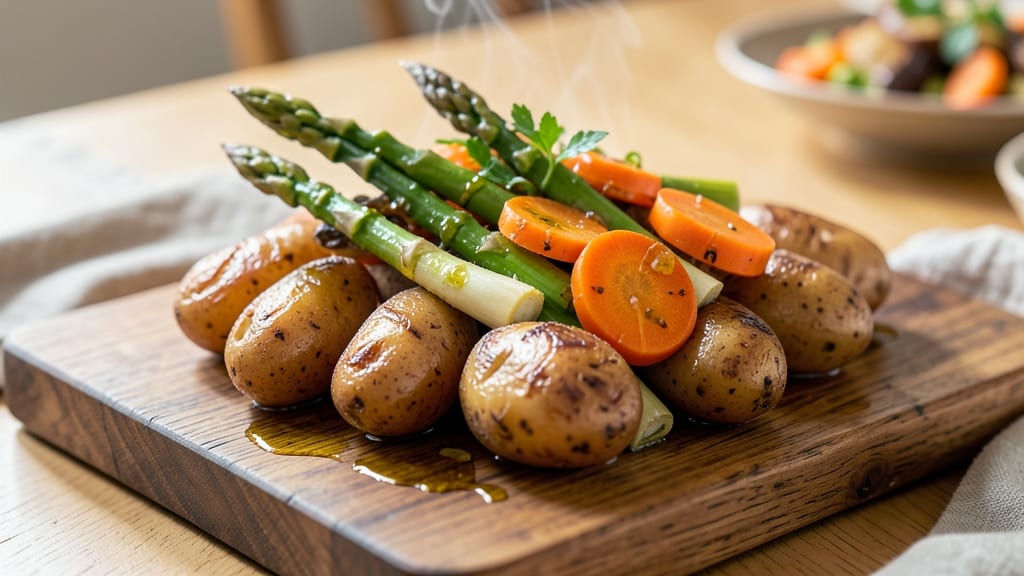
This one-pan roasted asparagus carrot potato recipe transforms simple vegetables into a restaurant-worthy side dish with minimal effort. 🔥 The secret lies in high-heat roasting, which creates caramelized edges on tender potatoes, crisp-tender asparagus, and perfectly softened carrots—all while developing deep, savory flavors from a simple seasoning blend.
What makes this recipe truly impressive is its versatility and simplicity. You’ll only need three core vegetables, a few pantry staples, and one sheet pan to achieve a dish that’s hearty enough to stand alone or elegant enough to complement any main course.
The key technique—tossing everything in olive oil and roasting until golden—ensures maximum flavor with minimal hands-on time.
By the end, you’ll have a vibrant, texturally rich dish where each component shines: crispy potato edges, tender asparagus spears, and caramelized carrots that balance sweetness and earthiness.
The aroma alone will have everyone at the table asking for seconds, and the best part? It’s ready in under 40 minutes with almost no cleanup.
This recipe works equally well as a standalone vegetarian meal or a side for grilled meats, fish, or poultry. The flavors are balanced enough to satisfy any palate, making it perfect for weeknight dinners, potlucks, or even meal prep. Let’s get started!
Ingredients for asparagus carrot potato
High-quality vegetables meet bold seasonings in this restaurant-worthy one-pan roasted trio.
| Ingredient | Amount | Notes |
|---|---|---|
| Baby Potatoes 🥔 | 1 ½ lb | Halved for even cooking |
| Asparagus Spears 🌿 | 1 lb | Trimmed, woody ends removed |
| Carrots 🥕 | 1 lb | Baby or regular, sliced diagonally |
| Extra-Virgin Olive Oil 🫒 | ⅓ cup | High-quality, fruity variety |
| Kosher Salt 🧂 | 1 ½ tsp | Diamond Crystal preferred |
| Freshly Ground Black Pepper 🌶️ | 1 tsp | Freshly cracked for brightness |
| Garlic Cloves 🧄 | 4 cloves | Minced for aromatic depth |
| Fresh Thyme Leaves 🌿 | ¼ cup | Or 1 tsp dried thyme |
| Smoked Paprika 🌶️ | ½ tsp | For subtle smokiness |
| Balsamic Vinegar 🍷 | 1 tbsp | For finishing brightness |
| Crumbled Feta Cheese 🧀 | ¼ cup | Optional, for tangy contrast |
The vegetables form the foundation of this dish, so prioritize freshness and quality. Baby potatoes should be firm and uniform in size for even cooking—Yukon Golds develop the best caramelized edges. Asparagus spears should be bright green with tightly closed tips, indicating freshness. Whole Foods or local farmers markets are ideal for sourcing these ingredients at peak quality. For carrots, organic baby carrots or heirloom varieties add natural sweetness. Trim asparagus ends just below the natural break point for maximum tenderness. The key to even roasting is cutting all vegetables to similar sizes—halve potatoes, slice carrots diagonally, and leave asparagus spears whole for uniform cooking.
No fresh thyme? Dried thyme works at one-third the amount, but fresh delivers superior aroma. Swap smoked paprika for regular paprika if unavailable, though you'll lose that subtle smokiness. For a dairy-free version, omit the feta and add toasted pine nuts or walnuts for crunch. Balsamic vinegar can be substituted with red wine vinegar or lemon juice, though balsamic's depth is preferred. If you're short on time, pre-cut frozen asparagus works in a pinch—just thaw and pat dry before roasting. For extra richness, add a splash of vegetable broth to the pan before roasting, but avoid overcrowding the sheet pan to ensure proper browning.
Freshly roasted vegetables hold their texture best when served immediately, but they reheat beautifully. Store leftovers in an airtight container in the refrigerator for up to 4 days, though flavor peaks within the first two days. For meal prep, portion into individual containers—glass containers with tight lids preserve texture best. To reheat, spread the vegetables on a baking sheet and warm at 375°F for 8-10 minutes until heated through. Freezing isn't recommended due to texture changes, but the roasted vegetables make excellent cold salads when chopped and dressed with a vinaigrette. The dish also freezes well when assembled with the balsamic glaze, making it perfect for batch cooking.
Why You'll Love This Recipe
- One-Pan Magic: I swear by this recipe when I’m too tired to scrub pots—just toss everything on a sheet pan, drizzle with olive oil, and let the oven do the work. The baby potatoes stay fluffy, the carrots caramelize just enough, and the asparagus gets that perfect crisp-tender bite without a single extra dish.
- Earthy Sweet Crunch: Honestly, the combo of roasted carrots and asparagus is next-level—naturally sweet with that satisfying bite, while the potatoes add a buttery, salty balance. It’s the kind of dish where every bite makes you pause mid-chew, and I’ll admit, I’ve been known to eat it straight off the pan.
- Meal Prep MVP: Between us, this is my go-to for lunches all week. The flavors only get better as it sits, and it reheats like a dream—just toss it back in the oven for 10 minutes. My daughter even sneaks bites from the fridge, and she’s picky.
- Budget-Friendly Gem: Baby potatoes and seasonal carrots are cheap, and asparagus stretches further than you’d think when roasted this way. I’ve made this for $10 and fed four people, plus it’s one of those rare dishes where the ingredients shine without breaking the bank. (Yes, even on a Tuesday night.)
Step-by-step instructions for roasted asparagus, carrots, and potatoes
This method delivers perfectly charred edges and tender centers in one simple pan.
🔥 Step 1: Prep and Season the Vegetables
Preheat your oven to 425°F and position a rack in the middle position. This high heat is key for developing those beautiful charred edges while keeping the interiors tender.
Rinse the 1.5 lb baby potatoes and pat them completely dry with a clean kitchen towel. Halve them lengthwise—this ensures even cooking and maximizes surface area for browning. In a large bowl, toss the potato halves with 0.33 cup extra-virgin olive oil, 0.5 tsp smoked paprika, 0.75 tsp kosher salt, and 0.5 tsp freshly ground black pepper. The oil should coat them evenly without pooling.
In the same bowl, add the 1 lb asparagus spears (trimmed of woody ends) and 1 lb carrots (sliced diagonally into ½-inch thick pieces). Toss gently to distribute the seasoning evenly. Here's the thing—don't overcrowd the bowl. If needed, work in batches to ensure everything gets properly coated.
🍳 Step 2: Roast in a Single Hot Pan
Transfer the seasoned vegetables to a large, heavy oven-safe skillet with high sides—cast iron works perfectly for this. Arrange them in a single layer, leaving ½-inch gaps between pieces. This spacing is crucial for even browning and crispy edges.
Place the skillet in the preheated oven and roast for 20 minutes without stirring. Resist the urge to check early—this initial undisturbed roasting creates the foundation for those charred edges. After 20 minutes, rotate the pan and continue roasting for another 10-15 minutes until the edges are deep golden brown and slightly crispy.
I know it seems like a long time, but patience here prevents soggy vegetables. The potatoes should be tender when pierced with a fork, and the carrots should soften slightly but still hold their shape. The asparagus should be tender-crisp with slightly blistered edges.
🍳 Step 3: Add Aromatics and Finish Roasting
While the vegetables roast, prepare the aromatic elements. In a small bowl, combine the 4 minced garlic cloves, 0.25 cup fresh thyme leaves, and the remaining 0.75 tsp kosher salt and 0.5 tsp black pepper. This mixture will infuse the vegetables with deep, savory flavor.
After the initial roasting, remove the pan from the oven and sprinkle the garlic-thyme mixture evenly over the vegetables. Use a large spoon to gently toss everything together, being careful not to break the larger pieces. Return the pan to the oven and roast for an additional 5-8 minutes until everything is fragrant and the edges are deeply caramelized.
This is the moment that matters: the thyme releases its essential oils and the garlic begins to mellow, creating a complex flavor profile that elevates the simple vegetables. The pan should smell incredible at this point—like a Mediterranean market on a summer morning.
🥘 Step 4: Finish with Balsamic and Feta
Remove the pan from the oven and transfer the roasted vegetables to a serving platter. Drizzle with 1 tbsp balsamic vinegar and toss gently to coat. The acidity of the balsamic brightens the dish and cuts through the richness of the roasted vegetables.
Sprinkle with 0.25 cup crumbled feta cheese (if using) and toss again just until the cheese begins to melt slightly. The feta adds a tangy contrast that balances the sweetness of the carrots and earthiness of the potatoes. Serve immediately while the vegetables are still steaming hot and the edges are crisp.
This dish shines when served family-style straight from the pan. The charred edges, tender interiors, and aromatic thyme-garlic infusion make it a standout vegetarian main course that holds its own against any protein. Real talk: the leftovers reheat beautifully, though they won't be quite as crispy.
Pro Tips For Making Asparagus Carrot Potato
- CUT POTATOES IN EVEN HALVES: Baby potatoes vary in size, but slicing them in half lengthwise (not just chopping randomly) guarantees even cooking and a consistent bite. I learned this the hard way—uneven halves mean some turn mushy while others stay undercooked.
- PEEL CARROTS ONLY WHEN NECESSARY: Skip peeling thick-skinned carrots unless they’re truly dirty or fibrous—peeling removes flavor and nutrients. For this dish, a quick scrub and trimming the ends is enough. (Yes, even if it looks rustic.)
- ROAST POTATOES FIRST, THEN ADD VEGETABLES: Toss baby potatoes in oil and salt, then roast them alone at 425°F (220°C) for 15 minutes before adding asparagus and carrots. This jumpstarts their crispiness and prevents the softer veggies from turning to mush under the potatoes’ weight.
- SALT THE ASPARAGUS LIKE PASTA: Toss asparagus spears in a pinch of kosher salt before roasting—it keeps them tender without wilting. (I was skeptical until I tried it; now it’s non-negotiable.)
Troubleshooting your asparagus carrot potato
Uneven Cooking Fix
If your vegetables cook at different rates, the key is proper prep. Cut all potatoes to similar sizes—halve them lengthwise for consistency. Slice carrots diagonally into ½-inch thick pieces and leave asparagus spears whole.
This ensures even surface area for heat exposure. Overcrowding the pan traps steam, leading to soggy edges—space them with ½-inch gaps for crispy results. 🌡️
Soggy Vegetables
Soggy vegetables happen when moisture builds up in the pan. Always pat vegetables completely dry before roasting—excess moisture creates steam instead of crispy edges. If your pan lacks high sides, use a rimmed baking sheet instead.
For extra insurance, spread vegetables in a single layer and avoid stacking. A cast iron skillet distributes heat evenly, preventing soggy spots.
Underseasoned Flavor
If your roasted vegetables taste bland, boost flavor with these tweaks. Add 1 tsp garlic powder or ½ tsp onion powder> to the initial seasoning. For depth, sprinkle 1 tbsp lemon zest> over the vegetables before roasting.
The balsamic vinegar finishing touch is crucial—don't skip it! For extra umami, add ½ tsp soy sauce> to the olive oil when tossing the vegetables.
Overly Dry Potatoes
Dry potatoes often result from over-roasting or insufficient moisture. Reduce oven time by 2-3 minutes> and check for doneness at 35 minutes> total. For extra moisture, add 2 tbsp vegetable broth> to the pan before roasting.
Wrapping potatoes in foil for the first 15 minutes> helps retain moisture while they soften, then uncover for final browning.
Asparagus Too Tough
Tough asparagus spears usually mean they weren't cooked long enough. Increase roasting time by 5 minutes> and check tenderness by piercing with a fork. For extra tenderness, trim the woody ends ¼-inch shorter> than usual.
A quick blanch in boiling water for 2 minutes> before roasting also helps soften fibrous spears. The goal is tender-crisp, not mushy.
Carrots Too Hard
Hard carrots often result from uneven slicing or insufficient time. Cut carrots into ½-inch thick> pieces for even cooking. If using larger carrots, slice them into ¼-inch thick> rounds. Increase roasting time by 5-8 minutes> and check doneness—they should be tender but still hold their shape.
For extra sweetness, add ½ tsp brown sugar> to the olive oil before tossing.
Nutrition facts
Frequently asked questions
Can I use regular potatoes instead of baby potatoes?
Yes, but you'll need to cut them into 1-inch cubes for even cooking. Regular potatoes take slightly longer to roast, so increase the total time by 5-8 minutes and check for doneness at 35-40 minutes. The key is ensuring all pieces are similar in size for consistent browning and tenderness.
How do I make this dish ahead of time?
Roast the vegetables as directed, then store them in an airtight container in the refrigerator for up to 4 days. For best texture, reheat on a baking sheet at 375°F for 8-10 minutes until warmed through. The crispy edges will soften slightly, but the flavor remains delicious. You can also serve them cold as a hearty salad!
What's the best way to store leftovers?
Transfer leftovers to a glass airtight container to preserve texture. They'll keep in the fridge for 4 days, though flavor peaks within the first 2 days. For longer storage, freeze the roasted vegetables (without the balsamic) for up to 3 months. Thaw overnight in the fridge before reheating.
Can I make this dish in the air fryer?
Preheat your air fryer to 400°F and arrange the vegetables in a single layer with ½-inch gaps between pieces. Cook for 12-15 minutes, shaking the basket every 5 minutes for even browning. The air fryer delivers similar crispy edges in less time than the oven.
What if I don't have fresh thyme?
Use 1 teaspoon dried thyme instead, but reduce the amount by one-third. For extra flavor, add ½ teaspoon dried rosemary or 1 teaspoon lemon zest as a substitute. The dish will still taste amazing—just slightly different in aroma and depth.