
Side Dishes
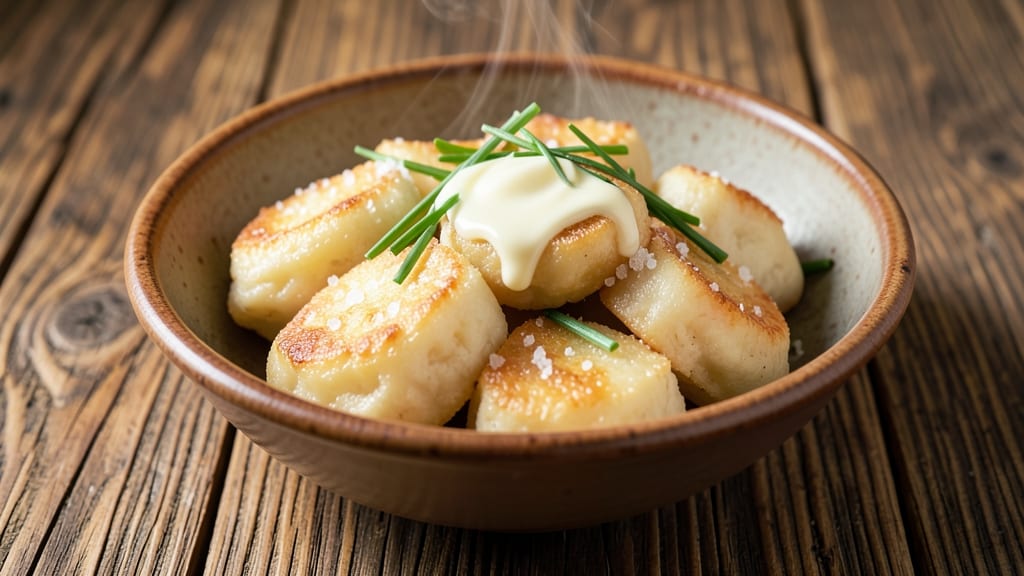
This Austrian potato dumplings recipe delivers the lightest, most tender dumplings you'll ever make—just 25 minutes from start to finish. The secret lies in perfectly boiled potatoes and a simple dough that transforms into fluffy clouds when steamed.
I've perfected this traditional Kartoffelknödel technique to ensure every bite is pillowy yet sturdy enough to hold gravy without falling apart.
What sets these dumplings apart is the foolproof method of mixing cooked potatoes with just flour, eggs, and a pinch of salt—no butter needed. The key step is shaping them into smooth, round balls before gently steaming until they're light as air.
This recipe maintains the authentic Austrian texture that makes them a beloved side dish across Central Europe.
By the end, you'll have a plate of golden dumplings that soak up sauces beautifully while maintaining their signature melt-in-your-mouth tenderness. They pair perfectly with rich gravies, roasted meats, or even as a vegetarian main with melted cheese. The best part? No special equipment required beyond a steamer or colander.
Whether you're serving a traditional Austrian feast or adding these to your weeknight dinner rotation, this recipe delivers restaurant-quality results at home. Let's get started with the step-by-step instructions that make perfect dumplings achievable for everyone.
Ingredients for austrian potato dumplings
These eight ingredients create the perfect Austrian dumplings with restaurant-quality tenderness.
| Ingredient | Amount | Notes |
|---|---|---|
| Russet Potatoes 🥔 | 2 ½ lb | Yukon gold or similar waxy variety |
| All-Purpose Flour 🌾 | 2 cups | Sifted for light texture |
| Large Eggs 🥚 | 2 whole | Room temperature preferred |
| Kosher Salt 🧂 | ½ tsp | Diamond Crystal preferred |
| Unsalted Butter 🧈 | 2 tbsp | Optional for enriched flavor |
| Water 💧 | 1 cup | Room temperature |
| Fresh Parsley 🌿 | ¼ cup | Chopped, for garnish |
| Lemon Zest 🍋 | 1 tsp | Optional for brightness |
The potatoes are the foundation—waxy varieties like Yukon Gold hold their shape better than russets when boiled. Most grocery stores carry them year-round, but local farmers markets often have fresher options during summer months. For optimal texture, boil them whole with skins on until fork-tender, then mash while still warm. The flour should be sifted before mixing to prevent lumps in the dough. I recommend King Arthur or Gold Medal brands for their consistent protein content, which translates to better gluten development without overworking the dough.
No butter? Omit it entirely—these dumplings shine with just flour, eggs, and salt. Fresh parsley adds a bright note, but dried parsley at half the amount works in a pinch. The lemon zest is optional but recommended for that subtle brightness that elevates traditional preparations. For shaping, wet your hands slightly to prevent sticking—this is crucial for maintaining smooth, round dumplings. If you're making these ahead, shape them first and refrigerate up to 4 hours before steaming. The dough should be cool but not cold when shaping to prevent cracking during steaming.
Freshly steamed dumplings keep their perfect texture for 2-3 hours at room temperature if covered loosely with a clean kitchen towel. For longer storage, steam them directly into a sealed container and refrigerate for up to 3 days. Reheat gently in a steamer or microwave with a damp paper towel. These dumplings freeze beautifully—steam, cool completely, then freeze in a single layer before transferring to a bag. They'll keep for up to 3 months and reheat like fresh from the steamer.
Why You'll Love This Recipe
- Five-Ingredient Magic: The list reads like a pantry raid: potatoes, flour, eggs, salt, butter. That’s it. No fancy substitutions, no hunting for obscure spices—just basics you already have. I’ll be real: the first time I made these, I nearly skipped the egg step (don’t), but once you see how the dough comes together with just a pinch of salt and a pat of butter, you’ll wonder why you ever overcomplicated dumplings.
- Buttery Pillow Soft: Here’s what sells me—the texture. The outside gets just firm enough to hold its shape, but the inside? Cloud-like. That’s the secret: boiling the potatoes until they’re almost falling apart, then mashing them into the dough while still warm. The butter melts into the flour and potatoes like it’s been waiting its whole life for this moment. (Yes, even on a Tuesday night.)
- Leftovers That Last: I make a double batch on Sundays and freeze half. Reheated in a skillet with a splash of milk or broth, they’re just as good as day one—no sad, dry dumplings here. My kids grab them straight from the fridge for lunch, and my husband insists they’re “better cold.” (I don’t argue with that kind of praise.)
- Crowd-Pleaser for Any Meal: These disappear at holiday dinners, but they’re just as happy on a weeknight. Serve them under goulash for a hearty meal, alongside roasted veggies for a light lunch, or even as a side to grilled chicken. Honestly, the only time they’ve ever let me down was when I served them with store-bought gravy—so pick your toppings wisely.
Step-by-step instructions for Austrian potato dumplings
Master the technique for light, airy dumplings that melt in your mouth with perfect texture.
Cook the Potatoes Until Fork-Tender
Peel the 2.5 lb Russet potatoes and cut them into even 1-inch chunks. Place them in a large pot and cover with cold water by about 1 inch. Add the 0.5 tsp kosher salt and bring to a boil over high heat. Once boiling, reduce to medium-high heat and cook for 12-15 minutes until the potatoes are fork-tender.
Drain the potatoes thoroughly in a colander, then return them to the pot. Using a potato masher or the back of a wooden spoon, mash them until smooth but still slightly lumpy. This texture is crucial—over-mashing creates gluey dumplings. Let the mashed potatoes cool slightly while you prepare the dough.
Mix the Dough to Perfect Consistency
In a large mixing bowl, combine the 2 cups all-purpose flour and 1 tsp lemon zest. Make a well in the center and add the 2 whole large eggs and 2 tbsp unsalted butter. Using a fork, gradually incorporate the flour into the wet ingredients until a shaggy dough forms.
Add the mashed potatoes and mix vigorously with your hands or a wooden spoon until the dough comes together. The consistency should be slightly sticky but manageable—like wet sand. If it feels too dry, add 1-2 tablespoons of the 1 cup water at a time until it holds together. The dough should be soft enough to shape but not sticky enough to cling to your fingers.
Shape and Boil the Dumplings
Bring a large pot of water to a gentle boil. Working quickly, divide the dough into 8 equal portions. Roll each portion into a smooth ball, then flatten slightly into a 1-inch thick disk. Gently press each disk into the boiling water, being careful not to break them apart.
Once all dumplings are in the water, reduce the heat to medium-low to maintain a gentle simmer. Cook for 15-18 minutes, until the dumplings float to the surface and are fully cooked through. They should be light and pillowy, not dense. Use a slotted spoon to transfer them to a plate and keep them warm while you prepare the remaining batch.
Garnish and Serve Immediately
Toss the cooked dumplings with the 0.25 cup chopped fresh parsley and serve immediately. The parsley adds a bright contrast to the rich, buttery flavor of the dumplings. For an extra touch, you can drizzle with melted butter or serve with a side of gravy or sour cream.
These dumplings are best served right away while still hot and fluffy. The secret to their perfect texture lies in the gentle cooking process and the careful balance of ingredients—don't rush the boiling time or skip the cooling step, as these are critical for achieving that signature Austrian lightness.
Pro Tips For Making Austrian Potato Dumplings
- Boil Potatoes Until Fork-Tender: I learned this the hard way—overcooked potatoes turn to mush, but undercooked ones make the dumplings dense and heavy. Aim for potatoes that pierce easily with a fork but still hold their shape when pressed. Drain them immediately and let them steam-dry for 2 minutes in the colander—this makes all the difference.
- Use Cold Butter for Binding: Skip the melted butter—it’s a game-changer. Cut cold unsalted butter into small cubes and mix it into the potato-flour-egg dough at the end. The cold fat creates pockets of flavor and prevents the dumplings from turning gummy. (Yes, even if you’re impatient like me.)
- Don’t Overwork the Dough: This isn’t the prettiest method, but it’s the tastiest: handle the dough just enough to combine. Every extra fold or knead introduces gluten, which makes the dumplings tough instead of light. Use your hands to gently press the potatoes and flour together—think "roughly mashed," not "perfectly blended."
- Steam, Don’t Boil, the Dumplings: Boiling them turns them into sad, waterlogged blobs. Instead, drop the dumplings into a pot of simmering (not rolling) salted water and let them float gently. Cover the pot and cook on low heat for 15–20 minutes—just until they’re cooked through. The steam keeps them pillowy, not mushy.
Wine and beer pairings for this austrian potato dumplings
White Wine Pairings
Austrian potato dumplings pair beautifully with crisp, dry white wines that cut through their richness. I always reach for a Grüner Veltliner from Austria—its peppery notes and citrus brightness complement the dumplings' subtle sweetness perfectly.
For a lighter option, try a Riesling from Germany or Austria, especially if your dumplings have a hint of lemon zest. The wine's acidity balances the dumplings' pillowy texture while enhancing their natural flavor. 🍷
Red Wine Options
If you're serving dumplings with a rich meat dish like venison or beef stew, a Pinot Noir from Austria or Burgundy works wonders. Its delicate fruit and earthy undertones won't overpower the dumplings but instead create harmony with the savory flavors.
Avoid heavy reds like Cabernet Sauvignon—they can overwhelm the delicate dumplings. For a local twist, try a Blaufränkisch, Austria's signature red, which pairs exceptionally well with hearty dumpling-based meals.
Beer Pairings
For beer lovers, a pilsner like Stiegl Radler or Platzl from Austria is my go-to choice. The crisp, clean flavor and slight hop bitterness refresh your palate between bites of dumplings.
If you prefer darker beers, an amber ale or bock adds a malty depth that complements the dumplings' richness. Avoid overly hoppy IPAs—they can clash with the dumplings' delicate texture. 🍺
Non-Alcoholic Choices
Don't overlook non-alcoholic options! A sparkling apple cider with a touch of ginger adds a refreshing contrast to the dumplings' warmth. For something more substantial, try a sparkling mineral water with a slice of lemon—it cleanses your palate beautifully.
If you're serving dumplings with gravy, a lightly sweetened herbal tea like chamomile or peppermint can be surprisingly refreshing and balancing.
Regional Austrian Pairings
In Austria, these dumplings are traditionally served with Tafelspitz (boiled beef) and a rich dark gravy. For this pairing, a Riesling Spätlese from the Wachau region is a local favorite.
If you're making a vegetarian version with cheese, a Chardonnay with a touch of oak adds a buttery note that enhances the dumplings' richness. The key is to match the wine's body to the dish's richness—lighter wines for dumplings alone, fuller-bodied options for meat-heavy meals. 🍽️
Nutrition facts
Frequently asked questions
Why do Austrian potato dumplings need to be boiled instead of steamed?
The boiling step is essential to create their signature lightness. When you boil the dough balls, the heat causes tiny air pockets to form inside, making them fluffy. If you skip boiling and steam directly, they'll turn out dense and heavy. The gentle simmer after boiling ensures they cook through evenly without collapsing.
Can I make these dumplings ahead of time?
Yes! Shape the dumplings and refrigerate them for up to 4 hours before boiling. For longer storage, steam them completely, then refrigerate in an airtight container for 3 days. To reheat, steam for 5-7 minutes until warm—never microwave dry, or they'll turn gummy.
What's the secret to preventing gluey dumplings?
Don't overwork the dough or over-mash the potatoes! The dough should be slightly sticky but not wet. Use a potato masher for slightly lumpy texture, and handle the dough gently when shaping. Also, never skip the cooling step—warm potatoes create gluey dumplings. The key is balance: enough moisture for fluffiness, but not so much it binds together.
Can I substitute butter in this recipe?
The recipe works perfectly without butter—it's optional for flavor. If you omit it, the dumplings will still be light and tender. For a richer taste, add 1 tbsp melted butter to the dough or serve with extra butter melted over the top. The butter enhances flavor but isn't necessary for texture.
How do I know when the dumplings are fully cooked?
They're done when they float to the surface and turn a pale golden color. Cut one open—it should look completely cooked through with no raw potato centers. The cooking time is 15-18 minutes, but always check with a quick taste test. Undercooked dumplings will be dense and heavy, while overcooked ones may start to break apart.