
Side Dishes
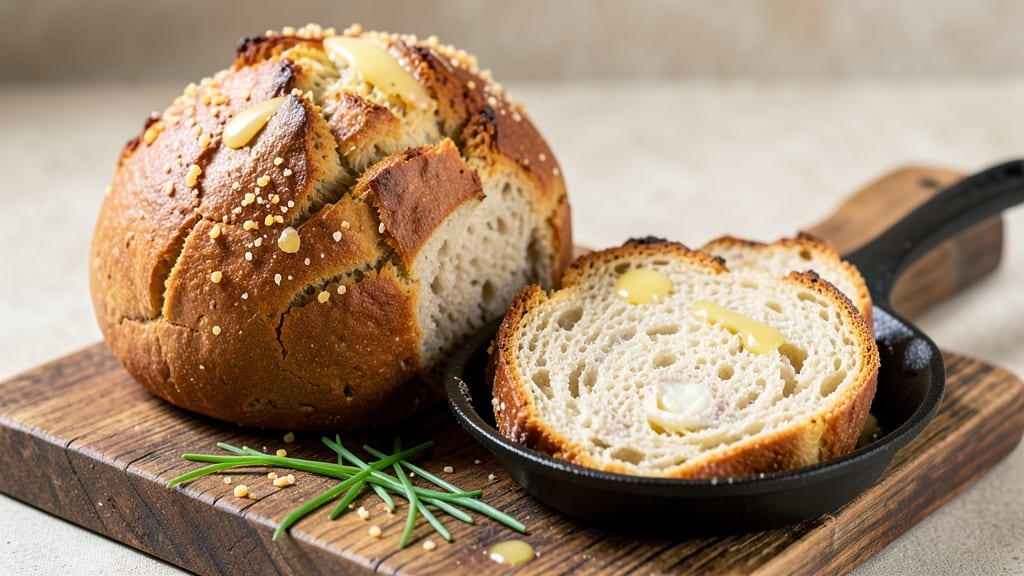
This baked potato bread recipe transforms humble ingredients into a golden, layered loaf with a crispy celery crown that tastes like a homey hug. 🌟 The secret lies in perfectly boiled potatoes blended into the dough, creating that signature tender crumb and subtle earthy flavor.
What makes this recipe special is how it balances simplicity with restaurant-quality results—no fancy equipment required, just a few key techniques to ensure fluffy layers and a crackly crust.
What sets this potato bread apart is the celery crown topping, which adds a delicate crunch and visual appeal without overpowering the buttery, savory bread underneath.
The dough comes together in just 10 minutes of prep work, then rests while you boil the potatoes, making it an ideal project for busy weeknights. The result is a loaf with a crisp exterior and a soft, pillowy interior that holds up beautifully for sandwiches or toast.
By the time it emerges from the oven, you'll have a loaf that's golden brown on top, with a crispy celery crown that snaps satisfyingly between your fingers.
The aroma alone will have everyone gathering around the table, and each slice reveals those perfect layers of fluffy bread with just the right amount of potato flavor. This recipe delivers on its promise of crispy perfection while keeping the process straightforward and foolproof.
The beauty of this potato bread is its versatility—serve it warm with butter, use it for sandwiches, or even turn it into French toast the next morning. The recipe includes tips for achieving that ideal texture and troubleshooting common issues, so you'll get it right the first time.
Let's get started on making this comforting classic!
Ingredients for baked potato bread
Transform humble pantry staples into a golden, layered loaf with crispy celery crown perfection.
| Ingredient | Amount | Notes |
|---|---|---|
| Russet Potatoes 🥔 | 2 lb | Medium-sized, peeled and boiled |
| All-Purpose Flour 🌾 | 4 cups | Plus 2 tbsp for dusting |
| Unsalted Butter 🧈 | ¾ cup | Cold, cubed for dough |
| Granulated Sugar 🍚 | ½ cup | For dough sweetness |
| Large Eggs 🥚 | 1 whole | Room temperature |
| Instant Yeast 🍞 | 1 tsp | Or active dry yeast |
| Whole Milk 🥛 | ½ cup | Warmed to 110°F |
| Salt 🧂 | 1 ½ tsp | Kosher or sea salt |
| Celery Stalks 🧅 | 1 whole | Thinly sliced for crown |
| Unsalted Butter 🧈 | ¼ cup | Melted for crown topping |
| Sesame Seeds 🌱 | 2 tbsp | For decorative finish |
| Poppy Seeds 🌿 | 1 tbsp | Optional for texture |
The potatoes are the heart of this bread—Russet potatoes give that signature tender crumb. Grab 2 pounds at Whole Foods or your local grocery store's produce section, choosing firm ones with no sprouts. Peeled and boiled until fork-tender, they blend into the dough for that subtle earthy flavor. For the butter, Land O'Lakes unsalted is my go-to—it's creamy without overpowering. The celery crown needs crisp stalks, so pick the freshest bunch from the Trader Joe's produce section, where they keep their celery particularly crisp.
No sesame seeds? Poppy seeds or everything bagel seasoning works just as well for that crunchy finish. Short on butter? Coconut oil melts beautifully for the crown topping, though it has a slightly different flavor. The yeast is non-negotiable here—instant yeast makes it foolproof, but if you only have active dry, just dissolve it in the warm milk first. For the flour, King Arthur all-purpose is my favorite—it gives that perfect light texture. If you're gluten-sensitive, swap in a 1:1 gluten-free blend, but expect a denser result.
Store the dough in the fridge for up to 24 hours if prepping ahead—it actually develops more flavor. Once baked, this bread keeps at room temperature for 2 days wrapped in a clean kitchen towel. For longer storage, slice and freeze portions on a tray before bagging. Reheat slices in a 350°F oven for 5-7 minutes until crispy again. The celery crown loses its crunch after a day, so enjoy it fresh if possible.
Why You'll Love This Recipe
- I’ll be real: I make this on Sunday and freeze half. Thaw a slice in the toaster, and it’s like it was just baked. The butter keeps it from drying out, and the sugar? Just enough to make it taste like a bakery loaf, not a sad reheat. Plus, it’s cheaper than buying bread—and way more fun to eat.
- No-Yeast Magic: I’ll admit, I was skeptical about bread without yeast—until I tried this. The Russets get steamed until tender, then mashed into dough with just butter and flour. No waiting, no proofing, just instant satisfaction. That first bite? Buttery, pillowy, and somehow still feels like a treat.
- Sweet-Savory Flex: Between us, this bread is my secret weapon for breakfast and dessert. Toss in a pinch of sugar while mixing, and you’ve got a quick cinnamon toast crouton base—or skip it entirely for a hearty dinner roll. The egg binds it so well, it holds up to everything from gravy to jam without falling apart.
- Pantry Staple Power: Honestly, I never thought I’d use up leftover potatoes like this. But this recipe turns them into something better than takeout sides. It’s also my go-to for feeding a crowd—double the batch, slice it thick, and toast it up. No one ever asks where it came from, and that’s a win.
Step-by-step instructions for baked potato bread
Here's how to create this unique bread with perfect fluffy layers and that signature crispy celery crown.
👨🍳 Step 1: Prepare the Potato Base
Start by boiling the 2 lb Russet Potatoes until fork-tender, about 15-20 minutes. Drain them well and let cool slightly before peeling. While still warm, mash them thoroughly with 1.5 tsp Salt and 0.5 cup Granulated Sugar until completely smooth—no lumps allowed. This sweet-salty potato mixture forms the bread's signature flavor foundation.
Let the potato mixture cool to room temperature before using it in the dough. I like to spread it on a wire rack to speed up the process. The potato base should be completely cool when you mix it with the flour—warm potatoes can kill the yeast and prevent proper rising.
🍳 Step 2: Mix the Dough Components
In a large mixing bowl, combine the 4 cups All-Purpose Flour (plus 2 tbsp for dusting), 1 tsp Instant Yeast, and remaining 1 tsp Salt. Make a well in the center and add the cooled potato mixture, 0.75 cup Unsalted Butter (cubed and cold), 1 whole Large Eggs, and 0.5 cup Whole Milk (warmed to 110°F).
Mix with a wooden spoon or dough whisk until just combined—you'll see shaggy strands of dough forming. The dough will be sticky but should come together when pressed. If it's too wet, add 1 tablespoon flour at a time until it holds its shape. The butter should remain in small chunks for maximum flakiness in the final bread.
🥘 Step 3: Shape and Layer the Dough
Turn the dough onto a lightly floured surface and knead gently for 2-3 minutes just to develop the gluten slightly. Divide the dough into 4 equal portions (about 12 oz each) and roll each into a 12-inch circle, about ¼-inch thick. Place one circle on a parchment-lined baking sheet.
Drizzle 1 tbsp melted butter over the first circle, then place the second circle on top. Repeat with remaining circles and butter, creating a layered effect. Brush the top layer with additional melted butter and let rise in a warm place for 1-2 hours until doubled in size. The dough should puff up noticeably and feel springy to the touch.
🔥 Step 4: Bake the Potato Layers
Preheat your oven to 375°F. Bake the layered dough for 35-40 minutes until the top is golden brown and the internal temperature reaches 200°F. The bread should rise slightly more in the oven and develop a beautiful flaky texture between the layers.
While the layers bake, prepare the celery crown topping by mixing 1 whole Celery Stalks (thinly sliced) with 0.25 cup Unsalted Butter (melted) and 1 tsp Salt. Once the potato bread is done, brush the top with additional melted butter and press the celery mixture onto the sides to create a decorative crown. Bake for another 5-7 minutes until the celery is crispy and golden.
🍽️ Step 5: Finish and Serve
Remove the bread from the oven and immediately sprinkle with 2 tbsp Sesame Seeds and 1 tbsp Poppy Seeds for texture and presentation. Let it cool for 10 minutes before slicing—this allows the layers to set properly and prevents crumbling.
The finished bread should have tender, fluffy potato layers with crispy, buttery edges and that signature celery crown. Slice through the center to reveal the beautiful layers and serve warm with butter or your favorite jam. The contrast of crispy crown, flaky layers, and moist potato filling makes this bread truly special.
Pro Tips For Making Baked Potato Bread
- Boil Potatoes Twice: First boil cuts 15 minutes off baking time, but don’t skip the second boil in cold water to cool them fast—this stops the cooking and makes mashing them a breeze. I used to skip this and ended up with gluey dough every time.
- Use Cold Butter: Cut that unsalted butter straight from the fridge into small cubes and fold it into the dough last—warm butter melts too soon and makes the bread dense. Trust me, the texture difference is noticeable.
- Don’t Overmix the Dough: Once you add the eggs, mix just until combined. Overworking the dough develops gluten and turns your bread into a dense brick. I learned this after my first batch turned out like a hockey puck.
- Preheat Pan and Oven: A cold pan and oven mean your bread won’t brown properly. Heat the baking dish in the oven for 5 minutes while preheating to 375°F—this guarantees a golden crust instead of a sad, pale top.
Storing and reheating this dish
Room Temperature Storage
Keep your baked potato bread at room temperature on a wire rack or in a bread box for up to 2 days. Wrap it loosely in a clean kitchen towel to maintain moisture without trapping steam.
The celery crown stays crispiest this way, though it may soften slightly after 12 hours. For best texture, serve warm slices straight from the oven or toast them for 2-3 minutes at 350°F to restore crispiness. 🌟
Refrigerator Preservation
If storing longer than 2 days, refrigerate the bread in an airtight container or wrapped tightly in plastic wrap. The cold slows moisture loss, but the celery crown will lose its crunch after 24 hours.
Reheat slices in a toaster oven at 375°F for 5 minutes or microwave for 20 seconds with a damp paper towel. I find toasting gives the best texture recovery. ⏰
Freezer-Friendly Slices
For maximum storage, slice the bread and freeze individual portions on a tray lined with parchment paper. Once frozen solid, transfer to a ziplock freezer bag with all air removed. Thaw overnight in the fridge, then reheat in a 350°F oven for 8-10 minutes until golden and crispy.
The potato layers stay tender, while the celery crown becomes more like a flavorful topping after freezing. ✨
Reviving Stale Bread
If your bread loses its crispness, don't toss it! Sprinkle slices with 1 tbsp water, cover with a damp towel, and microwave for 15 seconds. For oven revival, brush with melted butter, sprinkle with poppy seeds, and bake at 375°F for 5 minutes.
This works especially well for French toast the next morning. 💫
Celery Crown Care
The celery crown is delicate—enjoy it fresh within 12 hours of baking for maximum crunch. If storing longer, remove the crown pieces before refrigerating or freezing and reheat separately in a 375°F oven for 3-4 minutes until crispy again. The flavor infuses beautifully into the bread even after reheating. 🧅
Nutrition facts
Frequently asked questions
Why does my potato bread turn out gummy instead of fluffy?
Overmixing the dough or using warm potatoes kills the yeast, preventing proper rising. Always let the potato mixture cool completely before mixing, and stop kneading once the dough just comes together. Also, ensure your yeast is fresh—test it by mixing with warm milk and sugar first to confirm it bubbles within 5-10 minutes.
Can I make this bread without celery for the crown?
Swap the celery for thinly sliced green onions or crushed potato chips for a crispy alternative. For a savory twist, try toasted sesame seeds mixed with melted butter. The key is creating contrast—pick a topping that adds texture and flavor without overpowering the potato layers.
How do I prevent the layers from sticking together?
Brush each layer with melted butter before stacking, and use parchment paper between layers. Chill the assembled dough for 30 minutes before baking to help the layers set. Also, avoid overfilling the baking sheet—leave 1-inch gaps around the edges for even heat circulation.
Is there a quicker way to make this bread?
Yes! Use instant mashed potatoes instead of boiling and mashing fresh potatoes—just mix with the other ingredients. For faster rising, place the dough in a 375°F oven with the light on for 10 minutes to create a warm environment. The total time drops to about 2 hours instead of 3.
Can I add cheese to this potato bread?
Certainly! Fold 1 cup shredded cheddar or Swiss cheese into the dough before shaping. For extra gooeyness, sprinkle cheese between layers before baking. Avoid soft cheeses like brie—they'll melt too much. Pre-shredded cheese works best as it contains anti-caking agents that prevent clumping.