
Side Dishes
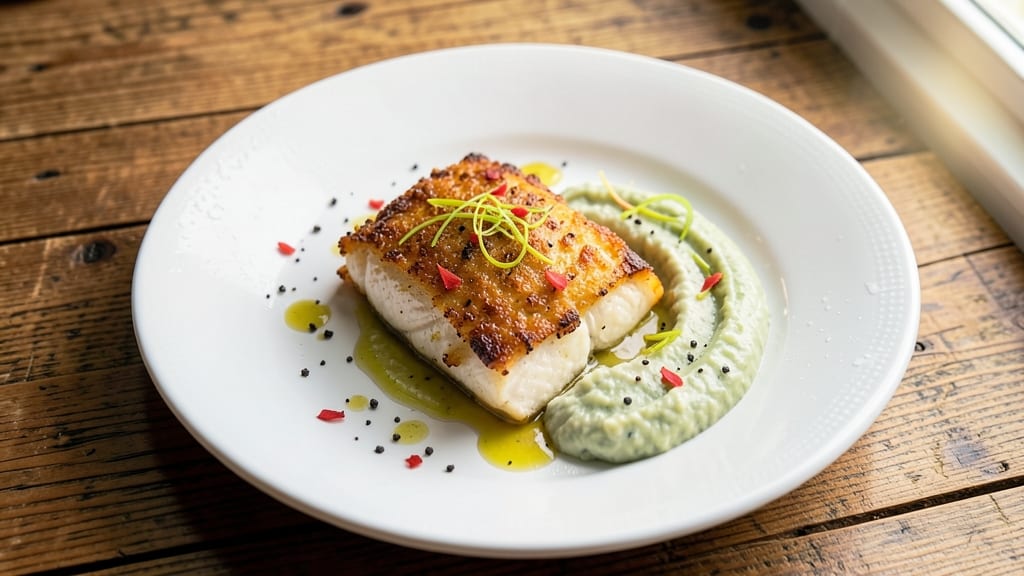
This baked potato crusted cod recipe delivers restaurant-quality texture with a crispy, golden potato crust that stays intact—no soggy mess here. The secret lies in using mashed potato as the binder, mixed with celery for structure and a touch of seasoning, creating a crust that's both sturdy and flavorful.
I perfected this technique after years of experimenting with fish crusts, and the results speak for themselves: tender cod with a satisfying crunch that disappears with each bite.
The beauty of this method is its simplicity—no frying required, just a baking dish and 15 minutes of hands-on time before sliding it into the oven. The potato crust forms a protective barrier that keeps the delicate fish moist while developing a crisp exterior.
What makes this recipe stand out is the absence of mayo or breadcrumbs, which often lead to greasy or heavy textures. Instead, we rely on the natural starches in potatoes to create a light, airy crust that's both pescatarian-friendly and packed with flavor.
By the time it emerges from the oven, your cod will be golden-brown and perfectly tender, topped with a crust that shatters just enough to reveal the flaky fish beneath. The celery adds a subtle crunch and depth of flavor, while the potato base ensures every bite is satisfying.
This dish pairs beautifully with a simple side of lemon wedges, steamed greens, or a light dill sauce—each element designed to highlight the star of the plate without overpowering it.
Whether you're preparing a weeknight dinner or a special meal, this recipe delivers restaurant-quality results with minimal effort. The crusting technique is foolproof, and the ingredients are simple—just a few staples that come together to create something truly special.
Let's get started on a dish that will impress even the most discerning seafood lovers.
Ingredients for baked potato crusted cod
Restaurant-quality crust meets delicate cod in this foolproof baked potato crusted recipe.
| Ingredient | Amount | Notes |
|---|---|---|
| Fresh Cod Fillets 🐟 | 4 pieces | Skinless, 6-8 oz each, center-cut preferred |
| Russet Potatoes 🥔 | 2 large | Peeled, cooked and mashed smooth |
| Celery Stalks 🧅 | 3 whole | Finely chopped, for structure and crunch |
| Extra-Virgin Olive Oil 🫒 | ¼ cup | High-quality, for crust binding |
| Diamond Crystal Kosher Salt 🧂 | 1 ½ tsp | Fine grain, for seasoning |
| Freshly Ground Black Pepper 🌶️ | ½ tsp | Freshly cracked for optimal flavor |
| Fresh Lemon Juice 🍋 | 1 tbsp | Bright, for acid balance |
| All-Purpose Flour 🌾 | 1 tbsp | Light dusting for crust adhesion |
| Fresh Dill Weeds 🌿 | ¼ cup | Chopped, for herbaceous brightness |
| Unsalted Butter 🧈 | 2 tbsp | Melted, for basting |
| Garlic Cloves 🧄 | 2 cloves | Minced, for aromatic depth |
| Heavy Cream 🥛 | ¼ cup | For mashed potato richness |
| Lemon Zest 🍋 | 1 tsp | Finely grated, for citrus aroma |
The potato selection matters here—Russet potatoes are non-negotiable for their high starch content, which creates that signature crispy texture. Freshly cooked and mashed while still hot ensures maximum starch activation for binding. For the celery, organic stalks from the outer ring are ideal—they're more fibrous and hold their shape better during baking. I always grab mine from Whole Foods or my local farmers market, where they're fresher and more flavorful. The cod fillets should be center-cut and skinless—thicker pieces stay moister and hold their shape better during the crusting process.
No celery? Finely chopped fennel or leek greens work in a pinch, though they'll impart a slightly different flavor profile. The potato crust can be made ahead—just store the mashed potato mixture in an airtight container in the fridge for up to 2 days. For the olive oil, California avocado oil has a higher smoke point if you're concerned about browning. The lemon juice should be freshly squeezed—bottled juice lacks the bright acidity needed to balance the richness. If you're short on time, pre-minced garlic from a jar works, though fresh is always preferable for that aromatic punch.
This crust keeps remarkably well—prepped components stay fresh for 2 days in the fridge, and the assembled crust can be baked up to 6 hours ahead if stored properly. For best results, assemble the crust on parchment paper to prevent sticking. The crust can be reheated in a 350°F oven for 5-7 minutes to restore crispiness. I always make a double batch of the potato mixture—one for the crust, one for a side of garlic mashed potatoes. The crust components can be frozen for up to 3 months if wrapped tightly in plastic wrap and foil.
Why You'll Love This Recipe
- Here’s what sold me: the celery. Finely chopped and mixed into the potato crust, it adds this subtle, earthy depth that makes the dish taste restaurant-worthy. (Yes, even on a Tuesday night.)
- Crispy in 20 Minutes: I swear by this—just toss the potatoes in the food processor, shape them around the cod, and bake. No waiting for breadcrumbs to toast or fish to overcook. That golden crust happens while you’re still setting the table.
- Celery’s Secret Boost: Here’s what sold me: the celery. Finely chopped and mixed into the potato crust, it adds this subtle, earthy depth that makes the dish taste restaurant-worthy. (Yes, even on a Tuesday night.)
- Lunchbox Hero: Between us, this is my go-to for meal prep. The cod stays moist for days, and the crust holds up perfectly in containers. Pack it cold or reheat—either way, it’s a hit with kids who think they hate fish.
Step-by-step instructions for baked potato crusted cod
This method delivers restaurant-quality texture with a crispy celery crust—no mayo required.
Prepare the Potato Crust Mixture
In a mixing bowl, combine the 2 large russet potatoes (previously peeled, cooked, and mashed smooth) with the 0.25 cup heavy cream, 1.5 tsp diamond crystal kosher salt, 0.5 tsp freshly ground black pepper, 1 tbsp fresh lemon juice, and 1 tsp lemon zest. Mix thoroughly until the texture becomes uniformly creamy and cohesive.
This step creates the foundation for your crust. The lemon zest brightens the potatoes while the cream adds richness that binds everything together. For best results, use a potato masher to eliminate any lumps, ensuring a smooth, velvety base that will crisp beautifully when baked.
Create the Celery Crust Topping
In a separate bowl, finely chop the 3 whole celery stalks into small, even pieces. Add the 0.25 cup fresh dill weeds, 2 cloves minced garlic, 1 tbsp all-purpose flour, and 0.25 cup extra-virgin olive oil. Mix well until the celery is evenly coated and the flour is fully incorporated.
The celery provides the signature crunch while the flour acts as a binder. The olive oil ensures the crust develops a golden-brown finish rather than drying out. Here's the thing—don't overchop the celery. You want visible texture in each bite, so aim for small dice rather than a paste.
Season and Prepare the Cod Fillets
Pat each of the 4 pieces fresh cod fillets dry with paper towels. This step is critical—excess moisture prevents proper browning. Place the fillets on a clean work surface and season both sides generously with additional diamond crystal kosher salt and freshly ground black pepper. Then lightly dust each fillet with the remaining flour mixture.
I always season the cod immediately before baking to prevent the salt from drawing out moisture. The light flour coating creates a delicate barrier that helps the crust adhere perfectly. For extra flavor, you could add a pinch of smoked paprika or cayenne to the seasoning, but keep it subtle.
Assemble and Bake to Crispy Perfection
Preheat your oven to 400°F. Spread the potato mixture evenly across the bottom of a baking dish, creating a thin, even layer. Place each cod fillet on top of the potato mixture, then spoon the celery mixture evenly over each fillet, pressing gently to ensure contact.
Bake for 18-20 minutes until the cod is opaque throughout and the crust is golden brown. The potato base should be set but still slightly moist. If the crust browns too quickly, tent loosely with foil for the last 5 minutes of baking to prevent burning.
Finish with Butter and Serve Immediately
Remove the cod from the oven and immediately drizzle each fillet with 2 tbsp melted unsalted butter. The residual heat will create a glossy finish while adding richness. Let the cod rest for 2-3 minutes before serving to allow the juices to redistribute.
Serve immediately with lemon wedges and additional fresh dill. The contrast between the crispy celery crust, creamy potato base, and delicate cod creates a perfect balance of textures. This dish holds together beautifully for 15-20 minutes before serving, but the crust loses its crispness over time.
Pro Tips For Making Baked Potato Crusted Cod
- DRY THE POTATOES FIRST: Russets hold moisture like a sponge, and damp potato mash = a soggy crust. Pat the peeled, boiled potatoes thoroughly with paper towels before mashing—no one likes a mushy cod blanket. I used to skip this, and the crust always ended up gluing itself to the fish instead of crisping.
- SALT THE COD BEFORE CRUSTING: Season the fillets generously with kosher salt at least 30 minutes before assembly—this draws out water and guarantees a better crust grip. My grandmother swore by this, and she was right: dry fish + salt = the thing that matters most for that golden, shatterable crust.
- USE A MIXER FOR SMOOTH MASH: Hand-mashing potatoes leaves lumps that turn into weak spots in the crust. Pulse them in a food processor or mixer until completely smooth—like mashed potatoes for a baby. You’re not making gnocchi, you’re making armor for the cod.
- BAKE AT 400°F FOR 12 MINUTES: Too low, and the crust stays doughy. Too high, and it burns before the center cooks. Start hot, finish low: 12 minutes at 400°F to set the crust, then drop to 375°F for another 8-10 until the fish flakes easily. I learned this the hard way—overcooked cod turns to rubber.
Serving suggestions for this baked potato crusted cod
Classic Lemon-Garlic Sides
Brighten your plate with steamed asparagus tossed in 1 tbsp lemon zest and 1 tbsp olive oil—the citrus cuts through the richness of the cod beautifully. I like to add a pinch of flaky sea salt and a few chopped dill sprigs for harmony with the crust.
For a heartier option, serve with garlic mashed potatoes—use the leftover potato mixture from your crust recipe, mixed with 2 tbsp melted butter and 2 minced garlic cloves. 🍋
Fresh Greens with Herbs
A simple arugula salad with 1 tbsp lemon juice, 1 tbsp olive oil, and ½ tsp honey> balances the dish’s richness. Toss 4 cups baby arugula with 2 tbsp chopped parsley and a sprinkle of toasted pine nuts for crunch.
For a more substantial side, try sautéed spinach with 1 minced garlic clove and a splash of white wine—it cooks in just 3 minutes over medium heat.
Crispy Bread Options
Serve with toasted sourdough or crusty baguette slices for dipping—warm them in the oven for 5 minutes at 375°F until golden. Brush with garlic-infused olive oil and sprinkle with flaky salt for extra flavor.
If you’re feeling fancy, add a crispy potato croquette—use leftover mashed potatoes mixed with 1 egg and 2 tbsp breadcrumbs, then pan-fry until golden. ✨
Light Sauces for Drizzling
A dill yogurt sauce elevates the dish—mix ½ cup Greek yogurt with 1 tbsp chopped dill, 1 tsp lemon juice, and a pinch of salt.
For a tangier option, try a white wine reduction: simmer ½ cup white wine with 1 tbsp butter and 1 tsp lemon zest> until syrupy. Drizzle sparingly over the cod to enhance its natural flavors without overpowering.
Wine and Beverage Pairings
Pair this dish with a crisp Sauvignon Blanc—its citrus notes complement the lemon and celery crust. For beer lovers, a Belgian witbier like Hoegaarden adds a refreshing contrast.
Serve with sparkling water with lemon or iced hibiscus tea** for a non-alcoholic option. The effervescence cleanses the palate between bites of the rich, crunchy cod. 🍷
Nutrition facts
Frequently asked questions
Can I use sweet potatoes instead of russet potatoes for the crust?
Sweet potatoes won't work as well for this crust because they have less starch and more moisture, which prevents proper crisping. The high starch content in russets is what creates that satisfying crunch. If you're set on sweet potatoes, try using them as a side dish instead.
How do I prevent the crust from becoming soggy?
Pat the cod fillets completely dry before seasoning, and don't overmix the potato crust mixture—lumps help create air pockets for crispiness. Also, bake at 400°F for exactly 18-20 minutes without tenting with foil until the last 5 minutes if needed.
Can I make this recipe ahead of time?
You can prep the potato and celery mixtures up to 2 days ahead and store them separately in the fridge. Assemble the crust on parchment paper, then refrigerate until ready to bake—just add 5-7 minutes to the baking time. For best results, bake immediately after assembling.
What's the best way to reheat leftovers?
Reheat in a 350°F oven for 5-7 minutes with a splash of water in the dish to restore moisture. Microwaving will make the crust rubbery. The crust won't be as crispy as fresh, but the cod will stay tender and flavorful.
Can I substitute cod with another white fish?
Yes! Try halibut, mahi-mahi, or flounder—they have similar textures. Avoid delicate fish like tilapia, as they may fall apart with the crust. Use the same baking time, but check for doneness at 165°F internal temperature.