
Side Dishes
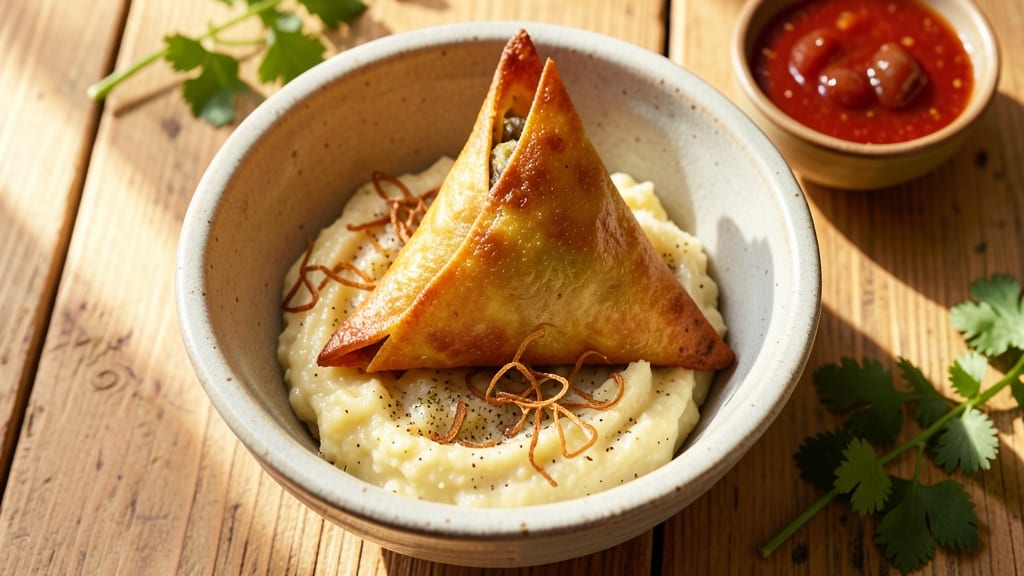
This baked potato samosa recipe flips the script on traditional samosas by swapping spiced potatoes for tender, twice-baked spuds wrapped in crispy, flaky pastry. The fusion twist delivers the same addictive crunch and spiced filling, but with a creamy, melt-in-your-mouth texture that keeps every bite satisfying.
I developed this after craving samosa flavors without the heavy, greasy feel—now you get all the flavor with a lighter, baked potato base that still holds up to frying.
The secret lies in two key steps: first, baking the potatoes until fork-tender and seasoning them with warm spices like cumin, coriander, and green chilies while still hot. Then, wrapping them in a foolproof all-butter pastry that crisps to golden perfection when fried.
Unlike traditional samosas, this version stays moist inside thanks to the baked potato's natural creaminess, while the pastry delivers that signature crispy crunch you crave. The result? A samosa that's lighter yet just as indulgent.
What makes this recipe work is balancing texture and flavor—creamy filling meets crispy pastry, with just the right amount of spice to wake up your taste buds. Serve with mint chutney or tamarind sauce for dipping, and you'll have a side dish that steals the show at any gathering.
The best part? It's restaurant-quality without requiring hours in the kitchen. Let's get started on making these crispy, spiced delights.
Perfect for game day, potlucks, or as an appetizer that disappears faster than you can say "second helping," these samosas prove you don't need traditional ingredients to create something extraordinary.
The technique is straightforward, but the result is anything but basic—think of it as a crunchy, spiced hug for your taste buds. Ready to try this fusion favorite?
Ingredients for baked potato samosa
Twelve ingredients for crispy, spiced bites that taste like a fusion hug for your taste buds.
| Ingredient | Amount | Notes |
|---|---|---|
| Russet Potatoes 🥔 | 4 medium | Baked until fork-tender |
| All-Purpose Flour 🌾 | 2 ½ cups | For pastry dough |
| Unsalted Butter 🧈 | 1 cup | Cold, cubed for pastry |
| Ice Water 💧 | ½ cup | For dough elasticity |
| Ground Cumin 🌿 | 1 tsp | Toasted for depth |
| Ground Coriander 🌿 | 1 tsp | Freshly ground preferred |
| Green Chilies 🌶️ | 2 whole | Finely chopped, fresh |
| Garam Masala 🌶️ | ½ tsp | Store-bought blend |
| Salt 🧂 | 1 tsp | Kosher or sea salt |
| Vegetable Oil 🫒 | 2 cups | For frying |
| Fresh Mint Leaves 🌿 | ¼ cup | Chopped for garnish |
| Lemon Juice 🍋 | 1 tbsp | Freshly squeezed |
The potatoes are non-negotiable—Russets are your best bet for that creamy, fluffy texture. Grab a 4-pound bag from the grocery store's baking aisle; they're usually pre-washed and perfect for this. If you're feeling fancy, organic Russets from Whole Foods or your local farmers market add extra richness. The key is baking them until they're fork-tender but still hold their shape—think of them like mashed potatoes that still have structure. For the pastry, King Arthur flour is my go-to for that perfect flaky texture, but any all-purpose flour works in a pinch. Just make sure it's cold when you mix it with the butter.
No vegetable oil? Peanut or sunflower oil works just as well for frying—both have high smoke points. Running short on mint? Fresh cilantro at half the amount gives a similar bright note. The green chilies can be swapped for jalapeños or serranos, but adjust the amount based on heat preference—start with half and taste as you go. For the garam masala, store-bought blends from Indian markets are ideal, but a mix of cinnamon, cardamom, and black pepper works too. The butter needs to be cold for the pastry—take it out of the fridge 10 minutes before mixing, but no longer or it'll melt. And if you're feeling lazy, pre-made pie crust saves time (just add a splash of ice water to make it pliable).
Baked potatoes keep 3-4 days in the fridge, wrapped in foil. The pastry dough can be rolled out and chilled for up to 2 hours before using—perfect for prepping ahead. Once fried, these samosas are best served immediately, but they'll hold for 1 hour if kept warm in a 200°F oven. For leftovers, store in an airtight container for 2 days. Pro tip: freeze the filled but unfried samosas on a tray first, then transfer to a bag. Fry straight from frozen—no thawing needed!
Why You'll Love This Recipe
- No-Fuss Dough: I swear by the ice water trick—just flour, butter, and a splash of cold water. The dough comes together faster than a microwave dinner, and honestly? It’s the secret to that perfect crispy shell without rolling out puff pastry.
- Cumin-Kissed Comfort: That earthy ground cumin in the filling? It’s the star. The potatoes get tender and fluffy, while the spice lingers just enough to make every bite feel like a hug—no heavy spices, just pure satisfaction.
- Lunchbox Hero: Between us, these reheat like a dream. Pack a few for work or school, and they’ll still taste fresh hours later. (Yes, even on a Tuesday night.) The flour shell stays sturdy, and the filling doesn’t turn to mush—my kids’ new favorite.
- Pantry Magic: Russets and flour? You’re already halfway there. No specialty ingredients, no last-minute grocery runs. I made a double batch for $8 and had leftovers for days—crispy, filling, and zero waste. Budget-friendly doesn’t get better than this.
Step-by-step instructions for baked potato samosa
Here's how to create crispy, twice-baked samosas with a creamy spiced potato filling.
Prepare the Fork-Tender Potato Filling
Preheat your oven to 400°F and pierce the 4 medium Russet Potatoes with a fork several times. Place them on a baking sheet and bake for 45-50 minutes until a knife slides in easily. Let them cool slightly before handling.
Once cool enough to handle, peel the potatoes and mash them in a bowl until completely smooth. You want no lumps at all—the filling needs to be silky for that perfect texture. Stir in the 1 tsp ground cumin, 1 tsp ground coriander, 0.5 tsp garam masala, and 1 tsp salt until fully combined. The spices should be evenly distributed throughout the mashed potatoes.
Here's the thing—don't skip the cooling step. Hot potatoes release moisture that can make your dough soggy. I like to spread the spiced potato mixture on a plate and let it chill in the fridge for 15-20 minutes before using it. This extra step makes a noticeable difference in the final texture.
Make the Crispy Pastry Dough
In a large mixing bowl, combine the 2.5 cups all-purpose flour and 1 cup unsalted butter (cold, cubed). Use your fingers or a pastry cutter to work the butter into the flour until you have pea-sized crumbs with some flour still visible. This is called the "cold method" and it's crucial for flaky layers.
Add the 0.5 cup ice water gradually, mixing gently with a fork until the dough just comes together. Don't overwork it—just until it forms a shaggy mass. Turn it out onto a lightly floured surface and knead lightly for 2-3 minutes until smooth. Wrap the dough in plastic wrap and chill in the refrigerator for 30 minutes.
This chilling step is non-negotiable. Cold butter creates flaky layers when baked, and it prevents the dough from shrinking during the second bake. I always set a timer so I don't forget this crucial step—it's easy to overlook when you're eager to get cooking.
Assemble and First-Bake the Samosas
Preheat your oven to 375°F and line a baking sheet with parchment paper. Roll out the chilled dough between two sheets of parchment paper to about ⅛-inch thickness. Cut circles about 5 inches in diameter using a plate or round cutter.
Place about ¼ cup of the spiced potato filling in the center of each dough circle. Fold the dough over to form a half-moon shape, then seal the edges by pressing firmly with your fingers. You want a tight seal so the filling doesn't leak during baking. Brush the tops with a little ice water to help them hold their shape.
Bake the samosas for 20-25 minutes until they're lightly golden. Let them cool completely before handling—they'll be delicate when hot. This first bake gives them structure for the second crisping. Don't skip this step; the twice-baked method is what gives these samosas their signature crunch.
Second Fry for Maximum Crunch
Heat the 2 cups vegetable oil in a deep fryer or heavy pot to 350°F. Use a candy thermometer to monitor the temperature—it's crucial for even cooking. Carefully place the cooled samosas in the hot oil, a few at a time, and fry for 2-3 minutes until they're deep golden brown.
Remove the samosas with a slotted spoon and drain on paper towels. The oil should be bubbling gently but not smoking—if it's too hot, they'll burn before cooking through. I like to fry them in batches so the oil temperature stays consistent.
For serving, sprinkle with the 0.25 cup chopped fresh mint leaves and drizzle with 1 tbsp lemon juice. The acidity cuts through the richness of the fried pastry, and the mint adds a fresh contrast. Serve immediately while they're still crispy and warm—these samosas are best enjoyed right away.
Pro Tips For Making Baked Potato Samosa
- Boil Potatoes Until Fork-Tender: Russets hold their shape better when fully cooked but still slightly firm—aim for a knife sliding in easily, not a mash. Over-boiling turns them to mush, and you’ll regret it when filling the samosas. Drain and cool them completely before mashing; warm potatoes make the dough sticky and unmanageable.
- Chill Dough for 30 Minutes: I used to skip this, and the dough always cracked when frying. Cold butter and ice water are your friends—let the dough rest in the fridge while you prep the filling. It tightens the gluten, seals the edges, and gives you cleaner cuts when shaping.
- Use Cold Butter in Dough: Warm butter melts into the flour, turning dough greasy and hard to handle. Cut cold unsalted butter into the flour first, then add ice water—this creates flaky layers that crisp up perfectly. Skip the shortcut of mixing everything at once.
- Pre-Cook Filling for 5 Minutes: Raw potato filling soaks up oil and turns soggy. Sauté the mashed potatoes with cumin and butter for 5 minutes before stuffing—it dries them out just enough to hold their shape. Add a pinch of salt here; the dough’s butter will add flavor later.
Essential equipment for this dish
Pastry Rolling Tools
For the perfect dough circles, I recommend using a rolling pin with a handle—the OXO Good Grips is my go-to because it glides smoothly without tearing the delicate pastry. If you don’t have one, a bottle wrapped in parchment paper works in a pinch.
Roll the dough between two sheets of parchment paper to prevent sticking, and keep it ⅛-inch thick for even cooking. A round cutter or plate (like a 6-inch dinner plate) makes cutting circles effortless. 💫
Deep-Fry Essentials
Frying requires precision, so invest in a deep fryer or a heavy-bottomed pot (like a Cast Iron Dutch Oven) to maintain even oil temperature. A candy thermometer is non-negotiable—Thermoworks Smoke is my top pick for accuracy.
Use vegetable oil (or peanut oil) for a neutral flavor, and keep it at 350°F to avoid burning. A slotted spoon helps remove samosas without splashing hot oil. For safety, place a wire cooling rack over a baking sheet to drain fried samosas.
Spice Toasting Tools
To deepen the flavor of your spices, toast cumin and coriander in a dry skillet over medium heat for 30 seconds until fragrant. A mortar and pestle (like KitchenAid’s stainless steel set) helps grind whole spices into fine powder for maximum aroma.
For fresh green chilies, a sharp chef’s knife and cutting board are essential—slice them thinly for even distribution in the filling. Preheat your oven to 400°F for baking the potatoes, and use a fork to pierce them before baking for even cooking. 🔥
Assembly Helpers
Assembling samosas requires precision. A small offset spatula helps spread the spiced potato filling neatly in the center of each dough circle. For sealing edges, use your fingertips—moisten them slightly with water to prevent sticking.
A pastry brush (like King Arthur’s silicone brush) applies ice water to the tops for a crisp finish. To keep dough circles from sticking, work on a lightly floured surface or silicone baking mat. A round cookie cutter (or a glass) ensures uniform shapes for even frying.
Serving Presentation
Once fried, transfer samosas to a wire rack to cool slightly before serving. A small serving platter or wooden board adds rustic charm, while a mint chutney bowl (made with 0.25 cup chopped mint, 1 tbsp lemon juice, and a pinch of salt) elevates the presentation.
For garnish, use fresh mint leaves and a squeeze of lemon to brighten the dish. A small pitcher keeps extra chutney handy for dipping. Serve with warm naan or pickled onions on the side for a complete spread. ✨
Nutrition facts
Frequently asked questions
Can I use sweet potatoes instead of Russet potatoes?
Yes, you can substitute sweet potatoes, but the flavor and texture will differ. Sweet potatoes add natural sweetness and a deeper orange color, but they're denser and less fluffy than Russets. For best results, roast them at 400°F for 30-35 minutes until tender, then mash and season as directed. The spiced filling will still work, but expect a slightly sweeter, more moist bite.
How do I prevent the samosas from leaking filling?
Proper sealing is key! First, ensure your potato filling is completely cool before assembling—warm filling causes steam that weakens the dough. Press the edges firmly with your fingertips, then seal with a tiny dab of water. For extra security, brush the sealed edges with beaten egg white before the second fry. This creates a protective barrier that keeps the filling contained.
Can I make these samosas ahead of time?
but with a few adjustments. Prepare the dough and filling up to 2 days ahead and store wrapped in the fridge. Assemble the samosas (unfried) and freeze them on a tray, then transfer to a bag. Fry straight from frozen—no thawing needed! For the best texture, reheat fried samosas in a 350°F oven for 5-10 minutes to restore crispiness before serving.
What's the secret to extra crispy samosas?
The twice-baked method is your secret weapon! First bake at 375°F gives structure, while the final fry at 350°F creates that signature crunch. Use vegetable oil (not butter) for frying, and maintain the oil temperature precisely. A wire rack for draining is better than paper towels—it allows air circulation for maximum crispiness. For extra crunch, sprinkle semolina on the dough before rolling.
Are these samosas gluten-free?
Not traditionally, but you can adapt them! Replace the all-purpose flour with a 1:1 gluten-free flour blend (like Bob's Red Mill) and add 1/4 tsp xanthan gum for structure. For the filling, ensure all spices are certified gluten-free. Note that gluten-free dough requires more handling and may not be as flaky, but it will still deliver that satisfying crunch when fried properly.