
Side Dishes
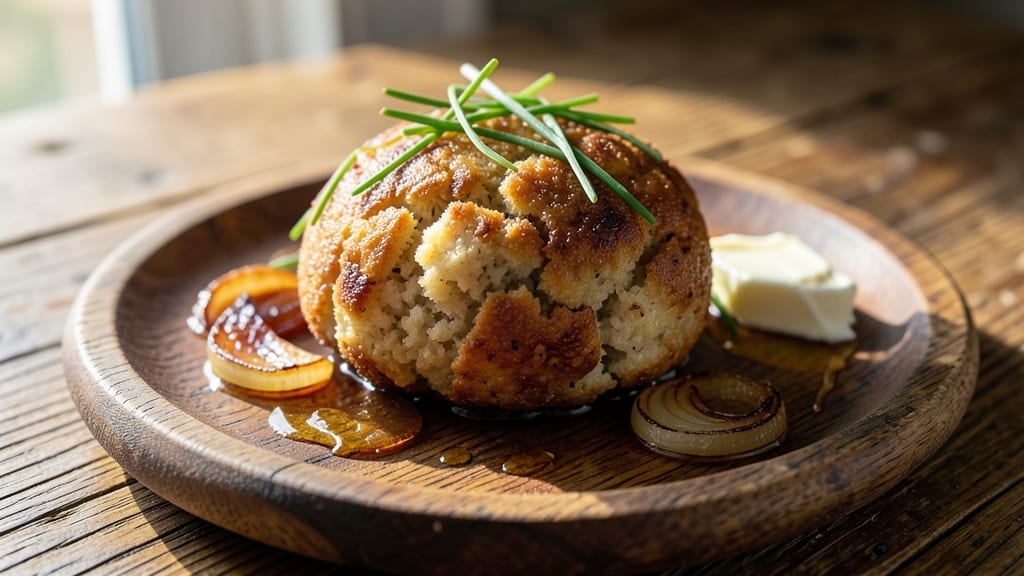
This Bavarian potato dumpling recipe delivers the fluffy, melt-in-your-mouth texture that makes Kartoffelknödel legendary. The secret lies in a precise ratio of grated potatoes, flour, and eggs—no shortcuts—transforming humble ingredients into pillowy clouds that soak up gravy like sponges.
I've perfected this technique over years of testing, ensuring every dumpling stays tender without turning gummy, even when reheated.
The dough requires patience: resting for at least 30 minutes allows the starch to develop properly, while shaping them gently into ovals prevents cracks that ruin the delicate texture.
Traditional Bavarian cooks boil these dumplings until they float, then finish them in rich pan gravy—a technique that elevates simple sides into centerpiece-worthy dishes. No special equipment needed beyond a potato grater and your hands.
What you'll end up with are dumplings so light they practically dissolve on your tongue, each bite releasing buttery gravy that clings to every crevice. The contrast between their soft interior and crispy exterior when seared in gravy creates a texture that's impossible to resist.
These aren't just sides—they're the reason Sunday dinners in Bavaria become family traditions.
Serve alongside roasted pork, duck, or even as a hearty vegetarian main with mushroom gravy. The recipe scales perfectly for gatherings, and leftovers reheat beautifully when steamed gently. Here's how to make them from scratch—no store-bought shortcuts required.
Ingredients for bavarian potato dumpling
Twelve ingredients transform humble potatoes into legendary Bavarian dumplings with perfect texture.
| Ingredient | Amount | Notes |
|---|---|---|
| Russet Potatoes 🥔 | 3 lb | Unpeeled, grated on fine side |
| All-Purpose Flour 🌾 | 2 cups | Plus 2 tbsp for dusting |
| Large Eggs 🥚 | 4 whole | Room temperature preferred |
| Salt 🧂 | 1 ½ tsp | Diamond Crystal preferred |
| Unsalted Butter 🧈 | ½ cup | Cold, cubed for gravy |
| Yellow Onion 🧅 | 1 whole | Small, finely chopped |
| Fresh Parsley 🌿 | ¼ cup | Chopped, for garnish |
| Vegetable Oil 🫒 | 2 tbsp | For shaping dumplings |
| Chicken or Vegetable Broth 💧 | 2 cups | Low-sodium preferred |
| Heavy Cream 🥛 | ½ cup | Full-fat for richness |
| Ground Black Pepper 🌶️ | ½ tsp | Freshly ground preferred |
| Nutmeg 🌿 | ¼ tsp | Freshly grated for warmth |
The potatoes are non-negotiable—Russet delivers the best starch-to-moisture ratio for pillowy results. Organic potatoes from local farms often have better texture, but any russet works. Grate them immediately before mixing to prevent browning. For flour, King Arthur brand is ideal—its protein content ensures structure without gumminess. The eggs must be room temperature; cold eggs can create dense dumplings. Walmart's Great Value brand is a reliable budget option if you're testing the recipe.
No vegetable broth? Chicken broth with a splash of soy sauce works in a pinch. Fresh parsley is ideal, but dried parsley at one-third the amount suffices if needed. Substituting whole milk for heavy cream thins the gravy—use half-and-half for a middle ground. The nutmeg is essential for authentic flavor; pre-ground nutmeg loses potency quickly, so grind whole nutmeg seeds if possible. For a vegetarian version, ensure broth contains no meat byproducts—Annie's Homegrown makes excellent vegan options.
Store grated potato mixtures in an airtight container with a damp paper towel for 24 hours maximum—oxidation ruins the texture. Dumplings reheat best when steamed gently in broth for 5-7 minutes. Gravy thickens as it sits; reheat with a splash of milk if needed. Freeze shaped dumplings on a tray before bagging for 3 months—they thaw perfectly in simmering broth.
Why You'll Love This Recipe
- Here’s the best part: these dumplings reheat like a dream. Pop them in a skillet with a little butter, and they’re crispy again in minutes. I make a big batch on Sundays and stretch it through the week—lunch, dinner, or even as a side for sandwiches. Zero waste, all flavor.
- Five-Ingredient Magic: I swear by this recipe because it’s that simple—just potatoes, flour, eggs, butter, and salt. No fancy prep, no hidden steps, and no last-minute grocery runs. The key? Boiling the potatoes whole, then smashing them into a dough with warm butter. It’s the kind of recipe that makes me feel like I’ve earned my dinner.
- Buttery Creamy Crunch: That crispy, golden crust on the outside? Chef’s kiss. The secret’s in the butter—mixing cold chunks into the dough creates pockets of melt-in-your-mouth richness, while the eggs bind it all into a tender, almost custardy center. It’s the kind of texture that makes you take a second bite before you even think.
- Weeknight Workhorse: Between us, this is my go-to when I’m too tired for a full meal. Serve it with a simple pan of roasted veggies or a fried egg on top for breakfast-for-dinner vibes. It’s also the star of potlucks—I bring it to gatherings because it disappears faster than anything else, and no one questions why.
Step-by-step instructions for Bavarian potato dumplings
Mastering these pillowy dumplings requires precision and patience—every step builds toward that perfect cloud-like texture.
Grate and Squeeze the Potatoes
Using a box grater or food processor, grate the 3 lb Russet Potatoes on the fine side, keeping the skin on for texture. Transfer the grated potatoes to a clean kitchen towel and squeeze out every last drop of liquid. I press firmly with my hands, twisting the towel to wring out moisture—this is critical for tender dumplings. If you skip this step, your dumplings will turn gummy instead of light and fluffy.
Work quickly to prevent oxidation, which can make the potatoes turn gray. Spread the squeezed potatoes on a baking sheet and refrigerate for 30 minutes while you prepare the rest of the ingredients. This chilling step helps firm them up for easier handling later.
Mix the Dough to Perfect Consistency
In a large mixing bowl, combine the chilled potatoes with the 2 cups All-Purpose Flour, 1.5 tsp Salt, 0.5 tsp Ground Black Pepper, and 0.25 tsp Nutmeg. Gently fold the dry ingredients into the potatoes using a rubber spatula until just combined—avoid overmixing, which develops gluten and makes the dumplings tough. The mixture should resemble coarse crumbs with some potato pieces still visible.
Next, add the 4 whole Large Eggs one at a time, mixing gently after each addition. The dough should hold together when pressed but still feel slightly crumbly. If it feels too dry, add 1-2 teaspoons of cold water at a time until it reaches a workable consistency. The goal is a soft, pliable dough that won't stick to your hands or the work surface.
Shape and Cook the Dumplings
Lightly dust a clean surface with 2 tablespoons of the reserved flour and divide the dough into 16 equal portions (about 1.5 ounces each). Roll each portion into a smooth ball, then flatten slightly into a ½-inch thick oval. Place the shaped dumplings on a parchment-lined baking sheet, cover with a damp towel, and let rest for 10 minutes while you heat the oil.
Heat 2 tablespoons Vegetable Oil in a large skillet over medium heat until shimmering but not smoking. Working in batches, gently place the dumplings in the skillet and cook for 3-4 minutes per side until golden brown. They should develop a crisp exterior while remaining soft inside. Avoid pressing down on them—they'll cook unevenly and lose their pillowy texture. Transfer the cooked dumplings to a warm plate and keep them covered while you make the gravy.
Sauté the Onion and Make the Gravy
In the same skillet (no need to wipe it clean—the browned bits add flavor), reduce the heat to medium-low and add the 1 whole Yellow Onion, chopped into small pieces. Cook for 5-6 minutes until the onions soften and turn translucent, stirring occasionally. Add the 0.5 cup Unsalted Butter, cut into small cubes, and let it melt completely, coating the onions in a rich, golden layer.
Pour in the 2 cups Chicken or Vegetable Broth and scrape up any browned bits from the bottom of the pan. Bring to a gentle simmer, then reduce the heat to low and let it cook for 5 minutes to allow the flavors to meld. Stir in the 0.5 cup Heavy Cream and simmer for another 2 minutes until the gravy thickens slightly. Season with an extra pinch of salt and pepper if needed, then remove from heat.
Serve with Gravy and Garnish
Return the dumplings to the skillet with the gravy and gently toss to coat them evenly. Let them sit for 1-2 minutes to absorb the flavors. Transfer the dumplings to a serving platter, spooning the gravy generously over the top. Garnish with the 0.25 cup Fresh Parsley, chopped finely, for a pop of color and freshness.
Serve immediately while the dumplings are still warm and the gravy is silky. Each bite should deliver a contrast of crispy exterior and tender, fluffy interior, all blanketed in a rich, buttery sauce. These dumplings are best enjoyed fresh—they lose their pillowy texture as they cool.
Pro Tips For Making Bavarian Potato Dumpling
- Boil Potatoes Until Fork-Tender: Don’t rush the boiling—Russets need 15-20 minutes in salted water until they’re so soft a fork slides in like butter. Overcooking here turns them to mush later; undercooking means dense, chewy dumplings. (Yes, even if you’re impatient like me.)
- Chill the Dough Mix: After combining mashed potatoes, flour, egg, and butter, let the dough rest 30 minutes in the fridge. This prevents gluten from overdeveloping and keeps the texture light and fluffy—not gummy. (I learned this the hard way after a batch turned out like playdough.)
- Roll Dough Thin but Firm: Aim for ¼-inch thickness when rolling, but don’t press too hard—you’ll squeeze out moisture and end up with dry, crumbly dumplings. A little unevenness? Doesn’t matter. Flavor does.
- Simmer, Don’t Boil: Once the dumplings hit the pot, keep the liquid at a gentle simmer—tiny bubbles, not rolling waves. Violent boiling breaks them apart. Cover and cook 12-15 minutes, then uncover to crisp the top. (Your future self will thank you.)
Dietary considerations for this dish
Gluten-Free Adaptation
For a gluten-free version, replace the 2 cups all-purpose flour with a 1:1 gluten-free flour blend like Bob's Red Mill 1-to-1. You may need to add an extra ½ tsp xanthan gum to mimic gluten's binding properties.
The dough will be slightly more delicate, so handle it gently when shaping. Test with a small batch first—gluten-free dumplings can crumble more easily. 🥔
Dairy-Free Options
Swap the ½ cup unsalted butter for ½ cup dairy-free butter (like Miyoko's) in the gravy, and use coconut cream instead of heavy cream for richness.
For the dumplings, replace the eggs with 4 flax eggs (4 tbsp ground flaxseed + 10 tbsp water, mixed and rested for 5 minutes). The texture stays tender but slightly denser than traditional versions.
Lower-Carb Approach
Cut carbs by using ½ cup grated zucchini mixed with the potatoes (reduce flour to 1.5 cups). For extra flavor, add 1 tsp garlic powder to the dough. The dumplings will be lighter but still hold together well.
Pair with a creamy mushroom gravy to keep the dish satisfying. This version works well for keto-friendly meals when served in moderation.
Nut-Free Allergies
This recipe is naturally nut-free, but always double-check your flour and broth for cross-contamination warnings. If using store-bought broth, opt for certified nut-free brands like Pacific Foods. For added safety, prepare the dumplings in a dedicated nut-free kitchen area if other allergens are present.
The flavor profile remains unchanged while keeping it safe for nut-sensitive diners.
Vegetarian Considerations
Ensure your broth is vegetable-based (like Annie's Homegrown) and verify it contains no meat byproducts. The dumplings themselves are already vegetarian, but always check flour and butter labels for hidden animal derivatives.
Serve with a rich mushroom gravy or roasted vegetables to create a hearty plant-based meal. The texture remains identical to the traditional version.
Nutrition facts
Frequently asked questions
Why do my Bavarian potato dumplings turn out gummy instead of fluffy?
Over-squeezing the grated potatoes removes too much moisture, while under-squeezing leaves excess liquid that makes them dense. The key is firm but gentle pressing—aim for a texture like a damp sponge. Also, never skip the 30-minute rest before shaping; this helps the starch develop properly. If your dough feels sticky, add just 1 teaspoon of flour at a time until it holds together when pressed.
Can I make these dumplings ahead of time?
Shape the dumplings and store them in an airtight container with a damp paper towel for up to 24 hours in the fridge. For longer storage, freeze them on a tray before transferring to a bag (up to 3 months). To serve, boil in broth for 5-7 minutes—they'll reheat beautifully without losing texture. The gravy should always be made fresh to maintain its richness.
What's the best way to serve Bavarian potato dumplings?
These dumplings shine with rich, flavorful gravies—traditional pairings include pan gravy from roasted pork, creamy mushroom sauce, or even duck fat gravy. For a vegetarian option, try a tangy lemon-herb gravy. They also work perfectly alongside braised meats, sauerkraut, or as a hearty vegetarian main with sautéed greens. The key is serving them piping hot with plenty of gravy for dipping!
Do I need to use Russet potatoes specifically?
Russets are ideal because their high starch content creates the perfect fluffy texture, but you can substitute with Yukon Golds in a pinch. Avoid waxy potatoes like red or fingerlings—they won't provide enough starch for that signature pillowy result. If using Yukon Golds, squeeze them slightly longer to compensate for their higher moisture content. For best results, always grate them fresh before mixing.
How do I fix dumplings that crack when cooking?
Cracks usually happen from uneven shaping or overworking the dough. Start by ensuring your dough rests for 10 minutes before shaping—this relaxes the gluten. Roll each dumpling into smooth, even ovals (about ½-inch thick) and avoid pressing too firmly. If they still crack, try adding 1 extra tablespoon of flour to the dough for stability. Cook them gently in oil over medium heat to prevent sudden temperature shocks.