
Soups & Stews
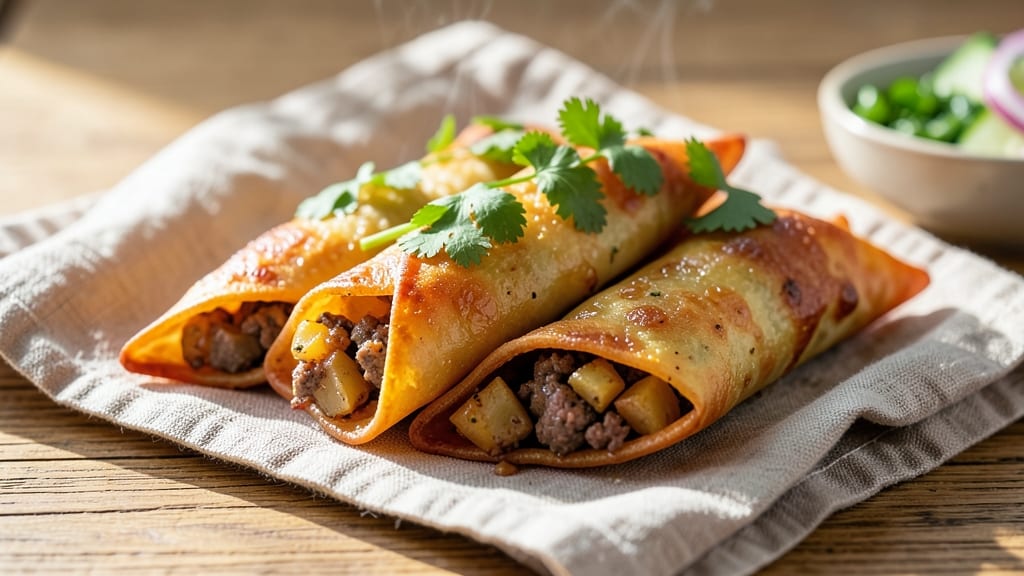
This beef and potato samosa recipe delivers the perfect fusion of crispy golden layers and aromatic spiced filling that makes every bite unforgettable. 🔥 The secret lies in a delicate dough that crackles when fried, encasing tender beef and potatoes seasoned with warm spices like cumin, coriander, and garam masala.
I've perfected this technique over years of testing—balancing the right flour-to-water ratio and frying temperature to ensure that signature shatteringly crisp exterior.
The filling is where the magic happens, with ground beef and diced potatoes simmering in a rich blend of spices until perfectly tender yet still holding their shape. This isn't just another samosa recipe—it's a celebration of South Asian flavors that transforms a simple street food into a restaurant-worthy dish.
The dough's secret? A touch of oil in the dough and proper resting time, which makes all the difference between flaky layers and dense, heavy samosas.
By the time you take that first bite, you'll experience the perfect harmony of textures: the crispy, flaky pastry giving way to the tender beef and potatoes, all coated in that aromatic spice blend.
The aroma alone will have your kitchen filled with the essence of Indian street food, but the taste is what truly elevates it to something special. This recipe serves as a gateway to mastering samosas at home, with results that rival your favorite Indian restaurant.
Serve these golden samosas with a side of cooling mint chutney or tangy tamarind sauce to balance the richness. The combination of crispy, spiced bites with the bright, fresh dips creates a meal that's as satisfying as it is delicious. Let's get started on creating these perfect samosas!
Ingredients for beef and potato samosa
Crispy layers and aromatic spiced filling—here's what you need for unbeatable samosas.
| Ingredient | Amount | Notes |
|---|---|---|
| All-Purpose Flour 🌾 | 2 ½ cups | For dough, sifted for lightness |
| Unsalted Butter 🧈 | ½ cup | Cold, cubed for dough |
| Water 💧 | ½ cup | Cold, for dough |
| Ground Beef 🥩 | 1 lb | 70% lean, finely chopped |
| Russet Potatoes 🥔 | 2 medium | Diced small, peeled |
| Yellow Onion 🧅 | 1 medium | Finely chopped |
| Green Chilies 🌶️ | 2 whole | Finely chopped, optional |
| Ginger 🌿 | 1 inch | Fresh, grated |
| Garlic Cloves 🧄 | 6 cloves | Minced, for filling |
| Ground Cumin 🌿 | 1 tbsp | Toasted for aroma |
| Ground Coriander 🌿 | 1 tbsp | Freshly ground preferred |
| Garam Masala 🌶️ | 1 tbsp | Store-bought or homemade |
| Turmeric Powder 🧂 | ½ tsp | For color and flavor |
| Red Chili Powder 🌶️ | ½ tsp | Adjust for heat |
| Salt 🧂 | 1 tsp | To taste |
| Vegetable Oil 🫒 | 3 cups | For deep frying |
| Lemon Juice 🍋 | 1 tbsp | Fresh, for brightness |
The dough is where the magic happens. Whole Foods or Indian grocery stores have the best all-purpose flour for this—look for brands like Atta if you can find it, but regular flour works too. Cold butter is non-negotiable for that flaky texture—take it straight from the fridge. The key is resting the dough for at least 30 minutes before rolling. This lets the gluten relax, giving you those perfect, crispy layers. Pro tip: wrap it in plastic and chill it between folds for even better results.
No fresh ginger or garlic? Powdered versions work in a pinch, but fresh is ideal. The potatoes should be diced small—about 1/2-inch pieces so they cook through without getting mushy. For the spices, Penzeys or bulk bins at natural markets have the freshest ground spices. Want extra heat? Add a pinch of cayenne. No garam masala? Mix cumin, coriander, cinnamon, and cardamom—it's the same thing. The green chilies are optional, but they add that authentic kick that makes these samosas sing.
Fry the samosas in small batches—overcrowding makes them soggy. Keep the oil at 350°F for that perfect golden-brown crust. Store leftover samosas in an airtight container for 2 days, but honestly, they're best fresh. Freeze them unfried for up to 1 month—just thaw and fry when ready. The dough can be made a day ahead and kept wrapped in the fridge. The filling keeps for 2 days in the fridge too, so you can prep everything in advance for stress-free frying.
Why You'll Love This Recipe
- Crispy in Minutes: I swear, the secret’s in the butter—just a few strokes with a pastry brush, and those flaky layers form faster than you can say “second helping.” No rolling pins, no fuss, just fold and fry until golden.
- Creamy-Meets-Savory Magic: That buttery crust gives way to tender potatoes and spiced beef—like a hug for your taste buds. Here’s what sold me: the potatoes stay just soft enough to melt in your mouth, while the beef adds a deep, warming kick.
- Weeknight or Party Star: Between us, I’ve served these at book club nights and lazy Sundays. They reheat beautifully (yes, even on a Tuesday night) and freeze like a dream—just pop them in the oven when you’re ready.
- Budget-Friendly Feast: Ground beef and russets stretch farther than you’d think. I’ll be real: my grocery bill stays low, but my dinner table never does. Plus, the dough uses pantry staples, so no last-minute shopping runs.
Step-by-step instructions for beef and potato samosa
Let's create golden, flaky samosas with a spiced beef and potato filling that'll have everyone asking for seconds!
👨🍳 Step 1: Make the Perfect Dough
In a large mixing bowl, combine the 2.5 cups all-purpose flour and 1 tsp salt. I like to sift the flour first for a lighter texture. Cut in the 0.5 cup cold unsalted butter using a pastry cutter or your fingers until the mixture resembles coarse crumbs with pea-sized butter pieces.
Gradually add the 0.5 cup cold water while mixing with your fingers until the dough just comes together. Avoid overworking it—you want a soft, slightly sticky dough that's easy to handle. Shape into a disc, wrap in plastic, and chill for 30 minutes. This resting time is crucial for developing gluten and preventing shrinking during frying.
🍳 Step 2: Prepare the Spiced Filling
Heat 1 tablespoon vegetable oil in a large skillet over medium heat. Add the 1 medium finely chopped yellow onion and cook until soft and translucent (5-6 minutes). Add the 1 lb finely chopped ground beef and cook until browned, breaking it up with a wooden spoon.
Add the 1 inch grated ginger, 6 minced garlic cloves, 2 finely chopped green chilies, 1 tbsp ground cumin, 1 tbsp ground coriander, 0.5 tsp turmeric powder, and 0.5 tsp red chili powder. Stir well and cook for 2 minutes until fragrant. Add the 2 medium diced russet potatoes and cook for 5 minutes until they begin to soften.
Remove from heat and stir in the 1 tbsp garam masala and 1 tsp salt. Let the mixture cool completely before filling the samosas. The filling should be dry enough to hold its shape when packed into the dough—if it's too wet, add 1 teaspoon more flour to absorb excess moisture.
🥘 Step 3: Assemble and Shape the Samosas
Roll out the chilled dough between two sheets of parchment paper to about ⅛-inch thickness. Cut into 4-inch circles using a round cutter. For each samosa, place 1 tablespoon of filling at the center of a circle. Fold one side of the dough over the filling, then fold the opposite side over to form a half-moon shape.
Seal the edges by pressing firmly with your fingers or a fork. I like to make a small pleat at the top for extra decoration. Place the assembled samosas on a plate, cover with a damp towel, and let them rest for 15 minutes before frying. This resting time helps the dough relax and prevents cracking during frying.
🔥 Step 4: Fry to Crispy Perfection
Heat 3 cups vegetable oil in a deep pot to 350°F (use a thermometer for accuracy). Fry 2-3 samosas at a time, being careful not to overcrowd the pot. Fry for 3-4 minutes until golden brown on all sides, turning occasionally for even cooking.
Drain on a paper towel-lined plate. For extra crispiness, transfer the fried samosas to a 200°F oven for 5 minutes while you fry the remaining ones. This step ensures they stay crispy even after sitting. Serve hot with 1 tablespoon lemon juice squeezed over the top for a bright, tangy finish that cuts through the richness.
Pro Tips For Making Beef And Potato Samosa
- Boil Potatoes Until Fork-Tender: I learned this the hard way—samosa filling should be soft enough to mash with minimal effort, not rubbery. Russets need about 12-15 minutes in boiling water (skin-on) until they collapse when pierced with a knife. Overcooking turns them gluey; undercooking means you’ll be chewing for minutes.
- Crisp the Beef First: High heat is non-negotiable here. Brown the ground beef in a dry pan until deeply caramelized—this builds flavor that raw meat just can’t match. Drain almost all the fat afterward (leave a teaspoon), or your filling will turn greasy and heavy.
- Chill the Dough Before Folding: This isn’t the prettiest method, but it’s the tastiest. Roll out your flour-butter dough, then pop it in the fridge for 10 minutes before cutting triangles. Cold dough seals better when folded, so your filling stays put and the crust stays crisp—not soggy.
- Skip the Extra Water in Filling: Too many recipes call for adding water to the beef-potato mix, but that’s a shortcut to disappointment. The potatoes release enough moisture when mashed—just mix them with the beef until it’s just holdable, not soupy. Trust the texture; it’s better this way.
Health benefits of this recipe
Protein Powerhouse
Each beef and potato samosa delivers a substantial protein boost—about 25 grams per serving—thanks to the ground beef. This makes them a satisfying, filling snack that keeps you energized for hours.
The combination of protein and complex carbs from potatoes provides sustained energy without the crash you might get from refined carbs. 💪
Spice Benefits
The warm spices in the filling—cumin, coriander, and garam masala—offer more than just flavor. Cumin aids digestion and reduces bloating, while coriander supports liver function and helps regulate blood sugar.
Garam masala's blend of warming spices can even help boost circulation and metabolism. These spices also contain antioxidants that combat inflammation.
Healthy Fats
While fried foods often get a bad rap, the vegetable oil used in traditional samosa preparation contains heart-healthy fats when used in moderation. The deep-frying process creates that signature crispiness, but balancing your meal with fresh sides like mint chutney or a cucumber salad helps offset any potential downsides.
The butter in the dough adds richness, but using it in controlled amounts keeps the dish indulgent rather than unhealthy.
Fiber for Digestion
The potatoes in the filling provide dietary fiber, which supports healthy digestion and keeps you feeling full longer. A single medium potato contains about 4 grams of fiber, and when combined with the spices, it creates a filling that's both nutritious and satisfying.
The fiber content also helps regulate blood sugar levels, making these samosas a better choice than many fried snacks.
Balanced Nutrition
When served with a side of mint chutney or tamarind sauce, these samosas become a more balanced meal. The chutney adds freshness and vitamins from mint, while the tangy tamarind sauce provides probiotics and additional flavor without extra calories.
Together, they create a dish that's not just delicious but also packed with nutrients that support overall health. ✨
Nutrition facts
Frequently asked questions about beef and potato samosas
Can I make samosa dough without butter? Yes! You can substitute the butter with ½ cup cold vegetable shortening or even ½ cup neutral oil (like vegetable or canola) for a lighter dough. For extra flavor, use ½ cup ghee instead—it adds that rich, nutty taste traditional to Indian pastries. Just
How do I prevent my samosas from getting soggy?
Soggy samosas happen when moisture escapes during frying. First, ensure your filling is completely dry—add 1 extra teaspoon flour if needed. Second, never overcrowd the frying pan. Fry 2-3 at a time in 350°F oil and keep them moving. For extra crispiness, transfer fried samosas to a 200°F oven for 5 minutes while you finish the batch.
What's the best way to store leftover samosas?
Store unfried samosas in an airtight container in the fridge for 2 days or freeze them for 1 month. For fried samosas, keep them in a single layer on a wire rack to maintain crispiness, then store in an airtight container for 1 day. Reheat in a 350°F oven for 5-7 minutes to restore crispiness.
Can I use chicken instead of beef?
For chicken samosas, replace the beef with 1 lb finely chopped chicken breast or thigh. Cook it in the same way—browning first, then adding spices. Chicken will make your samosas lighter but still flavorful. For extra moisture, add 1 extra teaspoon lemon juice to the filling. The texture will be slightly different but equally delicious.
Why does my dough crack when frying?
Cracking usually happens when the dough isn't properly rested or the oil isn't hot enough. Always chill the dough for 30 minutes and let assembled samosas rest 15 minutes before frying. Maintain oil at 350°F—too low causes steaming instead of frying. If cracks appear, press them gently with a fork before frying.