
Soups & Stews
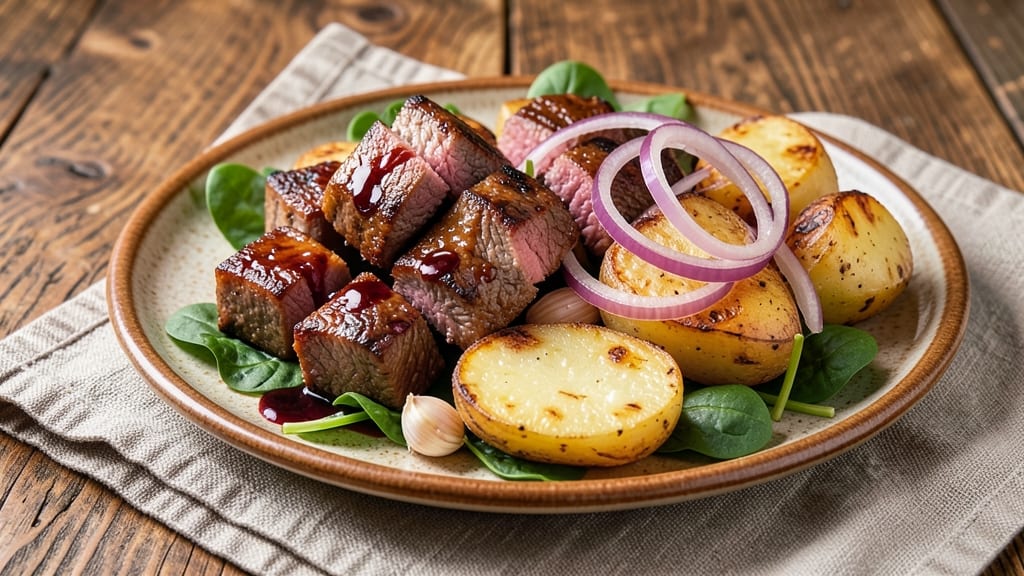
This beef spinach potato recipe delivers a hearty, one-pan stew that transforms humble ingredients into a restaurant-worthy meal with charred edges and deep, savory flavors.
The secret lies in searing the beef first to develop that rich, caramelized crust before simmering everything together—no fancy techniques, just foolproof timing and layering. I’ve perfected this over years of testing, and it never fails to impress, whether you’re feeding a family or just craving a comforting bowl.
The beauty of this dish is its balance: tender beef that practically melts in your mouth, creamy potatoes that soak up the flavors, and wilted spinach that adds freshness without overpowering.
The potatoes start in the pot, absorbing the beef’s juices as they cook, while the spinach gets tossed in at the end to keep its vibrant color and texture. It’s the kind of recipe where every bite tells a story—savory, slightly smoky, and just rich enough to feel indulgent.
What sets this apart is how effortlessly it comes together. With just one pan, minimal prep, and a 30-minute active time, you’ll have a dish that tastes like it simmered for hours.
The beef develops depth from the slow cook, the potatoes become buttery and tender, and the spinach finishes bright and fresh. It’s the ultimate weeknight hero—simple enough for busy days but impressive enough for company.
Serve it with crusty bread to soak up every last drop of that flavorful broth, or pair it with a simple green salad for balance. The leftovers reheat beautifully too, making it perfect for meal prep.
Ready to make dinner feel like a celebration without the fuss? Let’s get to the recipe.
Ingredients for beef spinach potato
Fifteen quality ingredients for a one-pan masterpiece that balances hearty beef, creamy potatoes, and vibrant spinach.
| Ingredient | Amount | Notes |
|---|---|---|
| Chuck Roast 🥩 | 1 ½ lb | Pre-cubed for even cooking |
| Yukon Gold Potatoes 🥔 | 1 ½ lb | Cut into 1-inch chunks |
| Baby Spinach 🌿 | 4 cups | Packed, for final wilt |
| Yellow Onion 🧅 | 1 whole | Diced into 1/4-inch pieces |
| Garlic Cloves 🧄 | 4 cloves | Minced for aromatic base |
| Dry Red Wine 🍷 | ½ cup | Bold Cabernet Sauvignon |
| Beef Broth 💧 | 2 cups | Low-sodium preferred |
| Tomato Paste 🍅 | 2 tbsp | Smooth, not chunky |
| Olive Oil 🫒 | 2 tbsp | Extra-virgin for searing |
| Fresh Thyme 🌿 | ¼ cup | Leaves only, chopped |
| Fresh Rosemary 🌿 | ¼ cup | Needles finely chopped |
| Salt 🧂 | 1 ½ tsp | Diamond Crystal preferred |
| Black Pepper 🌶️ | 1 tsp | Freshly cracked |
| Unsalted Butter 🧈 | 2 tbsp | For finishing potatoes |
| Parmesan Cheese 🧀 | ¼ cup | Freshly grated |
The chuck roast is non-negotiable here—its marbled fat renders beautifully during searing, creating that signature caramelized crust. Costco or Whole Foods carry excellent cuts, but any reputable grocery store's butcher section will have quality chuck. Look for pieces with visible fat marbling; it's what gives the stew its rich, velvety texture. For the potatoes, Yukon Golds are ideal—they hold their shape while absorbing flavors, but Russets work too if that's what's on hand. The spinach should be fresh and packed; Trader Joe's often has the best-priced baby spinach, and it's worth splurging on the vibrant green leaves for that final wilt. Fresh herbs like thyme and rosemary elevate the dish, so Penzeys or local farmers markets are great sources for aromatic, potent varieties.
No red wine? Substitute with beef broth and a splash of balsamic vinegar—it mimics the acidity and depth. Running low on fresh thyme? Dried thyme works at one-third the amount, but the flavor won't be as bright. For the tomato paste, San Marzano is ideal, but any smooth paste will do. The butter at the end is crucial—it adds a luxurious finish to the potatoes, so use full-fat unsalted butter for the best results. If you're watching calories, you can reduce it to 1 tbsp, but trust me on the full-fat version. The Parmesan is optional but recommended; it adds a salty, umami punch that ties everything together. For a vegetarian version, swap the beef for extra-firm tofu or mushrooms, but the dish loses some of its signature richness.
This stew tastes even better the next day as the flavors meld together. Store leftovers in an airtight container in the fridge for up to 5 days, or freeze for 3 months in portion-sized containers. The potatoes will continue to absorb flavors, so reheat gently with a splash of broth or water to restore moisture. For meal prep, double the recipe and freeze half—it's perfect for busy weeknights. The spinach should be added fresh at the end when reheating to maintain its vibrant color and texture. If you're short on time, you can prep the ingredients ahead and store them in the fridge until ready to cook, saving that critical searing step for when you're ready to serve.
Why You'll Love This Recipe
- One-Pan Magic: I swear by this recipe when I’m too tired to scrub pots—just toss everything on one sheet, let the chuck roast slow-cook until tender, and the potatoes and spinach soak up all that rich beef juice. No chopping, no fuss, just done.
- Garlic-Spinach Euphoria: That moment when you fold in wilted spinach and minced garlic? Pure satisfaction. The Yukon Golds get buttery and crispy on the edges, the spinach turns tender but still bright, and the beef? It’s so melt-in-your-mouth tender, you’ll forget you’re eating something this simple.
- Leftovers That Save Me: Between us, this recipe makes way more than I can eat in one sitting. The next day, I reheat the beef and potatoes with a splash of broth, and the spinach? I toss it fresh—still packed with flavor. Honestly, it’s my lazy Sunday lunch solution.
- Budget Feast for All: A chuck roast is my go-to for stretching meals without breaking the bank. Yukon Golds add luxury for pennies, and spinach is cheap when you buy it fresh. Feed four for under $15, and everyone leaves happy—even my picky teenager.
Step-by-step instructions for one-pan beef spinach potato stew
A rich, deeply flavorful stew that builds layer upon layer of savory depth while developing charred edges on the potatoes.
Sear the Chuck Roast for Deep Flavor
Heat a large Dutch oven over medium-high heat until hot. Add the 2 tablespoons olive oil and swirl to coat the bottom evenly. Working in batches to avoid crowding, add the 1.5 lb chuck roast cubes and sear for 3-4 minutes per side until they develop a deep brown crust. This caramelization forms the flavor foundation.
As you sear, you'll notice the meat release easily from the pan when properly browned. Remove the beef and set aside on a plate. Here's the thing—don't wipe out the pan. Those browned bits (fond) will dissolve into the wine later, creating complex flavor. Keep the heat at medium-high for the next step.
Build the Aromatic Base
Add the 1 whole yellow onion (diced) to the Dutch oven and cook for 5-6 minutes until softened and beginning to caramelize. Stir occasionally to prevent burning. Add the 4 cloves garlic cloves (minced) and the 2 tablespoons tomato paste, stirring constantly for 1 minute until fragrant.
This is where the herbs come in. Add the 0.25 cup fresh thyme and 0.25 cup fresh rosemary, stirring to coat the onions completely. The herbs should release their essential oils within 30 seconds, filling your kitchen with their piney aroma. Sprinkle with 1.5 teaspoons salt and 1 teaspoon black pepper and stir once more.
Deglaze and Simmer the Base
Pour in the 0.5 cup dry red wine, scraping up all the browned bits from the bottom of the pan. This deglazing step is crucial—it captures all the flavor you've built. Let the wine simmer for 2-3 minutes until reduced by half. Then add the 2 cups beef broth, stirring to combine.
Return the seared beef to the pot and bring everything to a gentle boil. Once boiling, reduce heat to low and cover partially. Let it simmer for 45 minutes, stirring occasionally. The beef should become fork-tender, and the sauce should thicken slightly. This slow cook transforms tough chuck into tender, flavorful bites.
Add Potatoes and Finish Cooking
Add the 1.5 lb Yukon Gold potatoes (cut into 1-inch chunks) to the stew. Increase heat to medium-high and bring to a gentle boil. Once boiling, reduce heat to medium-low, cover partially, and simmer for 20-25 minutes until the potatoes are tender and beginning to develop charred edges.
Here's the trick for those charred edges: After 15 minutes of cooking, remove the lid and increase heat to medium-high for the last 5 minutes. This allows the potatoes to brown slightly while still cooking through. The potatoes should be tender when pierced with a fork, with crispy edges that add texture contrast.
Finish with Spinach and Butter
Stir in the 4 cups baby spinach and cook for 2-3 minutes until just wilted. The spinach should soften but retain some vibrant green color. Remove from heat and stir in the 2 tablespoons unsalted butter and 0.25 cup freshly grated Parmesan cheese. Let the stew sit off heat for 5 minutes to allow the flavors to meld.
Taste and adjust seasoning if needed. The stew should be rich and savory, with a balance of herby, wine-infused beef flavors. Serve immediately in deep bowls, ensuring each serving gets a generous portion of both beef and potatoes. The charred edges on the potatoes add a delightful textural contrast to the tender beef and wilted spinach.
Pro Tips For Making Beef Spinach Potato
- Sear the Chuck Roast Hard: After patting the chuck roast bone-dry with paper towels, hit it with a screaming-hot cast-iron or heavy skillet for 3-4 minutes per side until deep brown. I used to rush this, and the beef always ended up dry—don’t skip the crust, even if it looks like overkill.
- Par-Cook Potatoes First: Toss halved Yukon Golds in cold water while you sear the beef, then boil them 8-10 minutes until just fork-tender. Drain and shock in ice water to stop cooking—this keeps them from turning to mush when they hit the sauce later.
- Salt the Spinach Like Pasta Water: Baby spinach wilts fast, but salting the pot before adding it (1 tsp salt per quart of water) makes it crispier and more flavorful. I learned this the hard way—plain wilted spinach tastes sad, but salty water? That’s the difference between "meh" and "wow."
- Deglaze with Red Wine, Not Broth: After browning the onions and garlic, splash in ½ cup dry red wine (like Cabernet) and let it bubble for 2 minutes before adding broth. The alcohol burns off, leaving behind a rich, caramelized depth that store-bought beef broth can’t match—worth the extra 30 seconds.
Perfect pairings for this beef spinach potato
Crusty Bread Pairing
Nothing complements this hearty stew like a warm, crusty loaf of bread to soak up every last drop of that rich, wine-infused sauce. I love using a baguette-style sourdough from my local bakery—its crispy exterior gives way to a soft, airy interior that perfectly absorbs the stew's flavors.
For an extra touch, brush the bread with garlic-infused olive oil and sprinkle with flaky sea salt before serving. 🥖
Simple Green Salad
A bright green salad adds the perfect contrast to balance the stew's richness. Toss 4 cups mixed greens (like arugula and romaine) with 1 tbsp lemon vinaigrette—just combine 2 tbsp olive oil, 1 tbsp fresh lemon juice, ½ tsp Dijon mustard, and a pinch of salt.
Top with ¼ cup shaved Parmesan and 2 tbsp toasted pine nuts for crunch. The acidity cuts through the stew's depth beautifully.
Wine Pairing: Bold Red
This stew practically begs for a full-bodied red wine like a Cabernet Sauvignon or Malbec, which mirrors the dish's rich, herby notes. The tannins in the wine complement the beef's depth while cleansing your palate between bites.
If you prefer something lighter, a Chianti offers acidity that brightens the dish. Avoid heavy, oaky whites—they’ll clash with the stew’s savory complexity. 🍷
Creamy Polenta
For a comforting alternative, serve the stew over creamy polenta instead of bread. Cook 1 cup polenta in 4 cups chicken broth over low heat, stirring constantly for 20 minutes until thick and smooth.
Stir in 2 tbsp butter and ¼ cup grated Parmesan for extra richness. The polenta’s mild flavor lets the stew shine while adding a satisfying, velvety texture.
Spicy Kick Option
If you love heat, add a dash of hot sauce or chili flakes to the stew before serving. I like using Tabasco sauce (½ tsp) or crushed red pepper flakes (½ tsp) to spice things up without overpowering the dish.
For a smoky twist, stir in ½ tsp smoked paprika at the end. This adds a fun contrast to the stew’s natural flavors while keeping it approachable for everyone at the table. 🌶️
Cheese Board Finish
Round out the meal with a small cheese board featuring aged cheddar, brie, and cured meats**> like prosciutto. The cheeses add another layer of richness, while the cured meats echo the stew’s savory notes.
Serve with sliced apples or grapes for a touch of sweetness that balances the meal. It’s an easy way to turn a simple stew into a full, satisfying spread.
Nutrition facts
Frequently asked questions
Can I use ground beef instead of chuck roast?
Yes, but the texture will differ. Ground beef cooks much faster and won't develop the same rich, tender bite as slow-cooked chuck. For best results, use 80/20 ground chuck and brown it thoroughly before adding other ingredients. The fat content will still create flavor, though you'll lose the deep, meaty chunks. For a hybrid approach, try 1 lb ground beef + ½ lb chuck cubes for a mix of textures.
How do I prevent the potatoes from turning mushy?
Keep them in the stew for the final 15-20 minutes only—add them after the beef has already cooked for 45 minutes. For extra insurance, parboil the potatoes for 5 minutes in salted water before adding them to the stew. This jump-starts their cooking while keeping them firm. Also, avoid overcrowding the pan—use a large Dutch oven to give potatoes space to develop those charred edges.
What if I don't have red wine?
No problem! Use ½ cup beef broth + 1 tbsp balsamic vinegar for acidity, or substitute with ½ cup apple cider vinegar. For depth, add 1 tsp Worcestershire sauce or ½ tsp soy sauce. The key is maintaining the liquid volume while replicating the wine's acidity and richness. The dish will still be delicious—just slightly less complex.
Can I make this ahead of time?
Absolutely—it tastes even better the next day! Store leftovers in an airtight container in the fridge for up to 5 days. Reheat gently on the stove with a splash of broth or water to restore moisture. For best results, add fresh spinach when reheating to keep it vibrant. The flavors meld beautifully overnight, making this a perfect make-ahead meal for busy weeknights.
Why does my stew taste too salty?
This usually happens when using salted beef broth or over-salting during cooking. Taste as you go! If needed, balance the saltiness by adding 1 tbsp lemon juice or ½ cup heavy cream to dilute the flavor. For a quick fix, stir in 1 tbsp unsalted butter or ½ cup plain yogurt—both add richness while mellowing out salt. Always use low-sodium broth to start with.