
Side Dishes
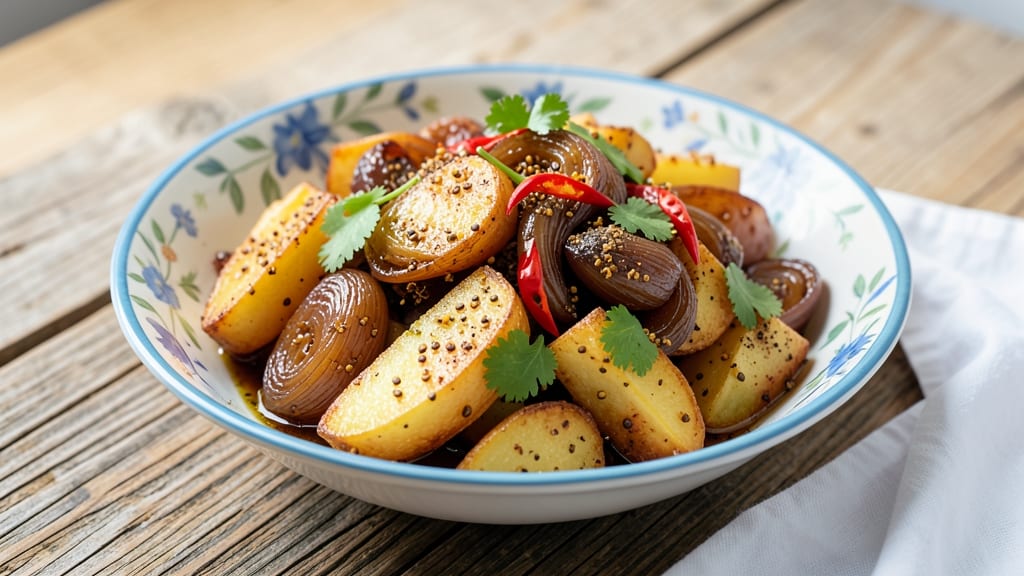
This Bengali potato recipe transforms humble spuds into a fragrant, crisp-edged masterpiece using mustard seeds and golden turmeric. The secret lies in the tempering process—where whole spices sizzle in hot oil until they release their aromatic magic.
I first discovered this technique during a visit to Kolkata, where every bite of aloo posto felt like a warm embrace of tradition.
What makes this dish special is the perfect balance of textures: crispy potato edges that give way to tender, flavorful centers. The mustard seeds add a subtle crunch, while turmeric infuses the oil with its signature golden hue and earthy warmth.
It’s a dish that’s both comforting and sophisticated, requiring just 30 minutes of active cooking time.
The result is a side dish that pairs beautifully with steamed rice or yogurt, offering a symphony of flavors in every bite. The aromatic spices and tender potatoes create a dish that’s simple yet deeply satisfying, perfect for family meals or special occasions.
This recipe captures the essence of Bengali home cooking—where every ingredient plays a crucial role.
Once you try this method, you’ll understand why it’s a staple in Bengali households. The key is patience—letting the spices bloom and the potatoes absorb the flavors fully. Trust me, the first bite will make you want to recreate this dish again and again.
Ingredients for bengali potato
Humble potatoes meet aromatic spices—just eight ingredients for a dish that feels like home.
| Ingredient | Amount | Notes |
|---|---|---|
| Russet Potatoes 🥔 | 2 lb | Cut into even 1-inch chunks |
| Mustard Seeds 🌶️ | 2 tsp | Whole, yellow variety preferred |
| Turmeric Powder 🌿 | 1 ½ tsp | Freshly ground for vibrant color |
| Cumin Seeds 🌿 | 1 tsp | Toasted for deeper aroma |
| Red Chili Powder 🌶️ | ½ tsp | Adjust for heat preference |
| Garam Masala 🌶️ | ½ tsp | Ground blend of spices |
| Asafoetida Powder 🌿 | ¼ tsp | Optional for authentic flavor |
| Vegetable Oil 🫒 | ½ cup | High smoke point preferred |
| Salt 🧂 | 1 ½ tsp | Kosher salt preferred |
| Fresh Cilantro 🌿 | ¼ cup | Chopped, for garnish (optional) |
| Lemon Juice 🍋 | 1 tbsp | Freshly squeezed |
The potatoes are the star, so pick firm, starchy russets—they hold up better to boiling. Cut them evenly so they cook at the same rate. For the spices, Indian grocery stores have the best selection—look for whole mustard seeds and cumin seeds in bulk bins. The turmeric should be vibrant yellow, not dull. Asafoetida might be hard to find outside Indian markets, but don't stress—it's optional. The garam masala blend is key here; MDH or Everest are reliable brands if you can't find a specialty store.
No mustard seeds? Poppy seeds at double the amount add a different but nice crunch. Short on turmeric? Yellow onion powder at half the amount gives a similar golden hue. The oil matters—ghee or coconut oil adds richness, but vegetable oil works fine. Fresh cilantro is ideal, but dried oregano in a pinch (use half the amount) keeps the dish vibrant. The lemon juice brightens everything—don't skip it, even if it's just a squeeze from a bottle. For extra authenticity, add a pinch of black salt (kala namak) if you can find it.
This dish tastes even better the next day—reheats perfectly in a pan or microwave. Store leftovers in an airtight container for 3-4 days in the fridge. The spices keep their punch for 6 months in a cool, dark place. Double the batch—it disappears fast at family gatherings. The potatoes can be prepped ahead and stored in water until ready to cook, but drain and pat them dry before frying for crispy edges.
Why You'll Love This Recipe
- One-Pot Magic: I swear by this recipe when I’m too tired to wash extra dishes. Russet potatoes get tossed in whole (yes, really) with the spices, and by the time they’re golden, the kitchen’s cleaner than if I’d chopped them. That first sizzle of mustard seeds? Instant flavor, zero fuss.
- Spice Bomb Alert: Between us, turmeric and red chili powder team up to create something ridiculously addictive. The cumin seeds add this earthy crunch that sticks with you—like a warm hug for your taste buds. (Yes, even on a Tuesday night.)
- Lunchbox Hero: This dish is my secret weapon for meal prep. Pack it in containers for work lunches, or serve it cold in sandwiches—it’s that versatile. My kids actually eat their veggies when it’s disguised as this, and honestly? That’s a win.
- Budget Win: Russet potatoes and basic spices? This recipe costs me pennies per serving. The leftovers keep for days, and reheating them just takes a few seconds in the microwave. Not the prettiest, but the taste makes up for it every time.
Step-by-step instructions for Bengali potato recipe
Here's how to make these flavorful, aromatic potatoes that balance spice and crunch perfectly.
Boil the Potatoes Until Tender
Start by placing the 2 lb Russet Potatoes in a large pot and covering them with cold water by about 2 inches. Add 1 tsp of the 1.5 tsp Salt and bring to a boil over medium-high heat. Once boiling, reduce the heat to medium and cook for 10-12 minutes until the potatoes are fork-tender but not falling apart.
I like to test them by piercing with a fork—they should slide in easily but still offer slight resistance. Drain the potatoes in a colander and let them cool slightly for 2-3 minutes before handling. This cooling step prevents them from breaking apart when you cut them later.
Dry and Cut the Potatoes
After draining, transfer the potatoes to a clean kitchen towel and gently pat them dry. This step is crucial for achieving crispy edges later. Once dry, cut the potatoes into even 1-inch chunks as specified in the ingredients list. I use a sharp chef's knife for clean cuts and avoid any odd shapes that might cook unevenly.
Spread the potato chunks on a baking sheet and let them sit uncovered for 5 minutes. This final drying step ensures maximum crispiness when we fry them later. The chunks should feel completely dry to the touch before proceeding.
Toast the Spices for Maximum Flavor
In a small dry skillet over medium heat, toast the 2 tsp Mustard Seeds and 1 tsp Cumin Seeds for 1-2 minutes until they begin to pop and release their aromatic oils. This step is what gives these potatoes their signature mustard-seed crunch and deep cumin aroma—don't skip it!
Immediately transfer the toasted seeds to a small bowl and set aside. In the same skillet, add 0.5 cup Vegetable Oil and heat it until shimmering but not smoking. Add the 1.5 tsp Turmeric Powder, 0.5 tsp Red Chili Powder, 0.5 tsp Garam Masala, and 0.25 tsp Asafoetida Powder, stirring constantly for 30 seconds until the spices bloom and fill your kitchen with that warm, earthy aroma.
Fry the Potatoes in Spiced Oil
Working in batches if needed, carefully add the potato chunks to the spiced oil. Fry over medium heat for 8-10 minutes, stirring occasionally, until the potatoes are golden brown and crispy on all sides. The oil temperature should remain steady—if it gets too hot, the potatoes will burn before crisping properly.
Here's the thing—don't overcrowd the pan. I fry in two batches if necessary to maintain the oil temperature. You'll know they're done when the edges are deep golden brown and the potatoes feel firm when pressed. Remove them with a slotted spoon and drain on paper towels to remove excess oil.
Finish with Fresh Herbs and Zesty Brightness
Transfer the fried potatoes to a serving bowl and toss gently with the 0.25 cup Fresh Cilantro and the remaining 0.5 tsp Salt. The cilantro adds a fresh contrast to the warm spices and fried potatoes. Finally, drizzle with 1 tbsp Lemon Juice and toss again to combine.
Serve immediately while still hot and crispy. The lemon juice brightens the dish, cutting through the richness of the fried potatoes and complementing the earthy spices. These potatoes make a fantastic side dish or can be served as a main course with yogurt or a simple salad.
Pro Tips For Making Bengali Potato
- SOAK CUT POTATOES: Russet potatoes release starch like crazy when sliced—soak them in cold water for 10 minutes before frying. I learned this the hard way after making a greasy mess in the pan. Drain and pat very dry afterward, or your potatoes will steam instead of crisp up.
- CRACK THE MUSTARD SEEDS: Heat the oil until it shimmers, then add mustard seeds before anything else—this guarantees they pop properly. If you toss them in cold oil, they’ll just sit there like sad, uncooperative little seeds. (Yes, even if you’re impatient like me.)
- SALT THE POTATOES MID-COOK: After the initial fry, sprinkle salt before adding turmeric and cumin. This lets the spices cling to the edges instead of floating away. I skip this and wonder why my dish tastes bland—then remember the salt step.
- USE LESS CHILI POWDER: Start with half the recipe’s red chili powder, then adjust to taste at the end. Bengali potato dishes should have warmth, not a mouthful of heat. (Your future self will thank you when you’re not chugging milk afterward.)
Storing and reheating your bengali potato
Fridge Storage Tips
Store your leftover Bengali potatoes in an airtight container for up to 3-4 days—the flavors actually deepen as the spices meld. I like using glass containers with snap-on lids to keep them fresh longer.
Let the potatoes cool completely before storing to prevent condensation, which can make them soggy. 🥫
Reheating for Crispy Edges
For best results, reheat in a skillet over medium heat with 1 tablespoon oil for 5-7 minutes, stirring occasionally. This maintains the crispy texture you worked so hard to achieve.
Avoid microwaving—it turns the potatoes rubbery. If using the microwave, cover with a damp paper towel and heat in 30-second bursts until warmed through.
Freezing for Later Use
This dish freezes beautifully for up to 3 months. Spread cooled potatoes in a single layer on a tray to freeze, then transfer to ziplock bags with excess air removed.
When ready to eat, thaw overnight in the fridge, then reheat in the skillet as directed above. The texture stays crispy if you don't overcrowd the pan during reheating. ❄️
Reviving Day-Old Potatoes
If your potatoes lost some crispiness overnight, don't worry! Toss them in a hot skillet with ½ teaspoon mustard oil for 2-3 minutes—the oil will restore that golden crunch. A squeeze of lemon juice brightens them up too. This trick works wonders for restaurant-quality results at home.
Portioning for Meal Prep
Divide reheated potatoes into single-serving portions in small containers for grab-and-go meals. Pair with steamed rice or a yogurt dip (mix ½ cup yogurt with 1 teaspoon chaat masala and 1 teaspoon lemon juice) for a complete meal.
The spices keep their punch when stored properly, making this a great make-ahead option for busy weeks. 📅
Spice Refresh Trick
If the spices seem muted after storage, sprinkle ¼ teaspoon garam masala and ¼ teaspoon red chili powder over reheated potatoes. A quick toss in the pan with 1 teaspoon oil revives the aroma instantly.
This little hack saves you from starting over—just like a Bengali home chef would do! 🌶️
Nutrition facts
Frequently asked questions
Can I use sweet potatoes instead of russet potatoes?
While you can substitute sweet potatoes, the texture and flavor will differ significantly. Russet potatoes are starchy and hold their shape better when fried, giving that signature crispy edge. Sweet potatoes are denser and may turn mushy. If you must use them, boil for 15-18 minutes until tender and fry at a lower heat for 10-12 minutes to avoid burning.
Why do my potatoes turn out soggy instead of crispy?
Soggy potatoes usually mean one of two things: either they weren't dried properly before frying or the oil wasn't hot enough. First, ensure you pat them completely dry after boiling and let them air-dry for 5 minutes on a baking sheet. Second, maintain medium heat—if the oil smokes too much, it's too hot. Fry in batches if needed to keep the oil temperature steady.
What's the best way to make this dish spicier?
For extra heat, add ½ teaspoon cayenne pepper to the spice mix or include 1-2 green chilies, finely chopped, when tossing with cilantro. You can also increase the red chili powder to 1 teaspoon and add a pinch of black pepper for depth. Adjust to taste—Bengali cuisine balances heat with cooling elements like yogurt or lemon.
Can I make this recipe without mustard seeds?
Yes! If you can't find mustard seeds, use 4 teaspoons poppy seeds for a milder crunch or 1 teaspoon nigella seeds (kalonji) for a unique flavor. For a nutty alternative, toast 1 teaspoon cumin seeds until fragrant and double the amount. The dish will still taste delicious—just with a different texture profile.
What's the traditional way to serve these potatoes in Bengal?
In Bengal, these potatoes (often called aloo posto) are traditionally served as a side with steamed rice or luchi (Bengali fried bread). For a complete meal, pair with a dollop of yogurt mixed with roasted cumin and chaat masala, or a simple onion-tomato salad. The dish is also popular during festivals like Durga Puja, where it's offered as prasad (sacred food).