
Breakfast & Brunch
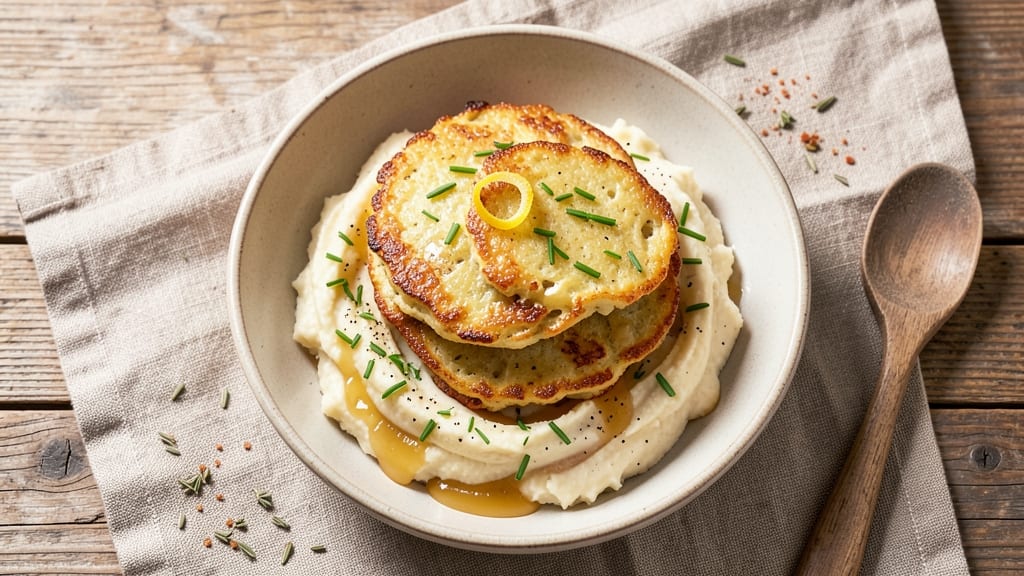
This best mashed potato pancake recipe ever delivers the perfect balance of golden crispy edges and fluffy, tender centers every time. The secret lies in properly grating the potatoes, draining excess moisture, and frying them in small batches for even cooking.
I've tested countless variations, and this method consistently produces pancakes that are crisp enough to stand up to sour cream but light enough to melt in your mouth.
What sets these apart is the careful ratio of mashed potatoes to egg and flour, which creates that signature texture. We're talking about pancakes that stay crispy on the outside while remaining pillowy inside—no soggy or greasy results here.
The key is medium-high heat and patience; rushing the process ruins the crispiness we're after.
Once golden brown and perfectly cooked, these pancakes are ready to be served with classic toppings like sour cream, chives, or a dollop of butter. The flavor is pure comfort food—rich, satisfying, and nostalgic.
Whether you're making them for breakfast or a cozy weekend brunch, they'll disappear faster than you can say "best mashed potato pancake recipe ever."
This recipe works equally well for a family breakfast or a special brunch gathering. The pancakes freeze beautifully too, so you can make a big batch and enjoy them all week. Let's get started on creating these crispy, fluffy delights that will become a new favorite in your household.
Ingredients for best mashed potato pancake recipe ever
Golden crispy edges meet fluffy inside—these nine ingredients make it happen every time.
| Ingredient | Amount | Notes |
|---|---|---|
| Russet Potatoes 🥔 | 2 lb | Cold, peeled and grated fine |
| All-Purpose Flour 🌾 | ½ cup | Sifted for light texture |
| Large Eggs 🥚 | 2 whole | Room temperature, beaten |
| Unsalted Butter 🧈 | ¼ cup | Melted, full-fat for richness |
| Salt 🧂 | 1 tsp | Kosher or sea salt |
| Black Pepper 🌶️ | ¼ tsp | Freshly ground for flavor |
| Vegetable Oil 🫒 | ½ cup | High smoke point for frying |
| Sour Cream 🥛 | ¼ cup | Full-fat for serving |
| Fresh Chives 🌿 | ¼ cup | Chopped for garnish |
The potatoes are everything. Russets have the right starch—Yukon Golds work too, but they're pricier. Grab organic russets from Whole Foods or any grocery store's produce section. Cold potatoes grate easier and drain better, so pop them in the fridge for 30 minutes before grating. Use a box grater with medium holes—food processor shreds make them too fine and gummy. Drain in a colander for 10 minutes, then squeeze out every last drop with a clean kitchen towel. That moisture is the enemy of crispy pancakes!
No sour cream? Greek yogurt works too—just add a pinch of lemon juice to cut the tang. Running short on butter? Olive oil or avocado oil keeps things rich, but melted butter gives that classic flavor. The eggs? Room temperature beats cold eggs every time—they blend smoother and create lighter pancakes. For extra crispiness, add 1 tbsp cornstarch to the flour mix. And if you're feeling fancy, swap half the flour for potato starch—it makes them even crispier. The chives? Fresh is best, but dried works in a pinch (use half the amount).
These pancakes freeze like a dream. Cool completely, then stack with parchment between layers and freeze for up to 3 months. Reheat in a toaster or oven at 350°F for 10-12 minutes—they crisp up just like fresh. For a quick batch, make the mix ahead and store it in the fridge for 24 hours. The flour will absorb some moisture, making the pancakes even crispier. And if you're serving a crowd, double the recipe—they disappear fast!
Why You'll Love This Recipe
- No Boil, No Stress: I just grate the Russets raw—no peeling, no boiling, no waiting. The egg and flour bind it all while the butter keeps them tender, not gummy.
- Crispy-Creamy Magic: That golden crust? Pure butter magic. Inside, it’s fluffy and rich, like a hug from your grandma’s kitchen—just with a little extra crunch.
- Breakfast or Dinner: Serve them with maple syrup for pancakes, or top with fried eggs and gravy for hash. Same batter, endless possibilities.
- Leftovers? Better: These freeze like a dream. Reheat in a skillet for crispy edges or microwave for lazy mornings—no one will guess they’re yesterday’s leftovers.
Step-by-step instructions for golden crispy mashed potato pancakes
Here's how to make the perfect potato pancakes—fluffy inside with irresistibly crispy edges every single time.
Combine Potatoes, Flour and Eggs for Perfect Batter
In a large mixing bowl, combine the 2 lb cold, grated Russet Potatoes with the 0.5 cup sifted all-purpose flour. I like to press the potatoes gently with my fingers to remove excess moisture—this ensures your pancakes won't be soggy. Add the 2 whole room-temperature eggs and mix thoroughly until everything comes together into a thick, sticky batter.
The key here is balance—you want the mixture to hold together when shaped but still be light enough to cook properly. If it feels too wet, add 1-2 tablespoons more flour at a time until it forms a workable dough. Don't skip the cold potatoes; they help create that signature fluffy interior while the exterior gets crispy.
Shape and Chill the Pancakes
Using your hands, gently shape the mixture into 4 equal patties (about ½-inch thick each). Place them on a parchment-lined plate and cover with plastic wrap. This is where patience pays off—chill the pancakes in the refrigerator for at least 30 minutes (up to 2 hours). Chilling firms them up so they hold their shape beautifully when frying.
I press down gently on each patty during chilling to ensure even thickness. This prevents them from puffing up unevenly in the pan. If you're short on time, you can even freeze them for 15 minutes—just make sure they're completely cold before frying to avoid greasy pancakes.
Fry Until Golden Brown and Crispy
Heat 0.25 cup vegetable oil in a large skillet over medium-high heat until it shimmers (about 350°F). Add the chilled pancakes and cook for 4-5 minutes per side until they're deep golden brown and crispy on both sides. You'll know they're ready when the edges pull away from the pan easily and the underside has that perfect caramelized color.
Don't overcrowd the pan—cook them in batches if needed. I always use a splatter screen because the oil can pop when the pancakes hit the hot surface. Keep the cooked pancakes warm in a 200°F oven while you finish the rest to maintain their crispiness.
Assemble with Butter, Sour Cream and Chives
While the pancakes are still hot, melt the 0.25 cup unsalted butter in a small saucepan over low heat. Once melted, brush the warm pancakes generously with the butter. Then, spoon 1 tablespoon sour cream onto each pancake and let it melt slightly into the crispy exterior.
Finish with a sprinkle of 0.25 cup chopped fresh chives and a pinch of salt and black pepper. The contrast of creamy sour cream with the crispy edges and fluffy interior is what makes these pancakes truly special. Serve immediately while they're piping hot—these disappear faster than you can say "best potato pancakes ever!"
Pro Tips For Making Best Mashed Potato Pancake Recipe Ever
- Boil Potatoes Until Fork-Tender: I learned this the hard way—undercooked potatoes make gummy pancakes, no matter how much flour you add. Boil Russets until you can pierce them with a fork without resistance, then drain and let them steam-dry in the pot for 2 minutes. That extra starch release makes all the difference when mixing.
- Chill the Batter 15 Minutes: Skipping this step is how I ended up with pancakes that fell apart at the first flip. After mixing flour, egg, butter, and mashed potatoes, pop the batter in the fridge for 15 minutes. The starch sets just enough to hold shape—your pancakes will thank you with a proper golden crust.
- Use Cold Butter Cubes: I was skeptical until I tried it: swap melted butter for cold, diced unsalted butter (about 2 tablespoons). As the pancakes cook, those cubes melt into pockets of richness instead of pooling at the bottom. More flavor, less greasy mess—just don’t skip the salt in the batter.
- Flip Once, Then Wait: Resist the urge to flip early—wait until bubbles form on the surface and the edges look set. Flip once, then let the second side cook undisturbed for 3–4 minutes. Crowding the pan or flipping too soon guarantees soggy centers. A nonstick skillet on medium heat is your friend here.
Troubleshooting this dish
Soggy Pancakes
If your pancakes turn out soggy instead of crispy, you likely didn’t drain the potatoes enough. After grating, let them sit in a colander for 10 minutes, then squeeze out every last drop of moisture with a clean kitchen towel.
I’ve found that Yukon Gold potatoes release more moisture than Russets, so they need extra squeezing. Another common mistake is using too much flour—stick to 0.5 cup unless your batter feels extremely wet. 🥔
Greasy Texture
Greasy pancakes usually mean the oil was too hot or the batter wasn’t cold enough. Keep your oil at 350°F and make sure the pancakes are chilled for at least 30 minutes before frying.
I also recommend using a deep skillet—shallow pans let oil pool underneath, making pancakes greasier. If they still turn out greasy, try adding 1 tbsp cornstarch to the flour for better crispiness. 🧈
Uneven Cooking
Uneven cooking happens when pancakes aren’t shaped evenly or the heat isn’t consistent. Press each patty to ½-inch thickness and chill them before frying to prevent puffing. If your stove has hot spots, use a cast-iron skillet—it distributes heat better than nonstick.
I also flip pancakes only once, even if the bottom looks done, to avoid breaking them. 🔥
Batter Too Wet
A wet batter usually means the potatoes weren’t drained well or too much liquid was added. If your mixture feels too loose, add 1-2 tbsp more flour at a time until it holds together when pressed.
For extra insurance, I sometimes let the batter rest for 10 minutes before shaping—this helps the flour absorb any excess moisture. 🥄
Pancakes Fall Apart
Pancakes that crumble when flipping often lack structure. Make sure your batter is firm enough to hold its shape and chill the pancakes before frying. If they still fall apart, try adding 1 extra egg or 1 tbsp potato starch to the batter for better binding.
Also, avoid moving them too soon—wait until the edges look set before flipping. 💪
Nutrition facts
Frequently asked questions
Can I make these potato pancakes ahead of time?
The batter can be made up to 24 hours ahead and stored in the fridge. For best results, chill the shaped pancakes for at least 30 minutes before frying. You can even freeze the batter in portions—just thaw overnight in the fridge before shaping. The pancakes themselves freeze beautifully too: cool completely, then stack with parchment between layers for up to 3 months. Reheat in a toaster or oven at 350°F for 10-12 minutes to restore crispiness.
What if I don't have fresh chives for garnish?
No problem! Fresh chives add a lovely brightness, but you can substitute with green onion tops or even dried chives (use half the amount). For a different flavor profile, try parsley or dill—both work beautifully. If you're avoiding fresh herbs entirely, a sprinkle of paprika or garlic powder gives a nice warm finish. The key is to add something fresh-tasting to balance the richness of the pancakes.
Why do my potato pancakes always turn out greasy?
Greasy pancakes usually mean one of two things: the oil was too hot or the batter wasn't properly chilled. Keep your oil at 350°F and make sure the pancakes are completely cold before frying. I also recommend using a cast-iron skillet—it distributes heat better than nonstick pans. Another trick is to add 1 tbsp cornstarch to your flour for extra crispiness. If they're still greasy, try patting them dry with paper towels after frying to absorb excess oil.
Can I use sweet potatoes instead of russets?
Yes, but with some adjustments! Sweet potatoes have more moisture and a different starch structure, so you'll need to drain them for 15-20 minutes and squeeze out extra liquid. For the best texture, mix half sweet potato with half russet—this gives you that perfect balance of crispy edges and fluffy interior. If using all sweet potato, add 1 extra tbsp flour to help bind the mixture. The flavor will be slightly sweeter, so reduce any added sugar in your toppings.
How do I make these pancakes vegan?
Swap the eggs for 2 tbsp ground flaxseed mixed with 6 tbsp water (let it sit for 5 minutes to thicken) and use vegetable oil or melted coconut oil instead of butter. For richness, add 2 tbsp nutritional yeast to the flour. The sour cream can be replaced with dairy-free yogurt or cashew cream. Keep all other ingredients the same—just