
Desserts
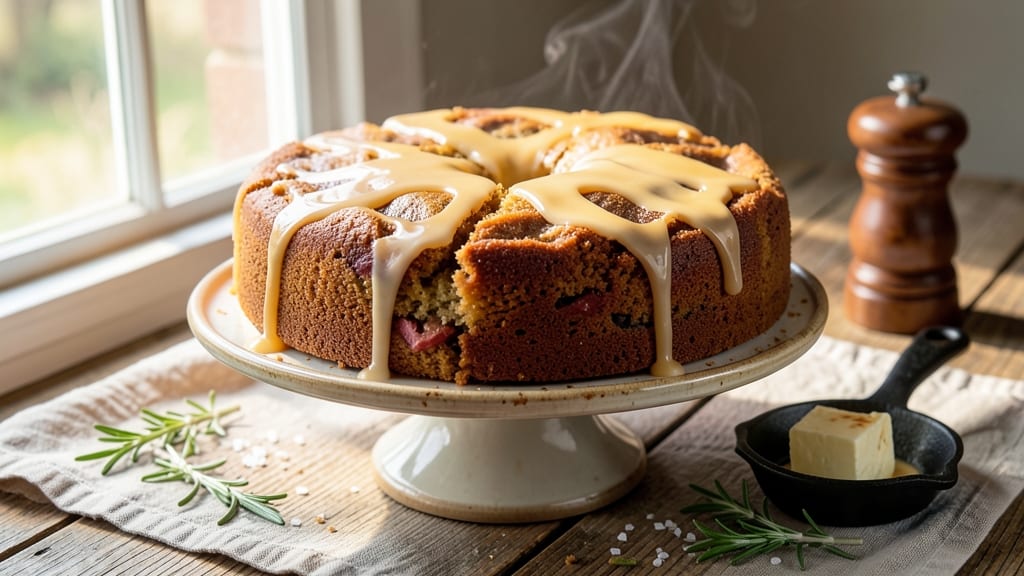
This Southern sweet potato pound cake delivers the perfect balance of moist, spiced sweet potato goodness with a crunchy, golden top that begs for a second slice. 💛 The secret lies in puréed sweet potatoes that infuse the batter with natural sweetness and moisture, while warm spices like cinnamon and nutmeg create that signature Southern flavor profile.
What sets this recipe apart is the combination of traditional pound cake techniques with Southern-inspired flavorings. The cake bakes up with a tender crumb that stays moist for days, thanks to the natural sweetness of the sweet potatoes and the perfect ratio of butter to sugar.
The crunchy top comes from a simple cornmeal streusel that adds texture without overpowering the delicate cake.
This cake is ideal for serving with a cup of coffee or tea, especially during the holidays when sweet potato desserts are a staple. The warm spices make it comforting enough for breakfast but elegant enough for dessert.
Whether you're baking for a family gathering or treating yourself to a special dessert, this recipe delivers restaurant-quality results with minimal effort.
Once baked, the cake's aroma fills your kitchen, and the first bite reveals layers of flavor—sweet, spiced, and just slightly nutty from the brown sugar. The crunchy top provides satisfying contrast to the soft interior, making each slice worth savoring. Let's get started on creating this Southern classic!
Ingredients for southern sweet potato pound cake
Pantry staples meet Southern tradition—sweet potatoes, warm spices, and a crunchy cornmeal crown.
| Ingredient | Amount | Notes |
|---|---|---|
| Sweet Potatoes 🍠 | 2 lbs | Puréed, skin removed |
| Unsalted Butter 🧈 | 1 ½ cups | Room temperature, full-fat |
| Granulated Sugar 🍚 | 2 cups | Light brown preferred |
| Light Brown Sugar 🍚 | 1 cup | Packed firmly |
| Large Eggs 🥚 | 4 whole | Room temperature |
| All-Purpose Flour 🌾 | 2 ½ cups | Sifted, spooned lightly |
| Ground Cinnamon 🌿 | 2 tsp | Freshly ground preferred |
| Ground Nutmeg 🌿 | 1 tsp | Freshly grated |
| Ground Ginger 🌿 | 1 tsp | Freshly ground |
| Salt 🧂 | 1 tsp | Diamond Crystal preferred |
| Cornmeal 🌾 | ½ cup | Fine grind for streusel |
| Vanilla Extract 🍯 | 1 tbsp | Pure, high-quality |
| Baking Powder 🧂 | 2 tsp | Aluminum-free |
| Buttermilk 🥛 | ½ cup | Room temperature |
The sweet potatoes are the heart of this cake. Orange-fleshed varieties like Jewel or Beauregard work best—they're naturally sweet and moist. Trader Joe's and Costco usually carry them year-round, but check the produce section for firm, vibrant tubers. Roast or steam them until tender, then purée until completely smooth. No lumps! The butter should be room temperature but not melted—press a finger into it and it should leave a slight indentation. Land O'Lakes or Plugrá brands are reliable for consistent quality. For the spices, Penzeys or McCormick offer freshly ground options that elevate the flavor significantly over pre-ground.
No buttermilk? Mix 1 tbsp lemon juice or vinegar with 0.5 cup milk and let sit 5 minutes. The cornmeal streusel is non-negotiable for that signature crunch—Bob's Red Mill fine grind works perfectly. Swap brown sugars for white if needed, but you'll lose that subtle molasses depth. Freshly grated nutmeg makes all the difference; pre-ground loses potency fast. For the flour, King Arthur or Gold Medal brands are consistent, but sift it yourself—boxed cake flour won't give you that tender crumb. The vanilla extract should be pure, not imitation—Nielsen-Massey is a reliable choice. If you're short on time, store-bought sweet potato purée works in a pinch, but homemade gives you that restaurant-quality texture.
This cake keeps beautifully—3-4 days at room temperature wrapped tightly in plastic, or 1 week refrigerated. For longer storage, slice and freeze portions between parchment paper for 3 months. The crunchy top stays crisp for about 24 hours, so serve it fresh if you can. Leftovers reheat well in a 350°F oven for 10 minutes—just wrap them in foil to prevent drying. The aroma alone will have your kitchen smelling like a Southern bakery. Portion into individual slices for easy serving—perfect with coffee or tea any time of day.
Why You'll Love This Recipe
- No Peel Required: I’ll admit, I used to dread the peeling—until I realized roasting the sweet potatoes whole cuts the work in half. Just scrub, poke holes, and bake until tender. No knife, no mess, just pure convenience.
- Sweet Potato Magic: That natural caramelized depth from roasted sweet potatoes? It’s like someone sprinkled gold dust in there. The brown sugar and butter amplify it into something rich, moist, and just sweet enough—no artificial flavors needed.
- Breakfast to Dessert: Honestly, this cake is my secret weapon for lazy mornings (toast a slice, slather with butter) or when I need a showstopper for brunch. The same batter works for a quick dessert too—just add a sprinkle of cinnamon or a drizzle of honey.
- Budget-Friendly Staples: Between us, this recipe uses pantry basics that don’t break the bank. Sweet potatoes last forever, butter stretches far, and eggs are always on hand. Plus, the leftovers? They disappear faster than I can say “second slice.”
Step-by-step instructions for Southern sweet potato pound cake
Here's how to create that signature Southern texture—tender crumb with a crackly top.
🍳 Step 1: Purée Sweet Potatoes Until Silky
Preheat oven to 400°F and pierce the sweet potatoes all over with a fork. Roast directly on a baking sheet for 45-50 minutes until completely tender when pierced with a knife. Let cool slightly, then peel off the skins.
Transfer the roasted sweet potatoes to a food processor and purée until completely smooth, scraping down the sides as needed. You should have about 2 cups of purée. The texture should be velvety with no lumps—this ensures your cake stays moist. Taste and adjust seasoning with a pinch of salt if needed, but don't overdo it as we'll add more later.
👨🍳 Step 2: Cream Butter and Sugars for Proper Aeration
In a large mixing bowl, beat the 1.5 cups unsalted butter (room temperature) with the 2 cups granulated sugar and 1 cup packed light brown sugar on medium speed for 4-5 minutes. The mixture should become pale, fluffy, and nearly triple in volume. This step is critical—it incorporates air that creates the cake's signature tender crumb.
Add the 4 room temperature eggs, one at a time, mixing well after each addition. Scrape down the sides of the bowl, then add the 1 tablespoon vanilla extract and mix for another 30 seconds. The batter should be thick and ribbon-like when you lift the beaters. If it's too thin, we'll adjust with the dry ingredients in the next step.
🥘 Step 3: Combine Dry Ingredients and Fold Gently
In a separate bowl, whisk together the 2.5 cups sifted all-purpose flour, 2 teaspoons ground cinnamon, 1 teaspoon ground nutmeg, 1 teaspoon ground ginger, 1 teaspoon salt, and 2 teaspoons baking powder. Sift the mixture directly into the wet ingredients and gently fold together using a spatula until just combined—you should still see some flour streaks. Overmixing develops gluten, which makes the cake tough.
Add the 2 cups sweet potato purée and 0.5 cup buttermilk, mixing just until incorporated. The batter will be thick and slightly sticky—this is normal. Don't worry if it looks too thick; the cornmeal topping will help create that signature crackly crust.
🍳 Step 4: Prepare the Cornmeal Topping
In a small bowl, combine the 0.5 cup fine grind cornmeal with 1 tablespoon granulated sugar and 1 teaspoon ground cinnamon. This topping creates the signature crackly top that Southern pound cakes are known for. Sprinkle it evenly over the batter in your prepared pan, pressing down gently to help it adhere to the surface.
Real talk: Don't skip this step. The cornmeal topping isn't just for show—it helps regulate moisture and creates that beautiful contrast between the tender crumb and crispy top. If you're nervous about it sticking, lightly grease your hands with butter and press it down firmly.
🔥 Step 5: Bake to Golden Perfection
Pour the batter into a greased and floured 10-inch tube pan (or two 9-inch round pans if preferred). Bake in the preheated 350°F oven for 50-55 minutes until a toothpick inserted in the center comes out clean. The cake should have a deep golden brown color on top, and the edges should pull away slightly from the pan.
Here's the thing—this cake continues cooking as it cools, so it's better to slightly underbake it. If the top browns too quickly, tent loosely with foil after 30 minutes to prevent over-browning while allowing the center to finish cooking. Let the cake cool in the pan for 15 minutes, then invert onto a wire rack to cool completely before slicing.
Pro Tips For Making Southern Sweet Potato Pound Cake
- Boil Potatoes First: Peel and boil sweet potatoes until fork-tender before mashing—no microwaving shortcuts here. Overcooked mashed potatoes turn gummy, and this cake needs that smooth, velvety texture to hold together. I learned this the hard way after a batch collapsed mid-bake.
- Cream Butter Slowly: Beat the butter and sugars at medium speed until light and fluffy, about 2-3 minutes. Rushing this step traps air poorly, and your cake will end up dense instead of tender. My grandmother swore by this, and she was right: patience here makes all the difference.
- Skip Overmixing Batter: Fold in dry ingredients just until combined—lumps are fine. Overmixing develops gluten, turning your pound cake into a tough, chewy brick instead of a moist, crumbly delight. I was skeptical until I tried it: less mixing, better texture.
- Test Doneness Early: Check for doneness at 45 minutes with a toothpick—it should come out with a few moist crumbs, not wet batter. Southern sweet potato cakes often need that extra time to set properly, and waiting saves you from a gummy center. (Yes, even if you're impatient like me.)
Essential equipment for perfect results
Tube Pan Essentials
For that signature Southern pound cake shape, a 10-inch tube pan is non-negotiable. I swear by Wilton's Non-Stick Aluminum Tube Pans—they distribute heat evenly and release cakes beautifully. If you don’t have one, a 9-inch round pan works, but you’ll lose that classic tower shape.
Grease the pan thoroughly with butter or baking spray and dust with flour to prevent sticking. For extra insurance, I line the bottom with parchment paper—just make sure it doesn’t peek over the edges. 🧈
Stand Mixer Advantage
A stand mixer (like the KitchenAid Artisan Series) is a game-changer for creaming butter and sugars. The paddle attachment ensures even aeration, while the whisk attachment helps fold in dry ingredients gently.
If you don’t have one, a hand mixer works in a pinch, but you’ll need to work in batches for the butter-sugar mixture. Pro tip: Use the kneading hook to mix wet ingredients if your mixer lacks a whisk attachment—just scrape the bowl frequently to avoid gluten development. ⚡
Food Processor for Purée
Your food processor is the secret weapon for silky-smooth sweet potato purée. A Cuisinart or Ninja model handles the job effortlessly, but even a basic blender works if you pulse frequently and scrape the sides.
Avoid chunky purée—it leads to a grainy cake. For extra insurance, strain the purée through a fine-mesh sieve to eliminate any lingering lumps. Trust me, the texture difference is noticeable. 🍠
Measuring Tools Matter
Precision is key, especially with dry ingredients. A scale (like the OXO Good Grips) ensures accurate measurements, but if you’re measuring by volume, use a dedicated measuring cup set—not your random coffee mug. For spices, a spice scoop or small measuring spoon guarantees consistency.
Pack brown sugar firmly into the cup—don’t tap it lightly! And always sift flour to avoid dense pockets in the cake. A sifter with a fine mesh (like the Norpro) makes this a breeze. 🌾
Oven Thermometer Check
Your oven’s temperature gauge is often inaccurate. A thermometer (like the Thermoworks Oven Thermometer) is a must—it ensures your 350°F setting is spot-on. I’ve seen cakes underbake or overbrown because of off temperatures.
If your oven runs hot, reduce the temp by 25°F and add 5-10 extra minutes to the bake time. Conversely, if it runs cold, increase the temp slightly. This small step makes all the difference. 🌡️
Wire Rack & Cooling
A wire cooling rack is essential for even cooling. Place it directly on the counter to allow air circulation around the cake. If you’re in a hurry, skip the rack and cool the cake in the pan, but this can lead to a soggy bottom.
For a crispier top, I recommend cooling the cake upside down in the pan for 15 minutes before transferring. This helps set the crunchy cornmeal layer. A large rack (like the Amazon Basics) fits standard pans perfectly. 💫
Nutrition facts
Frequently asked questions
Can I substitute regular potatoes for sweet potatoes in this recipe?
No, you shouldn't! Sweet potatoes add natural sweetness and moisture that regular potatoes lack. The starch content differs significantly—regular potatoes would make the cake dense and dry. If you're out of sweet potatoes, try using 1 cup canned pumpkin purée as a substitute, but reduce the sugar slightly to balance the flavor.
Why does my cake come out dense instead of tender?
Overmixing the batter is the most common culprit. Once you add the flour, fold just until combined—you should still see flour streaks. Another reason could be under-creaming the butter and sugars (they need to be pale and fluffy) or using cold eggs. Make sure all ingredients are room temperature and your oven is properly calibrated with a thermometer.
Can I make this cake without buttermilk?
Mix 0.5 cup milk with 1 tbsp lemon juice or vinegar and let it sit for 5 minutes to curdle. This creates the same tangy reaction as buttermilk. For extra richness, you could also use 0.5 cup plain yogurt instead. The acidity helps activate the baking powder for proper rise.
How do I store leftovers to keep them moist?
Wrap the cake tightly in plastic wrap or aluminum foil and store at room temperature for 2-3 days. For longer storage, refrigerate for up to 1 week or freeze slices for 3 months. To reheat, warm in a 350°F oven for 10 minutes wrapped in foil—this restores the moist texture. Avoid the microwave as it can make the cake gummy.
What's the best way to serve this cake?
This cake shines with a simple dusting of powdered sugar or a drizzle of honey butter. For a Southern touch, serve warm with a cup of strong black coffee or sweet tea. It's also delicious with a scoop of vanilla ice cream or a dollop of whipped cream. The warm spices make it perfect for breakfast with a pat of butter or as a dessert after holiday meals.