
Side Dishes
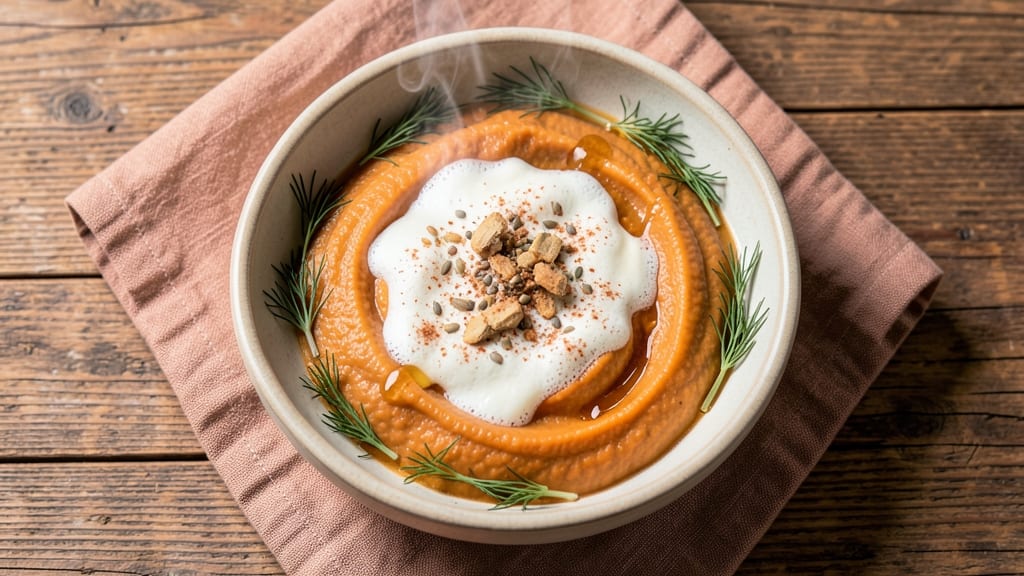
This sweet potato acid reflux recipe transforms a classic comfort food into a soothing, gut-friendly side dish that skips the triggers. Roasting brings out natural sweetness while gentle spices like cinnamon and ginger calm digestion—no harsh flavors here.
The key is simplicity: tender, caramelized sweet potatoes with a touch of almond milk for creaminess, all baked until fork-tender.
What makes this recipe work is the careful balance of ingredients—no tomatoes, garlic overload, or citrus that can aggravate reflux. Instead, we rely on soothing spices like fennel and cardamom, which aid digestion while adding warmth.
The almond milk not only creates a velvety texture but also provides healthy fats that help stabilize stomach acid. This method ensures every bite is comforting without being heavy.
By the time you pull these from the oven, you’ll have perfectly roasted sweet potatoes with a caramelized exterior and moist, creamy interior—ideal for pairing with grilled chicken or fish. The natural sweetness shines through, making it a satisfying side that won’t leave you reaching for antacids.
Ready in just 45 minutes, this dish is gentle enough for sensitive stomachs but flavorful enough to impress.
For extra soothing power, serve with a side of steamed green beans or a small bowl of plain oatmeal. The mild flavors and easy digestion make this the perfect addition to any reflux-friendly meal. Let’s make it—your stomach will thank you.
Ingredients for sweet potato acid reflux
Gentle, soothing ingredients that transform sweet potatoes into a reflux-friendly comfort side.
| Ingredient | Amount | Notes |
|---|---|---|
| Sweet Potatoes 🍠 | 2 lbs | Medium size, peeled and cubed |
| Unsalted Butter 🧈 | ½ cup | Cold, cubed for even roasting |
| Unsweetened Almond Milk 🥛 | ¼ cup | Lightly sweetened if preferred |
| Ground Cinnamon 🌿 | 1 ½ tsp | Freshly ground for warmth |
| Ground Ginger 🌿 | 1 tsp | Freshly ground for digestion |
| Ground Fennel Seed 🌿 | ½ tsp | Lightly toasted for aroma |
| Ground Cardamom 🌿 | ¼ tsp | Lightly toasted for depth |
| Honey 🍯 | 1 tbsp | Raw, for gentle sweetness |
| Extra-Virgin Olive Oil 🫒 | 1 tbsp | For even coating |
| Diamond Crystal Kosher Salt 🧂 | ½ tsp | Fine grain for balance |
| Freshly Ground Black Pepper 🌶️ | ¼ tsp | Lightly applied |
| Fresh Rosemary 🌿 | 1 tbsp | Chopped, for subtle aroma |
The sweet potatoes are the heart of this dish, so choose firm, vibrant orange ones—avoid any with soft spots or blemishes. Trader Joe's and Whole Foods carry excellent organic options, but regular grocery store sweet potatoes work fine if they're fresh. Peeled and cubed evenly, they'll roast up tender and caramelized without being heavy. For extra tenderness, I like to parboil them for 5 minutes before roasting, but it's not required—just watch them closely in the oven. The almond milk you pick matters too: unsweetened vanilla almond milk adds a touch of warmth without overpowering the natural sweetness of the potatoes.
No almond milk? Coconut milk or oat milk work beautifully, though coconut adds a slight richness. Short on fennel or cardamom? Ground coriander at half the amount gives a similar earthy note, while a pinch of nutmeg can mimic cardamom's warmth. The honey is there to balance the spices, but if you're avoiding it, maple syrup or agave are gentle alternatives. Fresh herbs like rosemary or thyme can be swapped in, but keep them mild—this dish is all about soothing, not bold flavors. And remember, the butter should be cold when you cube it for even roasting—no melting before it hits the oven!
These roast beautifully ahead of time, so make a double batch and store in an airtight container for up to 5 days. Reheat gently in the oven or microwave with a splash of water to keep them moist. For best texture, serve warm but not piping hot—this dish is all about gentle comfort. The spices stay potent for about 3 months if stored in a cool, dark place, so buy small amounts if you're not a frequent user. A sprinkle of extra cinnamon or a drizzle of honey at the table lets you adjust sweetness to your preference.
Why You'll Love This Recipe
- Five-Ingredient Magic: I swear, this recipe feels like cheating—just roast those sweet potatoes until tender, then blend in butter, almond milk, and a whisper of cinnamon and ginger. No fancy techniques, no stress, just done.
- Soothing Warmth: That velvety texture with the faintest kick of ginger? It’s like a hug for your stomach—gentle, comforting, and just spicy enough to wake up your taste buds without triggering reflux. Honestly, my go-to when I need something safe but satisfying.
- Leftovers That Last: Make a big batch on Sunday, and you’ve got breakfast, lunch, or dinner covered all week. The flavors only deepen overnight, and it reheats like a dream—no soggy edges, just creamy perfection every time.
- Budget-Friendly Comfort: Sweet potatoes and almond milk are pantry staples that won’t break the bank, and a little butter and spices stretch this into multiple servings. My wallet and my acid reflux thank me for this one.
Step-by-step instructions for sweet potato acid reflux roast
This gentle roast transforms simple sweet potatoes into a soothing side dish perfect for sensitive stomachs.
Prep and Season the Sweet Potatoes
Start by peeling the 2 lbs sweet potatoes and cutting them into even 1-inch cubes. I use a sharp chef's knife for clean cuts—this ensures uniform cooking and prevents any large, undercooked pieces. Place the cubes in a large bowl and toss them gently with 1 tablespoon extra-virgin olive oil to create an even coating. This oil helps the spices adhere and prevents the sweet potatoes from drying out during roasting.
Next, add the 0.5 teaspoon diamond crystal kosher salt, 0.25 teaspoon freshly ground black pepper, and 1 tablespoon chopped fresh rosemary to the bowl. Toss everything together until the sweet potatoes are evenly coated. The rosemary adds a subtle, earthy aroma that complements the natural sweetness without overpowering it. For extra digestion support, sprinkle in the 1.5 teaspoons ground cinnamon, 1 teaspoon ground ginger, 0.5 teaspoon ground fennel seed, and 0.25 teaspoon ground cardamom. These spices are gentle on the stomach while adding warmth and depth to the flavor.
Roast Until Tender and Golden
Preheat your oven to 400°F and arrange the seasoned sweet potatoes in a single layer on a rimmed baking sheet. I like to leave a little space between each cube so they roast evenly and develop a crispy exterior. Spread them out in an even layer—this ensures they cook through without steaming, which can make them soggy. Place the baking sheet on the middle rack of the oven for even heat distribution.
Roast the sweet potatoes for 25-30 minutes, stirring halfway through, until they are tender when pierced with a fork and golden brown on the edges. You'll know they're done when the knife slides in easily and the edges start to caramelize slightly. If you prefer them extra tender, you can roast them for an additional 5-10 minutes, but don't overcook—they should still hold their shape when served.
Create the Soothing Creamy Sauce
While the sweet potatoes roast, melt the 0.5 cup unsalted butter in a small saucepan over low heat. Once melted, remove the pan from heat and stir in the 0.25 cup unsweetened almond milk and 1 tablespoon honey. The warmth of the butter will gently melt the honey, creating a smooth, velvety sauce. Whisk in the 0.5 teaspoon ground fennel seed and 0.25 teaspoon ground cardamom for an extra layer of soothing flavor. Keep the sauce warm over the heat for a few minutes, stirring occasionally, until it's fully combined and slightly thickened.
This sauce is the secret to making this dish gentle on the stomach. The almond milk adds creaminess without the heaviness of dairy, while the honey and spices balance sweetness and warmth. The sauce should coat the back of a spoon and have a smooth, silky texture—almost like a light custard. If it thickens too much, add a splash more almond milk to reach your desired consistency.
Combine and Serve Warm
Once the sweet potatoes are perfectly roasted, transfer them to a large serving bowl. Pour the warm butter sauce over the top and gently toss everything together until the sweet potatoes are evenly coated. The sauce will cling to the edges of the cubes, creating a glossy finish that signals it's ready to serve. Taste and adjust the seasoning if needed—you might want to add a pinch more salt or a drizzle of honey to suit your preference.
Serve the sweet potatoes immediately while they're warm, as the sauce will thicken slightly as it cools. This dish pairs beautifully with grilled chicken or fish, making it a gentle yet flavorful side for any meal. The combination of soothing spices and creamy sauce makes it ideal for those managing acid reflux, offering comfort without irritation. Enjoy while still warm for the best texture and flavor!
Pro Tips For Making Sweet Potato Acid Reflux
- Peel After Baking: Sweet potatoes are easier to handle when warm—peel them right after pulling from the oven while they’re still hot. I learned this the hard way when I tried peeling raw ones and ended up with a mess of broken skin and uneven cuts.
- Simmer, Don’t Boil: Keep the almond milk at a gentle simmer when blending it into the sweet potatoes, or you’ll end up with a watery, thin consistency. A low, steady heat lets the milk incorporate smoothly without breaking.
- Toast the Spices: Warm the cinnamon and ginger in a dry pan for 30 seconds before mixing them in—this deepens their flavor and cuts through the natural sweetness of the potatoes. Skip this, and they’ll just taste like dust.
- Use Cold Butter: Whisk the unsalted butter into the hot mixture after removing it from heat, or it’ll seize up and turn into greasy clumps. Let it cool for 2 minutes first, then stir it in—smooth every time.
Storing and reheating your sweet potato acid reflux
Refrigerator Storage
Store your roasted sweet potatoes in an airtight container for up to 5 days in the refrigerator. Let them cool completely before transferring to prevent condensation, which can make them soggy. I use glass Pyrex containers with snap-on lids—they keep the potatoes fresh and make reheating easier.
When ready to eat, simply transfer them to a microwave-safe dish and cover with a damp paper towel to restore moisture. 💫
Freezer-Friendly Prep
For longer storage, freeze your roasted sweet potatoes for up to 3 months. Spread them on a parchment-lined tray and freeze until solid (about 1 hour), then transfer to a freezer-safe bag or container.
This prevents clumping. When reheating, thaw overnight in the fridge or use the microwave on defrost mode for 2-3 minutes before warming through. Add a splash of almond milk if they seem dry after reheating.
Gentle Reheating Methods
To preserve texture, reheat in the oven at 350°F for 10-15 minutes until warmed through. Cover loosely with foil to prevent drying. For microwave reheating, use 50% power in 1-minute intervals, stirring between each, until reaching 165°F.
Avoid high heat—this dish is all about gentle comfort, not crispy edges. A sprinkle of fresh rosemary after reheating adds a bright aroma that feels like a fresh start. ✨
Sauce Refresh Tips
The creamy almond milk sauce can separate when stored. Before reheating, whisk in 1 tablespoon warm water or almond milk to restore its silky texture. If the sauce thickens too much, thin it with a splash of milk before serving.
For extra richness, stir in 1 teaspoon melted butter while reheating. This keeps the dish's soothing qualities intact while adding a velvety finish. 🥛
Portion Control
Divide leftovers into single-serving portions before storing to make reheating easier. This prevents overcooking some pieces while others stay cold. I like to keep portions in small glass jars—they reheat evenly and are perfect for meal prep lunches.
Label with the date to track freshness, and aim to eat within 3 days for best flavor and texture. 📅
Nutrition facts
Frequently asked questions
Can I use regular potatoes instead of sweet potatoes for this recipe?
While you can technically use regular potatoes, they won't provide the same soothing benefits for acid reflux. Sweet potatoes are naturally lower in acidity and higher in fiber, which helps calm digestion. The natural sweetness also pairs beautifully with the gentle spices in this recipe. If you must substitute, try red-skinned potatoes for a slightly better texture, but expect a different flavor profile.
Are these spices safe for everyone with acid reflux?
This recipe uses mild, reflux-friendly spices like cinnamon, ginger, fennel, and cardamom that are generally safe for most people. However, everyone's tolerance varies—some may find ginger too strong. Start with half the amount if you're sensitive, or skip it entirely. Always check with your doctor if you have severe reflux or other digestive conditions before trying new spices.
How can I make this dish even creamier without dairy?
For extra creaminess, blend 1/4 cup cooked sweet potatoes with the almond milk sauce before mixing it back in. This creates a velvety texture similar to mashed potatoes. Another option is to stir in 1 tablespoon tahini (sesame paste) for a nutty richness, or add 1/2 cup silken tofu blended into the sauce for a protein boost without heaviness.
Can I bake these sweet potatoes instead of roasting?
Yes, but the texture will be slightly different. For baking, arrange the sweet potatoes in a single layer on a baking sheet and cover with foil. Bake at 375°F for 45-50 minutes until tender, then uncover and bake 10 more minutes to develop some color. The result will be softer inside with less caramelization on the edges compared to roasting.
What's the best way to reheat leftovers without drying them out?
Reheat in the oven at 350°F for 10-15 minutes with a splash of almond milk or water in the bottom of the pan to add moisture. For microwave reheating, use 50% power in 1-minute intervals, stirring between each. Cover with a damp paper towel to trap steam. Never reheat to piping hot—aim for just warm to preserve the gentle texture.