
Side Dishes
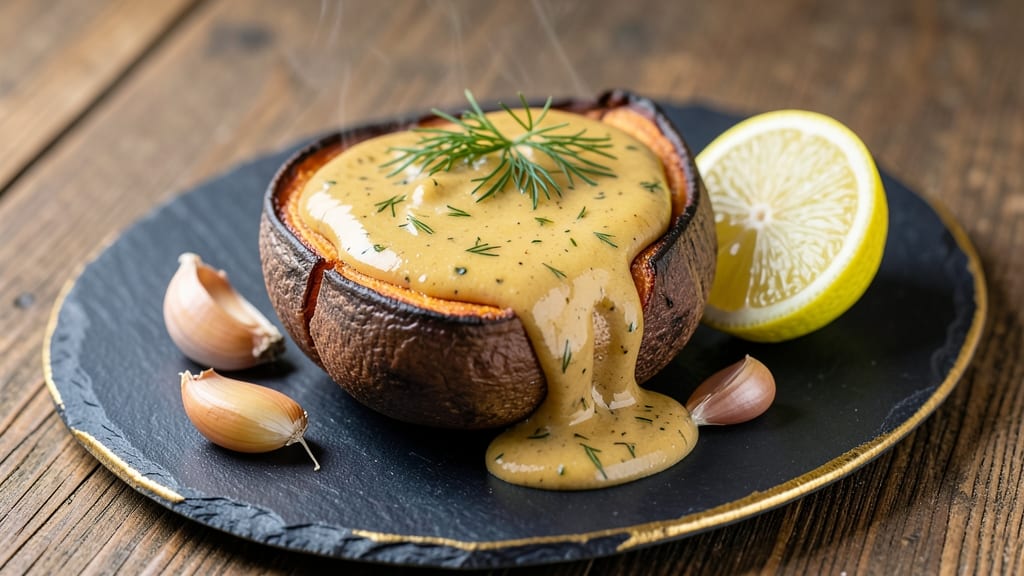
This sweet potato aioli recipe transforms humble ingredients into a velvety, garlicky dip that elevates every bite. The secret lies in roasting sweet potatoes until caramelized, then blending them into a smooth emulsion with garlic, dill, and olive oil—creating a sauce that's both creamy and packed with natural sweetness.
What sets this apart is the depth of flavor from roasted sweet potatoes, which adds a subtle caramelized richness that store-bought aioli can't match.
The process is straightforward but requires attention to detail for that perfect emulsion. You'll start by roasting sweet potatoes until tender, then blend them with garlic, fresh dill, and a touch of lemon juice before gradually incorporating oil to create a stable, creamy texture.
This isn't just any aioli—it's a versatile condiment that works as a dip for fries, a spread for sandwiches, or a tangy sauce for grilled meats.
What makes this recipe truly special is its balance of flavors: the natural sweetness of roasted sweet potatoes, the sharpness of garlic, and the bright, herbal notes of dill come together in harmony.
The result is a sauce that's rich yet light, creamy without being heavy, and impossible to resist. It's the kind of dip that turns simple snacks into something extraordinary.
Best of all, this aioli keeps well in the refrigerator for up to five days, making it perfect for meal prep. Whether you're serving it at a game-day gathering or using it to elevate a weeknight dinner, this recipe delivers restaurant-quality flavor with minimal effort. Let's get started!
Ingredients for sweet potato aioli
Eight simple ingredients. One game-changing dip that tastes nothing like store-bought aioli.
| Ingredient | Amount | Notes |
|---|---|---|
| Sweet Potatoes 🍠 | 2 medium | Roasted until tender |
| Garlic Cloves 🧄 | 4 cloves | Freshly minced for punch |
| Fresh Dill 🌿 | ½ cup | Chopped, stems removed |
| Extra-Virgin Olive Oil 🫒 | 1 cup | High quality, fruity |
| Lemon Juice 🍋 | 2 tbsp | Freshly squeezed |
| Salt 🧂 | ½ tsp | Diamond Crystal preferred |
| Black Pepper 🌶️ | ¼ tsp | Freshly ground |
| Mayonnaise 🥫 | ¼ cup | High-quality for emulsion |
| Water 💧 | 1 tbsp | For thinning if needed |
Sweet potatoes are the star here—orange-fleshed varieties like Jewel or Beauregard roast up sweeter and creamier. Trader Joe's usually carries them pre-peeled and cubed, which saves time. If you're buying whole, roast them at 400°F until fork-tender—that caramelized depth is what makes this aioli special. Fresh dill is a must (the dried stuff just can't compete), but if you're in a pinch, dried dill at one-third the amount works. For the olive oil, California avocado oil has a neutral flavor that won't overpower the sweet potatoes.
No fresh dill? Fresh parsley or cilantro in a pinch (though flavor will differ). Ran out of mayo? Greek yogurt or vegan mayo works just as well for the emulsion. The lemon juice can be swapped for apple cider vinegar if you're out, but fresh lemon adds that bright tang. For extra richness, add 1 tbsp tahini to the blend. The water is just for thinning if your aioli gets too thick—start with just a teaspoon and adjust as needed. Pro tip: Roast the sweet potatoes with a drizzle of olive oil to boost flavor.
This aioli keeps beautifully—5 days in the fridge sealed in an airtight jar. For longer storage, freeze in ice cube trays and transfer to a bag. Thaws perfectly! The flavor actually improves after a day as everything melds. Double the batch—it disappears fast at game day gatherings. Store the mayo separately if you're worried about separation, then mix when ready to use. Trust me, you'll want to make this again and again.
Why You'll Love This Recipe
- No Blender Needed: I swear by this trick—just mash the cooked sweet potatoes with a fork until smooth, then fold in the garlic, olive oil, and lemon. No fancy equipment, just elbow grease and a bowl. (Yes, even if you’re not a kitchen pro.)
- Herb-Garlic Magic: That bright dill and punchy garlic cut through the sweetness like a breath of fresh air. The olive oil keeps it rich, while the lemon juice adds this just-right tang—like a hug for your taste buds.
- Game for Any Meal: Slather it on grilled chicken, toss it with roasted veggies, or pile it on a sandwich. Honestly, I’ve even used it as a dip for fries when I’m lazy. Works for weeknights, potlucks, or whenever you need something that actually elevates the plate.
- Budget-Friendly Staple: Sweet potatoes and garlic are cheap, and a little goes a long way. I make a big batch, store it in the fridge, and it lasts for days—no waste, no stress. (Between us, this is my secret for stretching groceries without sacrificing flavor.)
Step-by-step instructions for sweet potato aioli
Here's how to blend roasted sweet potatoes with garlic and dill for a velvety, restaurant-worthy dip.
Roast Sweet Potatoes Until Tender
Preheat your oven to 400°F. Pierce the 2 medium sweet potatoes with a fork a few times to allow steam to escape. Place them on a baking sheet and roast for 45-50 minutes until they're fork-tender with slightly caramelized edges. You'll know they're done when the skin is crispy and the flesh yields easily to a knife.
Let the sweet potatoes cool for 10 minutes before handling. This cooling period prevents the aioli from becoming too thin when mixed with hot ingredients. While they cool, I like to scoop out the flesh directly from the skins—it's easier than peeling and saves time. You should end up with about 1½ cups of roasted sweet potato flesh.
Blend Roasted Sweet Potatoes with Garlic and Dill
In a food processor, combine the cooled roasted sweet potatoes, 4 cloves garlic cloves (peeled), and 0.5 cup chopped fresh dill. Pulse until everything is finely chopped but not completely smooth—you want to retain some texture for that rustic quality. This blend forms the flavor base of your aioli, so take your time here to ensure even distribution of all ingredients.
Taste the mixture and adjust seasoning with 0.5 tsp salt and 0.25 tsp black pepper if needed. I usually add the salt first, then taste, and adjust pepper afterward. This blend should be vibrant, with bright sweet potato notes balanced by the sharpness of garlic and fresh dill.
Create the Creamy Base with Mayonnaise and Olive Oil
With the food processor running, slowly drizzle in the 1 cup extra-virgin olive oil while scraping down the sides as needed. This gradual addition prevents the mixture from becoming too thick. Once the oil is incorporated, add the 0.25 cup mayonnaise and 2 tbsp lemon juice. Pulse until completely smooth and creamy—this should take about 30-45 seconds of continuous blending.
The aioli should now have a thick, velvety consistency similar to classic aioli. If it's too thick, add 1 tbsp water one teaspoon at a time until it reaches your desired spreadable texture. The lemon juice brightens the flavors while the olive oil adds richness, creating that perfect balance of creaminess and depth.
Adjust and Serve Immediately
Taste your aioli and make any final adjustments—perhaps a pinch more salt or a splash of lemon juice to balance the flavors. This is your chance to perfect the harmony between the sweet potatoes' natural sweetness, the garlic's punch, and the dill's freshness. Transfer the aioli to a serving bowl and let it sit at room temperature for 10 minutes before serving to allow the flavors to meld completely.
Serve your sweet potato aioli with crispy fries, grilled vegetables, or as a dip for fresh bread. The contrast of the warm, roasted sweet potatoes with cool, creamy aioli makes every bite unforgettable. Store any leftovers in an airtight container in the refrigerator for up to 3 days, though I doubt it will last that long!
Pro Tips For Making Sweet Potato Aioli
- ROAST SWEET POTATO FIRST: Don’t just boil or microwave—roast the sweet potatoes at 400°F (200°C) for 25-30 minutes until caramelized and tender. The concentrated sweetness and texture make the aioli richer, and you’ll taste the difference immediately. (Yes, it’s an extra step, but the flavor pays off.)
- PEEL GARLIC SMART: After roasting the sweet potatoes, let the garlic cloves cool slightly, then peel them while still warm. The skins slide off effortlessly—no stubborn clinging or wasted time. I used to peel them raw and ended up with half a clove stuck to the knife.
- WHISK IN STAGES: Don’t dump everything into the blender at once. First, blend the roasted sweet potatoes with olive oil until smooth, then add garlic, lemon, and dill in small batches. This prevents a gritty texture and ensures the dill distributes evenly. (Trust me, you’ll notice if you skip this.)
- SALT THE BLENDER: Add a pinch of salt to the blender with the sweet potatoes before processing. It enhances the natural sweetness and balances the acidity of the lemon juice. I learned this the hard way—flat, one-dimensional aioli until I started salting early.
Common mistakes when making this dish
Over-Roasting Sweet Potatoes
Roasting sweet potatoes too long or at too high a temperature turns them dry and mealy, which ruins your aioli's creamy texture. Aim for 400°F for 45-50 minutes until they're tender but still moist inside.
I've learned this the hard way—over-roasted sweet potatoes make your aioli taste bland and lose that caramelized depth. 🍠
Skipping the Cooling Step
Adding hot sweet potatoes directly to your food processor can cause the aioli to break or become watery. Always let them cool for 10 minutes before blending. I've seen this mistake turn a perfect emulsion into a sad, thin sauce. The temperature difference is key for stability.
Adding Oil Too Quickly
Drizzling oil too fast overwhelms the food processor and causes separation. Add it slowly while blending—about 1 teaspoon at a time—to create a stable emulsion. I use a 1-minute pause between additions to check consistency. This gradual process prevents that dreaded "broken" aioli look.
Using Low-Quality Mayo
Cheap or watery mayonnaise makes your aioli thin and unstable. Stick with high-quality mayo like Hellmann's or Duke's for the best texture. I've tried store-brand mayo, and it always results in a sauce that separates within hours. The fat content matters for that perfect creamy consistency.
Ignoring the Lemon Juice
Omitting or underusing lemon juice makes your aioli taste flat. The acidity balances the sweetness and helps emulsify the sauce. I measure 2 tablespoons precisely and adjust to taste—this is what keeps the flavors vibrant. Without it, your aioli will taste heavy and one-dimensional.
Not Tasting During Blending
Skipping taste tests means you might miss seasoning imbalances until it's too late. Taste after each addition of garlic, salt, and lemon juice. I adjust seasonings 3-4 times during blending to ensure perfect harmony. This small step makes the biggest flavor difference in your final product. ✨
Nutrition facts
Frequently asked questions
Can I use regular potatoes instead of sweet potatoes?
Sweet potatoes are key for that natural caramelized sweetness and creamy texture. Regular potatoes would make your aioli taste starchy and less flavorful. If you're out of sweet potatoes, try yams—they have a similar sweetness, though the color may differ slightly.
How do I fix aioli that separated?
Separation happens when oil and liquid split. To fix it, whisk in 1 teaspoon water or lemon juice at a time while blending until smooth. If it's still broken, add 1 tablespoon high-quality mayo and re-emulsify. The key is patience—don't rush the process.
Can I make this aioli without mayo?
Yes! Swap mayo for ½ cup Greek yogurt or ¼ cup vegan mayo for a lighter version. For a completely mayo-free option, blend 1 cup neutral oil with 1 tablespoon Dijon mustard first to stabilize the emulsion before adding other ingredients. The texture will be slightly different but still delicious.
What are the best ways to use this aioli?
This versatile sauce works as a dip for fries, veggie sticks, or chips, a spread for sandwiches or burgers, or a sauce for grilled meats, tacos, or roasted vegetables. Try drizzling it over sweet potato fries for a double-sweet potato experience! It also makes an amazing topping for loaded baked potatoes.
How do I store leftovers?
Transfer aioli to an airtight container and refrigerate for up to 5 days. For longer storage, freeze in ice cube trays (thaws perfectly!). If it separates after refrigeration, whisk or blend with 1 teaspoon water to restore creaminess. The flavor actually improves after 24 hours as ingredients meld.