Side Dishes
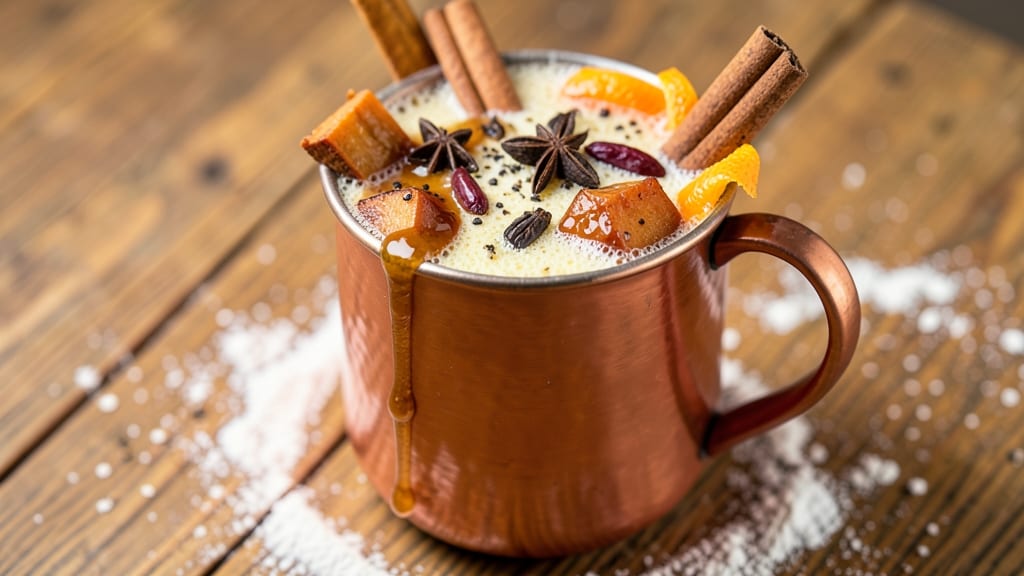
This sweet potato ale recipe transforms humble root vegetables into a rich, caramelized drink with warm spice notes that rival traditional brews. 🌟 The process begins with carefully mashing and fermenting sweet potatoes, creating a naturally sweet base that develops complex flavors as it ages—think of it as a cross between a spiced cider and a light beer, but entirely homemade.
The magic lies in the slow caramelization of the potatoes during roasting, which deepens their natural sweetness and adds a toasty depth.
You'll work with simple ingredients—sweet potatoes, yeast, spices like cinnamon and clove, and a touch of sugar—but the result is surprisingly sophisticated, with a smooth mouthfeel and aromatic warmth that makes it perfect for cozy evenings.
What sets this apart is the fermentation process, where the sweet potato mash transforms into a lightly effervescent drink with subtle alcohol content (around 3-5% ABV).
The spices infuse beautifully, creating layers of flavor that evolve over time—think of it as a drink that gets better with age, much like a fine wine or aged cider.
Whether you're a homebrewer looking for a unique project or simply craving a comforting, spiced drink, this recipe delivers restaurant-quality results with minimal equipment. The best part? You can adjust the sweetness and spice levels to suit your taste, making it endlessly customizable. Let's get brewing!
Ingredients for sweet potato ale
Four cups of fermented sweet potato goodness with spiced warmth and caramelized depth awaits.
| Ingredient | Amount | Notes |
|---|---|---|
| Sweet Potatoes 🍠 | 2 lbs | Organic preferred, peeled and cubed |
| Active Dry Ale Yeast 🍺 | ¼ oz | Wyeast 1056 or Safale US-05 |
| Light Brown Sugar 🍬 | 1 cup | For priming and fermentation |
| Cinnamon Sticks 🌿 | 2 whole | Organic, for infusion |
| Whole Cloves 🌶️ | 4 whole | For aromatic depth |
| Orange Peel 🍊 | 1 tbsp | Dried, for citrus brightness |
| Fresh Ginger 🌿 | 2 tbsp | Grated, for zesty kick |
| Distilled Water 💧 | 4 cups | Filtered, for mash |
| Extra-Virgin Olive Oil 🫒 | 1 tbsp | For fermentation surface |
| Diamond Crystal Kosher Salt 🧂 | ¼ tsp | For sanitation |
| Cornstarch 🌾 | 1 tbsp | For priming clarity |
| Lemon Juice 🍋 | 1 tbsp | Fresh, for acidity balance |
Sweet potatoes are the heart of this ale—organic varieties like Beauregard have the best flavor, but any orange-fleshed one works. Roast them first at 400°F for 30 minutes to deepen their natural sweetness. Trader Joe's and Whole Foods carry excellent organic options, but regular grocery store sweet potatoes are fine too. The key is to cube them evenly (about 1-inch pieces) so they cook uniformly. For extra richness, some homebrewers add a touch of honey, but we're keeping it pure with just the sweet potato's natural sugars here.
No cinnamon sticks? Ground cinnamon at half the amount works in a pinch, though whole sticks infuse better. Running out of cloves? Allspice berries or even a pinch of cayenne can add warmth, but cloves give that unmistakable sweet-spice complexity. The orange peel should be organic if possible—conventional peels can have wax coatings that might affect fermentation. Fresh ginger is ideal, but powdered ginger at one-third the amount gets you close. For the yeast, Wyeast 1056 is my go-to for crisp, clean fermentation, but Safale US-05 is widely available and works beautifully too.
Store your sweet potato mash in a sanitized glass jar in the fridge for up to 3 days before fermentation. The fermented ale keeps in the fridge for 2-3 weeks, but it gets better with age—think of it like a spiced cider that develops complexity. For serving, pour through a fine-mesh strainer to remove any sediment. The spices can be removed after fermentation if you prefer a cleaner taste, but I like leaving them in for that extra aromatic punch. Freeze extra batches in ice cube trays for quick cocktails later.
Why You'll Love This Recipe
- Pantry Magic: I swear by this recipe when I forget to grocery shop—sweet potatoes and brown sugar are my secret allies. No fancy ingredients, just what’s probably already lurking in your cupboards.
- Spiced Warmth: That slow-simmered cinnamon and clove aroma? It’s like autumn in a mug, but with the cozy depth of a homebrew. The yeast gives it a subtle, fermented edge that’s surprisingly sophisticated.
- Weeknight Hero: Make a big batch on Sunday, and you’ve got breakfast, lunch, or dinner covered all week. Toast it into pancakes, stir it into oatmeal, or sip it straight—it’s that versatile.
- Budget Booster: Sweet potatoes are cheap, and this recipe stretches them far. I’ve fed four people for under $5, and honestly? They didn’t even notice it was “economical.” Just good.
Step-by-step instructions for sweet potato ale
Here's how to transform humble sweet potatoes into a rich, caramelized ale with layers of spiced warmth.
🔥 Step 1: Roast Sweet Potatoes Until Caramelized
Preheat your oven to 400°F and line a baking sheet with parchment paper. Toss the 2 lbs sweet potatoes (peeled and cubed) with 1 tablespoon extra-virgin olive oil, 0.25 teaspoon diamond crystal kosher salt, and 2 tablespoons fresh ginger. Spread them in a single layer—they need room to caramelize.
Roast for 35-40 minutes, stirring once halfway through, until the edges are deep golden brown and the cubes are tender when pierced with a fork. The aroma should be sweet and nutty with a hint of ginger's zing. Remove from oven and let cool slightly before processing.
🍳 Step 2: Create Spiced Infusion for Depth
While the potatoes cool, combine 4 cups distilled water, the 2 whole cinnamon sticks, 4 whole cloves, and 1 tablespoon orange peel in a saucepan. Bring to a gentle simmer over medium-low heat for 15 minutes, then remove from heat and let steep for 30 minutes to extract maximum flavor.
Strain through a fine-mesh sieve into a clean bowl, discarding the spices. This aromatic liquid will form the base of your ale, carrying all those warm spice notes we're after. Keep it warm for the next step—cold liquid will shock the yeast later.
🥘 Step 3: Mash and Ferment the Sweet Potato Base
Transfer the cooled roasted sweet potatoes to a food processor and pulse until smooth, scraping down the sides as needed. The texture should be like wet sand—chunky but not liquid. Add the spiced infusion and 1 cup light brown sugar to the processor and blend until completely combined.
Pour the mixture into a clean fermentation vessel (glass jar or sanitized bucket) and stir in the 0.25 oz active dry ale yeast. Cover loosely with a clean cloth or fermentation lid and let sit at 70-75°F for 24-48 hours, stirring gently twice daily. You'll see bubbles forming—this is fermentation in action!
⏰ Step 4: Clarify and Prime for Carbonation
After fermentation, strain the mixture through a fine-mesh sieve lined with cheesecloth into another clean vessel. Dissolve 1 tablespoon cornstarch in 2 tablespoons cold water and whisk into the strained liquid. This creates a natural clarifier that will settle any remaining particles.
Let the mixture sit at room temperature for 4 hours, then carefully pour off the clear liquid (leaving behind any settled sediment) into sanitized bottles. Add 1 tablespoon lemon juice to each bottle to balance flavors and prevent over-carbonation.
🍺 Step 5: Condition and Serve
Store bottles in a cool, dark place for 7-10 days, checking daily for proper carbonation (gentle fizz when shaken). Once carbonated, refrigerate to halt fermentation. Serve chilled over ice with a cinnamon stick garnish for that authentic ale experience.
Each sip should deliver caramelized sweet potato sweetness with warm cinnamon, subtle ginger heat, and a clean citrus finish. The texture should be smooth with just enough effervescence to complement the roasted flavors. Enjoy within 2 weeks for peak freshness!
Pro Tips For Making Sweet Potato Ale
- PEEL AND CUBE SMALL: Sweet potatoes are stubborn—peel them first, then cut into ½-inch cubes. Big chunks take forever to soften, and you’ll end up with a watery mess instead of a rich, caramelized base. (Yes, even if you’re impatient like me.)
- STEEP SPICES COLD: Toss whole cloves and cinnamon sticks into the broth before boiling, but let them sit in the hot liquid for 10 minutes off the heat first. I learned this the hard way—boiling them right away burns the spices, turning your ale bitter instead of aromatic.
- USE COOL WATER FOR YEAST: Rehydrate your active dry ale yeast in lukewarm (not hot) water—about 75°F (24°C)—for 5 minutes before adding it to the sweet potato mixture. Yeast dies in water hotter than a baby’s bath, and you’ll end up with flat, sad ale that tastes like regret.
- SIMMER NOT BOIL: Once the sweet potatoes are tender, reduce the heat to a gentle simmer (tiny bubbles, not a rolling boil) to thicken the ale. Boiling too hard turns it gluey, and you’ll waste hours trying to fix it. (Your future self will thank you.)
Wine and beer pairings for these flavors
Spiced Ale Classics
This sweet potato ale pairs beautifully with traditional spiced ales like Guinness or Samuel Smith's Nut Brown Ale. The caramelized sweetness of the potatoes complements the roasted malt flavors, while the cinnamon and clove notes bridge the gap between the two.
I like to serve it alongside a dark stout—the contrast of the ale's citrus brightness against the coffee and chocolate notes in the stout creates a perfect balance. 🍺
Citrus-Infused Wines
For a lighter pairing, try a dry Riesling or Gewürztraminer—both wines have enough acidity to cut through the sweet potato's natural sugars while enhancing the orange peel and ginger flavors in the ale.
A chilled Sauvignon Blanc also works wonderfully, especially if you've added extra lemon juice to your batch. The crisp, herbal notes in these whites refresh the palate between sips. 🍷
Coffee & Dessert Pairings
This ale isn't just for sipping—it's also fantastic with dark chocolate desserts like molten lava cakes or spiced brownies. The caramelized sweetness of the ale mirrors the richness of the chocolate, while the cinnamon and clove notes tie everything together.
For coffee lovers, a cold brew with a dash of cinnamon creates a cozy, autumnal pairing that highlights the ale's spiced warmth. ☕
Seasonal Cocktail Twists
Get creative with cocktails! Mix your sweet potato ale with bourbon and a splash of maple syrup for a spiced fall cocktail. Or try it in a mimosa by combining it with orange juice and a sprinkle of cinnamon.
For a non-alcoholic version, simply serve it chilled with a sparkling water topper and a cinnamon stick garnish. The possibilities are endless! 🍹
Cheese & Charcuterie Pairings
Pair your ale with aged cheddar or blue cheese for a savory contrast that balances the drink's sweetness. The sharpness of the cheese cuts through the ale's caramelized notes, while the creaminess of brie complements the ginger and orange flavors.
Add some prosciutto and honey-glazed nuts to complete the charcuterie board—it’s a match made in flavor heaven. 🧀
Nutrition facts
Frequently asked questions about sweet potato ale
How long does sweet potato ale last after fermentation?
Once fully fermented and bottled, your sweet potato ale will stay fresh in the refrigerator for 2-3 weeks at peak quality. The flavors actually improve over time—think of it like a spiced cider that develops complexity. For longer storage, freeze in ice cube trays and thaw as needed.
Can I make this ale without yeast?
No, yeast is essential for fermentation to create alcohol and carbonation. While you could make a non-alcoholic sweet potato drink by simply blending and heating the ingredients, it won't develop the same rich, effervescent character. For a non-alcoholic version, skip the yeast and add sparkling water before serving.
What if my ale tastes too sweet?
If your batch tastes overly sweet, it likely didn't ferment enough. Try adding 1 extra tablespoon of lemon juice per bottle before bottling to balance the sweetness. For future batches, extend fermentation time by 24-48 hours or use a slightly higher yeast ratio (0.5 oz instead of 0.25 oz) to encourage more alcohol production.
Can I use regular potatoes instead of sweet potatoes?
Regular potatoes won't work well because they lack the natural sweetness and depth of flavor that sweet potatoes provide. The caramelization process is key to developing that rich, spiced character. If you absolutely must use regular potatoes, add 1/4 cup extra brown sugar to compensate, but the texture and flavor won't be the same.
How do I know when my ale is properly carbonated?
Gently shake a bottle—if you hear a faint "psssst" sound and feel light fizzing, it's carbonated! For more accuracy, use a hydrometer to check specific gravity before and after fermentation. The ale should drop by about 2-3 points (from 1.010-1.012 to 0.998-1.000) for proper carbonation.