
Side Dishes
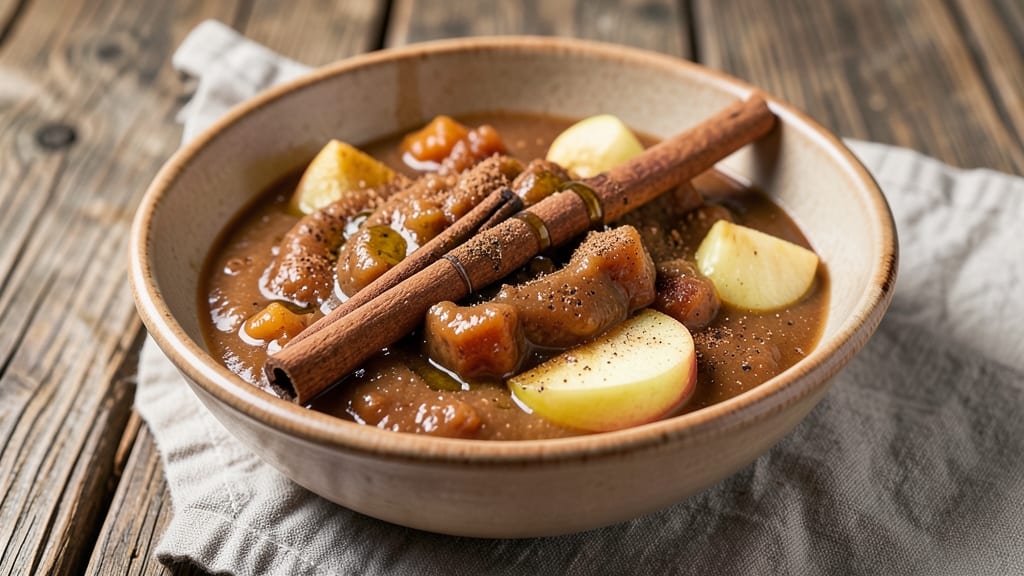
This sweet potato apple butter recipe transforms humble produce into a velvety, spiced spread with a 6-month shelf life—perfect for toast, cheese boards, or glazing meats. 🌟 The secret lies in slow-cooking until thick and caramelized, creating a balance of sweet, earthy, and warm cinnamon notes that elevate any dish.
Unlike store-bought versions, this homemade blend uses whole ingredients and no preservatives, delivering richer flavor and texture.
What sets this recipe apart is its versatility and longevity. The combination of sweet potatoes and apples creates a naturally thick, spreadable consistency without added sugars or thickeners. A blend of warm spices—cinnamon, nutmeg, and cloves—adds depth, while a touch of lemon juice brightens the final product.
The slow-cooking process develops complex caramelized flavors, turning simple ingredients into something extraordinary.
Once cooked down to perfection, this apple butter transforms into a thick, glossy spread that’s ideal for topping toast, swirling into yogurt, or drizzling over pancakes. Its natural sweetness and spiced warmth make it a standout addition to cheese platters or as a glaze for roasted vegetables.
The recipe’s simplicity ensures success, while its long shelf life means you’ll have a pantry staple ready for any occasion.
With just 10 simple ingredients and minimal prep work, you’ll create a spread that’s far superior to anything store-bought. The process is straightforward, but the result is a restaurant-quality condiment that’s sure to become a household favorite. Ready to make your own? Let’s get started.
Ingredients for sweet potato apple butter
Ten simple ingredients transform into a velvety, restaurant-quality spread with remarkable 6-month shelf life.
| Ingredient | Amount | Notes |
|---|---|---|
| Sweet Potatoes 🍠 | 2 lbs | Peeled, cubed into 1-inch pieces |
| Apples 🍎 | 4 medium | Cored, peeled, chopped (Honeycrisp or Fuji preferred) |
| Extra-Virgin Olive Oil 🫒 | ¼ cup | For moisture and richness |
| Cinnamon Sticks 🌿 | 2 whole | Ceylon preferred for delicate flavor |
| Ground Cinnamon 🌶️ | 2 tbsp | For depth of spice |
| Ground Nutmeg 🌿 | ½ tsp | Freshly grated preferred |
| Ground Cloves 🌶️ | ½ tsp | Whole cloves can be crushed |
| Lemon Juice 🍋 | 2 tbsp | Freshly squeezed for brightness |
| Pure Maple Syrup 🍁 | ¼ cup | Grade B for deeper flavor |
| Sea Salt 🧂 | ½ tsp | Diamond Crystal preferred |
Sweet potatoes are the backbone of this recipe—organic sweet potatoes from Whole Foods or your local farmers' market deliver the best texture and sweetness. Look for vibrant, unblemished tubers with smooth skin. Apples should be firm and crisp; Honeycrisp or Fuji varieties hold up best during slow cooking. If you can't find Ceylon cinnamon sticks, regular cassia sticks work fine, though they have a stronger flavor. The maple syrup should be Grade B—its deeper color and richer taste elevate the final product significantly. For the olive oil, California-grown extra-virgin adds a subtle fruitiness that complements the sweetness.
No Ceylon cinnamon? Regular cassia cinnamon works in a pinch, though it's more potent. Substituting apples? Pears or peaches add complexity but may alter the texture slightly. For maple syrup, agave nectar is a neutral substitute, though it lacks the same depth. Fresh nutmeg is ideal, but if you only have ground, toast it lightly in a dry pan first to intensify the flavor. Lemon juice can be swapped for balsamic vinegar at half the amount, though the brightness will differ. If you're concerned about sugar content, reduce the maple syrup by 2 tablespoons and add an extra 1 tablespoon of lemon juice for balance.
This spread thickens as it cools, so don't be alarmed if it seems too loose while warm. Store in a sterilized glass jar with a tight-sealing lid for up to 6 months in a cool, dark pantry. For best results, allow it to come to room temperature before sealing. The flavor actually improves over time—3 months in, it develops a deeper caramelized richness. Portion into small jars for gifting or use immediately on toast, yogurt, or roasted vegetables. Freezes beautifully for 12 months if needed, though texture may slightly alter upon thawing.
Why You'll Love This Recipe
- No Peel, No Stress: I swear by this trick—just roast the sweet potatoes whole with their skins on. The flesh pulls apart like butter, and you skip the mess of peeling. Apples get tossed in raw, so no chopping either. Honestly, the only knife work is slicing the cinnamon sticks in half.
- Warm Spice Magic: That slow simmer with cinnamon sticks? It’s the secret weapon. The oil keeps it rich but not greasy, while the ground cinnamon adds depth. The apples caramelize just enough to make every bite taste like autumn in a jar—sweet, tangy, and cozy.
- Breakfast to Dessert: Spread it on toast for a hearty breakfast, dollop it into overnight oats, or serve it warm with vanilla ice cream. (Yes, even on a Tuesday night.) It’s the one thing that bridges every meal without trying too hard.
- Pantry Goldmine: Use up those bruised apples and forgotten sweet potatoes instead of tossing them. A big batch costs pennies and lasts weeks—perfect for gifting or sneaking into recipes when you’re out of ideas. Between us, this is my go-to when I’m low on groceries but still want flavor.
Step-by-step instructions for sweet potato apple butter
Here's the method for creating a rich, spiced fruit spread with professional-level consistency.
🍳 Step 1: Sauté Sweet Potatoes and Apples Until Tender
In a large, heavy-bottomed pot, combine the 2 lbs cubed sweet potatoes and 4 medium chopped apples. Add the 2 whole cinnamon sticks, 2 tbsp ground cinnamon, 0.5 tsp ground nutmeg, 0.5 tsp ground cloves, and 0.5 tsp sea salt. Pour in 0.25 cup extra-virgin olive oil and 2 tbsp lemon juice, stirring gently to coat the vegetables.
Place the pot over medium heat and bring to a simmer. Cover and cook for 20-25 minutes, stirring occasionally, until the sweet potatoes are fork-tender and the apples have broken down into a chunky mash. You'll see the mixture darken slightly and release its natural juices—this is when the flavors begin to meld beautifully.
Here's the thing—don't rush this step. The vegetables need time to soften completely so they blend smoothly later. If the mixture starts to stick, add 1-2 tablespoons of water to prevent burning. The goal is even cooking without browning.
🍳 Step 2: Simmer and Reduce for Thickening
Once the sweet potatoes and apples are tender, remove the cinnamon sticks and increase the heat to medium-high. Stir in the 0.25 cup pure maple syrup and bring the mixture to a gentle boil. Reduce heat to medium-low and let it simmer uncovered for 30-40 minutes, stirring frequently.
This is where the magic happens—the moisture evaporates, concentrating the flavors and creating that signature thick, spreadable consistency. You'll notice the mixture gradually darkens to a rich amber color and thickens noticeably. If it becomes too thick before reaching your desired consistency, add 1 tablespoon of water at a time until it reaches a smooth, spoonable texture.
I press the back of a wooden spoon against the mixture every few minutes to check its thickness. When it coats the spoon without dripping off, it's ready for the final step. This simmering process is critical—it transforms the mixture from a simple vegetable blend into a complex, flavorful spread.
🥘 Step 3: Process for Perfect Texture and Shelf Stability
Transfer the cooked mixture to a food processor or high-speed blender. Pulse in short bursts, scraping down the sides as needed, until you achieve a smooth but slightly textured consistency—think somewhere between applesauce and chunky jam. You want to preserve some of that natural fruit texture while ensuring it's spreadable.
For a 6-month shelf life, pour the finished butter into sterilized glass jars, leaving about ½-inch headspace at the top. Seal tightly and process in a water bath canner for 10 minutes (adjust for altitude if needed). This processing step kills any potential bacteria and creates an airtight seal that preserves the spread's quality.
Let the jars cool completely before storing in a cool, dark place. The butter will continue to thicken slightly as it cools—this is normal and indicates proper processing. If you prefer a smoother texture, you can blend it again after cooling, but the natural texture adds wonderful depth of flavor.
⏰ Step 4: Rest and Test for Perfect Spreadability
Allow the processed butter to cool completely at room temperature for at least 2 hours before testing. This resting period is crucial—it lets the flavors fully develop and ensures the perfect balance of thickness and spreadability.
Once cooled, taste and adjust seasoning if needed. The spread should have a perfect harmony of sweet, spicy, and tangy flavors with a velvety texture. If it's too thick after cooling, you can thin it slightly with a few drops of water or extra maple syrup. For best results, store in the refrigerator for up to 6 months or freeze for even longer shelf life.
This is the moment that matters: when you spread it on warm toast or use it as a glaze for roasted meats. The rich color, complex spice profile, and perfect texture will make you proud of your creation. The key to success lies in that careful simmering and processing—don't skip these steps for a truly professional result.
Pro Tips For Making Sweet Potato Apple Butter
- PEEL AND CUBE SMALL: Sweet potatoes are stubborn—peel them first, then cut into 1-inch cubes before roasting. I learned this the hard way: uneven chunks burn on the outside while staying raw inside, and you end up with a mushy, inconsistent texture. Small cubes cook faster and more evenly, so they caramelize properly without turning to paste.
- USE HONEYCRISP APPLES: Honeycrisp or Fuji apples hold their shape better than Granny Smith or Red Delicious when simmered. Their natural sweetness also balances the earthiness of sweet potatoes without needing extra sugar. If you grab whatever’s on sale, at least avoid mealy varieties—they’ll turn your butter into a sad, watery glaze.
- SIMMER LOW AND SLOW: Start with a medium-high heat to get the liquid bubbling, but once it’s going, drop it to a bare simmer. I used to rush it, and the apples would break down into mush while the sweet potatoes stayed tough. A gentle simmer for 45-60 minutes lets the flavors meld without falling apart—think of it as a slow dance, not a sprint.
- STRAIN AND PRESS: After simmering, don’t just scoop the mixture into a food processor—strain it first through a fine-mesh sieve. Press the solids with a wooden spoon to extract every last bit of flavor. This keeps your butter smooth, not chunky, and makes a real difference when spreading it on toast or swirling it into yogurt. (Yes, even if you’re impatient like me.)
Wine and beer pairings for this sweet potato apple butter
Sweet and Spiced Whites
This rich, caramelized spread pairs beautifully with crisp white wines that complement its warm spices. A dry Riesling from Germany—like Dr. Loosen Blue Slate—cuts through the sweetness with its bright acidity and mineral notes.
The slight tartness of the wine mirrors the lemon juice in the butter, creating a perfect balance. 🍷
Creamy Chardonnays
For a richer pairing, opt for an oaked Chardonnay from California or New Zealand. Brands like Kendall-Jackson or Cloudy Bay add buttery notes that harmonize with the sweet potato's earthiness. The wine's subtle oakiness enhances the caramelized depth of the spread, making each bite more complex.
Crisp Ciders
If you prefer non-alcoholic options, a dry hard cider like Angry Orchard or Strongbow works surprisingly well. The slight bitterness and effervescence cleanse your palate between bites of the sweet-spiced butter. For a festive touch, serve chilled in a frosted mug alongside warm toast.
Spiced Beer Pairings
For beer lovers, a honey ale or wheat beer with cinnamon notes—such as Allagash White or Samuel Smith's Nut Brown Ale—elevates the flavors. The beer's caramel and spice undertones mirror the sweet potato apple butter's warmth, creating a cohesive tasting experience. 🍺
Bold Red Contrasts
While whites and beers dominate, a light-bodied Pinot Noir from Oregon can work if you prefer red wine. The Domaine Serene or La Crema options offer red fruit notes that contrast the butter's sweetness without overpowering it. Serve slightly chilled for the best balance.
Serving Temperature Tips
For optimal pairing, serve both the butter and beverages at room temperature. The spread's warm spices and the wine or beer's balanced acidity create a harmonious experience. If using beer, let it sit for 10 minutes to release its full aroma before pairing.
This attention to temperature enhances the sensory journey with every bite. ⏰
Nutrition facts
Frequently asked questions
Can I substitute regular potatoes for sweet potatoes in this recipe?
No, sweet potatoes are essential for their natural sweetness and creamy texture. Regular potatoes are starchy and watery, which would make the spread thin and less flavorful. The sweet potato's earthy sweetness balances the apples perfectly and creates that signature rich, caramelized depth.
How do I adjust the sweetness if I prefer less sugar?
Reduce the maple syrup by 2 tablespoons and add 1 extra tablespoon of lemon juice to maintain balance. You can also use unsweetened applesauce instead of 1 apple to cut back on natural sugars. Taste as you go—simmering longer will concentrate flavors without needing extra sweetness.
Why does my apple butter turn out too runny?
This usually happens if you didn't simmer long enough to evaporate moisture. Keep stirring and cook uncovered for another 10-15 minutes until it thickens. If it's still too thin after cooling, blend again and reduce heat slightly to let it thicken naturally. For next time, check consistency every 5 minutes during the final simmer.
Can I make this without a food processor?
Yes! Use a potato masher or fork to break down the cooked mixture until smooth. For a chunkier texture, simply mash it until just combined. The spread will be slightly thicker but still delicious. This method works well if you prefer a rustic, textured version.
How should I use this apple butter beyond toast?
Try it as a glaze for roasted vegetables, mixed into oatmeal, or swirled into Greek yogurt. It's also fantastic on pancakes, waffles, or even as a filling for crepes. For savory dishes, use it as a base for marinades or drizzle over grilled chicken. The possibilities are endless!