
Side Dishes
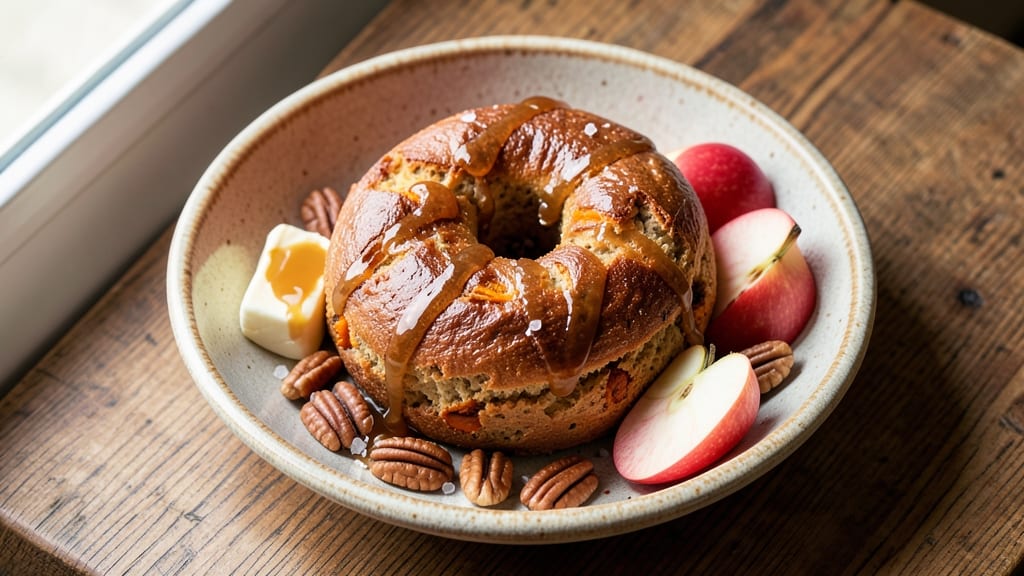
This sweet potato bagel recipe transforms a classic breakfast staple into a hearty, spiced side dish with a warm, earthy core and crispy mustard-seed crust. The secret lies in puréeing roasted sweet potatoes directly into the dough, creating a tender, slightly sweet base that pairs perfectly with savory toppings.
I developed this recipe after realizing how versatile bagels could be beyond their usual savory fillings—this version works as a satisfying vegetarian main or a showstopping side for brunch.
The process starts with a simple bagel dough infused with puréed sweet potatoes, which adds natural sweetness and moisture without altering the dough's structure.
A sprinkle of mustard seeds before baking creates that signature crunch, while a pinch of cinnamon and nutmeg in the dough ensures every bite carries warm, comforting spices. Unlike traditional bagels, these bake in a single step, making them perfect for weeknight meals or meal prep.
What you'll end up with is a bagel that's soft yet sturdy, with a golden crust and a slightly sweet, spiced interior.
The mustard seeds add a subtle tang that balances the sweetness, while the sweet potato gives it a hearty texture that holds up to toppings like everything bagel seasoning or a drizzle of honey.
This recipe is naturally vegetarian, but you can easily adapt it to be vegan by using plant-based milk and flax eggs.
These bagels reheat beautifully for breakfast or lunch the next day, making them ideal for batch cooking. Serve them toasted with cream cheese or avocado for a satisfying meal, or enjoy them plain as a comforting snack.
The combination of textures and flavors makes this recipe a standout for anyone looking to elevate their bagel game.
Ingredients for sweet potato bagel
These ingredients blend sweet, spiced warmth with crispy mustard crunch for perfect sweet potato bagels.
| Ingredient | Amount | Notes |
|---|---|---|
| Sweet Potatoes 🍠 | 2 medium | Peeled, roasted and puréed |
| All-Purpose Flour 🌾 | 4 cups | Unbleached preferred |
| Active Dry Yeast 🍞 | ½ tsp | Or 1 packet instant yeast |
| Granulated Sugar 🍚 | ½ cup | For yeast activation |
| Warm Water 💧 | 1 ¼ cups | 110°F for yeast activation |
| Unsalted Butter 🧈 | ½ cup | Softened, full-fat preferred |
| Large Eggs 🥚 | 1 whole | Room temperature |
| Ground Cinnamon 🌿 | 1 tsp | Freshly ground preferred |
| Ground Nutmeg 🌿 | ½ tsp | Freshly grated |
| Salt 🧂 | 1 ½ tsp | Diamond Crystal preferred |
| Mustard Seeds 🌶️ | 2 tbsp | Yellow or brown preferred |
| Everything Bagel Seasoning 🧂 | ¼ cup | For topping after baking |
Sweet potatoes are the heart of this recipe—orange-fleshed varieties like Jewel or Garnet work best. Roast them until tender (about 450°F for 45 minutes), then purée until smooth. Whole Foods or Trader Joe's carry reliable sweet potatoes year-round. For extra flavor, add a pinch of cinnamon to the purée before mixing into the dough. If you can't find fresh mustard seeds, ground mustard at half the amount works in a pinch, though the texture won't be identical. The cinnamon and nutmeg should be freshly ground if possible—Penzeys or Spicewalla are great sources for quality spices.
No mustard seeds? Sesame seeds or poppy seeds add a similar crunch, though they lack the tangy depth. Substituting plant-based milk for the water makes this vegan—just reduce the sugar slightly since sweet potatoes are naturally sweet. The everything bagel seasoning is optional but recommended; Trader Joe's or Schar brands are widely available. For a sweeter bagel, add 1 tbsp maple syrup to the dough. If your yeast isn't fresh, test it by dissolving in warm water with a pinch of sugar—it should foam within 5 minutes. The butter should be soft but not melted, so microwave for 20 seconds if needed.
Store shaped bagels in an airtight container with a paper towel to prevent sogginess for up to 3 days. Freeze unbaked bagels on a parchment-lined tray for 1 month, then transfer to a bag. Reheat baked bagels in a toaster or oven at 350°F for 5 minutes. These reheat beautifully—even better the next day once flavors meld. For meal prep, bake a double batch and freeze half. The mustard seeds toast slightly during baking, so don't skip the final sprinkle before baking.
Why You'll Love This Recipe
- No Yeast Nightmare: I swear by this recipe because the dough rises fast—no waiting hours, no sad flat bagels. Just mix the flour, yeast, sugar, and warm water, let it sit for 20 minutes while you prep the sweet potatoes, and boom. Ready to shape.
- Caramelized Sweetness: That roasted sweet potato puree? It’s the star—naturally sweet, slightly earthy, with a hint of buttery richness when baked. The crust gets crispy, the inside stays soft, and honestly? It’s like a bagel hug for your taste buds.
- Breakfast or Snack Hero: I make these for lazy mornings (toast with cream cheese, chef’s kiss), but they’re also my go-to for lunchboxes or after-school snacks. Freeze half the batch—thaw and toast in seconds when you’re in a rush.
- Pantry Magic: Sweet potatoes are cheap, flour’s a staple, and you’re already using water and sugar you have lying around. No fancy ingredients, no last-minute grocery runs. It’s the kind of recipe that turns a few basic things into something people will actually ask for seconds of.
Step-by-step instructions for sweet potato bagels
Here's how to craft these uniquely spiced bagels with a moist, sweet potato-infused center and satisfying crunch from mustard seeds.
Prepare the Sweet Potato Purée
Preheat your oven to 400°F and pierce the 2 medium sweet potatoes with a fork. Place them directly on the oven rack for 45-60 minutes until completely tender when pierced with a knife. This roasting method enhances their natural sweetness without drying them out.
Once cooled enough to handle, peel the sweet potatoes and transfer them to a food processor or blender. Purée until completely smooth, scraping down the sides as needed. You should have about 1 cup of purée. Set aside to cool completely before using—this prevents the yeast from activating prematurely in the dough.
Activate the Yeast and Mix the Dough
In a small bowl, combine the 1.25 cups warm water (about 110°F—test by touching it; it should feel warm but not hot) with the 0.5 cup granulated sugar and 0.5 tsp active dry yeast. Let this sit for 5-10 minutes until it becomes foamy and bubbles form on top. This confirms your yeast is active and ready to work.
In the bowl of a stand mixer fitted with the dough hook attachment, combine the 4 cups all-purpose flour, 1.5 tsp salt, 1 tsp ground cinnamon, and 0.5 tsp ground nutmeg. Mix on low speed until evenly distributed. Add the cooled sweet potato purée, yeast mixture, 0.5 cup softened unsalted butter, and 1 whole large egg (room temperature).
Knead and Develop the Dough
Knead the dough on medium speed for 5-7 minutes until it becomes smooth and elastic, pulling away from the sides of the bowl. The dough should be slightly tacky but not sticky—if it sticks to your fingers, add 1 tablespoon flour at a time until it reaches the right consistency. This kneading step develops gluten, which gives your bagels their satisfying chew.
Shape the dough into a ball, lightly oil it, and place it in a clean bowl. Cover with a damp towel and let rise in a warm place for 1-1.5 hours or until doubled in size. You'll know it's ready when you poke it gently and it springs back slowly. This first rise creates the airy texture that makes bagels so satisfying.
Shape and Second Rise
Punch down the risen dough and divide it into 4 equal pieces, each about 8 ounces. Roll each piece into a ball, then flatten slightly and poke a hole in the center with your thumb. Stretch the dough outward to form a ring about 3 inches in diameter, keeping the edges slightly thicker than the center. This shape ensures even baking and that perfect bagel interior.
Place the shaped bagels on a parchment-lined baking sheet, cover with a damp towel, and let rise for another 30-45 minutes until they've puffed up noticeably. The edges should look slightly rounded and the holes should be about 1.5 inches wide. This second rise is crucial for that light, airy texture that makes bagels so enjoyable.
Bake and Top with Mustard Seeds
Preheat your oven to 375°F. In a small bowl, combine the 2 tbsp mustard seeds with 0.25 cup everything bagel seasoning. Brush the tops of the risen bagels with a little water, then sprinkle generously with the mustard seed mixture, pressing gently to adhere. This topping creates the signature crunch and savory contrast to the sweet potato interior.
Bake for 25-30 minutes until the bagels are deep golden brown and sound hollow when tapped on the bottom. The interior should be fully cooked with no raw dough remaining. Let cool on a wire rack for 10 minutes before serving—this allows the flavors to meld and the bagels to firm up slightly for easier handling.
Pro Tips For Making Sweet Potato Bagel
- Boil Until Fork-Tender: Sweet potatoes straight from the oven? Skip it—raw chunks stay dense no matter how long you knead. Boil them whole for 20-25 minutes until they collapse under a fork. The texture transforms from rubbery to creamy, which is the foundation of a good bagel. (Yes, even if it means peeling them while still warm—just go slow.)
- Proof in a Warm Spot: Your oven’s lightbulb isn’t just for drama—it’s the perfect proofing spot. Turn it on low (or prop the door open with a wooden spoon) to keep dough cozy without overcooking. Cold kitchen? Nestle the bowl in a towel-draped microwave for 1-2 hours. Dough that rises too fast or too slow is a nightmare; consistency is everything here.
- Skip the Overmixing: I used to punch and fold like I was kneading bread dough, and the result? Tough, chewy bagels that tasted more like eraser than bread. Sweet potato dough is delicate—mix just until the flour comes together, then let the yeast do the work. Gluten develops fast, and you don’t want bagels that fight back when you bite into them.
- Toast the Dough: Before shaping, give the dough a quick 30-second toast in a dry skillet or under the broiler. The outside crisps up, locking in moisture while the center stays soft. It’s not traditional, but it cuts down on steam loss during baking—no more dry, gummy centers. (And yes, it’s worth the slightly charred edges.)
Flavor customization for this sweet potato bagel
Sweet-Savory Balance
Adjust the mustard seeds to control tanginess—use 1 tbsp for mild flavor or 3 tbsp for bold heat. I find 2 tbsp strikes the perfect balance with the sweet potato’s natural sweetness. For extra depth, mix in ½ tsp smoked paprika with the mustard seeds before baking. 🌶️
Spice Variations
Swap cinnamon and nutmeg for ½ tsp pumpkin pie spice for a cozy autumn twist. Or try ½ tsp cardamom for a Middle Eastern-inspired flavor. For a Mexican-inspired version, add 1 tsp chili powder and ½ tsp cumin to the dough and top with sesame seeds instead of mustard seeds.
Sweet Toppings
Drizzle baked bagels with honey or maple syrup for a dessert-like finish. A sprinkle of crushed pecans or walnuts adds crunch. For a tropical vibe, top with toasted coconut flakes and a pinch of sea salt. I love this combo with a cup of chai tea for breakfast.
Savory Twists
Transform these into savory bagels by reducing the cinnamon to ¼ tsp and adding ½ tsp garlic powder to the dough. Top with garlic-herb seasoning instead of everything bagel mix. For a cheesy version, sprinkle shredded mozzarella on top before baking—it melts beautifully.
Gluten-Free Adaptation
Replace all-purpose flour with a 1:1 gluten-free flour blend (like Bob’s Red Mill). Add ½ cup almond flour for better texture. The dough will be stickier, so wet your hands when shaping. These bagels work best when baked immediately after shaping, as gluten-free dough doesn’t rise as dramatically. 💪
Vegan Substitutions
Use flax eggs (1 tbsp ground flax + 3 tbsp water per egg) and replace butter with vegan butter or coconut oil. For the yeast mixture, use unsweetened almond milk** instead of water. The bagels will still be tender but slightly denser—perfect for toasting with vegan cream cheese.
Nutrition facts
Frequently asked questions
Can I make these sweet potato bagels without yeast?
Yes! For a quick version, replace the yeast with 2 tsp baking powder and 1 tsp baking soda. Mix these into the dry ingredients, then skip the first rise. The bagels will be denser but still delicious. Bake at 375°F for 20-25 minutes until golden. For extra moisture, add 2 tbsp Greek yogurt to the dough.
How do I store leftover sweet potato bagels?
Store them in an airtight container at room temperature for 2-3 days or freeze for up to 1 month. For reheating, toast in a toaster or warm in a 350°F oven for 5-7 minutes until crispy. The sweet potato flavor actually improves after baking—great for meal prep!
Why did my bagels turn out dense instead of light?
Dense bagels usually happen from over-kneading, skipping rises, or using cold ingredients. Make sure your yeast is active (foamy in 5-10 minutes), let the dough rise until doubled, and shape gently. Also check your oven temperature—too hot (400°F+) can burn the outside before the inside cooks. A baking stone helps with even heat distribution.
Can I add cheese to these sweet potato bagels?
For a savory version, sprinkle ½ cup shredded mozzarella or cheddar on top before baking. Or fold cheese into the dough for melty pockets. The sweet potato's natural sweetness pairs beautifully with sharp cheeses like gouda or smoked provolone. Try ½ cup feta for a tangy contrast too!
How can I make these bagels extra sweet?
Boost the sweetness by adding ¼ cup maple syrup to the dough or drizzling 2 tbsp honey after baking. For a dessert version, fold in ½ cup chocolate chips or ½ cup chopped dates before shaping. The mustard seeds will still add that perfect tangy crunch to balance the sweetness.