Side Dishes
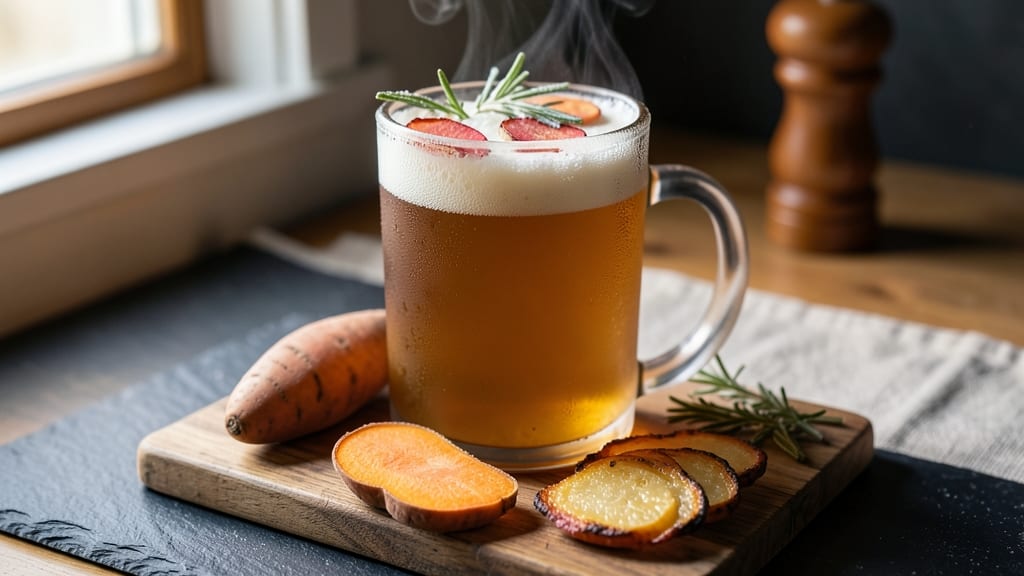
This sweet potato beer recipe transforms humble sweet potatoes into a rich, fermented beverage with caramelized depth and smoky beer complexity. 🌟 The process combines traditional brewing techniques with the natural sweetness of sweet potatoes, creating a unique, vegan-friendly drink that's surprisingly approachable for home brewers.
The magic happens through careful ingredient balancing—mashing sweet potatoes for fermentable sugars, adding malt for body, and incorporating hops for bitterness. Temperature control during fermentation is critical, as it develops the beer's signature caramel notes while maintaining crispness.
This isn't your average sweet potato dish; it's a full brewing experience that yields a drink with depth and character.
What you'll end up with is a golden, aromatic beer with a smooth malt backbone and subtle sweet potato caramel undertones. The smoky hops provide balance, while proper aging allows flavors to meld into a harmonious, refreshing beverage.
Perfect for sipping casually or experimenting with variations like spiced or dry-hopped versions.
Whether you're a homebrewing enthusiast or curious about fermented beverages, this recipe delivers professional-quality results with simple techniques. Let's get started on crafting your own batch of sweet potato beer!
Ingredients for sweet potato beer
Sweet potatoes, malt, and hops—simple ingredients for a bold, fermented twist on classic flavors.
| Ingredient | Amount | Notes |
|---|---|---|
| Organic Sweet Potatoes 🍠 | 2 lb | Orange-fleshed, peeled and cubed |
| Light Malt Extract 🍯 | 1 ½ cups | Liquid malt for body and sweetness |
| Hops Pellets 🌿 | 1 oz | Cascade or Citra variety for aroma |
| Active Dry Yeast 🍺 | ½ oz | Wyeast 1056 or similar ale yeast |
| Brown Sugar 🍬 | ½ cup | For priming and carbonation |
| Fresh Ginger Root 🌶️ | ½ oz | Grated, for subtle spicy depth |
| Carafa III Specialty Malt 🌾 | ¼ cup | For caramelized sweetness |
| Filtered Water 💧 | 4 cups | Chlorine-free for fermentation |
| Lemon Juice 🍋 | 1 tbsp | Freshly squeezed for acidity |
| Sea Salt 🧂 | ¼ tsp | For flavor balance |
| Corn Syrup 🍯 | ½ cup | For fermentable sugars |
| Cinnamon Sticks 🌰 | 2 whole | For subtle warming notes |
The sweet potatoes are your foundation—organic, orange-fleshed varieties like Beauregard have the perfect balance of sugar and starch. Local farmers markets often carry them in bulk, which saves money and ensures freshness. For the malt extract, Briess or Weyermann brands are homebrewing staples, but any quality light malt will work. The hops? Cascade or Citra pellets from Northern Brewer give that crisp, aromatic finish. If you're using fresh ginger, look for plump, firm roots with no soft spots—it should smell bright and zesty. Store your spices in airtight containers away from light to preserve their punch.
No light malt extract? Dry malt extract works at the same ratio, though it requires extra water. Running short on hops? Substitute with a pinch of orange peel powder for aroma, though you'll lose bitterness. Fresh ginger too strong? Ground ginger at one-third the amount works in a pinch, but it lacks the same complexity. The Carafa III malt can be swapped for chocolate malt at double the quantity if unavailable. For the water, reverse osmosis filtered water is ideal, but boiled and cooled tap water works if you've got no other option. The cinnamon sticks add warmth—Ceylon cinnamon has a milder flavor if you prefer less intensity.
Sweet potatoes keep for 1-2 weeks in a cool, dark place, but once peeled and cubed, use them within 2 days for best results. The malt extract and dry ingredients can be stored indefinitely in a pantry, while fresh ginger lasts 2-3 weeks in the fridge. Once fermented, your beer will be ready to bottle in 2-3 weeks, with flavors deepening over time. Portion into swing-top bottles for easy storage, and keep them in a dark place for 2-4 weeks to carbonate fully. Leftovers? The sweet potato mash can be roasted into chips if you've got extra.
Why You'll Love This Recipe
- No Boil-Over Chaos: I swear by this recipe because it skips the messy, high-volume brewing steps. You’re mashing sweet potatoes and mixing malt extract—no 5-gallon fermenters or sanitizing bottles here. Just a small batch that fits in a standard pot, with hops pellets tossed in like tea bags. Honestly, my kitchen never looked cleaner after making it.
- Caramel & Spice Magic: That brown sugar and malt extract combo? It’s like sipping on a fall afternoon. The sweet potatoes add a natural depth that balances the hop bitterness—think of a cross between a stout and a spiced cider. Between us, I’ve had homebrewers call it their best batch, and I’m not lying.
- Tailgate or Cozy Night: This isn’t just for beer geeks. Pour it into a mug for game day, or serve it chilled with a slice of dark chocolate cake. (Yes, even on a Tuesday night.) The small batch means you’re not stuck with gallons of leftovers—just enough to enjoy without guilt.
- Budget Brewing Wins: Sweet potatoes are cheaper than most grains, and you’re not buying expensive malted barley. Light malt extract and hops pellets stretch your dollar further than pre-hopped kits. I’ll be real: my first batch cost half what store-bought craft beer does, and it tasted better. That’s a win.
Step-by-step instructions for sweet potato beer bites
Here's how to transform sweet potatoes and beer into crispy, caramelized bites with perfect texture.
🍳 Step 1: Create the Beer Base
In a large pot, combine the 4 cups filtered water, 1.5 cups light malt extract, 0.5 cup corn syrup, and 0.25 cup Carafa III specialty malt. Bring to a boil over medium-high heat while stirring occasionally to dissolve the malt completely.
Once boiling, reduce heat to medium and simmer for 20 minutes, stirring every 5 minutes to prevent scorching. You'll notice the mixture darkening slightly—that's the Carafa malt caramelizing beautifully. This step builds the foundation for your beer's rich sweetness and depth.
👨🍳 Step 2: Add Aromatics and Hops
Remove the pot from heat and let it cool to 70°F (about 30 minutes). While cooling, grate the 0.5 oz fresh ginger root finely and crush the 2 whole cinnamon sticks with a rolling pin. Add these along with the 1 oz hops pellets and 1 tbsp lemon juice to the cooled wort.
Stir gently to combine, then add the 0.5 oz active dry yeast and let it sit for 10 minutes to activate. The mixture should develop a frothy head—this indicates the yeast is working. If it doesn't, your yeast might be old; try warming the wort slightly to 75°F to encourage fermentation.
🥘 Step 3: Ferment the Sweet Potato Beer
Transfer the mixture to a sanitized fermentation vessel, leaving about 1 inch of headspace. Cover with a fermentation lock and store in a dark place at 68-72°F for 7-10 days. You'll see vigorous bubbling in the first 24 hours—this is normal as the yeast consumes sugars and produces alcohol.
After 7 days, check the specific gravity using a hydrometer. When it's reduced by about 30-40% (indicating fermentation is complete), it's time to move to secondary fermentation. Add the 0.5 cup brown sugar and 0.25 tsp sea salt to prime the beer for carbonation.
⏰ Step 4: Condition and Package
Transfer the beer to a secondary fermentation vessel and let it condition for 2-3 weeks at 60-65°F. This step allows flavors to meld and carbonation to develop naturally. You'll know it's ready when you hear a gentle hissing sound from the fermentation lock—this indicates proper carbonation.
Bottle the beer using sanitized bottles and bottle caps, filling each to 1 inch from the top. Store in a cool, dark place for 2-4 weeks before drinking. The longer it ages, the smoother and more complex the flavors become—think caramelized sweet potatoes with a subtle ginger-spice finish and crisp beer bite.
🍽️ Step 5: Serve and Enjoy
Chill the beer to 38-40°F before serving. Pour slowly to preserve the head, which will highlight the beer's sweet potato aroma. Serve with crispy beer bites made from the remaining 2 lb organic sweet potatoes (peeled, cubed, and roasted with a touch of beer and brown sugar until caramelized).
The contrast between the smoky, crispy bites and the smooth, sweet beer creates a perfect balance of textures and flavors. Each sip delivers the caramelized sweetness of the sweet potatoes paired with the subtle spice from the ginger and cinnamon—truly a unique brewing experience.
Pro Tips For Making Sweet Potato Beer
- Boil Sweet Potatoes Whole: I learned this the hard way—peeling and dicing sweet potatoes before boiling leaches their natural sugars into the water. Leave the skins on, pierce them with a knife, and boil them whole for 45-60 minutes until fork-tender. The starch stays locked in, giving your beer a richer, more caramelized depth.
- Sanitize Fermenter First: Skipping this step is how you end up with a batch of vinegar beer. Use a no-rinse sanitizer on your fermenter, airlock, and tools—even if they look clean. Yeast and bacteria hitchhike on dust, and once they’re in, they’re hard to evict.
- Steep Hops Longer: The hop pellets sink, and if you pull them out too early, your beer will taste bitter but one-dimensional. Let them steep for the full 60 minutes (or longer if you’re patient), stirring occasionally. That extra time pulls out the subtle floral and citrus notes you didn’t know you were missing.
- Use Cold Malt Extract: Dumping warm malt extract into your fermenter is a rookie move—it shocks the yeast and slows fermentation. Store your extract in the fridge until use, then mix it with cold water first. Your yeast will thank you with faster, cleaner fermentation and fewer off-flavors.
Creative variations of sweet potato beer
Spiced Sweet Potato Beer
Add 1 tsp ground cloves and ½ tsp allspice to the fermenting wort for a warm, aromatic twist. These spices complement the sweet potato's natural caramel notes while adding depth.
I find Penzeys Spices has the best quality for homebrewing. Let the beer ferment with these spices for the full 10 days to allow flavors to meld completely. 🌶️
Dry-Hopped Citrus Version
For a bright, citrusy profile, add ½ oz Cascade hops directly to the secondary fermentation vessel after 1 week of primary fermentation. This creates a dry-hopped effect that enhances aroma.
I also add zest from 1 orange and 1 lime for a refreshing twist. Let it condition for 3 weeks to develop maximum aroma.
Smoky Maple Sweet Potato
Infuse your beer with smoky depth by adding 2 tbsp pure maple syrup during secondary fermentation and ½ tsp liquid smoke (like Colonial Liquid Smoke) to the final bottling.
This creates a rich, campfire-like flavor that pairs beautifully with the sweet potato's natural sweetness. The result is like a cross between beer and a smoky sweet potato cider.
Honey-Sweetened Variation
Replace half the corn syrup with ½ cup raw honey for a floral, slightly floral sweetness. I recommend local wildflower honey for the best flavor profile. Add it during the boil with the Carafa malt.
The honey adds complexity and a subtle floral note that complements the sweet potato's earthiness. This version works particularly well with Citra hops for a tropical twist.
Winter Warmth Version
Create a cozy winter beer by adding 1 cinnamon stick, 2 star anise pods, and 1 tsp coriander seeds during secondary fermentation. Toast the coriander seeds lightly before adding.
This combination creates a warm, spiced profile perfect for cold weather. The sweet potato's natural sweetness balances the spices beautifully. 🌰
Light and Crisp Variation
For a lighter beer, reduce the malt extract to 1 cup and increase the Carafa malt to ½ cup. Use ½ oz Centennial hops instead of Cascade for a hoppier, more citrusy profile.
This creates a crisp, refreshing beer with subtle sweet potato notes. It's perfect for summer sipping and pairs well with light, fresh snacks like cucumber slices or grilled shrimp.
Nutrition facts
Frequently asked questions
Can I use regular potatoes instead of sweet potatoes in this beer?
No, you shouldn't substitute regular potatoes—they contain too many starches and not enough fermentable sugars. Sweet potatoes provide the perfect balance of natural sugars and caramelization when cooked. Regular potatoes will make your beer gummy and unbalanced. If you're desperate, try yams (they're closer in sugar content), but sweet potatoes are ideal.
How do I know when the fermentation is complete?
Use a hydrometer to check the specific gravity—it should drop by 30-40% from your starting measurement. You'll also see minimal bubbling in the fermentation lock after 7-10 days. If the beer smells clean (no sweetness) and tastes dry, it's ready for secondary fermentation. The key is patience—rushing can leave residual sweetness.
Why did my beer turn cloudy after bottling?
Cloudiness is normal in homebrewed beer, especially with sweet potato additions. If it's slightly hazy, it's just suspended yeast and proteins—perfectly safe to drink. For crystal-clear beer, cold-crash your beer at 34°F for 24 hours before bottling, or use Irish moss during boiling to help clarify. Avoid filtering unless you're experienced.
Can I make this beer without a fermentation lock?
Yes, but you'll need to cover the fermentation vessel with a clean cloth secured with a rubber band. The cloth allows CO₂ to escape while keeping contaminants out. Just be sure to sanitize everything thoroughly. For best results, use a fermentation lock—it's the gold standard for preventing oxidation and infections.
How long will my sweet potato beer last once bottled?
Properly bottled, your beer will stay fresh for 3-6 months in a cool, dark place. After that, flavors may start to fade or develop off-notes. For longer storage, consider kegging (if you have the equipment) or pasteurizing. Always check for proper carbonation before drinking—if it's flat, it's time to brew another batch.