
Side Dishes
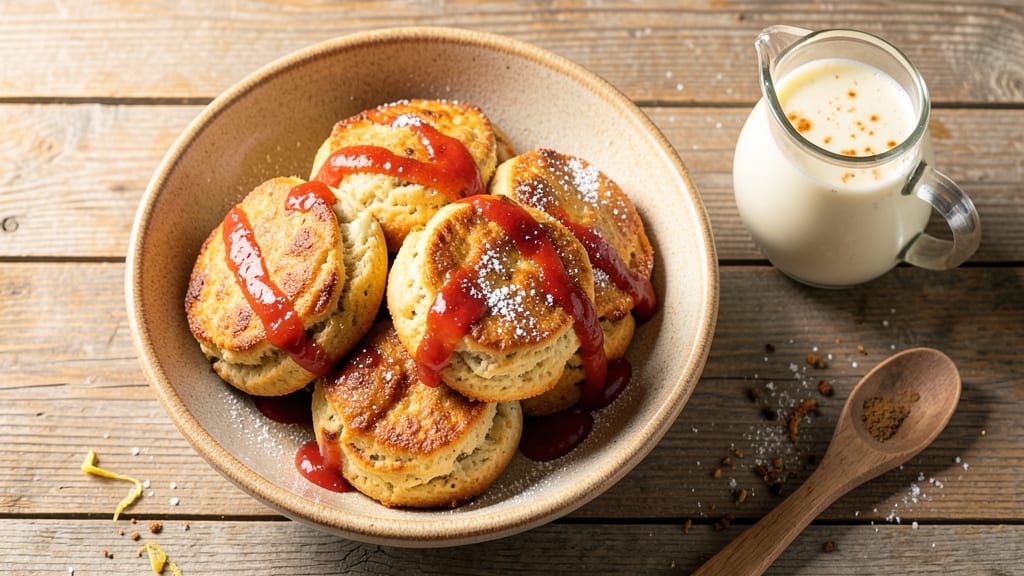
This sweet potato buttermilk biscuit recipe delivers flaky layers and a golden crust that rivals any bakery. The secret lies in blending sweet potato puree with buttermilk for moisture and depth, while cold butter creates those signature tender layers.
I've perfected this technique over years of trial and error—no more tough, dry biscuits here.
The magic happens in the dough preparation: cutting cold butter into flour until pea-sized crumbles form, then folding in the sweet potato-buttermilk mixture just until combined. This foolproof method ensures each biscuit rises high with a crackly top and soft interior.
The sweet potato adds natural sweetness that balances the tangy buttermilk perfectly.
Baked to a golden brown at 425°F for 12-15 minutes, these biscuits stay warm and flaky even when reheated. The aroma alone will have everyone asking for seconds—crispy edges give way to tender, slightly sweet crumb that melts in your mouth.
This recipe transforms a simple side into the star of any meal.
Perfect for breakfast alongside gravy, as a sandwich base, or with dinner to soak up every last bite of sauce. The versatility makes these biscuits a weekly staple once you try them. Let's get baking—your kitchen will smell like heaven in no time.
Ingredients for sweet potato biscuit recipe buttermilk
Twelve ingredients crafting golden, flaky biscuits with sweet potato depth and buttermilk tenderness.
| Ingredient | Amount | Notes |
|---|---|---|
| All-Purpose Flour 🌾 | 4 cups | Sifted for lighter texture |
| Cold Unsalted Butter 🧈 | 1 cup | Cut into 1-inch cubes |
| Canned Sweet Potato Puree 🍠 | 1 cup | No added sugar or salt |
| Buttermilk 🥛 | 1 cup | Full-fat for richness |
| Granulated Sugar 🍚 | 2 tbsp | Light brown preferred |
| Baking Powder 🧂 | 2 tbsp | Diamond Crystal preferred |
| Diamond Crystal Kosher Salt 🧂 | 1 ½ tsp | Fine grain preferred |
| Ground Black Pepper 🌶️ | ½ tsp | Freshly ground for flavor |
| Cornmeal 🌽 | 2 tbsp | For crispy bottom crust |
| Large Egg 🥚 | 1 whole | Room temperature |
The butter must be cold—cut it into 1-inch cubes and let it sit in the fridge until the dough stage. Land O'Lakes or Plugrá unsalted butter works best for this technique. Sweet potato puree is the game-changer here: Libby's unsweetened canned puree is my go-to, but homemade works too (just boil and mash sweet potatoes, then strain). The buttermilk should be full-fat—low-fat versions won't deliver that signature tang. For the flour, King Arthur or Bob's Red Mill all-purpose flour creates the perfect crumb structure. Measure the baking powder and salt precisely—these are the leavening agents that make the biscuits rise high.
No buttermilk? Mix 1 tablespoon lemon juice or vinegar with 1 cup milk—let it sit for 5 minutes to curdle. Running short on sweet potato puree? Mash 1 medium sweet potato (about 1 cup) and strain out excess moisture. Swapping the cornmeal? Semolina or crushed graham crackers work well for crispiness. The egg acts as a binder, but if you're avoiding it, 1 tablespoon melted butter plus 1 tablespoon flour can replace it. For a sweeter biscuit, add 1 tablespoon honey to the dough. The baking powder is critical—do not substitute baking soda unless you add an acid like buttermilk or vinegar.
Store leftover biscuits in an airtight container at room temperature for 2-3 days or freeze for up to 3 months. To reheat, wrap in foil and warm in a 350°F oven for 5-7 minutes—they'll regain that crispy crust. For best results, bake immediately after mixing the dough, but you can shape and refrigerate the dough balls for up to 24 hours before baking. The biscuits are at their peak freshness within the first 2 hours of baking, so plan accordingly if serving to a crowd. Double the recipe—these disappear fast!
Why You'll Love This Recipe
- No Pantry Panic: I use what I already have—no special ingredients hunting. That canned sweet potato puree? It’s my secret for cutting prep time in half while keeping things moist and tender.
- Sweet & Tangy Magic: The buttermilk and sugar team up to give these a bright, almost cake-like sweetness, but the butter keeps them rich and flaky. It’s like dessert had a biscuit makeover.
- Breakfast or Brunch Hero: Serve them warm with honey butter or jam for a lazy Sunday morning, or stack them with fried eggs and bacon for a hearty weeknight meal. They’re the chameleon of the biscuit world.
- Leftovers? No Problem: These freeze like a dream—just reheat in a toaster or oven, and they’re fresh again. I make a double batch on Sundays so I always have something quick to grab when I’m in a rush.
Step-by-step instructions for sweet potato buttermilk biscuits
Master these precise techniques and you'll achieve restaurant-quality flakiness every time.
Prepare the Dough Foundation
In a large mixing bowl, combine the 4 cups All-Purpose Flour, 2 tbsp Baking Powder, 1.5 tsp Diamond Crystal Kosher Salt, and 0.5 tsp Ground Black Pepper. Whisk vigorously for 30 seconds to aerate the flour and ensure even distribution of leavening agents. This step creates microscopic air pockets that will develop into those signature flaky layers.
Create a well in the center and add the 1 cup Cold Unsalted Butter cut into 1-inch cubes. Using your fingertips or a pastry cutter, work the butter into the flour mixture until you achieve pea-sized crumbles with minimal flour streaks remaining. The butter should be evenly distributed but still visible as distinct pieces—this creates the fat layers essential for flakiness. If the mixture feels too dry, add 1-2 tablespoons of buttermilk to help bind the dough.
Incorporate Wet Ingredients
Make another well in the flour-butter mixture and add the 1 cup Buttermilk, 1 cup Canned Sweet Potato Puree, 2 tbsp Granulated Sugar, and 1 whole Large Egg. Using a wooden spoon or silicone spatula, gently fold the ingredients together until just combined. The dough will be shaggy and sticky at this stage—this is normal.
Add 2 tbsp Cornmeal to the mixing bowl. Sprinkle it evenly over the dough and fold it in completely. The cornmeal creates a crispy bottom crust while absorbing excess moisture. Turn the dough out onto a lightly floured surface and gently knead it 4-5 times just until it comes together. Avoid overworking the dough or you'll develop gluten and lose that tender, flaky texture.
Shape and Chill the Dough
Pat the dough into a 1-inch thick rectangle measuring approximately 9x12 inches. Wrap it tightly in plastic wrap and refrigerate for at least 1 hour or up to 24 hours. This chilling step is critical—it allows the gluten to relax and the butter to solidify, preventing the biscuits from spreading too much during baking. The longer you chill, the better the texture will be.
When ready to bake, remove the dough from the refrigerator and let it sit at room temperature for 10 minutes before shaping. This brief warm-up prevents cracking when you cut the biscuits. Preheat your oven to 425°F and line a baking sheet with parchment paper for easy removal.
Cut and Bake for Perfect Texture
Using a 2.5-inch biscuit cutter, cut out biscuits from the chilled dough. Press straight down without twisting to maintain even thickness. Place the biscuits 1 inch apart on the prepared baking sheet. For extra flakiness, gently brush the tops with a little more buttermilk before baking.
Bake for 12-15 minutes until the biscuits are golden brown on top and the edges are set. The internal temperature should reach 190-195°F when tested with an instant-read thermometer. Watch closely after 10 minutes—ovens vary, and you want to catch them at peak freshness before they dry out. Remove from the oven and transfer to a wire rack to cool for 2 minutes before serving.
Pro Tips For Making Sweet Potato Biscuit Recipe Buttermilk
- CHILL THE BUTTERMILK: I learned this the hard way—warm buttermilk makes for dense, flat biscuits. Pop it in the fridge for 10 minutes before mixing, especially if your kitchen’s warm. Cold buttermilk keeps the dough tender but still lifts properly.
- WEIGH THE FLOUR: Scooping flour from the bag packs in air, which means your biscuits will spread like pancakes. Use a kitchen scale for 1:1 accuracy (about 2 cups for most recipes). If you’re eyeballing, spoon it in and level off—no tapping the bowl.
- CUT THE BUTTER SMALL: Big butter chunks melt unevenly, leaving pockets of wet dough that turn gummy. Pulse the butter in a food processor until it’s pea-sized, or grate it if you’re feeling fancy. This guarantees a flaky, even crumb—no guessing.
- STOP WHEN IT’S SHAGGY: Overmixing turns sweet potato biscuits into tough, dry hockey pucks. Mix the dough just until the flour disappears—about 10-12 strokes. The texture should look uneven and slightly sticky, like wet sand. Resist the urge to "fix" it.
Serving suggestions for sweet potato biscuit recipe buttermilk
Breakfast Showstoppers
Serve these biscuits warm with sausage gravy for a Southern-style breakfast that'll impress even picky eaters. I like to make gravy with Johnsonville Original pork sausage and King Arthur all-purpose flour for that perfect velvety texture. The sweet potato flavor in the biscuits balances the savory gravy beautifully. 🍳
Lunch Sandwich Base
Split these biscuits in half and layer with fried chicken, sharp cheddar cheese, and sliced tomatoes for a gourmet chicken sandwich. I use Butterball popcorn chicken for extra crunch, then add a drizzle of honey mustard from French's.
The buttermilk biscuits stay soft even when stacked, so they won't turn soggy.
Dinner Sauce Soakers
These biscuits are perfect for mopping up chicken and dumplings or beef stew. The sweet potato adds natural sweetness that complements savory dishes. I often bake a batch ahead and keep them warm in a 200°F oven while the main course cooks.
For extra indulgence, brush the tops with melted butter before serving.
Sweet Variations
For dessert, transform these biscuits into cinnamon rolls by mixing in 2 tbsp cinnamon and ½ cup brown sugar before shaping. Bake as directed, then drizzle with cream cheese glaze made from Philadelphia cream cheese, powdered sugar, and milk.
The sweet potato adds subtle depth that makes these rolls unforgettable. 🍯
Garnish Like a Pro
Finish your biscuits with flaky sea salt and fresh herbs for restaurant-worthy presentation. I like chopped chives or parsley for color contrast. For a smoky touch, sprinkle with smoked paprika while the biscuits are still warm. The golden crust will shine even more with these simple garnishes.
Make-Ahead Serving
Prepare biscuits ahead of time and freeze them in a single layer on a baking sheet before transferring to an airtight container. Reheat in a 375°F oven for 8-10 minutes until warm.
This lets you serve fresh biscuits without last-minute baking stress. Perfect for holiday meals or large gatherings! ⏰
Nutrition facts
Frequently asked questions
Why does my sweet potato biscuit dough turn out too sticky?
Sticky dough usually means one of two things: either your butter wasn't cold enough or you added too much buttermilk. First, make sure your butter is properly chilled (it should still hold its shape when pressed). If the dough feels unmanageable, sprinkle in 1 tablespoon of flour at a time until it comes together when gently pressed. The sweet potato puree adds moisture, so don't exceed the 1 cup measurement.
Can I substitute buttermilk with something else?
Mix 1 tablespoon lemon juice or white vinegar with 1 cup milk and let it sit for 5 minutes to curdle. For a tangier flavor, use plain yogurt—thin it with 2 tablespoons milk if needed. The acidity is crucial for activating the baking powder and creating that signature tender crumb.
How do I fix biscuits that spread too much?
Over-spreading happens when the butter melts too quickly or the dough isn't chilled long enough. Next time, ensure your dough rests in the fridge for the full 1 hour (up to 24 hours is even better). Also, press straight down when cutting—twisting the cutter creates uneven edges that spread during baking. For extra structure, add 1 tablespoon extra flour to the dough.
What's the secret to extra-flaky layers?
The key is keeping everything cold and cutting the butter into pea-sized crumbles (not pea-sized pieces). Work quickly when mixing wet ingredients and avoid over-handling the dough. For maximum flakiness, use European-style butter (like Plugrá)—it has a higher fat content (82% vs 80%) and creates more layers. Brush the tops with melted butter before baking for that golden, crackly crust.
Can I make these biscuits without an oven?
Yes! If you're camping or short on time, use a cast-iron skillet** on the stove. Heat it over medium heat, add 1 tablespoon butter or oil, and place biscuits cut-side down. Cover with a lid and cook for 8-10 minutes until golden. For even cooking, flip them once halfway through. The cornmeal will create a crispy bottom, just like in the oven.