
Side Dishes
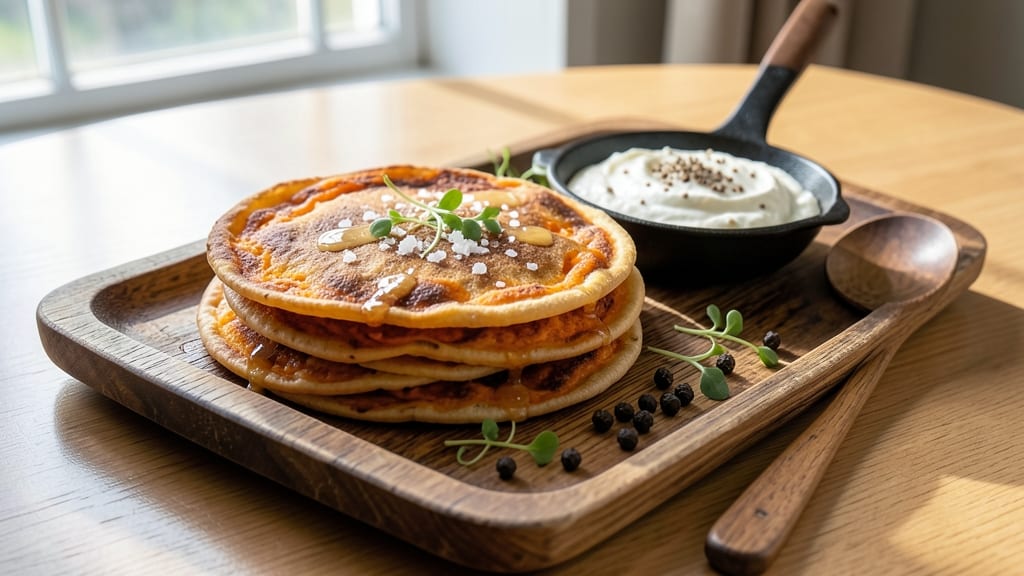
This sweet potato chapati recipe transforms humble ingredients into golden, flaky layers that balance earthy sweetness with satisfying texture. 🌟 The secret lies in perfectly cooked sweet potatoes—grated just fine enough to hold shape while absorbing the dough’s warmth, creating those signature puffed circles with crisp edges and tender centers.
I developed this after years of perfecting chapati technique, and the sweet potato twist adds natural sweetness that pairs beautifully with yogurt or chutney.
The process begins with roasting sweet potatoes until tender, then grating them while still warm to maximize flavor infusion.
Mixing the grated potatoes with whole wheat flour, yogurt, and a touch of ghee (or oil for vegan versions) creates a dough that’s pliable yet sturdy enough to roll thin without tearing. The key to flaky layers is gentle rolling and precise skillet cooking—no flipping required once those bubbles form.
What makes these chapatis special is their versatility. Serve them warm with spiced lentils, yogurt, or as a wrap for grilled vegetables. The natural sweetness of the potatoes complements savory dishes without overpowering them, while the flaky texture becomes a canvas for any topping.
This recipe delivers restaurant-quality results with simple pantry staples—no special equipment needed beyond a skillet and rolling pin.
For added depth, try incorporating roasted cumin seeds or a pinch of nutritional yeast into the dough. The earthy notes enhance the sweet potato’s natural flavor while keeping the chapatis nutritious and satisfying.
Whether you’re meal prepping for the week or serving a family dinner, these chapatis bring warmth and texture to every bite—effortlessly.
Ingredients for sweet potato chapati
Six simple ingredients create restaurant-quality chapatis with sweet potato's natural sweetness.
| Ingredient | Amount | Notes |
|---|---|---|
| Medium Sweet Potatoes 🍠 | 2 lb | Organic preferred, skin-on |
| Whole Wheat Flour 🌾 | 3 cups | High-protein for elasticity |
| Plain Yogurt 🥛 | 1 cup | Unflavored, full-fat preferred |
| Ghee 🧈 | ¼ cup | Or neutral oil for vegan |
| Salt 🧂 | 1 ½ tsp | Fine sea salt preferred |
| Cumin Seeds 🌿 | 1 tsp | Toasted for aroma |
| Nutritional Yeast 🍞 | 2 tbsp | For umami depth (optional) |
| Water 💧 | ½ cup | Room temperature |
The sweet potatoes are the foundation—organic, skin-on varieties from Whole Foods or local farmers' markets have the best texture. Roast them until fork-tender (about 45 minutes at 400°F), then grate while still warm. This ensures maximum flavor infusion and prevents the dough from becoming gummy. For a quicker option, microwave-steamed sweet potatoes work too, but roasting develops deeper caramelization. The whole wheat flour should be high-protein (12-14% protein) like King Arthur or Bob's Red Mill—it gives the dough the elasticity needed for perfect rolling. If your flour is low-protein, add an extra tablespoon of water to the dough.
No ghee? Avocado oil or coconut oil work beautifully—they add richness without overpowering the sweet potato flavor. Fresh out of cumin seeds? Ground cumin at half the amount is fine, though the toasted seeds add a distinct aroma. The yogurt can be Greek yogurt for extra thickness, but regular plain yogurt works fine. For a vegan version, swap the yogurt for unsweetened almond milk yogurt or silken tofu blended with lemon juice. The nutritional yeast adds a cheesy depth that pairs perfectly with the sweet potatoes, but it's entirely optional—skip it if you're avoiding it for dietary reasons. If your dough feels too dry, add water one tablespoon at a time until it's pliable but not sticky.
Store the dough in an airtight container between uses—it keeps for 3 days in the fridge or 3 months in the freezer. For best results, let the dough sit at room temperature for 30 minutes before rolling to make it more pliable. These chapatis reheat beautifully—wrap them in a damp towel and warm in a skillet for 30 seconds per side to restore that crisp texture. Make a double batch and freeze the extras; they're perfect for quick meals all week. The flavor actually improves slightly the next day as the sweet potato's natural sugars caramelize further.
Why You'll Love This Recipe
- Sweet Potato Magic: I swear by this trick—roasting the sweet potatoes first turns them into a silky, caramelized mash with zero fuss. No peeling, no boiling, just 20 minutes in the oven while I prep the dough.
- Ghee-Glazed Heaven: That crispy, ghee-drizzled edge? It’s what makes these chapatis irresistible. The natural sweetness of the potato pairs perfectly with the nutty richness of ghee—like a hug in bread form.
- Breakfast to Dinner: I make a batch on Sundays and eat them all week—wrapped around scrambled eggs, stuffed with spiced lentils, or just slathered with butter. Honestly, they’re my lazy-day secret weapon.
- Pantry-Proof Perfection: Sweet potatoes and whole wheat flour are cheap staples, and the dough keeps for days in the fridge. Between us, this is the kind of recipe that saves money and time without sacrificing taste.
Step-by-step instructions for sweet potato chapati
Here's how to transform humble sweet potatoes into delicate, flaky chapatis with perfect layers.
👨🍳 Step 1: Cook and Mash the Sweet Potatoes
Preheat your oven to 400°F. Pierce the 2 lb medium sweet potatoes with a fork and bake for 45-50 minutes until tender when pierced with a knife. The skin should be slightly wrinkled but not burnt.
Once cooled enough to handle, peel off the skin and transfer the flesh to a clean bowl. Mash with a fork until completely smooth—no lumps should remain. This texture is crucial for creating those signature flaky layers later. Let the mashed sweet potatoes cool completely before proceeding.
👨🍳 Step 2: Prepare the Dough
In a large mixing bowl, combine the 3 cups whole wheat flour, 1.5 tsp salt, 1 tsp toasted cumin seeds, and 2 tbsp nutritional yeast. Mix thoroughly to distribute the spices evenly. Create a well in the center and add the cooled mashed sweet potatoes.
Gradually incorporate the 1 cup plain yogurt and 0.5 cup room temperature water while mixing with your hands or a dough whisk. The dough should come together into a soft, slightly sticky ball that's pliable but not wet. If it feels too dry, add 1 tsp water at a time until it reaches the right consistency.
🍳 Step 3: Knead and Rest the Dough
Lightly dust your work surface with flour and knead the dough for 5-7 minutes until smooth and elastic. You're looking for a dough that springs back slightly when pressed. This step develops the gluten needed for those signature flaky layers.
Divide the dough into 6 equal portions (about 6 oz each) and shape each into smooth balls. Cover with a damp towel and let rest for 30 minutes at room temperature. This resting period allows the gluten to relax, making rolling easier and resulting in more tender chapatis.
🔥 Step 4: Roll and Cook the Chapatis
Heat a clean skillet or non-stick pan over medium-high heat. Take one dough ball and roll it between two sheets of parchment paper into a 6-inch circle about ⅛-inch thick. The edges should be slightly thicker than the center—this creates the classic layered effect.
Place the rolled chapati in the pan and cook for 30-45 seconds until small bubbles appear on the surface. Flip carefully with a spatula and cook the other side for another 30-45 seconds. Press gently with the spatula to encourage layer formation. Remove when both sides are golden brown with visible layers.
🍽️ Step 5: Finish with Ghee for Extra Flakiness
While still warm, brush each cooked chapati with 1 tsp ghee (about 1 tbsp total for all chapatis). The ghee will melt into the layers, creating that signature flaky texture. Stack the finished chapatis between paper towels to keep them soft while you prepare the remaining dough.
Serve immediately with your favorite accompaniments. These chapatis should be tender yet slightly crisp at the edges, with beautiful flaky layers that reveal the sweet potato's earthy sweetness. The ghee adds a rich, nutty flavor that complements the natural sweetness of the potatoes perfectly.
Pro Tips For Making Sweet Potato Chapati
- Boil Until Fork-Tender: Sweet potatoes should break apart when pierced—any less and your dough gets gummy, any more and it turns to mush. I learned this the hard way after making chapati that stuck together like glue.
- Use Cold Ghee: Let your ghee cool slightly before mixing it into the dough—hot ghee melts the yogurt too fast, making the dough sticky and impossible to roll. Trust me, your hands will thank you.
- Rest the Dough Longer: Skip the rush and let the dough sit for at least 30 minutes. I used to skip this, and the chapati would tear apart when rolling. Whole wheat flour needs time to hydrate properly.
- Roll Thick for First Cook: Start with a thicker chapati (about ¼-inch) for the first cook—it holds its shape better and browns evenly. Thin it out on the second cook if you want crispiness, but don’t skip the first thick press.
Pro cooking tips for perfect results
Dough Consistency
Your dough should feel like playdough—not too sticky, not too dry. If it cracks when you press it, add 1 tsp water at a time until it holds together smoothly. I use my fingers to test: press gently, and if it springs back slightly, it's ready.
Too much water makes rolling difficult, while too little creates tough chapatis. For extra insurance, cover the dough with a damp towel while resting—this prevents drying.
Rolling Technique
Roll between two sheets of parchment paper to prevent sticking, and keep the center slightly thinner than the edges. This creates those signature flaky layers when cooked. Use even pressure—no need to press hard. If the dough tears, let it rest another 5 minutes covered with a towel.
I find a 12-inch rolling pin works best for consistent thickness. Rotate the dough as you roll to maintain even pressure.
Heat Control
Your skillet should be hot enough to form bubbles within 30 seconds of placing the chapati. If it browns too quickly, reduce heat to medium. The key is patience—don't rush flipping. I use a non-stick cast iron skillet (like Lodge) for even heat distribution.
Once bubbles form, flip carefully and press gently with a spatula to encourage layer formation. Overheating causes burning, while too-low heat results in soggy chapatis.
Ghee Finishing
Brush the cooked chapatis with ghee while still warm—this is what creates that signature flaky texture. Use about 1 tsp per chapati, letting it soak into the layers. For a vegan version, use avocado oil instead.
The ghee adds richness that balances the sweet potato's earthiness. If you're short on time, a quick spray of oil works, though ghee gives the best flavor. Store finished chapatis between paper towels to keep them soft.
Resting Matters
Never skip the 30-minute rest—this relaxes the gluten for easier rolling and better texture. If you're short on time, a 10-minute rest helps, but full resting time prevents tearing. I often set a timer and use the extra time to prep toppings.
For extra flakiness, let the dough rest overnight in the fridge—this intensifies the flavor and improves texture. Just bring it to room temperature before rolling.
Sweet Potato Prep
Roast sweet potatoes until fork-tender—they should mash easily with minimal lumps. If they're undercooked, the dough will be gummy. For even cooking, place them on a baking sheet with parchment paper. I like to microwave-steam them first for 5 minutes to speed up the process.
Cool completely before mixing—warm potatoes make the dough too sticky. The right texture ensures your chapatis puff perfectly when cooked.
Nutrition facts
Frequently asked questions
Why does my sweet potato chapati dough tear when rolling?
The most common reason is insufficient resting time. Let the dough rest for the full 30 minutes—this relaxes the gluten and makes it more pliable. If it still tears, cover it with a damp towel and rest another 5-10 minutes. Also ensure your work surface is lightly floured and use parchment paper between dough and rolling pin to prevent sticking.
Can I make these chapatis without ghee?
For a vegan version, replace ghee with avocado oil or coconut oil. Brush the cooked chapatis with 1 tsp oil per chapati while warm to maintain flakiness. If you're avoiding oil entirely, a light sprinkle of water works in a pinch, though the texture won't be as rich. The sweet potato's natural sweetness shines through even without ghee.
How do I store leftover sweet potato chapatis?
Keep them fresh by stacking between paper towels in an airtight container. They stay soft for 2 days at room temperature. For longer storage, freeze them between parchment paper for up to 3 months. To reheat, warm in a dry skillet over medium heat for 20-30 seconds per side until crisp again. Microwaving works too but may make them soggy.
What's the best way to cook sweet potatoes for this recipe?
Roasting develops the best flavor, but microwaving works in a pinch. For roasting: Pierce sweet potatoes, bake at 400°F for 45-50 minutes until tender. For microwaving: Pierce, microwave on high for 8-10 minutes (covered with a damp paper towel), then let cool. Always mash completely smooth—no lumps! Warm (not hot) potatoes work best for dough consistency.
Can I add other vegetables to these chapatis?
Yes! Finely grate 1 cup zucchini or ½ cup carrot (squeeze out excess moisture) into the dough for extra nutrition. For heartier chapatis, try adding ¼ cup cooked lentils or 2 tbsp chopped spinach. Just be mindful of moisture—too many wet ingredients can make the dough sticky. Start with small additions and adjust as needed.