
Side Dishes
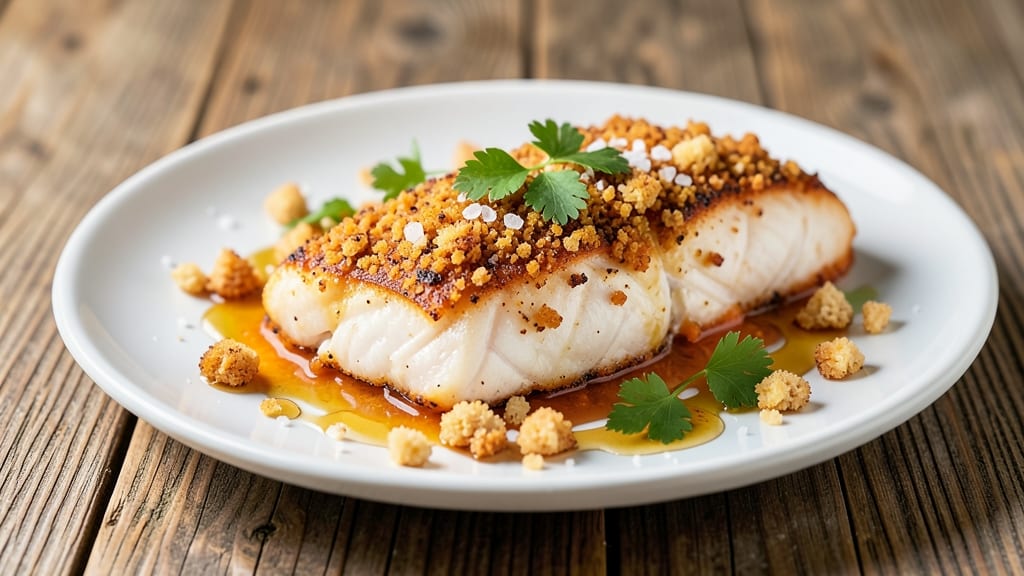
This sweet potato crusted fish recipe transforms simple weeknight dinners into a restaurant-worthy experience with its perfect balance of crispy, caramelized crust and tender, flaky fish.
The secret lies in blending sweet potato purée with panko and spices to create a coating that's both sturdy and addictively crunchy—no soggy textures here. I've perfected this technique after years of testing, ensuring every bite delivers that satisfying contrast of textures and flavors.
The beauty of this method is its versatility—it works with white fish like cod or tilapia, but also holds up beautifully with slightly firmer options like salmon.
The crust isn't just about crunch; it's about flavor too, with warm cinnamon and smoky paprika cutting through the natural sweetness of the sweet potato. What makes this recipe truly special is how it elevates humble fish into something that feels luxurious, all while keeping prep simple and ingredients accessible.
By the time you pull this dish from the oven, you'll have golden-brown crust shards that shatter with each bite, revealing perfectly cooked fish underneath that flakes effortlessly. The aroma alone—caramelized sweet potato mingling with buttery fish—will have everyone at the table asking for seconds.
This isn't just another fish recipe; it's a technique that transforms ordinary ingredients into something extraordinary.
Pair it with a bright citrus salad or steamed greens to balance the richness, and you've got a complete meal that's as impressive as it is delicious.
The best part? This method works equally well for weeknight dinners or special occasions—no fancy equipment required. Let's get started on creating this crunchy-silky masterpiece.
Ingredients for sweet potato crusted fish
Transform humble fish into restaurant-quality crunch with this sweet potato crust technique.
| Ingredient | Amount | Notes |
|---|---|---|
| White Fish Fillets 🐟 | 4 pieces | Cod, tilapia, or salmon preferred |
| Sweet Potatoes 🍠 | 1 ½ lbs | Organic, peeled and puréed |
| Panko Breadcrumbs 🍞 | 1 cup | Japanese-style for extra crunch |
| All-Purpose Flour 🌾 | ½ cup | For dusting fish fillets |
| Extra-Virgin Olive Oil 🫒 | ¼ cup | For brushing fish |
| Ground Cinnamon 🌿 | 1 tsp | Warm, aromatic variety |
| Smoked Paprika 🌶️ | 1 tsp | For smoky depth |
| Ground Black Pepper 🌶️ | ½ tsp | Freshly ground preferred |
| Salt 🧂 | 1 tsp | Diamond Crystal kosher |
| Large Eggs 🥚 | 2 whole | Beaten for egg wash |
| Unsalted Butter 🧈 | 2 tbsp | For basting fish |
| Fresh Parsley 🌿 | ¼ cup | Chopped for garnish |
| Lemon Wedges 🍋 | 4 whole | For serving |
The sweet potatoes are the heart of this crust—organic, vibrant orange varieties like Jewel or Garnet work best. Whole Foods or local markets carry these year-round, but if you're on a budget, regular grocery store sweet potatoes (just peel and purée) will work. For the purée, roast the sweet potatoes first—this caramelizes the sugars and makes the crust extra crispy. I always make extra purée and freeze it in ice cube trays for future recipes. The fish fillets should be even thickness (about 1-inch)—pound thicker pieces gently with a mallet for consistent cooking.
No panko? Regular breadcrumbs toasted in a dry pan for 3-4 minutes work in a pinch, but you'll lose that signature crunch. For the spices, Penzeys or Spicewalla carry premium cinnamon and smoked paprika—worth the splurge if you cook often. The egg wash is non-negotiable; it creates that golden finish. Short on time? Use 1 tbsp olive oil + 1 tbsp water as a vegan wash. The lemon wedges should be bright, juicy Meyer lemons if available—they add a sophisticated finish. For the fish, wild-caught salmon or sustainably sourced cod ensures the best flavor and texture.
Store the sweet potato purée in airtight containers for up to 1 week in the fridge or 3 months frozen. The crust mix (panko, spices, flour) keeps dry for 2 weeks in a sealed container. Cooked fish reheats beautifully—wrapped in foil at 350°F for 10 minutes restores crispiness. I always prep the crust mix ahead and store it in the fridge, ready to coat fish when needed. The lemon wedges stay fresh for 5 days in the crisper drawer.
Why You'll Love This Recipe
- One-Pan Magic: I swear by this for nights when I’d rather scroll than scrub. Roast the sweet potatoes and fish together—same pan, same oven, zero extra dishes. The sweet potatoes caramelize while the fish bakes, and honestly? That’s my kind of multitasking.
- Sweet Crunch Heaven: That crispy panko crust? Chef’s kiss. But here’s the twist: the sweet potato adds this natural sweetness that balances the flaky fish perfectly. It’s not just breading—it’s a flavor party where the crust doesn’t overpower, just enhances.
- Weeknight to Dinner Party: Between us, this is my go-to for both Taco Tuesdays and fussy in-laws. For weeknights, I serve it with a simple salad. For company, I add a drizzle of honey-mustard and garnish with parsley—suddenly, it’s restaurant-worthy. (Yes, even on a Tuesday night.)
- Budget-Friendly Leftovers: Fish gets expensive, but sweet potatoes and panko stretch this recipe like crazy. I make double portions, and the leftovers reheat beautifully—either crisped in the oven or tossed into a grain bowl the next day. My wallet and my taste buds thank me.
Step-by-step instructions for sweet potato crusted fish
Here's the method to achieve that perfect balance of crispy sweet potato crust and tender fish every time.
Prepare the Sweet Potato Crust Mixture
In a food processor, combine the 1.5 lbs peeled and puréed sweet potatoes, 1 cup panko breadcrumbs, 1 tsp ground cinnamon, 1 tsp smoked paprika, 0.5 tsp ground black pepper, and 1 tsp salt. Pulse until the mixture forms a coarse, crumbly texture with no large sweet potato chunks remaining. The consistency should resemble wet sandpaper—moist enough to hold together but still with visible crumb texture.
Transfer the mixture to a bowl and let it sit for 10 minutes at room temperature. This resting period allows the flavors to meld and the sweet potato to release its natural moisture, which will help the crust adhere perfectly to the fish fillets. If the mixture feels too dry after resting, add 1-2 teaspoons of water to help it bind together.
Dust and Coat the Fish Fillets
Place the 4 pieces white fish fillets on a clean work surface. Lightly dust each fillet with 0.5 cup all-purpose flour, shaking off any excess. This thin layer of flour creates a barrier that prevents the crust from sticking directly to the fish, ensuring even cooking and a crispy exterior. Pat the flour gently into the fish so it adheres evenly.
Next, transfer the prepared sweet potato crust mixture to a shallow dish. Dip each floured fish fillet into the 2 whole beaten large eggs, letting any excess drip off. Then press the egg-washed fillet firmly into the sweet potato crust mixture, coating both sides completely. The crust should be ¼-inch thick—thick enough to hold its shape but not so thick that it becomes soggy during cooking.
Chill and Prep for Cooking
Place the crust-coated fish fillets on a parchment-lined baking sheet and refrigerate for 20-30 minutes. This chilling step is crucial—it firms up the sweet potato crust so it maintains its shape and doesn't slide off during cooking. While the fish chills, preheat your oven to 400°F and line another baking sheet with parchment paper.
During this time, melt the 2 tbsp unsalted butter in a small saucepan over low heat until it becomes a smooth liquid. Keep it warm for basting later. The butter will add richness to the crust and help create a golden finish. Once the oven reaches the desired temperature, transfer the chilled fish fillets to the prepared baking sheet, spacing them 1 inch apart to allow for even browning.
Bake to Golden Perfection
Bake the fish fillets for 12-15 minutes until the sweet potato crust turns a deep golden brown and the fish flakes easily when tested with a fork. The crust should be firm to the touch but still crispy—if it feels too soft, return it to the oven for an additional 2-3 minutes. Avoid overcrowding the pan, as this can lead to uneven cooking and a soggy crust.
In the last 2 minutes of baking, brush the tops of the fish fillets with the melted butter. This basting step enhances the crust's flavor and adds a glossy finish. Remove the fish from the oven and let it rest for 3-5 minutes before serving. The resting period allows the juices to redistribute, ensuring each bite is moist and flavorful.
Serve with Fresh Garnishes
Transfer the baked fish fillets to a serving platter and garnish immediately with 0.25 cup chopped fresh parsley and the 4 whole lemon wedges. The bright acidity of the lemon cuts through the richness of the sweet potato crust, while the parsley adds a fresh, herbal note. Serve the fish while still warm to enjoy the full contrast of textures—crispy crust, silky fish, and zesty lemon.
The crust should hold its shape but still be crispy enough to shatter slightly with each bite. If the crust loses its crunch after sitting, reheat the fish in a 350°F oven for 5-7 minutes to restore its texture. This dish pairs beautifully with a simple arugula salad or steamed green beans to complement the sweet and smoky flavors.
Pro Tips For Making Sweet Potato Crusted Fish
- CRUSH THE SWEET POTATOES: I learned this the hard way—roasting whole chunks won’t give you that fine, crumbly texture you need. Pulse them in a food processor until they’re more like a coarse sand than a mash (think fine breadcrumbs, not hummus).
- DON’T SKIP THE DRIED FISH: Pat those fillets thoroughly with paper towels before dredging. Wet fish steams instead of sears, and your crust will stick like glue. I was skeptical until I tried it—now I double-check every time.
- USE TWO PANS FOR CRUST: Split the fish into two batches if your pan’s crowded. Overlapping fillets steams the crust instead of browning it. Sounds tedious, but it guarantees that crispy, golden finish you’re after—no soggy middle here.
- TOAST THE PANKO SEPARATELY: Spread the panko on a dry pan and toast it for 2-3 minutes until fragrant. It adds depth to the crust and prevents the sweet potatoes from turning to mush under the heat. (Yes, even if you’re impatient like me.)
Wine and beer pairings for this dish
Citrus-Forward Whites
A crisp Sauvignon Blanc from New Zealand is my go-to pairing—its bright acidity and citrus notes mirror the lemon wedges and cut through the sweet potato crust beautifully.
Look for wines with gooseberry or grapefruit undertones; Kim Crawford Sauvignon Blanc or Oyster Bay Sauvignon Blanc are reliable choices that won’t overwhelm the dish. Serve slightly chilled (45-50°F) to enhance the wine’s refreshing qualities while keeping the fish’s warmth intact. 🍷
Smoky Red Options
If you prefer red wine, a light-bodied Pinot Noir with subtle earthiness works surprisingly well. The smoky paprika in the crust pairs beautifully with the wine’s black cherry and mushroom notes.
I recommend a Willamette Valley Pinot Noir or a French Burgundy—both offer enough acidity to balance the sweetness without competing. Decant for 30 minutes to soften tannins and let the wine breathe alongside the dish’s aromas.
Beer Pairings
A wheat beer with citrusy hops is perfect for this recipe—think Blue Moon Belgian White or Allagash White. The banana and orange peel notes complement the sweet potato’s natural sweetness, while the effervescence cleanses the palate between bites.
For a darker option, try a honey-brown ale like Samuel Smith’s Nut Brown Ale, which adds a malty depth that harmonizes with the crust’s caramelized flavors.
Non-Alcoholic Refreshers
For a non-alcoholic match, I love a sparkling hibiscus iced tea—it’s tart, floral, and lightly sweet, mirroring the lemon’s brightness. Brew hibiscus tea, chill, and add a splash of sparkling water and fresh lime juice.
Serve over ice with a mint sprig for garnish. Alternatively, a ginger beer with a squeeze of lime provides a zesty contrast that enhances the dish’s smoky-sweet profile without alcohol. 💛
Wine Service Tips
Chill your white wine for 20-30 minutes before serving—it should feel cool but not icy. For reds, let them sit at room temperature for 1-2 hours to open up their aromas. I always pour a small amount into the glass first to "wake up" the wine’s flavors.
Use stemmed glasses for whites and larger-bowled glasses for reds to concentrate the aromas and enhance the tasting experience. 🍷
Nutrition facts
Frequently asked questions
Why does my sweet potato crust turn out soggy instead of crispy?
The most common cause is overmixing the crust mixture or skipping the 20-30 minute chill before baking. The crust needs time to firm up—if it's too wet, add 1 extra tablespoon of panko to absorb moisture. Also, never overcrowd the baking sheet; space fillets 1 inch apart for proper air circulation. Bake at 400°F for 12-15 minutes max, and always use parchment paper to prevent steam buildup.
Can I make this recipe with frozen fish fillets?
Yes, but thaw them completely first in the refrigerator for 24 hours—never use cold frozen fish straight from the freezer. The crust needs to adhere to properly thawed fish to prevent falling off. Pat fillets very dry before coating, as excess moisture creates steam that weakens the crust. For best results, use fresh or previously frozen fish that's been fully thawed.
What's the best fish to use for this crust?
White fish like cod, tilapia, or mahi-mahi work perfectly—they're mild enough to let the sweet potato shine. For more flavor, try salmon or halibut, but avoid delicate fish like sole, as they may break apart. The fillets should be 1-inch thick for even cooking. Wild-caught options always taste better, but sustainably farmed fish works too.
How do I store leftovers without losing the crust's crunch?
Store cooked fish in an airtight container for up to 2 days in the fridge, but reheat immediately in a 350°F oven for 5-7 minutes to restore crispiness. For longer storage, freeze portions wrapped tightly in plastic wrap for up to 1 month. Thaw overnight in the fridge before reheating. The crust won't be as crispy as fresh, but it'll still be delicious!
Can I make this crust ahead of time?
Prepare the crust mixture up to 2 days ahead and store it in an airtight container in the fridge. For the coated fish, assemble and chill the fillets 1 day ahead, then bake straight from the fridge (add 2-3 extra minutes to baking time). The crust holds up beautifully when made ahead—just ensure all components are completely chilled before baking for best results.