
Side Dishes
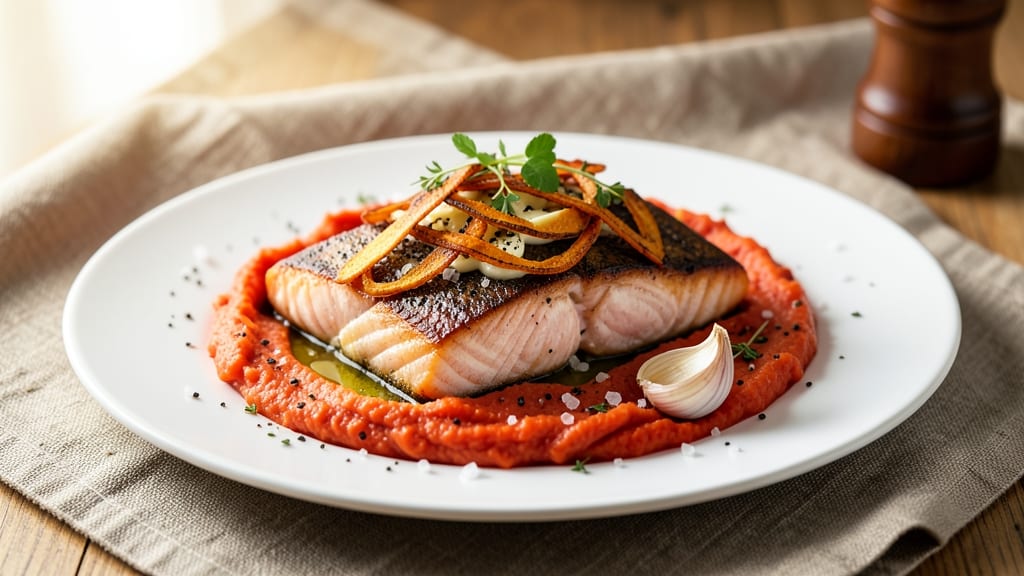
This sweet potato crusted salmon recipe transforms ordinary weeknight dinners into a restaurant-worthy experience with its perfect balance of textures. 🌟 The crispy, caramelized sweet potato crown contrasts beautifully with the tender, flaky salmon underneath, creating a dish that's as impressive as it is delicious.
What makes this recipe stand out is how simple yet sophisticated it is—no fancy techniques required, just a few key ingredients and a little patience for roasting.
The foundation of this dish lies in the sweet potato crust, which adds a natural sweetness that complements the salmon's richness. You'll start by preparing the salmon with a light seasoning, then top it with thinly sliced sweet potatoes that caramelize into a golden, crunchy crown.
The secret to achieving that perfect flaky texture in the salmon is cooking it just right—neither overdone nor undercooked—so every bite is juicy and full of flavor.
Once you've mastered this technique, you'll have a dish that's versatile enough for any occasion, from a casual dinner with friends to a special night in.
The sweet potato crust adds a visual and textural appeal that elevates the salmon to something truly special, while the natural sweetness of the crust balances the richness of the fish. Pair it with a simple side of roasted asparagus or a fresh salad to complete the meal.
This recipe isn't just about the salmon—it's about the harmony of flavors and textures that come together to create something extraordinary. With just a few simple steps, you'll have a dish that's sure to impress, whether you're cooking for yourself or for guests.
Let's get started on creating this delicious, foolproof masterpiece.
Ingredients for sweet potato crusted salmon
Sweet potato crown meets flaky salmon—just seven ingredients transform a simple weeknight meal into something restaurant-worthy.
| Ingredient | Amount | Notes |
|---|---|---|
| Center-Cut Salmon Fillets 🐟 | 4 pieces | Skin-on, 6-8 oz each |
| Large Sweet Potatoes 🍠 | 1 whole | Organic preferred, orange-fleshed |
| Extra-Virgin Olive Oil 🫒 | 2 tbsp | For crust and salmon |
| Diamond Crystal Kosher Salt 🧂 | 1 ½ tsp | Fine grain preferred |
| Freshly Ground Black Pepper 🌶️ | ½ tsp | Coarsely cracked |
| Garlic Cloves 🧄 | 2 cloves | Minced, for seasoning |
| Fresh Lemon Juice 🍋 | 1 tbsp | From organic lemons |
| Unsalted Butter 🧈 | 1 tbsp | Cold, for salmon finish |
| Fresh Thyme Leaves 🌿 | ¼ tsp | Chopped, stems removed |
| Honey 🍯 | 1 tsp | Light, for glaze (optional) |
| Panko Breadcrumbs 🍞 | ¼ cup | For extra crunch (optional) |
The sweet potatoes are the star here. Organic sweet potatoes from the produce section at Whole Foods or your local farmers' market have the best texture—they're denser and caramelize beautifully. If you can't find organic, regular sweet potatoes work fine, but avoid those with soft spots. For the salmon, center-cut fillets are non-negotiable—they stay the most tender. I always buy mine from Trader Joe's because their fishmonger cuts them perfectly, but any reputable seafood counter will do. The key is to keep everything cold until you're ready to cook—salmon cooks fast, and you don't want it warming up prematurely.
No organic sweet potatoes? Regular sweet potatoes work, just make sure they're firm and free of blemishes. Running short on panko? Crush up saltine crackers for a quick substitute—they'll give you that same crispy texture. The honey glaze is optional but adds a lovely caramel finish. If you're avoiding it, just skip it—your crust will still be delicious. For the olive oil, don't skimp. A good extra-virgin like California Olive Ranch makes all the difference. Fresh thyme? If you've got it, use it. If not, dried thyme at one-third the amount works in a pinch. And if you're feeling fancy, add a pinch of smoked paprika to the crust—it adds depth without overpowering.
This dish reheats surprisingly well—just warm it in the oven for 5-7 minutes at 375°F. The sweet potatoes stay crispy, and the salmon remains flaky. Store leftovers in an airtight container for up to 3 days, but honestly, it's best eaten fresh. For meal prep, I like to make a double batch and freeze the extra salmon fillets with their crusts on. Thaw overnight in the fridge, then reheat gently. The crust might lose some crunch, but the flavor stays intact. Pair with roasted asparagus or a simple arugula salad to keep it light.
Why You'll Love This Recipe
- Sweet Potato Crust Magic: The salmon doesn’t just get a crust—it gets a caramelized hug from roasted sweet potato slices. That buttery, slightly sweet crunch? It’s like a natural glaze that sticks to every bite without extra work.
- One-Pan Wonder: Honestly, this is my lazy-day hero. Toss the sweet potatoes on a sheet pan, pop the salmon on top, and let the oven do the heavy lifting. No chopping boards, no extra pans—just done.
- Weeknight to Weekend: Between us, this works for everything. Toss it on a tray for a busy Tuesday, plate it fancy for date night with a drizzle of honey, or pack leftovers for lunch—no one questions why it’s so good.
- Budget-Friendly Luxury: Sweet potatoes stretch my grocery budget and my dinner plans. A single large one makes enough crust for two fillets, and the leftovers? Reheat them in the oven until crispy again. That’s smart cooking.
Step-by-step instructions for sweet potato crusted salmon
Transform simple ingredients into a restaurant-worthy dish with this perfect balance of crispy sweet potato crown and tender salmon.
🍳 Step 1: Roast the Sweet Potato Crowns to Crispy Perfection
Preheat your oven to 425°F and line a baking sheet with parchment paper. Cut the whole large sweet potato lengthwise into ½-inch thick slices—you should get about 8 slices total. Brush both sides generously with the 2 tbsp extra-virgin olive oil, then sprinkle evenly with 1 tsp of the 1.5 tsp diamond crystal kosher salt and all 0.5 tsp freshly ground black pepper.
Arrange the slices in a single layer on the prepared baking sheet, leaving ½-inch gaps between each. Roast for 15 minutes until the edges begin to crisp and the centers feel tender when pierced with a fork. Here's the thing—don't flip them! The direct heat creates that perfect caramelized crust we're after. After 15 minutes, carefully flip each slice and return to the oven for another 10-12 minutes until golden brown and crispy all over.
👨🍳 Step 2: Prepare the Salmon and Seasoning Mixture
While the sweet potatoes roast, create your salmon seasoning. In a small bowl, combine the 2 cloves minced garlic cloves, 1 tbsp fresh lemon juice, 0.25 tsp chopped fresh thyme leaves, and the remaining 0.5 tsp diamond crystal kosher salt. Pat the 4 center-cut salmon fillets dry with paper towels—this step is crucial for that crispy crust.
Place the salmon skin-side down on a clean work surface. Using a sharp knife, make shallow cuts (about ¼-inch deep) in a crosshatch pattern over the flesh side—this prevents curling during cooking. Spread the seasoning mixture evenly over each fillet, pressing gently to help it adhere. Let them rest at room temperature for 10 minutes while you finish the crust preparation.
🥘 Step 3: Assemble the Crunchy Sweet Potato Crust
In a small bowl, mix together the 0.25 cup panko breadcrumbs, 1 tbsp cold unsalted butter (cut into small pieces), and 1 tsp honey. The butter should begin to soften slightly from the warmth of your hands—this helps create a sticky binder for the crust. If the mixture seems too dry, add 1 tsp water to help it cling.
Working quickly, press the roasted sweet potato slices into a single layer on a plate. Using your hands or the back of a spoon, gently press the panko mixture evenly over the top of each slice, covering completely. You want a thick, even coating—this will become your crispy crown. Place the prepared sweet potato slices on top of each salmon fillet, pressing down lightly to help them adhere. The crust should completely cover the salmon flesh.
🔥 Step 4: Bake to Golden Crispiness and Flaky Perfection
Transfer the salmon with sweet potato crowns to a fresh baking sheet lined with parchment paper. Bake at 400°F for 12-15 minutes until the sweet potato crust is deep golden brown and the salmon flakes easily with a fork. Here's where it gets exciting—the crust should be so crispy you'll hear it crackling when you lift it from the pan.
For the ultimate finish, increase the oven temperature to broil for the last 1-2 minutes, watching closely to prevent burning. The salmon is done when it reaches an internal temperature of 145°F and the crust has turned a beautiful caramel color. Let the salmon rest for 3 minutes before serving—this ensures the juices redistribute for that melt-in-your-mouth texture.
Pro Tips For Making Sweet Potato Crusted Salmon
- Dry the Sweet Potatoes Thoroughly: Skip the paper towel—pat them with a clean kitchen towel first, then let them sit uncovered for 10 minutes. I learned this the hard way when my crust kept sticking and turning soggy. The starch needs to dry out completely for that perfect crisp.
- Preheat Pan to Smoking: Get your skillet screaming hot—just before you add the salmon, it should shimmer when you flick water into it. After burning three batches, I finally figured out that medium heat won’t give you the caramelized crust you’re after. High heat. Seriously, crank it up.
- Press the Crust Firmly: Don’t just slap that sweet potato slice on top—press it down hard with a spatula or your palm for 10 seconds. I was skeptical until I tried it, and now it stays put while cooking. This isn’t the prettiest method, but it’s the tastiest.
- Season the Salmon First: Salt and pepper the fillets before pressing on the sweet potato crust—let them sit for 10 minutes. I skip this when I’m lazy, but the dish is noticeably better when I don’t. The seasoning penetrates deeper, and the crust sticks better too.
Common mistakes when making perfect results
Overcooking the Salmon
Salmon cooks faster than you think, and once it hits 145°F internally, it starts drying out. I've ruined perfectly good fillets by keeping them in the oven too long—just 1-2 minutes over turns flaky into tough.
Use an instant-read thermometer to check the thickest part of the fillet. If you don't have one, watch for the crust to turn golden brown and the fish to flake easily with a fork. 🌡️
Skipping the Resting Time
This is where I've made my biggest mistakes—cutting into salmon too soon after baking. Those juices need time to redistribute, or you'll end up with dry, sad fish.
Always let the salmon rest for 3-5 minutes before serving. Pro tip: Tent it loosely with foil to keep it warm while resting.
Uneven Sweet Potato Slices
Thin slices won't crisp properly, while thick ones stay doughy. Aim for ½-inch thick slices cut lengthwise—any thinner and they'll burn before caramelizing. Use a sharp chef's knife and cut against the grain for even thickness. I've learned the hard way that patience here pays off with perfect texture. 🔪
Not Preheating the Oven
Starting with a cold oven means your sweet potatoes will steam instead of roast, leading to soggy crusts. Always preheat to 425°F for 10-15 minutes before baking. I've had to restart entire batches because I skipped this step—don't make my mistake!
Using Wet Sweet Potatoes
Moisture is the enemy of crispy crusts. Pat your sweet potato slices completely dry with paper towels before seasoning and baking. Even slightly damp slices won't crisp properly. I've had to redo crusts because I rushed this step—take the extra 30 seconds to dry them thoroughly. 🧻
Overcrowding the Pan
Stuffing too many slices on one baking sheet causes them to steam and lose crispiness. Leave ½-inch gaps between slices for proper air circulation. I've had to restart batches because I was impatient and packed them too closely—space matters for that perfect crunch!
Nutrition facts
Frequently asked questions
Can I use regular potatoes instead of sweet potatoes for the crust?
Regular potatoes won't work as well—they lack the natural sweetness and moisture that caramelizes beautifully. Sweet potatoes hold their shape better during roasting and develop that perfect golden crust. For a similar texture, you could try yams, but they'll have a slightly different flavor profile.
How do I know when the salmon is fully cooked?
Use an instant-read thermometer to check the thickest part of the fillet—it should reach 145°F. If you don't have one, look for these visual cues: the crust turns golden brown, and the fish flakes easily with a fork. Never rely on color alone, as salmon can appear cooked while still being underdone.
Can I make this recipe ahead of time?
You can prep the salmon and crust up to 24 hours ahead, but assemble and bake it fresh for the best texture. Store components separately in an airtight container, then bake straight from the fridge (add 2-3 extra minutes to cooking time). The crust won't be as crispy if reheated, but the flavors stay delicious.
What are the best sides to serve with this dish?
Light, fresh sides complement the richness of the salmon perfectly. Try roasted asparagus with lemon zest, a simple arugula salad with balsamic glaze, or steamed green beans with garlic. For something heartier, mashed cauliflower or quinoil pilaf works beautifully while keeping the meal balanced.
Why did my sweet potato crust turn out soggy?
This usually happens from moisture—either from wet sweet potatoes or overcrowding the pan. Always pat slices completely dry before seasoning and leave ½-inch gaps between them. Also ensure your oven is fully preheated to 425°F before baking to prevent steaming.