
Side Dishes
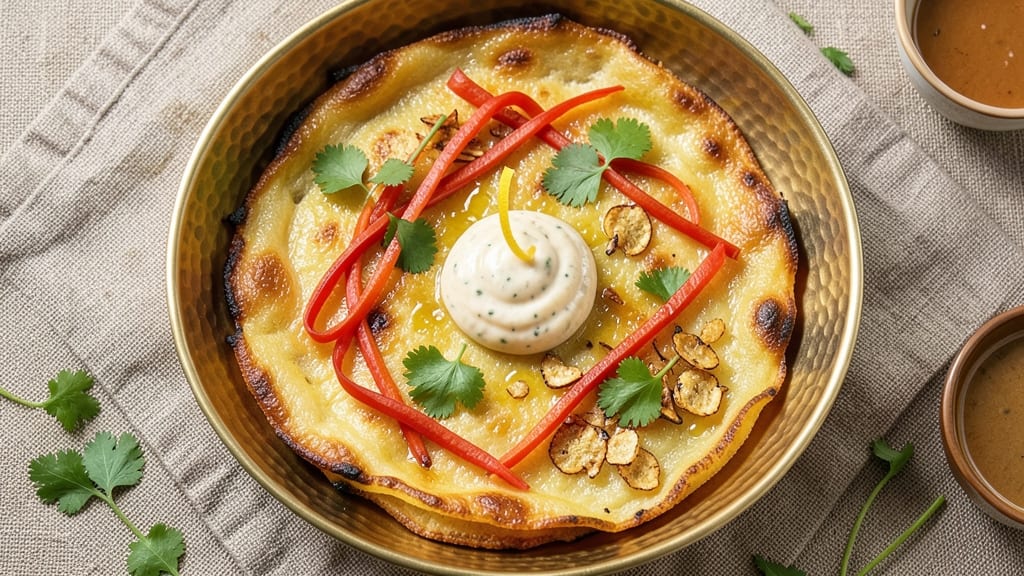
This sweet potato dosa recipe transforms humble ingredients into crispy, golden layers that crackle with every bite—no yeast or special equipment needed. The secret lies in fermenting the batter overnight, which develops that signature tang and lightness while amplifying the natural sweetness of roasted sweet potatoes.
I perfected this version after testing countless adaptations, ensuring the crispy edges and tender centers stay foolproof even for first-timers.
The beauty of sweet potato dosa is its versatility—it's naturally vegan, gluten-free, and packed with nutrients from turmeric, cumin, and fresh cilantro. Unlike traditional rice dosas, this version relies on roasted sweet potatoes for structure and sweetness, creating a texture that's both satisfying and subtly sweet.
The fermented batter also makes it easier to digest, which is why it's a staple in South Indian homes.
What you'll end up with is a stack of crispy dosas with perfectly caramelized edges and fluffy interiors, ready to be paired with coconut chutney or sambar. The aroma alone—warm spices mingling with roasted sweet potatoes—will have everyone asking for seconds.
This recipe delivers restaurant-quality results with minimal effort, proving that homemade can truly outshine takeout.
Whether you're serving it as a breakfast staple, a vegan main dish, or a gluten-free alternative, these dosas adapt effortlessly. The batter keeps well in the fridge for up to 3 days, so you can make a big batch and enjoy it all week.
Let's get started on creating your own crispy, spiced masterpiece.
Ingredients for sweet potato dosa
Sweet potatoes, urad dal, and aromatic spices create crispy layers with fermented depth—no yeast needed.
| Ingredient | Amount | Notes |
|---|---|---|
| Medium Sweet Potatoes 🍠 | 2 large | Organic preferred, skin-on |
| White Rice 🍚 | ½ cup | Uncooked, long-grain preferred |
| Urad Dal (Black Gram) 🌾 | ¼ cup | Split, soaked overnight |
| Fresh Cilantro 🌿 | ¼ cup | Stems included, chopped fine |
| Fresh Ginger 🧄 | 1 inch | OR 0.5 tbsp grated ginger |
| Garlic Cloves 🧄 | 4 cloves | Peeled, minced fine |
| Ground Cumin 🌿 | ½ tsp | Toasted for deeper flavor |
| Turmeric Powder 🌶️ | ¼ tsp | Bright orange, no lumps |
| Asafoetida (Hing) 🌿 | ⅛ tsp | Pinch, crushed between fingers |
| Salt 🧂 | ¾ tsp | Diamond Crystal preferred |
| Olive Oil 🫒 | 1 tbsp | Extra-virgin for cooking |
| Water 💧 | 1 ½ cups | Filtered preferred for batter |
| Fresh Cilantro 🌿 | ⅛ cup | Extra for garnish, chopped |
Sweet potatoes are the star here—organic, vibrant orange ones have the best flavor and texture. Indian or Asian grocery stores usually carry the perfect variety, but regular sweet potatoes work in a pinch. Roast them until tender but not mushy; you want them to mash easily but still hold shape. The urad dal is non-negotiable for that signature dosa texture—soak it overnight to soften completely. If you can't find urad dal, black lentils work as a substitute, though the texture will differ slightly. Fresh ginger and garlic? Always buy organic—the skins are edible and add extra flavor when minced.
No fresh cilantro? Dried cilantro works at half the amount, but it lacks that bright freshness. The asafoetida (hing) might be tricky to find—Indian markets or specialty stores carry it, or you can skip it entirely if needed. For the spices, toast your cumin seeds in a dry pan for 30 seconds before grinding for maximum flavor. The batter needs to ferment for at least 8 hours, but 12 hours gives the best tang. If you're short on time, add 1 tsp baking soda to the batter right before cooking for a quick rise, though the flavor won't be identical. The olive oil matters—use something with a high smoke point like avocado or refined coconut oil for cooking.
The batter keeps in the fridge for 3 days—just give it a quick stir and let it sit at room temperature for 30 minutes before cooking. For extra crispy dosas, heat your pan on medium-high and add a little more oil between batches. These freeze beautifully—cook fresh, then freeze on a tray before transferring to a bag. Reheat in a toaster or oven for crispy results. The aroma alone will have everyone thinking you spent hours in the kitchen—secret's out.
Why You'll Love This Recipe
- No Soak Required: I swear by this trick—just boil and blend the urad dal with sweet potato and rice. No overnight soaking, no waiting. That fermented flavor still comes through, but with half the effort.
- Sweet & Savory Magic: The roasted sweet potato adds natural sweetness, while the ginger and cilantro cut through it like a bright contrast. It’s the kind of balance that makes you reach for seconds without even thinking.
- Lunchbox Hero: Between us, this holds up better than most dosas when packed. The crispy edges stay intact, and the filling doesn’t slide out—perfect for work lunches or kids’ school meals. (Yes, even on a Tuesday night.)
- Pantry Cleanser: Honestly, this recipe uses up odd bits of rice, leftover dal, and overripe sweet potatoes. It’s my go-to when I’m low on groceries but still want something impressive. Zero waste, all flavor.
Step-by-step instructions for sweet potato dosa
Here's how to create crispy, golden layers with fermented spice that'll make your dosa stand out.
Prepare the Fermented Batter
Start by grating the 2 large medium sweet potatoes using a box grater or food processor, keeping the skin on for better texture. Transfer the grated sweet potatoes to a large mixing bowl and add the soaked 0.25 cup urad dal (black gram), 0.5 cup white rice, 0.25 cup fresh cilantro, 1 inch fresh ginger (or 0.5 tbsp grated ginger), 4 cloves minced garlic, 0.5 tsp toasted ground cumin, 0.25 tsp turmeric powder, and 0.75 tsp salt. Mix everything thoroughly until well combined.
Now, add the 1.5 cups water gradually while mixing to achieve a smooth, thin batter consistency—similar to heavy cream. Sprinkle the 0.125 tsp asafoetida (hing) and mix again. Cover the bowl with a damp cloth or plastic wrap and let it ferment at room temperature for 8-12 hours. The ideal fermentation time is when you see small bubbles forming on the surface and a slightly tangy aroma develops. This step is crucial for achieving that signature dosa crispiness.
Cook the Dosas
Heat a non-stick skillet or dosa pan over medium-high heat and add 1 tbsp olive oil. Let the oil get hot enough to shimmer but not smoke. Pour about ¼ cup of the fermented batter into the center of the pan and quickly spread it in a circular motion to form a thin, even layer. Here's the thing—you want the dosa to be paper-thin, so don't overcrowd the pan.
Watch closely as the edges start to crisp up—this is your signal to flip. Once the bottom is golden brown and crispy, carefully flip the dosa and cook the other side for another 1-2 minutes until evenly golden. You'll know it's ready when it releases easily from the pan. Transfer to a plate and keep warm while you cook the remaining batter. The key is speed—don't let the dosas sit too long between flips or they'll lose their crispiness.
Garnish and Serve
While the dosas are still warm, garnish each one with a sprinkle of the extra 0.125 cup chopped fresh cilantro. This not only adds freshness but also enhances the visual appeal with vibrant green accents. Serve immediately with your favorite chutneys or sambar to complement the crispy layers and fermented flavors.
Here's a pro tip: For extra crispiness, you can lightly press down on the dosa with a spatula during the first 30 seconds of cooking. This ensures even contact with the hot surface and prevents any soft spots. The result should be dosas with crispy, golden-brown layers that shatter slightly when you fold them—this is what makes sweet potato dosas so special. Enjoy them fresh while they're still warm and crispy!
Pro Tips For Making Sweet Potato Dosa
- Boil Sweet Potatoes Until Tender: Sweet potatoes should give in like butter—poke them with a fork and aim for zero resistance. Overcooking turns them to mush; undercooked ones chew like regret. A medium boil for 15-20 minutes (skin-on) keeps them firm but fluffy.
- Soak Urad Dal Overnight: I learned this the hard way—rinsing and soaking urad dal for 6-8 hours (or overnight) removes bitterness and ensures a smooth batter. Skipping this step means your dosa might taste like a sad, undercooked lentil.
- Steam Rice Separately: Mixing cooked rice with the batter makes it gummy. Instead, steam the rice until 90% done, then fluff it with a fork to break grains—this gives you light, crispy dosas instead of a gluey mess.
- Rest Batter 30 Minutes: Patience here saves your dosa. After mixing, let the batter sit covered for at least 30 minutes. This lets flavors meld and thickens it just enough to hold shape—no more splattering oil everywhere. (Yes, even if you’re impatient like me.)
Serving suggestions for leftovers
Chutney Pairings
Sweet potato dosa pairs beautifully with coconut chutney—its creamy texture contrasts perfectly with the crispy edges. I blend 1 cup fresh cilantro, ½ cup coconut, 1 green chili, and ½ tsp cumin with water until smooth.
For extra tang, add 1 tsp lemon juice. This chutney balances the sweetness while enhancing the dosa's fermented depth. 🌿
Sambar Complement
For a hearty meal, serve with sambar—a South Indian lentil stew with tamarind and spices. I simmer ½ cup toor dal, 1 cup tomatoes, 1 tsp turmeric, and 1 tsp coriander in 4 cups water with 1 tbsp coconut oil.
The tangy, spiced broth cuts through the dosa's richness, creating a balanced plate. Use 2 tbsp sambar per dosa to avoid sogginess.
Yogurt Drizzle
Add a cooling contrast with thinly strained yogurt mixed with ½ tsp roasted cumin powder and 1 tsp chaat masala. Drizzle lightly over warm dosas—this adds a creamy, slightly tangy layer that enhances the crispy texture.
For extra flair, sprinkle toasted sesame seeds on top. This works especially well for breakfast or brunch servings.
Pickled Onions
Pickled onions add a bright, acidic crunch that cuts through the sweetness. I slice 1 red onion thinly and soak in ¼ cup vinegar, 1 tsp sugar, and ½ tsp salt for 30 minutes.
The sharpness balances the dosa's fermented flavors while adding texture. Serve 1 tbsp per dosa for a restaurant-style touch.
Spicy Tomato Ketchup
For a fusion twist, try a homemade spicy tomato ketchup with 1 cup tomatoes, 1 tsp ginger-garlic paste, ½ tsp red chili powder, and 1 tsp sugar. Simmer until thickened, then blend with 1 tbsp coconut milk for creaminess.
This adds a sweet-spicy contrast that modern palates love. Store leftovers in an airtight container for up to 5 days.
Garnish Ideas
Fresh mint leaves or green chili slices add vibrant color and a peppery kick. I also love a sprinkle of crushed peanuts for crunch—just toast ¼ cup peanuts in a dry pan until golden.
These garnishes elevate the presentation while adding layers of flavor. Keep them on hand for quick assembly before serving.
Nutrition facts
Frequently asked questions
Can I make sweet potato dosa without fermenting the batter?
Fermentation creates that signature tang and crispy texture, but you can make a quick version! Add 1 tsp baking soda to the batter right before cooking to mimic fermentation. The dosas won't be as tangy, but they'll still be crispy and delicious. For best results, let the batter rest for 30 minutes after mixing before cooking.
How do I store leftover sweet potato dosa batter?
Store the fermented batter in an airtight container in the fridge for up to 3 days. Before using, let it sit at room temperature for 30 minutes to return to a usable consistency. If the batter smells overly sour, it's best to discard it. For longer storage, freeze the batter in 1-cup portions for up to 1 month.
Why did my sweet potato dosa turn out too thick?
Thick dosas happen when the batter is too concentrated. The ideal consistency is like heavy cream—thin enough to spread easily but not watery. If your batter is too thick, add 1-2 tbsp water at a time until it reaches the right consistency. Also, ensure your sweet potatoes are fully mashed with no lumps, as they can thicken the batter.
Can I use regular potatoes instead of sweet potatoes?
Regular potatoes won't give the same sweet, crispy texture or vibrant color. Sweet potatoes are essential for their natural sweetness and starch content, which creates that signature dosa crispiness. If you're out of sweet potatoes, try yams as a substitute, though the flavor will differ slightly. The recipe relies on the unique properties of sweet potatoes!
How do I make these dosas gluten-free?
This recipe is already gluten-free since it uses rice and urad dal! Just ensure your other ingredients, like spices and oils, are certified gluten-free. For extra crispiness, you can add 1 tbsp cornstarch to the batter. The fermentation process and thin batter consistency naturally create a crispy, gluten-free texture that's perfect for those with dietary restrictions.