
Desserts
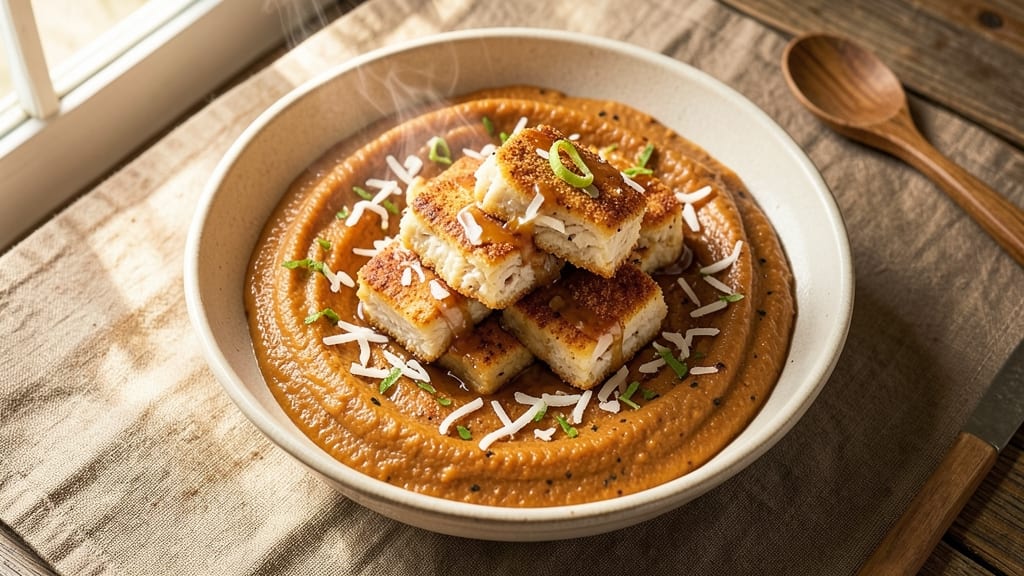
This sweet potato fish cake recipe transforms humble ingredients into a dessert that’s crisp on the outside and velvety within—think of it as a cross between a cake and a fritter, elevated by warm vanilla and subtle spice.
The secret lies in the perfect balance of flaked fish and sweet potato purée, bound together with just enough flour to hold its shape while achieving that coveted golden-brown crust.
I developed this recipe after years of experimenting with fish cakes, finally nailing the texture that’s both satisfying and elegant enough for dinner parties.
The beauty of this dish is its versatility—it works equally well as a standalone dessert or paired with a tangy dipping sauce like mango chutney or a drizzle of honey.
The vanilla swirl cuts through the richness of the fish, while a pinch of cinnamon or nutmeg adds depth without overpowering. What makes it truly special is how the sweet potato purée keeps the cakes moist for hours, even after baking.
What you’ll end up with is a batch of crispy-edged, tender-centered fish cakes that taste like a gourmet treat but require no special skills. The batter comes together in minutes, and with just 20 minutes of hands-on time, you’ll have a dessert that looks impressive yet feels effortless.
Perfect for feeding a crowd or treating yourself to something indulgent without the fuss.
Whether you’re serving them warm with a sprinkle of powdered sugar or letting them cool slightly for easier slicing, these fish cakes deliver on both texture and flavor.
The recipe also adapts easily to dietary needs—swap regular flour for gluten-free if needed, or use a dairy-free binder for extra flexibility. Let’s get started!
Ingredients for sweet potato fish cake
Six ingredients transform humble sweet potatoes and flaked fish into golden, velvety fish cakes with vanilla swirls.
| Ingredient | Amount | Notes |
|---|---|---|
| Sweet Potatoes 🍠 | 1 ½ lb | Peeled and puréed smooth |
| White Fish Fillets 🐟 | 1 ½ lb | Cod, haddock or tilapia preferred |
| All-Purpose Flour 🌾 | ½ cup | Gluten-free blend optional |
| Granulated Sugar 🍚 | ¼ cup | For sweetness balance |
| Vanilla Extract 🌸 | 1 tbsp | Pure vanilla preferred |
| Ground Cinnamon 🍃 | 1 tsp | For subtle warmth |
| Ground Nutmeg 🌿 | ¼ tsp | Freshly grated preferred |
| Salt 🧂 | ½ tsp | Kosher or sea salt |
| Black Pepper 🌶️ | ¼ tsp | Freshly ground preferred |
| Large Eggs 🥚 | 2 whole | Room temperature preferred |
| Vegetable Oil 🫒 | ½ cup | For frying |
| Powdered Sugar 🍚 | 2 tbsp | For dusting |
The sweet potatoes are the heart of this recipe—organic sweet potatoes from the produce section at Whole Foods or your local market work best, as they're naturally sweeter and creamier. Look for ones that are firm and vibrant orange, not soft or shriveled. The fish should be freshly flaked—pre-flaked fillets from the seafood counter lose texture quickly. If you're buying whole fillets, ask your fishmonger to flake it for you, or do it yourself with a fork. For the vanilla, Madagascar bourbon vanilla adds a deeper flavor than imitation extracts, but pure vanilla works fine too. The cinnamon and nutmeg should be freshly ground if possible, as pre-ground spices lose their punch quickly.
No vanilla extract? Vanilla bean paste works beautifully, or you can scrape seeds from a vanilla bean into the batter. Running short on eggs? Flax eggs (1 tbsp ground flaxseed + 3 tbsp water per egg) bind just as well. The flour can be swapped for a gluten-free 1:1 blend if needed, though texture may vary slightly. For the oil, vegetable or canola oil are neutral choices, but avocado oil adds a subtle richness. If you're frying in batches, keep the oil temperature steady at 350°F—too hot and they'll burn before cooking through.
These cakes reheat beautifully—350°F for 10-12 minutes restores that crispy exterior. Store leftovers in an airtight container in the fridge for up to 3 days, or freeze for 2 months. For serving, I like to dust them with powdered sugar right before eating—it adds a delicate sweetness that complements the warm spices. The batter can be made ahead and chilled for up to 24 hours, so you can fry fresh whenever you're ready.
Why You'll Love This Recipe
- No Fuss, No Mess: I swear by this one—just mash the sweet potato, mix in the flaked fish, and a splash of vanilla. No rolling, no shaping, no stress. The batter’s thick enough to hold together but still forgiving if it’s not perfect. (Between us, my first try looked like a pancake disaster, but it tasted like heaven anyway.)
- Hidden Sweetness: The sugar and vanilla in the batter caramelize just enough to give these cakes a subtle, addictive sweetness that balances the mild fish. It’s not dessert—it’s better than dessert when you’re craving something rich but still want protein. Honestly, my husband snags the last piece before I can.
- Weeknight to Potluck: Make a big batch on Sunday, and you’ve got breakfast, lunch, or a snack covered all week. Fry them up fresh for a crispy bite, or reheat in the oven for a softer texture. Bring them to a picnic or potluck—no one will guess they’re secretly budget-friendly, and they’re way easier to transport than a whole casserole.
- Leftovers That Don’t Suck: Most fish cakes dry out or turn soggy, but these? They stay tender for days. I keep them in the fridge, wrapped in parchment, and reheat them in a skillet with a little butter—like mini golden pancakes. (Yes, even on a Tuesday night.) Plus, the sweet potato stretches the fish, so you’re not left with a sad, expensive fish fillet going to waste.
Step-by-step instructions for sweet potato fish cakes
Here's how to create perfectly balanced fish cakes with a crisp exterior and moist vanilla-spiced interior.
Prepare the Sweet Potato Puree
Peel the 1.5 lb sweet potatoes and cut them into 1-inch chunks. Place them in a medium saucepan and cover with cold water by about 1 inch. Bring to a boil over medium-high heat, then reduce to a simmer and cook for 15-20 minutes until fork-tender and easily pierced.
Drain the sweet potatoes thoroughly, then return them to the pot. Add 0.25 cup granulated sugar, 1 tbsp vanilla extract, 1 tsp ground cinnamon, and 0.25 tsp ground nutmeg. Mash the mixture until completely smooth, with no lumps remaining. This puree should be thick but still spreadable—if it's too stiff, add 1-2 tablespoons of water to achieve the right consistency. Let it cool completely before using.
Create the Fish Cake Batter
In a large mixing bowl, combine the cooled sweet potato puree with 1.5 lb white fish fillets. Use a fork or potato masher to break up the fish into small, even pieces while incorporating it into the puree. Add 0.5 cup all-purpose flour, 0.5 tsp salt, and 0.25 tsp black pepper, mixing gently until just combined. The batter should hold its shape when scooped but remain tender—overmixing will make the cakes dense.
In a separate small bowl, whisk together the 2 whole large eggs. Slowly fold the eggs into the fish mixture, mixing just until fully incorporated. The batter should be cohesive but still light and airy. Cover the bowl and refrigerate for 30 minutes to firm up slightly—this helps the cakes hold their shape during frying.
Form and Chill the Fish Cakes
Line a baking sheet with parchment paper. Using a 1/3-cup measuring scoop, portion the chilled batter into 6 equal mounds on the prepared sheet. Gently flatten each mound into 1/2-inch thick patties, using your hands to create smooth, even surfaces. The edges should be slightly thicker than the centers to prevent cracking during cooking.
Return the formed fish cakes to the refrigerator and chill for at least 1 hour (up to 2 hours for best results). This step is crucial—it allows the flavors to meld and ensures the cakes maintain their shape when fried. If you're short on time, you can skip the full chilling period, but the cakes may be slightly less stable in the pan.
Fry to Golden Perfection
Heat 0.5 cup vegetable oil in a large skillet over medium heat until it reaches 350°F—test by dropping a small piece of batter into the oil; it should sizzle and float immediately. Working in batches to avoid overcrowding, carefully place 2-3 fish cakes in the hot oil. Fry for 3-4 minutes per side until they develop a deep golden brown crust and are cooked through.
Transfer the fried fish cakes to a paper towel-lined plate to drain excess oil. They should be crisp on the outside and warm and moist on the inside. If the oil temperature drops below 325°F during frying, add 1-2 tablespoons of additional oil to maintain even cooking. Keep the fried cakes warm in a 200°F oven while you fry the remaining batches.
Serve with Powdered Sugar Dusting
Once all fish cakes are fried, dust them generously with 2 tbsp powdered sugar while still warm. Use a fine-mesh sieve to create an even, delicate coating that enhances the vanilla and spice flavors. Serve immediately with your choice of dipping sauce—tartar sauce, lemon aioli, or a simple mix of mayonnaise and chopped fresh herbs pairs beautifully.
The finished fish cakes should have a crisp, slightly caramelized exterior that gives way to a tender, moist interior infused with warm vanilla, cinnamon, and nutmeg. Each bite should deliver a perfect balance of sweet, savory, and spiced notes, with the sweet potato adding natural sweetness and body. Enjoy while warm for the ultimate texture contrast!
Pro Tips For Making Sweet Potato Fish Cake
- BOIL SWEET POTATOES UNTIL TENDER: I learned this the hard way—mushy sweet potatoes ruin the texture of your fish cake. Boil them until you can pierce them with a fork without resistance, then let them cool completely before mashing. No one likes gummy filling in their cake.
- USE COLD FISH FILLETS: Skip thawing or room-temperature fish—it gets rubbery. Keep the fillets ice-cold until you’re ready to mix them into the batter. Cold fish holds its shape better and doesn’t turn your cake into a sad, dense brick.
- DON’T OVERMIX THE BATTER: Once you fold in the fish, stop stirring after 10 seconds. Overworking the batter makes the cakes tough. Gently combine just until the fish is coated—your future self will thank you when they’re light and fluffy.
- FRIED IN BATCHES: Crowding the pan drops the oil temperature and steams the cakes instead of crisping them. Fry in batches of 2-3 cakes, and resist the urge to flip too soon—wait for a deep golden color, about 3-4 minutes per side. Yes, it takes longer, but it’s worth it.
Regional styles of these flavors
Southern U.S. Style
In the Southern U.S., these fish cakes often take on a heartier profile, incorporating cornmeal instead of flour for a coarser texture. I like adding ½ cup fine cornmeal to the batter for extra crunch—it mimics the texture of traditional Southern fried fish.
A splash of hot sauce in the dipping sauce (like Crystal Hot Sauce) adds a kick that balances the sweetness perfectly. 🌶️
Caribbean Fusion
Caribbean-inspired versions swap sweet potatoes for mashed plantains and infuse the batter with lime zest and scotch bonnet peppers for a tropical twist.
I’ve made a batch using 1 cup mashed ripe plantains instead of sweet potatoes, along with 1 tbsp lime zest and ½ tsp finely chopped scotch bonnet. Serve with a mango-habanero dipping sauce for a fiery-sweet contrast.
Japanese-Inspired
In Japan, these fish cakes often feature grated daikon radish mixed into the batter for moisture and a subtle crunch. I’ve adapted this by adding ½ cup grated daikon to the sweet potato puree, along with 1 tsp grated fresh ginger and 1 tbsp soy sauce in the batter.
Pan-fry in sesame oil and serve with a yuzu kosho (citrus chili) sauce for a bright, umami-packed finish.
Mediterranean Twist
For a Mediterranean flair, I’ve experimented with feta cheese and lemon zest in the batter. Replace ¼ cup of the flour with ¼ cup crumbled feta, and add 1 tbsp lemon zest to the sweet potato puree.
Finish with a drizzle of olive oil and a sprinkle of za’atar before serving. Pair with a tzatziki sauce for a creamy, herby contrast.
Spicy Cajun Style
Inspired by Louisiana flavors, this version swaps cinnamon for Cajun seasoning and adds diced green bell peppers to the batter. Use 1 tbsp Cajun seasoning (like Tony Chachere’s) instead of the cinnamon and nutmeg, and fold in ½ cup diced green bell peppers.
Fry until golden and serve with a spicy remoulade for a bold, smoky kick. 🔥
Vegetarian Adaptation
For a vegetarian take, replace the fish with 1.5 lb firm tofu (pressed and crumbled) or chickpeas (mashed). Boost the flavor with 1 tbsp smoked paprika and 1 tsp garlic powder in the batter.
The texture stays crispy, but the interior gains a heartier, plant-based richness. Serve with a roasted garlic aioli for dipping.
Nutrition facts
Frequently asked questions
Can I use canned fish instead of fresh fillets?
Yes, but with a few adjustments! Use 1.5 cups of high-quality canned white fish (like cod or haddock) drained well, and add 1 extra tablespoon of flour to help bind the batter. Drain the fish thoroughly and press out excess liquid with a paper towel before mixing. The texture will be slightly denser but still delicious.
Why does my batter look too wet or dry?
Too wet? Add 1-2 tablespoons of flour at a time until the batter holds its shape when scooped. Too dry? Mix in 1-2 teaspoons of water or milk to loosen it. The ideal consistency should be like thick pancake batter—cohesive but still spreadable. Overmixing can make it dense, so fold ingredients gently.
How do I make these gluten-free?
Replace the 0.5 cup all-purpose flour with a 1:1 gluten-free flour blend (like Bob's Red Mill) or a mix of 0.3 cup gluten-free flour + 0.2 cup cornstarch. For extra binding, add 1 extra egg or 1 tbsp ground flaxseed mixed with 3 tbsp water. The texture may be slightly crumbly but still crispy when fried.
Can I bake these instead of frying?
Preheat your oven to 400°F and line a baking sheet with parchment. Lightly brush the formed cakes with oil and bake for 15-18 minutes until golden and firm. For extra crispiness, broil for 1-2 minutes at the end. Baked versions are lighter but still delicious—great for a healthier option!
What’s the best way to store leftovers?
Keep fried cakes in an airtight container in the fridge for up to 3 days. For longer storage, freeze them for 2 months. Reheat in a 350°F oven for 10-12 minutes or air-fry at 375°F for 5 minutes to restore crispiness. Avoid microwaving—they’ll get soggy!