
Desserts
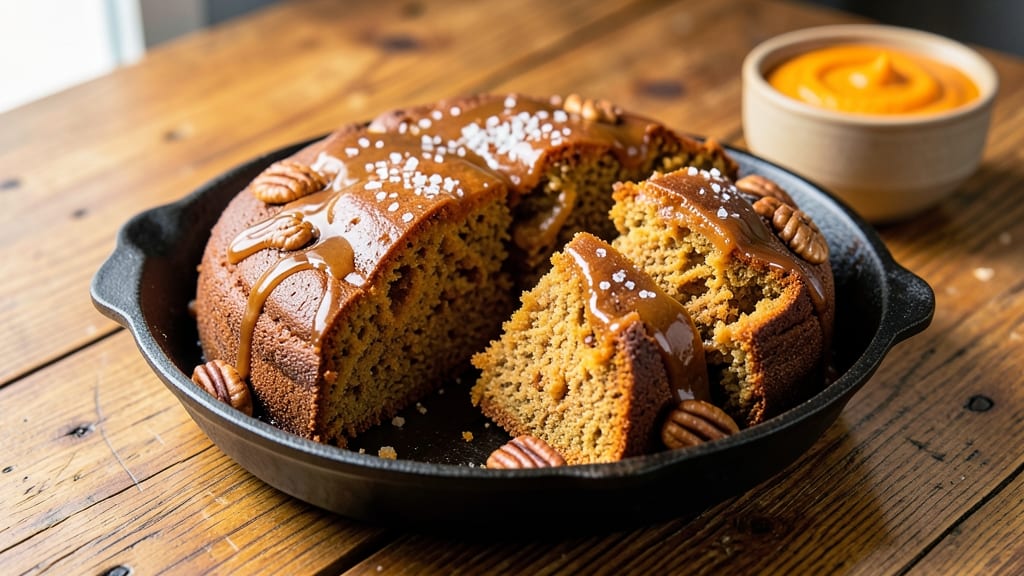
This sweet potato gooey cake recipe delivers moist, spice-kissed layers with a signature caramelized crunch that keeps everyone reaching for seconds.
The secret lies in blending sweet potatoes with brown sugar and warm spices like cinnamon and nutmeg, creating a texture that's impossibly tender yet sturdy enough to hold its shape. I developed this version after years of testing—it's the one that finally nailed that perfect balance between cakey and custard-like.
The beauty of this recipe is its adaptability—swap in chocolate chips for a fudgy twist or fold in chopped pecans for added crunch. A simple cream cheese frosting elevates it to restaurant-quality dessert status, though I often skip it when serving to highlight the cake's natural sweetness.
The key technique? Baking at 350°F for 50-55 minutes until the edges are golden and a toothpick comes out with just a few moist crumbs.
What you'll end up with is a cake that's rich without being heavy, with warm vanilla and spice notes that make it feel like autumn in every bite.
The gooey texture comes from the sweet potato puree and brown sugar, which create a custard-like center that's almost too good to slice. This recipe delivers on comfort food at its finest—perfect for holidays, potlucks, or when you simply need a dessert that feels like a hug.
For dietary adaptations, you can substitute regular flour with a 1:1 gluten-free blend or reduce the sugar slightly if you prefer a less sweet version. The cake keeps well at room temperature for 3 days or can be frozen for up to 3 months. Let's get baking!
Ingredients for sweet potato gooey cake
Sweet potatoes, brown sugar, and warm spices make this cake impossibly tender yet sturdy.
| Ingredient | Amount | Notes |
|---|---|---|
| Sweet Potatoes 🍠 | 2 cups | Puréeed, unsweetened (about 1 large) |
| All-Purpose Flour 🌾 | 2 cups | Sifted, spooned lightly |
| Brown Sugar 🍚 | 1 ½ cups | Packed, light or dark |
| Granulated Sugar 🍬 | ½ cup | For balanced sweetness |
| Large Eggs 🥚 | 2 whole | Room temperature |
| Unsalted Butter 🧈 | 1 cup | Melted, full-fat preferred |
| Vanilla Extract 🌸 | 2 tsp | Pure, high-quality |
| Ground Cinnamon 🌿 | 2 tsp | Freshly ground preferred |
| Ground Nutmeg 🌶️ | ½ tsp | Freshly grated |
| Baking Powder 🍞 | 2 tsp | Aluminum-free preferred |
| Salt 🧂 | ½ tsp | Fine sea salt |
| Milk 🥛 | ½ cup | Whole milk preferred |
| Pecans 🌰 | ½ cup | Chopped, toasted (optional) |
The sweet potatoes are the star here—orange-fleshed, firm varieties like Jewel or Beauregard work best. Trader Joe's and Whole Foods usually carry them pre-packaged, but regular grocery stores do too. If you're using canned sweet potato puree, choose unsweetened—no need for extra sugar. The brown sugar? Light or dark both work, but light gives a slightly softer texture. I always grab the Domino brand because it's consistent, but any quality brand is fine. For the pecans, toasting them first brings out their flavor—just spread them on a baking sheet at 350°F for 5-7 minutes.
No sweet potatoes? Pumpkin puree works in a pinch, but the flavor will be different. Short on brown sugar? Substitute white sugar at half the amount, but the cake might be slightly less moist. The vanilla extract is non-negotiable—imitation stuff won't cut it here. Need a gluten-free version? Swap the all-purpose flour for a 1:1 gluten-free blend. For extra richness, add 2 tbsp sour cream to the batter. The nutmeg is key—if you only have whole nutmeg, grate it fresh for the best flavor.
This cake is best served fresh, but it keeps well at room temperature for 3 days in an airtight container. For longer storage, freeze slices wrapped in plastic for up to 3 months. I always make two cakes—one for serving immediately and one to freeze for later. The batter can be prepped ahead and refrigerated for 24 hours, just let it sit at room temperature for 30 minutes before baking. The gooey center is the best part, so don't overbake—it'll firm up as it cools.
Why You'll Love This Recipe
- No Boil, No Peel: I just microwave the sweet potato whole—yes, in its skin—until it’s fork-tender. No peeling, no mess, and that natural sweetness? It’s the star here without any extra work.
- Caramel-Kissed Magic: That combo of brown sugar and granulated sugar in the batter creates this unreal texture—soft, moist, with pockets of gooey sweetness that’ll have you cutting yourself a second slice before the first one cools.
- Weeknight or Potluck Hero: Serve it warm with a scoop of vanilla ice cream for a lazy dinner, or slice it up for a brunch crowd—it’s just as welcome at 7pm as it is at 10am. (Yes, even on a Tuesday night.)
- Budget Stretch: Sweet potatoes are dirt cheap, and this recipe uses basic pantry staples—flour, sugar, eggs—so you’re not breaking the bank. Plus, leftovers reheat beautifully, meaning less waste and more happy meals.
Step-by-step instructions for sweet potato gooey cake
Here's how to create layers of moist sweet potato cake with a crunchy pecan topping.
Prepare the Sweet Potato Puree
Start by cooking the sweet potatoes until tender - about 45-50 minutes at 400°F in a covered baking dish. Pierce them first with a fork to let steam escape. Once cool enough to handle, peel off the skin and transfer the flesh to a food processor or blender. Puree until completely smooth, scraping down the sides as needed. You should end up with about 2 cups of silky puree - no lumps allowed, as they'll make your cake texture uneven.
This step is where the cake gets its signature moisture and natural sweetness. I like to taste the puree before proceeding - it should be slightly sweet but not overly so. If it's too watery, spread it thinly on a baking sheet and bake at 300°F for 10 minutes to evaporate excess liquid. The puree is ready when it's thick enough to hold its shape when drizzled from a spoon.
Mix Wet Ingredients for Perfect Texture
In a large mixing bowl, combine the sweet potato puree with the melted butter, brown sugar, granulated sugar, vanilla extract, and eggs. Whisk vigorously for about 3 minutes until the mixture is completely smooth and slightly thickened. This step is crucial for creating that signature gooey texture - the butter and sugars need to fully emulsify with the sweet potatoes.
I always add the milk and salt at this stage, whisking until fully incorporated. The mixture should be thick but pourable - if it's too stiff, add 1 tablespoon more milk. Here's the thing - don't overmix or you'll develop gluten in the flour later. The wet ingredients should be perfectly combined but still have a slight sheen on top when you lift the whisk.
Combine Dry Ingredients Gently
In a separate bowl, whisk together the sifted flour, baking powder, ground cinnamon, and ground nutmeg. The spices are what give this cake its warm, comforting flavor profile - I find freshly ground spices make all the difference. Gently fold this dry mixture into the wet ingredients using a spatula, being careful not to overmix. You're looking for a batter that's just combined with a few small lumps remaining - this prevents a tough cake texture.
This is where the magic happens - the spices and baking powder will react with the sweet potato's natural acids to create that perfect rise. Fold in the chopped pecans (if using) at this stage - they'll add texture contrast and a nice crunch. The batter should be thick but still able to be spooned into your prepared pan. If it looks too thick, add 1 tablespoon more milk to help with the rise.
Bake in Layers for Maximum Moisture
Pour the batter into two 9-inch round cake pans lined with parchment paper. I like to use my hands to spread the batter evenly - this helps create those beautiful layers. Bake at 350°F for 25-30 minutes or until a toothpick inserted in the center comes out clean. The tops should be golden brown with a slight crack in the center - that's your sign of perfect doneness.
Here's a pro tip: I always rotate the pans halfway through baking to ensure even browning. As soon as they're done, remove from the oven and let cool in the pans for 10 minutes before transferring to a wire rack. This brief cooling period helps set the layers while maintaining that moist texture. The cake should be tender with a slight give when pressed - not dense, not crumbly, but perfectly moist throughout.
Assemble and Serve Warm
While the cakes are still slightly warm, spread a thin layer of the sweet potato puree between the layers. This is what creates that signature gooey texture when you cut into it. I like to add a sprinkle of chopped pecans on top for extra crunch. For presentation, you can dust with powdered sugar or serve with a dollop of whipped cream on the side.
The cake is best served warm or at room temperature - this is when you'll get that perfect balance of moist layers and crunchy pecan topping. Each slice should reveal those beautiful layers with a slightly caramelized top and a gooey center that oozes when cut. The spices should be warm and inviting, not overpowering, with a perfect blend of sweetness from the sugars and natural sweetness of the sweet potatoes.
Pro Tips For Making Sweet Potato Gooey Cake
- BOIL THEM FIRST: Skip the raw sweet potato mash—boil peeled cubes until fork-tender (about 15 minutes), then mash them while hot. Cold potatoes release less moisture and make the cake denser. I learned this the hard way after a gummy first attempt.
- WEIGH THE FLOUR: Scoop-and-level flour packing changes the texture—use a kitchen scale for 1:1 ratio with the recipe’s weight. Too much flour makes it dry; too little? A crumbly mess. Yes, even if you’re impatient like me.
- STOP WHEN CENTER JIGGLES: The cake will keep cooking post-oven—insert a toothpick at 325°F (163°C) and check for slight resistance, not full dryness. Overbaking turns it rubbery. Trust the jiggle, not the timer.
- SWAP BROWN FOR WHITE: Replace half the brown sugar with granulated in the batter—it keeps the cake moist longer without making it too dense. Works especially well if your kitchen runs hot. (I know, I know, but trust the process.)
Troubleshooting perfect results
Cake Too Dense?
If your cake turns out dense instead of moist, it’s likely from overmixing the batter or overbaking. I’ve found that gently folding the dry ingredients into the wet ones—just until combined—prevents a tough texture.
Also, check your baking time: the cake is done when a toothpick comes out with moist crumbs, not completely clean. Overbaking dries out the layers, so pull it out just when the edges are golden and the center still has a slight jiggle. 🌟
Dry or Crumbly Texture?
A dry cake usually means the sweet potatoes were overcooked or the batter was too thick. To fix this, always roast sweet potatoes until tender but not mushy—pierce them first to release steam.
If your batter seems stiff, add 1 tablespoon milk at a time until it’s pourable but still thick. Another trick? Brush the warm cake layers with a simple syrup (equal parts sugar and water, heated until dissolved) before assembling—it adds moisture back in.
Cake Didn’t Rise Properly?
Uneven rising often comes from old baking powder or not folding it gently into the batter. Test your baking powder by mixing 1 teaspoon with ¼ cup hot water—it should fizz immediately. If it doesn’t, replace it! Also, make sure your oven is fully preheated to 350°F before baking.
I swear by using an oven thermometer to confirm accuracy—many home ovens run hot or cold. A quick fix? Whisk the batter again right before pouring into pans to reactivate any settled baking powder.
Gooey Center Missing?
The gooey texture comes from the sweet potato puree and brown sugar, but if it’s not happening, your cake might need more moisture. Try adding 2 tablespoons sour cream or 1 extra egg yolk to the batter for richness.
For extra gooeyness, spread a thin layer of sweet potato puree between layers after baking—this is my secret weapon. Serve the cake slightly warm to highlight that custard-like center.
Pecans Not Crunchy?
If your pecans turned soft instead of crunchy, they likely absorbed too much moisture during baking. Toast them separately at 350°F for 5–7 minutes before adding to the batter, and fold them in last to preserve their texture.
For extra crunch, sprinkle fresh pecans on top after baking—this ensures they stay crispy. Pro tip: Store extra pecans in the freezer to keep them fresh longer. 🌰
Nutrition facts
Frequently asked questions
Why does my sweet potato cake sometimes turn out dry?
Sweet potato cakes dry out when the puree is overcooked or the batter lacks sufficient moisture. Always roast sweet potatoes until tender but not mushy—pierce them first to release steam. If your batter seems stiff, add 1 tablespoon milk at a time until it's pourable. For extra moisture, brush warm layers with simple syrup (equal parts sugar and water) before assembling.
Can I make this cake without pecans?
The cake works beautifully without pecans—just omit them from the batter. For extra flavor, try adding 1/2 cup chocolate chips or 1/4 cup chopped walnuts instead. The warm spices and sweet potato puree still deliver that signature gooey texture even without nuts.
How do I get that perfect gooey center?
The secret lies in the sweet potato puree and brown sugar combo. For extra gooeyness, spread a thin layer of puree between cake layers after baking. Serve the cake slightly warm—this enhances the custard-like texture. If your center isn't gooey enough, try adding 2 tablespoons sour cream to the batter for added richness.
Can I make this cake gluten-free?
Yes! Simply replace the all-purpose flour with a 1:1 gluten-free baking blend. For best results, use a blend that includes xanthan gum to maintain structure. Keep all other ingredients the same, and expect a slightly denser texture. The gooey center will still shine through.
How long can I store baked sweet potato cake?
Store the cake at room temperature in an airtight container for up to 3 days. For longer storage, freeze slices wrapped in plastic wrap for up to 3 months. Thaw at room temperature before serving. The texture remains moist when properly stored—just avoid refrigerating it, as this can make it dry out.