
Side Dishes
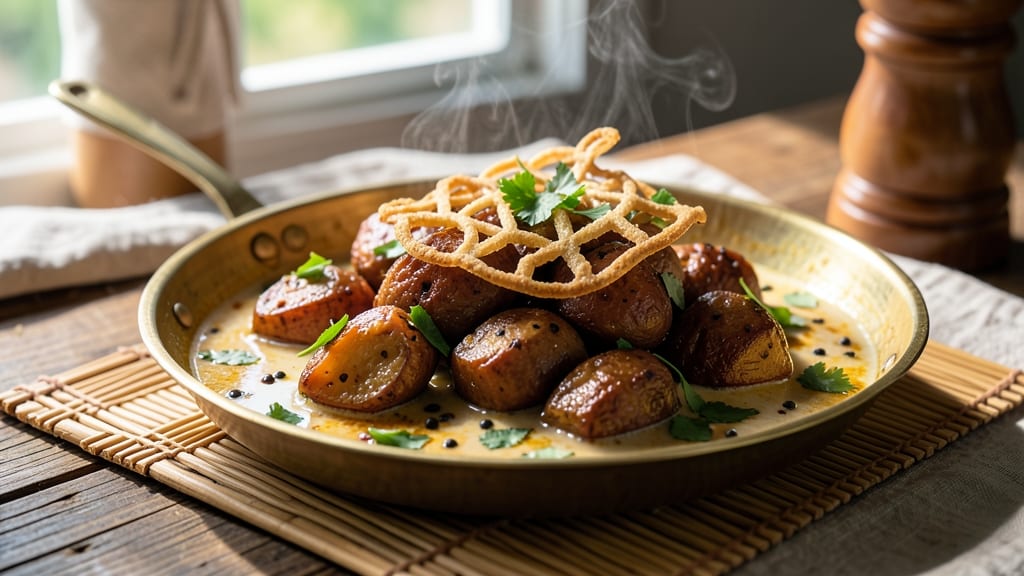
This Kerala sweet potato recipe transforms humble sweet potatoes into a fragrant, coconut-infused side dish that captures the heart of South Indian cuisine. 🌿 The secret lies in slow-cooked coconut milk and fragrant curry leaves, which infuse the sweet potatoes with a velvety texture and aromatic depth that’s impossible to resist.
I first discovered this dish during a visit to Kerala, where it was served alongside steamed rice and fish curry—now it’s a staple in my home for its simplicity and rich flavor.
The magic happens through a gentle simmer that allows the sweet potatoes to absorb the coconut milk’s creamy richness while developing a subtle caramelization at the edges. Traditional Kerala spices like black pepper, turmeric, and mustard seeds form the flavor base, creating a dish that’s both comforting and sophisticated.
What makes this recipe special is how it balances sweetness with savory notes—no added sugar is needed, as the natural sweetness of the potatoes shines through.
By the end, you’ll have tender, golden sweet potatoes swimming in a fragrant coconut gravy, their edges just crisp enough to add texture. The aroma alone will transport you to Kerala’s backwaters, where this dish is a beloved accompaniment to rice and curries.
It’s vegetarian, vegan-friendly, and packed with nutrients—perfect for weeknight dinners or special occasions when you want to bring a taste of India to your table.
Ready in just 30 minutes, this dish requires minimal effort but delivers restaurant-quality results. The slow cooking process ensures the flavors meld perfectly, while the coconut milk adds a luxurious creaminess that elevates simple sweet potatoes into something extraordinary.
Serve it warm with steamed rice or as a side to grilled meats for a meal that’s both hearty and elegant.
Ingredients for sweet potato kerala
Coconut milk, curry leaves, and sweet potatoes—this Kerala recipe needs just 13 ingredients.
| Ingredient | Amount | Notes |
|---|---|---|
| Sweet Potatoes 🍠 | 2 lbs | Medium-sized, peeled and cubed |
| Coconut Milk 🥥 | 1 ½ cups | Full-fat canned for richness |
| Curry Leaves 🌿 | ¼ cup | Fresh, packed loosely |
| Mustard Seeds 🌶️ | 1 tsp | Whole, toasted for aroma |
| Turmeric Powder 🧂 | ½ tsp | Fresh or high-quality ground |
| Black Peppercorns 🌶️ | ½ tsp | Crushed lightly for heat |
| Ginger 🌿 | 1 inch | Fresh, peeled and grated |
| Ginger 🌿 | 1 ½ tbsp | Fresh, peeled and grated |
| Green Chilies 🌶️ | 2 whole | Slit lengthwise for mild heat |
| Asafoetida 🌿 | ⅛ tsp | Pinch for authentic flavor |
| Salt 🧂 | 1 tsp | Adjust to taste |
| Coconut Oil 🫒 | 2 tbsp | For tempering |
| Cilantro Leaves 🌿 | ¼ cup | Fresh, chopped for garnish |
Curry leaves are the soul of this dish—fresh ones from an Indian market have the best aroma, but frozen works in a pinch. Whole mustard seeds toast beautifully in the coconut oil, giving that nutty crunch. For ginger, I always grab the freshest root—it makes a world of difference. The sweet potatoes should be firm but not hard; orange-fleshed ones work best. If you can't find asafoetida (hing), a tiny pinch of garlic powder is a decent swap, though it won't be authentic.
No coconut milk? Light coconut milk plus 1 tbsp cream mimics the richness. Short on curry leaves? Double the cilantro and add a pinch of ground cardamom for depth. The green chilies can be omitted if you prefer no heat, but the dish loses some of its signature zing. For extra authenticity, toast the mustard seeds and curry leaves in coconut oil until they sizzle—this releases their full aroma. And if your sweet potatoes are large, cut them into even cubes so they cook uniformly.
This dish tastes even better the next day—reheats perfectly in the microwave. Store leftovers in an airtight container for 4-5 days or freeze for 3 months. The coconut milk gravy thickens as it cools, so add a splash of water when reheating. For serving, I always garnish with fresh cilantro and a drizzle of coconut milk—trust me on the extra garnish. Pairs beautifully with steamed rice or dosa.
Why You'll Love This Recipe
- One-Pot Magic: I swear by this recipe when I’m too tired to scrub pots—just roast the sweet potatoes, simmer with coconut milk, and toss in the spices. The mustard seeds sizzle like popcorn while you stir, and suddenly, dinner’s ready. No extra dishes, no fuss.
- Creamy-Spiced Bliss: That golden turmeric glow in the coconut milk? Pure comfort. The curry leaves add a citrusy punch, and the sweet potatoes caramelize just enough to balance the richness. It’s the kind of dish that makes you slow down and savor every bite—no heavy cream or complicated sauces needed.
- Leftover Legend: Honestly, I make this twice in one week because it reheats like a dream. The coconut milk keeps it moist, and the spices deepen overnight, so lunch the next day tastes even better. Pack it for work or freeze portions—it’s my go-to for lazy days.
- Budget Bright Spot: Sweet potatoes and coconut milk stretch this recipe into a whole meal without breaking the bank. A single can of coconut milk feeds my family for two dinners, and the spices cost pennies. Plus, it’s way more exciting than takeout—especially when you’re craving something warm and familiar.
Step-by-step instructions for sweet potato Kerala recipe
Here's how to transform humble sweet potatoes into a fragrant Kerala-style coconut curry.
🍳 Step 1: Pressure Cook Sweet Potatoes Until Tender
Add the 2 lbs sweet potatoes to your pressure cooker with 1 cup water. Seal and cook on medium-high heat for 4 whistles (about 15 minutes). You'll know they're perfectly tender when a fork slides in easily with no resistance.
Let the pressure release naturally for 5 minutes before opening. Drain any excess water and mash the sweet potatoes slightly with a fork—just enough to break them into ½-inch chunks. Set aside for the next step. The potatoes should be soft but still hold their shape slightly; over-mashing will make the curry watery.
👨🍳 Step 2: Temper the Spices in Coconut Oil
Heat 2 tbsp coconut oil in a heavy-bottomed pot over medium-low heat. Add the 1 tsp mustard seeds and let them pop and sizzle for 30 seconds. Then add the 0.25 cup curry leaves and 2 whole green chilies, cooking for another 30 seconds until the curry leaves turn crisp and darken slightly.
Add the 1.5 tbsp ginger (previously grated) and 1 inch ginger (also grated) along with the 0.5 tsp turmeric powder and 0.5 tsp black peppercorns. Stir for 1 minute until the raw aroma gives way to a warm, earthy scent. This is your flavor base—don't rush this step or the spices won't bloom properly.
🥘 Step 3: Combine and Simmer with Coconut Milk
Add the mashed sweet potatoes to the pot and mix well to coat in the spice mixture. Pour in 1.5 cups coconut milk and stir gently. Bring to a gentle simmer over medium heat, then reduce to low heat. Let it cook uncovered for 10-12 minutes, stirring occasionally, until the mixture thickens slightly and the coconut milk fully incorporates.
Add the 0.125 tsp asafoetida and 1 tsp salt, stirring well. Taste and adjust salt if needed—Kerala curries should balance sweetness, spice, and salt perfectly. The curry should be creamy but still have some body, not soupy. If it's too thick, add 2-3 tablespoons water to reach your desired consistency.
🔥 Step 4: Finish with Cilantro and Serve Warm
Remove from heat and stir in the 0.25 cup cilantro leaves. Let it sit covered for 5 minutes to allow the flavors to meld together. The cilantro will brighten the rich coconut flavors and add freshness.
Serve immediately with steamed rice or appam for the full Kerala experience. The curry should be aromatic with a perfect balance of sweet potatoes, coconut richness, and the signature Kerala spice blend. Each spoonful should deliver warmth from the spices, creaminess from the coconut, and a touch of heat from the green chilies.
Pro Tips For Making Sweet Potato Kerala
- PRUNE THE POTATOES: Peel and chop the sweet potatoes before boiling—no one has time to peel soggy, half-cooked tubers after they’ve sat in water. Cut them into even 1-inch chunks so they cook uniformly, and toss them in cold water with a pinch of salt while you prep the spices. (Yes, even if you’re impatient like me.)
- TOAST THE MUSTARD: Let those mustard seeds sizzle in oil until they’re actually popping—no half-hearted spluttering. If you rush, they’ll just turn bitter and muddy the flavor. A quick test: when the seeds stop jumping after 30 seconds, they’re ready. (And yes, curry leaves belong in after the seeds, not before.)
- SIMMER THE COCONUT: Reduce the coconut milk to a thick, almost paste-like consistency before adding it to the potatoes. This cuts down on watery, bland curry later. Use medium-low heat and stir often—burnt coconut milk tastes like regret. (Save the leftover cream for next time; it’s too good to waste.)
- SALT THE WATER: Boil the sweet potatoes in salted water (like pasta water) to firm them up faster and prevent them from turning mushy. Skip this, and you’ll end up with a gluey mess that soaks up coconut milk like a sponge. (A pinch of turmeric in the boiling water also keeps them from browning—just don’t overdo it.)
Common mistakes when making your sweet potato kerala
Overcooking Sweet Potatoes
Kerala cuisine relies on tender sweet potatoes that hold their shape—overcooking turns them mushy and watery. I’ve ruined this dish by pressure cooking for too long, resulting in a gloopy curry.
Aim for 4 whistles (about 15 minutes) and check doneness with a fork. If they’re too soft, the coconut milk gravy will turn into a thin soup. 🍠
Skipping the Spice Bloom
The tempering step with mustard seeds and curry leaves is non-negotiable—it releases their full aroma. I once rushed this step and ended up with a bland dish. Toast the mustard seeds in coconut oil for 30 seconds until they pop, then add curry leaves for another 30 seconds.
This creates the signature nutty, earthy base that defines Kerala flavors.
Using Low-Quality Coconut Milk
Not all coconut milk is created equal. Light coconut milk or watered-down versions will make your curry taste thin and insipid. Always use full-fat canned coconut milk—brands like Goya or Aroy-D work perfectly.
The creaminess is essential for balancing the sweet potatoes and spices. If you’re out of full-fat, mix light coconut milk with 1 tbsp heavy cream for richness.
Ignoring Asafoetida (Hing)
This tiny pinch of asafoetida is the secret to authentic Kerala flavor. I’ve made this mistake and noticed the dish lacked depth. Even ⅛ tsp makes a difference—it adds an umami savoriness that complements the coconut and sweetness.
If you can’t find it, a pinch of garlic powder is a poor substitute but better than nothing.
Not Adjusting Salt Properly
The natural sweetness of sweet potatoes and coconut milk can trick your taste buds into thinking the dish needs less salt. Taste before serving—Kerala curries should have a balanced saltiness.
Start with 1 tsp but be ready to add more. I’ve learned the hard way that under-seasoned curries taste flat, even when they look perfect. 🧂
Rushing the Simmering Time
This dish needs patience. Skipping the 10-12 minute simmer on low heat means the coconut milk won’t fully incorporate, leaving your curry with a raw, unblended taste. Let the flavors meld slowly—this is where the magic happens.
If you’re short on time, simmer for at least 8 minutes, but don’t rush it or you’ll miss the depth of flavor.
Nutrition facts
Frequently asked questions
Can I substitute regular potatoes for sweet potatoes in this Kerala recipe?
No, sweet potatoes are essential for this dish. Their natural sweetness and texture create the perfect balance with coconut milk, while regular potatoes would make the curry taste starchy and less flavorful. If you absolutely must use regular potatoes, add 1 tbsp sugar to mimic the sweetness, but the texture won't be the same.
How do I know when the sweet potatoes are perfectly cooked?
They should be tender but still hold their shape slightly when pierced with a fork. For pressure cooking, aim for 4 whistles (about 15 minutes). If they're too soft, the coconut gravy will become watery. For oven-baked sweet potatoes, check after 20 minutes at 400°F—they should be fork-tender with slightly caramelized edges.
Is this Kerala sweet potato dish vegan-friendly?
Yes! This recipe is naturally vegan as it contains no dairy or animal products. The coconut milk provides all the creaminess, and the spices are plant-based. Just ensure your coconut milk is certified vegan (most canned versions are) and that your asafoetida (hing) is pure—some brands may contain additives.
Can I make this ahead of time for a meal prep?
This dish actually tastes better the next day as the flavors meld further. Store leftovers in an airtight container in the fridge for 4-5 days. When reheating, add 1-2 tablespoons water to restore the creamy consistency. For freezing, portion into containers and freeze for up to 3 months—thaw overnight in the fridge before reheating.
What's the secret to getting the best flavor from curry leaves?
Freshness is key! Use fresh curry leaves from an Indian market for maximum aroma. Toast them in hot coconut oil for 30 seconds until they darken and become crisp—this releases their full flavor. If using dried curry leaves, reduce the quantity by half (since they're more concentrated) and toast for 15 seconds instead.