
Side Dishes
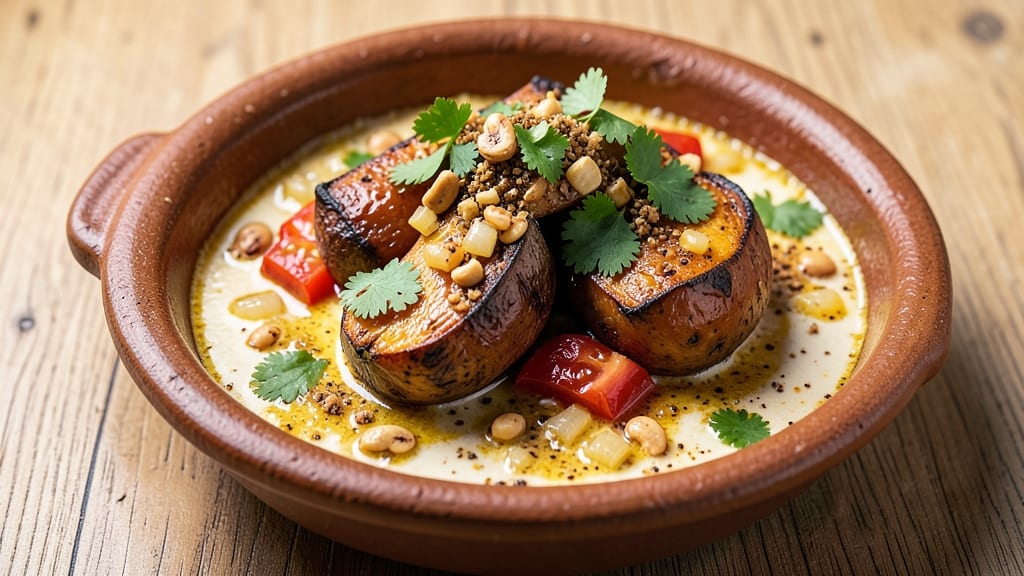
This vegetarian sweet potato korma transforms humble sweet potatoes into a rich, fragrant dish where warm spices dance with velvety coconut. The secret lies in slow-sautéed aromatics—cumin, coriander, and garam masala—that bloom into layers of earthy depth before embracing tender sweet potatoes in a luscious coconut-tomato gravy.
What begins as a simple side evolves into a restaurant-worthy centerpiece, its creamy texture and aromatic complexity making it unforgettable.
The recipe balances tradition with approachability, using techniques like tempering (tadka) to infuse the sauce with toasted spice oils while keeping the process straightforward. Coconut milk provides natural richness without heaviness, and the sweet potatoes soften into melt-in-your-mouth pieces that soak up every spiced drop.
Optional additions like chickpeas or paneer turn it into a hearty protein-packed meal, but the vegetarian version stands proudly on its own.
By the final stir, you’ll have a dish that’s creamy yet light, with sweet potatoes bathed in a sauce that’s both comforting and vibrant. The aroma alone—warm spices mingling with coconut—will have everyone gathering around the table.
Serve it over basmati rice or with warm naan to soak up every last bit of that velvety sauce.
This korma adapts effortlessly to dietary needs while staying true to its roots. The method ensures foolproof results, whether you’re cooking for a family dinner or prepping for meal prep. Ready to create a dish that’s as nourishing as it is delicious?
Ingredients for sweet potato korma
Warm spices, velvety coconut, and tender sweet potatoes come together for this comforting vegetarian dish.
| Ingredient | Amount | Notes |
|---|---|---|
| Sweet Potatoes 🍠 | 2 lb | Medium-sized, peeled and cubed |
| Coconut Milk 🥥 | 1 can (13.5 oz) | Full-fat for creaminess |
| Tomato Paste 🍅 | ½ cup | Smooth, not chunky |
| Yellow Onion 🧅 | 1 whole | Finely chopped |
| Garlic Cloves 🧄 | 6 cloves | Minced for aromatic base |
| Ground Cumin 🌿 | 1 tbsp | Toasted for deeper flavor |
| Ground Coriander 🌿 | 1 tbsp | Freshly ground preferred |
| Garam Masala 🌶️ | 1 tbsp | Store-bought or homemade blend |
| Fresh Ginger 🌿 | 2 tbsp | Grated, fresh preferred |
| Turmeric Powder 🧂 | ½ tsp | Bright yellow color |
| Vegetable Oil 🫒 | ½ cup | For sautéing |
| Salt 🧂 | 1 tsp | Adjust to taste |
| Fresh Cilantro 🌿 | ¼ cup | Chopped, for garnish |
| Lemon Juice 🍋 | 2 tbsp | Freshly squeezed |
The sweet potatoes are the star here—orange-fleshed varieties like Jewel or Beauregard work best. Trader Joe's and Whole Foods usually have them pre-peeled for convenience, but I always grab whole ones to cube myself—it gives me control over the size. For the spices, Penzeys Spices or the bulk bins at your local Indian market are your best bets. Fresh ginger and garlic? Don't buy pre-minced—it's always better to grate or mince them yourself right before cooking. The coconut milk should be full-fat for that authentic creaminess; Thai Kitchen brand is my go-to for reliability.
No fresh ginger? Powdered works at half the amount, though it lacks that bright zing. Short on garam masala? Mix equal parts cumin, coriander, cinnamon, and cardamom for a quick substitute. The tomato paste can be the squeeze-tube kind from Trader Joe's—it's perfect for this recipe and lasts forever. For extra richness, stir in 2 tbsp of cashew butter with the coconut milk. And if you're feeling adventurous, a handful of chickpeas or paneer adds protein without changing the vegetarian nature of the dish.
This sauce tastes even better the next day as the flavors meld. Store leftovers in the fridge for up to 5 days, or freeze for 3 months—it reheats beautifully. I like to portion it into containers with rice on the side for easy meal prep. The spices lose potency after opening, so keep them in a cool, dark place. Fresh cilantro? Wrap it in damp paper towels and store in a bag—it stays fresh for 5-6 days that way.
Why You'll Love This Recipe
- One-Pot Magic: I swear by this recipe when I’m too tired to scrub pots—just sauté onions and garlic, toss in everything else, and let the coconut milk do its thing. No fancy technique, no stress.
- Sweet & Smoky Depth: That caramelized tomato paste meets roasted sweet potatoes? It’s like a hug in a bowl—creamy, slightly sweet, with just enough heat from the spices to make it feel special.
- Meal Prep MVP: Between us, this is my go-to for busy weeks. The flavors only get better the next day, and it reheats like a dream—perfect for lunches or when unexpected guests show up.
- Budget-Friendly Luxury: Coconut milk and sweet potatoes stretch this dish far, and I always end up with leftovers. Honestly, it’s one of those recipes where you feel like you’re eating at a restaurant, but the grocery bill says otherwise.
Step-by-step instructions for sweet potato korma
Here's how to create a velvety, spice-infused sweet potato korma that balances rich coconut with aromatic warmth.
Sauté the Aromatic Base
Heat the 0.5 cup vegetable oil in a large, heavy-bottomed pot over medium heat. Add the 1 whole yellow onion that's been finely chopped and cook for 5-6 minutes until soft and translucent. You'll know it's ready when the edges start to turn golden.
Next, add the 6 cloves garlic cloves that have been minced and the 2 tbsp fresh ginger that's been grated. Cook for 2-3 minutes until the raw garlic smell disappears and the mixture becomes fragrant. This step builds the foundation of your korma's complex flavor profile.
Toast the Spices
Reduce the heat to medium-low and add the 1 tbsp ground cumin, 1 tbsp ground coriander, and 0.5 tsp turmeric powder. Stir constantly for 1-2 minutes until the spices become aromatic and the oil begins to bubble gently. This toasting step unlocks their full flavor potential.
Immediately add the 1 tbsp garam masala and stir for another 30 seconds. You'll notice the spices darken slightly and fill your kitchen with an intoxicating aroma. This is when the magic happens—don't rush this step as it's crucial for developing depth of flavor in your korma.
Cook the Sweet Potatoes
Add the 2 lb sweet potatoes that have been peeled and cubed into the pot. Stir to coat them evenly with the spice mixture. Increase the heat to medium-high and cook for 8-10 minutes, stirring occasionally, until the sweet potatoes begin to soften and develop a slight caramelization.
Pour in the 0.5 cup tomato paste and stir well to combine. Cook for another 3-4 minutes until the tomato paste darkens and thickens slightly. This creates a rich, velvety base that will blend beautifully with the coconut milk later.
Simmer in Coconut Milk
Pour in the 1 can (13.5 oz) coconut milk and add 1 tsp salt. Stir gently to combine, then reduce the heat to low. Let the mixture simmer uncovered for 20-25 minutes, stirring occasionally, until the sweet potatoes are fork-tender and the sauce has thickened to a creamy consistency.
Here's where it gets interesting—the sauce should coat the back of a spoon and the sweet potatoes should be easily pierced with a fork. If the sauce looks too thick, add 2-3 tablespoons of water to reach your desired consistency. The sweet potatoes should be tender but still hold their shape.
Finish and Serve
Remove the pot from heat and stir in the 2 tbsp lemon juice. This brightens the flavors and cuts through the richness of the coconut milk. Taste and adjust the salt if needed—you want a balance between the sweetness of the sweet potatoes and the savory spices.
Ladle the sweet potato korma into serving bowls and garnish with 0.25 cup fresh cilantro that's been chopped. The fresh herbs add a vibrant contrast to the creamy, spiced dish. Serve immediately with basmati rice or warm naan bread to soak up every delicious spoonful.
Pro Tips For Making Sweet Potato Korma
- Peel and Cube First: DESCRIPTION:
- Bloom the Spices Slow: DESCRIPTION:
- Reduce Tomato Paste Hard: DESCRIPTION:
- Stir in Coconut Milk Cold: DESCRIPTION:
Common mistakes when making your sweet potato korma
Skipping the Toast
One of the most common mistakes is skipping the spice toasting step. When you add ground spices directly to hot oil without toasting, they release flavor too quickly without developing their full aromatic potential. I’ve seen this happen when people rush or think it’s unnecessary.
Toast your cumin, coriander, and turmeric for 1-2 minutes—this step unlocks their depth and creates that signature warm, earthy aroma that defines korma. 🌶️
Overcooking Sweet Potatoes
Sweet potatoes can turn mushy if left too long in the sauce. I’ve ruined more kormas than I’d like to admit by letting them simmer past 25 minutes—especially when distracted by other tasks.
Test doneness with a fork: the potatoes should be tender but still hold their shape. If they’re falling apart, you’ve gone too far. The goal is creamy texture, not a mushy mess.
Using Low-Quality Coconut Milk
Not all coconut milk is created equal. Light or water-packed versions won’t give you that rich, velvety texture you’re after. I’ve tried the cheaper brands, and trust me, you’ll taste the difference.
Stick with full-fat coconut milk—brands like Thai Kitchen or Goya are reliable choices. The creaminess is essential for that authentic korma experience.
Ignoring the Tempering Step
The final tempering with garam masala and lemon juice is what ties everything together. I’ve seen people skip this step, thinking the spices are already mixed in. But that final bloom of garam masala and the bright acidity of lemon juice elevate the dish from good to extraordinary.
Don’t skip it—it’s what makes your korma sing.
Adding Too Much Liquid
Korma sauce should be creamy but not soupy. I’ve made this mistake by adding too much water or coconut milk, resulting in a thin, watery sauce. If your sauce is too thick, add liquid gradually—1 tablespoon at a time.
The ideal consistency coats the back of a spoon but still clings to the sweet potatoes. Taste as you go!
Not Resting the Dish
Freshly made korma tastes amazing, but it’s even better after resting for 10-15 minutes. This allows the flavors to meld and the sauce to thicken slightly. I’ve served it immediately out of habit, and while it’s still good, that extra rest time makes all the difference.
Let it sit before serving—your taste buds will thank you. ✨
Nutrition facts
Frequently asked questions
Can I substitute regular potatoes for sweet potatoes in this korma?
While you can use regular potatoes, the flavor and texture will differ significantly. Sweet potatoes add natural sweetness and a velvety texture that pairs perfectly with the spiced coconut sauce. Russet potatoes would work in a pinch, but they absorb more liquid and may make the sauce thinner. If you must substitute, try orange-fleshed potatoes like Yukon Gold for a closer match.
How can I make this korma spicier?
Add ½ to 1 teaspoon of cayenne pepper or 1-2 chopped green chilies when sautéing the aromatics. For heat without dryness, stir in 1 teaspoon of red chili powder with the garam masala during the toasting step. Always taste as you go—spices build intensity during cooking!
What's the best way to reheat leftover sweet potato korma?
Gently reheat on low heat with 1-2 tablespoons of water or coconut milk to prevent drying out. For microwave reheating, cover with a damp paper towel and heat in 30-second intervals, stirring between each. The sauce thickens upon cooling, so add extra liquid if needed. Never reheat from frozen—thaw first!
Can I make this korma without coconut milk?
Yes! For a dairy-free alternative, use ½ cup Greek yogurt or cashew cream (blend soaked cashews with water) instead of coconut milk. The texture will be slightly lighter but still creamy. For a richer version without coconut, try ½ cup heavy cream, though this changes the traditional flavor profile.
How do I know when the sweet potatoes are perfectly cooked?
Test with a fork—they should be fork-tender (easily pierced but not falling apart) and still hold their shape. If they're mushy, they've overcooked. The ideal time is 20-25 minutes of simmering. For extra insurance, cut one piece open—it should be soft inside with a slight resistance when pressed.