
Side Dishes
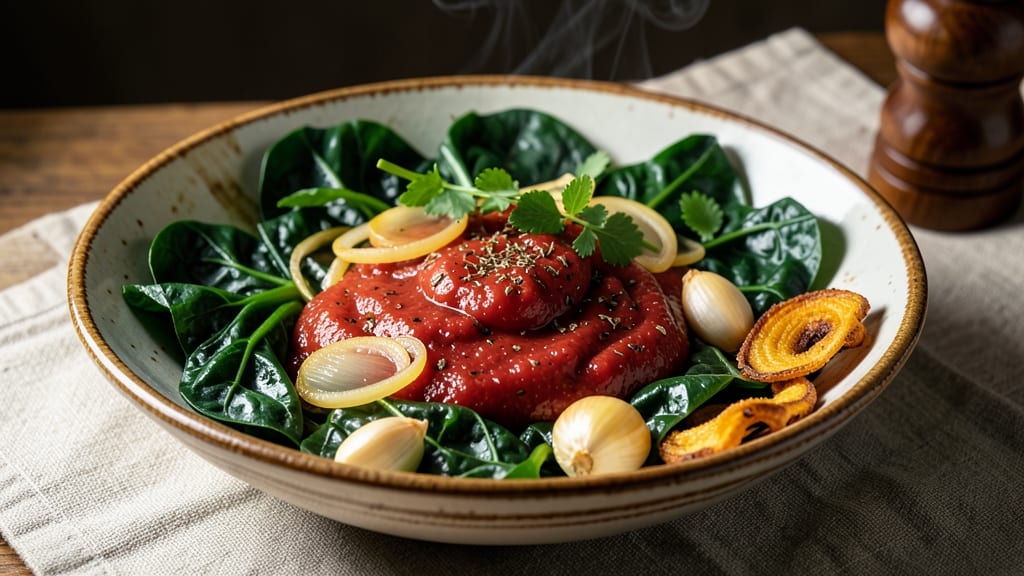
This African-style sweet potato leaves recipe transforms humble greens into a flavorful, nutty side dish that pairs perfectly with grains and proteins. 🌱 The secret lies in slow-cooking the leaves with onions, garlic, and aromatic spices, allowing their earthy flavors to meld into a rich, savory harmony.
I first discovered this dish during a visit to West Africa, where it’s a staple in home-cooked meals—simple yet deeply satisfying.
The preparation is straightforward: boil the leaves until tender, then sauté them with onions, garlic, and a blend of spices like thyme, black pepper, and a touch of cayenne for warmth.
A splash of tomato paste deepens the flavor, while a pinch of salt balances the natural bitterness. This method preserves the leaves’ vibrant green color while enhancing their natural sweetness.
What you’ll end up with is a dish that’s nutty, earthy, and subtly spiced—perfect for serving alongside rice, fufu, or grilled meats. The texture is tender yet slightly crisp, and the aroma alone makes any meal feel complete.
It’s a dish that’s both culturally authentic and adaptable, whether you’re cooking for a family gathering or a simple weeknight dinner.
Best of all, this recipe can easily be made vegan by using vegetable broth instead of meat-based stock. The flavors remain rich and satisfying, proving that traditional dishes can be both nutritious and delicious without compromise.
Ingredients for sweet potato leaves african
Twelve essential ingredients transform humble sweet potato leaves into a West African-inspired side dish bursting with nutty, earthy harmony.
| Ingredient | Amount | Notes |
|---|---|---|
| Sweet Potato Leaves (African Spinach) 🌿 | 12 oz | Fresh, stems removed, washed thoroughly |
| Yellow Onion 🧅 | 1 whole | Medium-sized, finely chopped |
| Garlic Cloves 🧄 | 4 cloves | Fresh, minced for aromatic depth |
| Vegetable Oil 🫒 | 2 tbsp | Light or neutral flavor preferred |
| Tomato Paste 🍅 | 1 tbsp | Smooth, no added salt |
| Dried Thyme 🌿 | ½ tsp | Or 1 tsp fresh thyme leaves |
| Ground Black Pepper 🌶️ | ¼ tsp | Freshly cracked for intensity |
| Cayenne Pepper 🔥 | ⅛ tsp | Adjust for desired heat level |
| Sea Salt 🧂 | ½ tsp | Diamond Crystal preferred |
| Vegetable Broth 💧 | 1 cup | Low-sodium preferred |
| Lemon Juice 🍋 | 1 tbsp | Freshly squeezed for brightness |
| Fresh Ginger 🌿 | ½ tsp | Grated, optional for depth |
The sweet potato leaves are the star—look for vibrant green, tender young leaves at specialty markets or African grocery stores like African & Caribbean Foods Market. If fresh leaves aren't available, substitute spinach or collard greens, though the flavor will differ slightly. Onions and garlic should be freshly chopped just before cooking to preserve their aromatic compounds. For the tomato paste, San Marzano is ideal—its sweetness complements the earthy greens beautifully. Dried thyme loses potency quickly, so store it in an airtight container away from light.
No cayenne? Substitute smoked paprika at half the amount for warmth without heat. Fresh thyme is preferable, but dried works at one-third the quantity. The vegetable broth can be homemade or store-bought—Pacific Foods or Imagine brands offer excellent low-sodium options. For extra richness, add a splash of coconut milk at the end, though it alters the traditional texture. Ginger adds complexity but can be omitted if you prefer a simpler flavor profile. The lemon juice should be freshly squeezed—bottled versions lack the bright acidity needed to balance the dish's earthiness.
Sweet potato leaves wilt quickly after washing, so store them in a damp paper towel-lined container in the fridge for up to 3 days. The cooked dish reheats beautifully—simply warm in a skillet with a splash of broth to restore moisture. For meal prep, portion into glass containers with tight lids and freeze for up to 3 months. When reheating from frozen, add an extra splash of broth to maintain tenderness. This dish pairs exceptionally with jollof rice or grilled plantains, creating a complete West African-inspired meal.
Why You'll Love This Recipe
- One-Pot Magic: I swear by this recipe because it’s literally one pot, one pan, no fuss. Just chop the onion and garlic (five minutes max), toss in the leaves, and let the tomato paste work its savory spell—no straining, no extra dishes.
- Garlic Bomb: Between us, the garlic and onions caramelize into this deep, golden base that makes everything else sing. The leaves wilt into something so tender and rich, you’ll forget it’s basically a vegetable—until you take another bite and remember.
- Leftovers? Please.: This stuff tastes even better the next day, especially if you reheat it with a splash of water. Honestly, I make a big batch on Sundays so I can grab a portion for lunch or toss it into fried rice later—zero waste, all flavor.
- Budget Hero: Sweet potato leaves are dirt cheap, and a single bunch stretches across multiple meals. Plus, tomato paste and oil are pantry staples, so you’re not breaking the bank for something that feels like a restaurant dish. My wallet and taste buds win.
Step-by-step instructions for sweet potato leaves African recipe
Transform these earthy greens into a flavorful dish with bold spices and aromatic depth.
🍳 Step 1: Sauté Onions and Garlic to Build Flavor
Heat the 2 tablespoons vegetable oil in a large skillet over medium heat. Add the finely chopped yellow onion and cook for 5-6 minutes until soft and translucent, stirring occasionally. This slow cooking draws out the onion's natural sweetness without burning.
Push the onions to one side of the pan and add the 4 cloves minced garlic cloves. Sauté for 30 seconds until fragrant—you'll smell that unmistakable garlic aroma filling your kitchen. Here's the thing: don't let the garlic brown or it'll turn bitter. Keep the heat at medium throughout this step.
🍳 Step 2: Add Aromatics and Spices for Depth
Reduce heat to medium-low and stir in the 1 tablespoon tomato paste, spreading it evenly across the pan. Cook for 1 minute until it darkens slightly and loses its raw flavor. This step creates the sauce foundation that will coat your greens beautifully.
Add the 0.5 teaspoon dried thyme, 0.25 teaspoon ground black pepper, 0.125 teaspoon cayenne pepper, and 0.5 teaspoon sea salt. Stir for 30 seconds until the spices are evenly distributed and the mixture smells rich and complex. The cayenne will add subtle heat that balances the earthiness of the sweet potato leaves.
👨🍳 Step 3: Cook the Sweet Potato Leaves Until Tender
Add the 12 ounces sweet potato leaves (African spinach) to the pan, stirring to combine with the aromatic mixture. Cook for 3-4 minutes until the leaves begin to wilt and soften. Here's where it gets important: don't overcrowd the pan—if needed, work in batches to maintain even cooking.
Pour in the 1 cup vegetable broth and add the 0.5 teaspoon grated fresh ginger. Stir gently and bring to a simmer. Cover the pan and cook for 8-10 minutes until the leaves are tender but still vibrant green. You'll know they're ready when they collapse easily between your fingers—this ensures perfect texture without mushiness.
🍋 Step 4: Finish with Lemon Juice for Brightness
Uncover the pan and increase heat to medium-high. Let the liquid reduce slightly for 2-3 minutes until it coats the back of a spoon. This step intensifies the flavors and creates that signature African spinach sauce consistency.
Stir in the 1 tablespoon lemon juice and cook for 1 more minute. The acidity brightens all the flavors, cutting through the richness of the tomato paste and spices. Taste and adjust seasoning if needed—you might want to add a pinch more salt or cayenne to your preference.
⏰ Step 5: Rest and Serve for Optimal Texture
Remove from heat and let the dish rest for 3-5 minutes. This allows the flavors to meld completely and the leaves to finish tenderizing. I know it's tempting to serve immediately, but this brief rest makes all the difference in texture and flavor balance.
Serve warm, either as a side dish or over rice or fufu. The perfect plate should feature vibrant green leaves with just a hint of red from the cayenne, coated in a glossy sauce that's neither too thick nor too thin. Each bite should deliver that perfect harmony of earthy greens, nutty spices, and bright citrus notes.
Pro Tips For Making Sweet Potato Leaves African
- CHOP ONIONS SMALL: Sweet potato leaves need time to soften, so finely dice that onion—think rice-sized pieces. I used to cut them into big chunks, and the dish would taste raw and uneven. Smaller pieces melt faster and blend into the sauce without leaving texture surprises.
- WILT LEAVES LOW AND SLOW: After adding the leaves, turn the heat down to medium-low and cover the pot. The leaves release water as they cook, and high heat just steams them into mush. Let them collapse gently—this keeps them tender, not limp.
- SALT THE POT WATER: If you’re boiling the leaves first (which you should), add a generous pinch of salt to the water. It seasons them from the start and prevents a bland base for your sauce. I skipped this once and ended up with leaves that tasted like nothing until the end.
- USE GARLIC PASTE NOT MINCED: Crush those garlic cloves into a paste before adding them to the oil—no chopping needed. It burns less, infuses faster, and gives a smoother flavor than minced garlic that can clump or scorch. (Yes, even if you’re impatient like me.)
Make-ahead tips for this dish
Prep Ahead Time-Savers
Wash and chop your sweet potato leaves up to 2 days in advance and store them in a sealed container with a damp paper towel. This prevents wilting while keeping them fresh.
I also prep the onions and garlic ahead—they keep well in the fridge for 3-4 days when stored in airtight containers. This means you can focus on cooking when you're ready, saving 15-20 minutes on prep day. 💡
Freezing Fresh Ingredients
Sweet potato leaves freeze beautifully for up to 3 months if blanched first. Boil them for 1 minute, then plunge into ice water to stop cooking. Drain, squeeze out excess water, and freeze in a single layer before transferring to a bag.
When ready to cook, use straight from frozen—just add 2 extra minutes to the simmering time. This is a game-changer for stocking your pantry with seasonal produce. ❄️
Spice Blend Prep
Combine all your spices—thyme, black pepper, cayenne, and salt—into a small jar and label it "African Spinach Spice Blend." This pre-mixed blend lasts 6 months in a cool, dark place. I keep one in my spice drawer for quick recipe assembly.
For this dish, use 1 teaspoon of the blend (adjust cayenne to taste). This saves time and ensures consistent flavor every time. 🌶️
Make-Ahead Cooking
Cook the entire dish 1 day ahead and refrigerate in an airtight container. The flavors deepen overnight, and reheating is effortless. To serve, warm in a skillet with 1 tablespoon broth over medium heat for 3-4 minutes, stirring occasionally.
The sauce will thicken slightly, creating an even more concentrated flavor. Perfect for meal prep Sundays! 🍲
Portion Control Tips
Divide the cooked sweet potato leaves into quart-sized containers with tight lids for individual servings. Each portion makes 1.5 cups—ideal for lunches or sides. Store in the fridge for 4 days or freeze for 3 months.
When reheating from frozen, add 2 tablespoons broth to prevent drying out. This makes it easy to grab and go without sacrificing texture. 📅
Broth Substitution Shortcut
Use coconut milk instead of broth for a richer, creamier texture that still pairs well with African flavors. Simply replace the 1 cup vegetable broth with ½ cup coconut milk and reduce the simmering time by 2 minutes.
This works especially well if you're serving with rice or plantains. Just remember, the dish will have a slightly different consistency but remains delicious. 🥥
Nutrition facts
Frequently asked questions
Can I substitute regular spinach for sweet potato leaves?
While spinach works in a pinch, it won't match the authentic flavor. Sweet potato leaves have a distinct nutty, earthy taste that spinach lacks. For the closest experience, use collard greens or kale—both have a similar texture and slightly bitter profile that pairs well with the African spice blend. If you must use spinach, reduce cooking time by 3-4 minutes since it wilts faster.
How do I know when the sweet potato leaves are tender?
The leaves are ready when they collapse easily between your fingers but still hold their shape. They should be bright green with no crisp edges. Overcooking turns them mushy—aim for a texture between al dente pasta and wilted salad greens. If using frozen leaves, add 2 extra minutes to the simmering time to ensure full tenderness.
Can I make this dish without cayenne pepper?
Skip the cayenne for a milder version. For warmth without heat, add ¼ teaspoon smoked paprika instead. If you prefer no spice at all, simply omit it—the dish will still be flavorful with the thyme, black pepper, and tomato paste. The cayenne primarily balances the earthiness, so you may want to add a pinch more salt if removing it completely.
What's the best way to store leftovers?
Store in an airtight container in the fridge for 4-5 days or freeze for 3 months. For freezing, let the dish cool completely first. When reheating, add 1-2 tablespoons broth or water to prevent drying out. Microwave for 1-2 minutes (covered) or warm in a skillet over low heat for 3-4 minutes while stirring occasionally.
Why do my sweet potato leaves taste bitter?
Bitterness usually comes from overcooking or using old leaves. Always select young, tender leaves—they're less bitter. If you must use mature leaves, blanch them in boiling water for 1 minute before cooking to reduce bitterness. Also, avoid over-simmering: the leaves should cook just until tender, not until they turn dark green or mushy. A splash of lemon juice at the end helps balance any lingering bitterness.