
Side Dishes
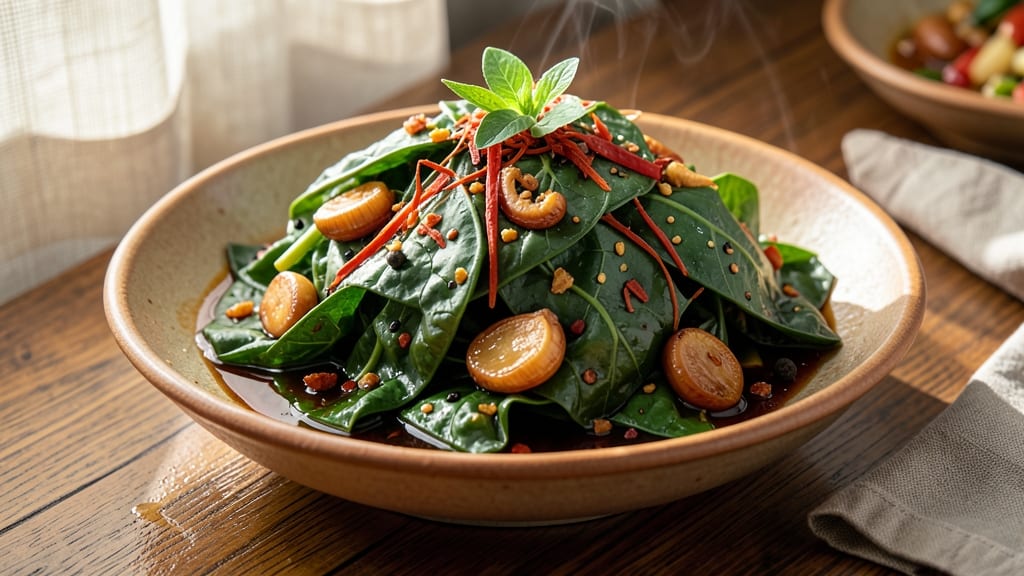
This authentic Chinese sweet potato leaves recipe transforms humble greens into a vibrant, garlicky-chili stir-fry that’s as nutritious as it is flavorful. A staple in Sichuan cuisine, these tender leaves—often overlooked—absorb bold aromatics while maintaining their natural sweetness, creating a dish that’s both comforting and deeply satisfying.
The secret lies in quick blanching to soften the texture without losing color, followed by a high-heat stir-fry that caramelizes garlic and chili into a fragrant sauce.
What sets this recipe apart is its versatility and cultural depth. Whether served as a side to steamed rice or paired with tofu and fermented black beans for a vegetarian meal, the dish balances umami, heat, and freshness in every bite.
The Sichuan-style approach—with its signature mala (numbing-spicy) profile—makes it a standout, though Cantonese variations often lean lighter on the chili, focusing instead on garlic and ginger.
For those new to sweet potato leaves, don’t worry: the prep is straightforward, and the result is a dish that feels both restaurant-worthy and deeply homemade.
The process begins with prepping the leaves—a step that ensures they’re tender yet retain their vibrant green hue. From there, the stir-fry unfolds in minutes, with garlic sizzling in oil before the leaves join, absorbing the aromatic, slightly spicy sauce that clings to each leaf.
The dish is best served hot, when the chili’s heat is at its peak, but it also holds up well for meal prep, making it a practical yet impressive addition to any menu.
Pair this stir-fry with steamed jasmine rice to soak up the bold flavors, or serve alongside grilled fish or pork for a complete meal. For extra depth, add fermented black beans or crispy fried shallots at the end—both traditional touches that elevate the dish further.
Whether you’re cooking for family, friends, or just craving a taste of Sichuan at home, this recipe delivers authenticity, nutrition, and a punch of flavor that’s hard to resist.
Ingredients for sweet potato leaves chinese
Authentic Sichuan flavors start with these vibrant ingredients—each playing a key role in balancing heat, umami, and freshness.
| Ingredient | Amount | Notes |
|---|---|---|
| Sweet Potato Leaves 🌿 | 12 oz | Fresh, stems removed |
| Garlic Cloves 🧄 | 8 cloves | Minced, fresh preferred |
| Dried Red Chili Flakes 🌶️ | 1 tbsp | Adjust for heat preference |
| Sichuan Peppercorns 🌶️ | ½ tsp | Toasted for numbing-spicy kick |
| Light Soy Sauce 🥢 | 2 tbsp | High-quality, low-sodium preferred |
| Dark Soy Sauce 🥢 | 1 tbsp | For color depth |
| Sesame Oil 🫒 | 1 tbsp | Toasted for aroma |
| Vegetable Oil 🫒 | 3 tbsp | High smoke point |
| Green Onions 🧅 | 2 whole | Thinly sliced, for garnish |
| Fermented Black Beans 🫘 | ½ cup | Optional, for umami depth |
| Jasmine Rice 🌾 | 2 cups | Uncooked, for serving |
| Salt 🧂 | ½ tsp | Adjust to taste |
The sweet potato leaves are the star, so prioritize freshness—look for deep green, tender leaves at Asian markets or well-stocked grocery stores like Whole Foods. If using dried leaves, soak them in warm water for 10 minutes to revive. Sichuan peppercorns are non-negotiable for that signature mala sensation; Penzeys Spices carries high-quality whole peppercorns. Fermented black beans add depth but aren’t essential—substitute with a splash of fish sauce if vegetarian restrictions are flexible, though this recipe stays strictly plant-based. Garlic should be freshly minced just before cooking to preserve its pungency.
No Sichuan peppercorns? Substitute with extra chili flakes (1 tsp) for heat, though you’ll lose the numbing effect. Light and dark soy sauces can be swapped for a single 2 tbsp of regular soy sauce, but the color contrast is worth the effort. Sesame oil should be toasted—heat 1 tbsp in a dry pan for 30 seconds to deepen its aroma before adding to the stir-fry. For the leaves, if they’re particularly fibrous, blanch them for 30 seconds in boiling water before stir-frying to soften them without wilting. The jasmine rice pairs perfectly, but brown rice or quinoa work equally well for a heartier meal.
Prepped leaves keep in an airtight container in the fridge for 3 days, though they’re best used immediately for peak texture. The stir-fry reheats beautifully—simply add a splash of water and stir over high heat for 2-3 minutes. For meal prep, store components separately: leaves, sauce, and rice. Assemble just before serving to maintain crisp-tender leaves. The dish holds for 2 days in the fridge, though the Sichuan peppercorn’s aroma fades slightly over time. Freeze for up to 3 months if needed, but thaw gently to preserve texture.
Why You'll Love This Recipe
- No-Chop Night Done: I swear by this when I’m too tired to slice anything—just tear the leaves, not even wash them (a quick rinse under cold water works). The garlic gets minced in 30 seconds, and the chili flakes and Sichuan peppercorns add heat without a single extra bowl.
- Umami Bomb Combo: That light soy sauce and garlic? It’s the secret weapon—deep, savory, with just enough funk to make your taste buds sit up. The dried chili flakes bring the warmth, but the Sichuan peppercorns? They add this weirdly addictive tingling that keeps you coming back.
- Leftover Goldmine: Cooks up in 20 minutes but lasts in the fridge for days—perfect for lazy mornings or when you forgot to pack lunch. Reheat with a splash of water, and it’s just as good as fresh. My kids beg for it cold in wraps, too.
- Pantry Staple Magic: Sweet potato leaves grow wild in some places (or you can grab a bunch at Asian markets for pennies). Garlic, soy sauce, and spices? Things you already own. This dish turns $3 worth of ingredients into a meal that feels fancy without the grocery haul.
Step-by-step instructions for stir-fried sweet potato leaves
Master this traditional Chinese technique for vibrant, aromatic greens with perfect texture and depth.
Prepare the Sweet Potato Leaves
Begin by thoroughly washing the 12 oz sweet potato leaves under cold running water to remove any dirt or sand clinging to the leaves. Gently separate the leaves from their stems, discarding the tough stems entirely. You want only the tender leaf portions for optimal texture. Once cleaned, stack the leaves and roll them tightly, then slice into 1-inch wide strips—this creates uniform pieces that cook evenly.
For best results, blanch the sliced leaves in boiling water for 30 seconds before draining. This brief cooking step softens the leaves slightly and removes any residual bitterness. Immediately plunge them into ice water to halt cooking and preserve their vibrant green color. Drain well before proceeding—excess moisture will steam the leaves instead of searing them in the wok.
Toast the Aromatics and Spices
Heat a dry wok or large skillet over medium-high heat and add the 3 tbsp vegetable oil. Once the oil shimmers, add the 8 cloves minced garlic and the 0.5 tsp toasted Sichuan peppercorns. Stir constantly for 30 seconds until the garlic turns golden and fragrant—this prevents burning while developing maximum flavor. Remove the wok from heat and immediately add the 1 tbsp dried red chili flakes and 1 tbsp sesame oil, stirring to combine.
This aromatic base forms the flavor foundation. The Sichuan peppercorns should impart a subtle numbing sensation alongside their citrusy notes, while the chili adds heat without overpowering. Keep this mixture warm but not smoking—you'll be adding it back to the wok shortly.
Stir-Fry the Leaves with Soy Sauces
Return the wok to medium-high heat and add the drained sweet potato leaves in a single layer. Stir-fry for 1-2 minutes until they begin to wilt slightly but remain bright green. This quick cooking preserves their natural color and crisp-tender texture. Pour in the 2 tbsp light soy sauce and 1 tbsp dark soy sauce, tossing continuously to coat the leaves evenly with the sauce.
The dark soy sauce will give the leaves a rich, caramelized appearance while adding depth of flavor. Continue cooking for another 2 minutes, stirring frequently, until the leaves are just tender but still retain a slight bite. If the leaves appear too dry, add 1-2 tablespoons of hot water to create steam and prevent burning.
Incorporate Fermented Black Beans and Finish
Add the 0.5 cup fermented black beans to the wok and stir-fry for 1 minute, allowing their umami-rich flavor to meld with the leaves. The beans should soften slightly but maintain their shape. Return the garlic-chili-spice mixture to the wok and toss everything together for 30 seconds, ensuring every leaf is coated with the aromatic blend.
Season with the 0.5 tsp salt and adjust the heat to medium-low. Cook for an additional 1 minute, stirring gently, until the leaves are fully tender yet still vibrant. The dish should have a balanced combination of heat from the chili, numbing from the Sichuan peppercorns, and umami from the soy sauces and fermented beans.
Serve Over Jasmine Rice
Transfer the stir-fried sweet potato leaves to a serving platter and garnish with the 2 whole green onions, sliced thinly on the bias. Serve immediately over 2 cups cooked jasmine rice, which should be hot and fluffy. The rice acts as a neutral base that lets the bold flavors of the greens shine.
Each bite should deliver a perfect balance of textures—crisp-tender leaves, chewy black beans, and aromatic spices—all harmonized by the savory soy sauce. For an extra touch, drizzle a few drops of sesame oil over the top just before serving to enhance the aroma and add another layer of depth to the dish.
Pro Tips For Making Sweet Potato Leaves Chinese
- WILT WITH GARLIC OIL: Blanch the leaves first in boiling water for 30 seconds—this softens them just enough to absorb flavor without turning to mush. Then toss them straight into the garlic oil (minced garlic + chili flakes) while still hot. I learned this the hard way after serving a plate of limp, flavorless greens.
- USE FRESH SICHUAN PEPPERCORNS: Toast them whole in a dry pan for 30 seconds until fragrant, then grind them just before adding to the dish. Pre-ground peppercorns lose their kick fast, and this step makes a real difference—your dish will have that signature numbing heat without overpowering the sweet potato’s earthiness.
- STOP WHEN THE LEAVES CRISP: Sweet potato leaves darken fast—aim for bright green with just a hint of wilt, not blackened. Overcooking turns them bitter, and no one wants that. Start checking at 2 minutes, then taste-test: they should still have a slight bite.
- SAVE TIME WITH PRE-MINCED GARLIC: Buy pre-minced garlic (the jarred kind) for this dish—it’s faster and cooks evenly without burning. Just drain it well and pat dry; otherwise, you’ll end up with a soggy stir-fry. (Yes, even if you’re impatient like me.)
Pro cooking tips for this recipe
Wok Heating Secrets
Preheat your wok until it’s smoking hot before adding oil—this creates the perfect sear for the sweet potato leaves. I use a gas stove on high heat and let the wok sing for 2-3 minutes to build residual heat.
A carbon steel wok (like those from Made In) heats up fastest and maintains even temperatures, but cast iron works too. If your wok isn’t hot enough, the leaves will steam instead of developing that coveted wok hei (breath of the wok) aroma. 🔥
Blanching Like a Pro
Never skip the ice bath after blanching—this stops the cooking process instantly and locks in vibrant color. I use a large bowl of ice water and add the blanched leaves for 30 seconds, then drain thoroughly with a clean kitchen towel.
Excess moisture in the wok will cause the leaves to stick and steam instead of developing that signature crisp-tender texture. Pro tip: Work in batches if needed, but keep the ice water cold between loads.
Garlic Timing Matters
Garlic burns faster than you think—stir constantly for those 30 seconds until it’s golden, not brown. I like to add the Sichuan peppercorns first (they take longer to toast), then the garlic.
Remove the wok from heat immediately after adding chili flakes to prevent burning. This aromatic base should smell like a spice market, not a charred mess. 🌶️
Soy Sauce Magic
Use both light and dark soy sauces separately—light for flavor, dark for color. I pour the light soy first to coat the leaves, then add dark soy in the final 1 minute of cooking.
This creates beautiful caramelized spots while keeping the sauce balanced. For extra depth, add 1 tsp of Shaoxing wine (optional) when tossing the leaves—it enhances the umami without overpowering the greens.
Fermented Bean Hack
If fermented black beans are too strong, rinse them briefly before adding to the wok. I also like to toast them in the dry wok for 10 seconds before stir-frying to deepen their nutty flavor.
For a vegetarian twist, substitute with ½ cup rehydrated shiitake mushrooms (sliced) or 1 tbsp miso paste for umami without beans. The key is adding them late to prevent overcooking.
Garnish for Impact
Slice green onions on the bias for maximum surface area and visual appeal. I also like finishing with crushed roasted peanuts (1 tbsp) for texture contrast. For an extra touch, sprinkle ½ tsp toasted sesame seeds over the top right before serving.
These garnishes not only look beautiful but also add layers of flavor that elevate the dish from good to restaurant-quality. ✨
Nutrition facts
Frequently asked questions
Are sweet potato leaves the same as regular spinach?
No, they're completely different! Sweet potato leaves have a milder, slightly sweet flavor with a more tender texture than spinach. They also contain unique nutrients like higher levels of vitamin A and antioxidants. While spinach is more common, sweet potato leaves are a specialty ingredient in Chinese cuisine, offering a distinct taste that pairs beautifully with bold flavors like garlic and chili.
How do I find fresh sweet potato leaves if my store doesn't carry them?
Check Asian markets or well-stocked grocery stores like Whole Foods for the freshest options. If unavailable, you can substitute with malabar spinach (common in Asian cuisine) or dried sweet potato leaves—just soak them in warm water for 10 minutes before using. For a last resort, regular spinach or bok choy work, though the flavor will differ significantly.
Can I make this recipe without Sichuan peppercorns?
Yes! For a similar numbing-spicy effect, substitute with 1 tsp ground black pepper or ½ tsp ground white pepper. If you want just the heat, add an extra ½ tsp dried chili flakes. The dish will still be delicious—just missing that signature Sichuan "mala" sensation. For a milder version, omit both and increase garlic to 10 cloves for extra aroma.
How long can I store leftover stir-fried sweet potato leaves?
Store in an airtight container in the fridge for up to 3 days, though texture may soften slightly. For best results, reheat in a wok or skillet over medium-high heat with 1 tsp oil and a splash of water for 2-3 minutes. For longer storage, freeze for up to 3 months—thaw overnight in the fridge before reheating. The flavors remain vibrant, though the leaves may lose some crispness.
What's the best way to reduce bitterness in sweet potato leaves?
Blanching is key! The 30-second boil followed by ice water removes natural bitterness while preserving color. For extra mild flavor, add ½ tsp baking soda to the blanching water (rinse thoroughly afterward). Avoid overcooking during stir-frying—keep heat high and cooking time short (4-5 minutes total) to maintain tender, flavorful leaves.