
Side Dishes
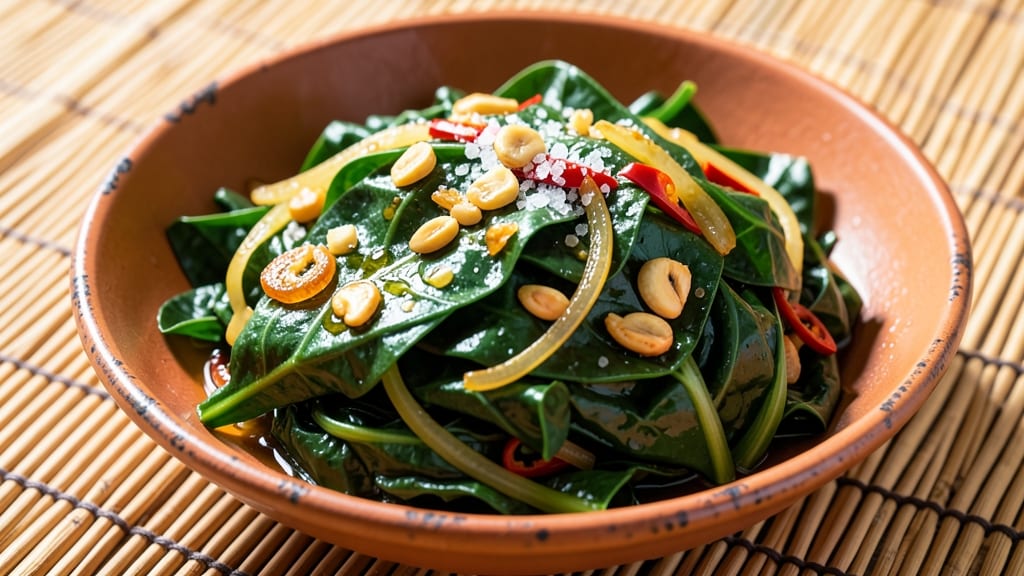
This Filipino sweet potato leaves recipe transforms humble greens into a vibrant, one-pot side dish that brings authentic Filipino flavor to your table. The secret lies in properly preparing the leaves—washing, blanching, and sautéing them with garlic, onions, and chili—to create a dish that's both nutritious and deeply savory.
I developed this recipe after discovering how Filipino home cooks elevate simple ingredients into restaurant-worthy sides.
The beauty of this dish is its simplicity: just a handful of ingredients and a single pot. You'll start with fresh sweet potato leaves (or substitute with malunggay or spinach), which are blanched to soften before being sautéed with aromatic garlic, crisp onions, and a touch of heat from chili.
This method preserves the leaves' natural nutrients while building layers of flavor that make every bite satisfying.
What you'll end up with is a bright green, slightly wilted pile of leaves infused with garlic's sharpness, onions' sweetness, and chili's gentle kick.
The texture is tender yet still holds a pleasant bite, making it the perfect side for grilled meats, fried rice, or even as a standalone vegetarian dish. This recipe delivers restaurant-quality results with minimal effort—ideal for weeknight dinners or special occasions.
The versatility of this dish makes it a staple in Filipino cuisine, pairing beautifully with rice, sinigang (sour soup), or any protein-based main. Once you try homemade sweet potato leaves, store-bought versions will never compare. Let's get cooking!
Ingredients for sweet potato leaves recipe filipino
Fresh greens, aromatic garlic, and a touch of heat transform into vibrant Filipino sweet potato leaves.
| Ingredient | Amount | Notes |
|---|---|---|
| Sweet Potato Leaves 🌿 | 10 oz | Fresh or frozen, stems removed |
| Yellow Onions 🧅 | 1 whole | Medium size, thinly sliced |
| Garlic Cloves 🧄 | 4 cloves | Minced for aromatic base |
| Red Chili Peppers 🌶️ | 2 whole | Bird's eye or Thai, sliced |
| Vegetable Oil 🫒 | 2 tbsp | For sautéing ingredients |
| Salt 🧂 | ½ tsp | Diamond Crystal preferred |
| Black Pepper 🌶️ | ¼ tsp | Freshly ground for flavor |
| Fish Sauce 🍶 | 1 tbsp | Vegetarian fish sauce substitute |
| Soy Sauce 🥢 | 1 tbsp | For umami depth |
| Water 💧 | 1 cup | For blanching leaves |
| Lime Juice 🍋 | 1 tbsp | Freshly squeezed for brightness |
| Malunggay Leaves 🌿 | 2 cups | Optional substitute for sweet potato leaves |
| Spinach 🌱 | 4 cups | Last resort substitute |
Finding fresh sweet potato leaves can be tricky outside Filipino markets, but Asian grocery stores often carry them in the produce section. If you can't find them, malunggay leaves (also called moringa) are the perfect substitute—they have a similar earthy flavor. Spinach is a last-resort option, but it lacks the authentic taste. For the garlic and chili, Filipino markets or Latin grocery stores often have the hottest varieties like bird's eye peppers. Look for vibrant green leaves and firm stems when selecting your greens—wilted leaves won't give you that satisfying texture.
No fish sauce? Vegetarian fish sauce substitutes (like soy sauce plus a splash of vinegar) work surprisingly well. Fresh garlic is ideal, but garlic powder at half the amount gets you close in a pinch. The soy sauce adds that essential umami—Kikkoman or Golden Boy are reliable choices. For the chili, adjust the heat to your preference: more slices for extra kick, fewer for mildness. The lime juice should be freshly squeezed—bottled versions lack that bright zing. If you're using spinach as a substitute, blanch it for 30 seconds less than the sweet potato leaves to prevent overcooking.
This dish keeps beautifully for 3 days in the fridge if stored in an airtight container. The flavors actually improve overnight as everything melds together. For longer storage, freeze portions for up to 3 months. I like to make a big batch and portion it into containers—perfect for quick lunches or adding to fried rice later. The blanched leaves can be prepped ahead and stored in the fridge for 2 days before cooking, saving you time on busy weeknights. Just remember to squeeze out excess water before sautéing to get that perfect crisp-tender texture.
Why You'll Love This Recipe
- No Chopping Nightmare: I swear, the leaves just need a quick rinse—no dicing, no julienning. Just tear them like lettuce, and you’re done.
- Garlic-Chili Magic: That sizzle when the garlic and chili hit the oil? Pure flavor payoff. The onions caramelize just enough to make every bite taste like a hug.
- Leftover Goldmine: This dish actually improves the next day. Reheat it with a splash of water, and it’s even better—like a cozy, budget-friendly stew.
- Pantry Staple Power: Sweet potato leaves grow wild in the Philippines, but even if you grab a bunch at the market, it’s dirt cheap. Five ingredients, zero guilt.
Step-by-step instructions for Filipino sweet potato leaves
Transform humble greens into a vibrant, flavorful dish using just one pot.
Blanch the Sweet Potato Leaves
Bring the 1 cup water to a rolling boil in your one-pot. Add the 10 oz sweet potato leaves (fresh or thawed if frozen) and blanch for 1-2 minutes until they just begin to wilt. This step removes any bitterness and softens the leaves slightly. Drain immediately in a colander and rinse under cold water to stop the cooking process.
Don't overcook the leaves—they should still hold their shape but be more pliable. If using frozen leaves, make sure they're completely thawed before blanching. This initial cooking step is crucial for developing the proper texture in your final dish.
Sauté the Aromatic Base
In the same pot, heat the 2 tbsp vegetable oil over medium heat. Add the 1 whole yellow onions (thinly sliced) and cook for 3-4 minutes until they become translucent and slightly golden. Add the 4 cloves garlic cloves (minced) and cook for another 30 seconds until fragrant.
Next, add the 2 whole red chili peppers (sliced) and cook for 1 minute until they soften slightly. This aromatic base forms the flavor foundation of your dish. Keep the heat at medium—too high and the garlic will burn before it releases its full flavor potential.
Season and Combine Ingredients
Add the blanched sweet potato leaves back to the pot along with the 2 cups malunggay leaves (if using). Stir in the 0.5 tsp salt, 0.25 tsp black pepper, 1 tbsp fish sauce, and 1 tbsp soy sauce. Cook for 3-4 minutes until the leaves begin to wilt down and the flavors meld together.
This is where the magic happens—the umami from the fish and soy sauces combines with the natural sweetness of the greens. If using 4 cups spinach instead, add them now and cook for just 1 minute until wilted. The leaves should be tender but still vibrant in color.
Finish with Lime Juice
Remove the pot from heat and stir in the 1 tbsp lime juice. This final step brightens the dish and balances the savory flavors. Taste and adjust seasoning if needed—you may want to add a pinch more salt or a splash of water if the mixture is too thick.
The dish should be vibrant green with a balance of sweet, savory, and slightly spicy notes. Serve immediately while hot, as the flavors continue to develop off the heat. This one-pot method preserves all the nutrients while delivering maximum flavor.
Pro Tips For Making Sweet Potato Leaves Recipe Filipino
- WILT IN TWO STAGES: Don’t dump the whole pile of leaves in at once—start with half, wilt them until they collapse (about 3-4 minutes), then add the rest. I learned this the hard way after ending up with a soggy mess that tasted like overcooked spinach. The first batch softens the second, so you get even cooking without bitterness.
- MINCE GARLIC FINE: Skip the rough chop—grate or mince garlic cloves until they’re almost paste-like. This releases more flavor into the oil, and you’ll taste it in every bite. (Yes, it takes 30 seconds extra, but your future self will notice.)
- SALT THE ONIONS FIRST: Toss sliced onions with a pinch of salt before cooking—it draws out moisture and makes them caramelize faster. I used to skip this, and the onions would turn mushy instead of sweet and crisp. Do it right after slicing, let sit 5 minutes.
- USE CHILI PEPPERS SPARINGLY: One or two thinly sliced red chilies is plenty—Filipino sweet potato leaves are earthy enough to handle mild heat. I once added three whole peppers and ended up with a dish that needed milk to cool it down. Taste after 2 minutes of cooking; adjust if needed.
Make-ahead tips for sweet potato leaves recipe filipino
Prep Ahead Leaves
Save time by blanching the leaves a day ahead—store them in an airtight container in the fridge for up to 2 days. After blanching, squeeze out excess water and pat dry with paper towels.
This step prevents a soggy final dish when you sauté. I like to portion the blanched leaves into 1-ounce servings for easy reheating. 💡
Flavor Boost Freezer Hack
Freeze the cooked leaves for up to 3 months in a single layer on a tray before transferring to a freezer bag. When ready to use, thaw overnight in the fridge and reheat gently in a skillet with 1 tsp oil over low heat for 2-3 minutes.
The texture stays tender, and the flavors intensify from the freezing process. Perfect for lazy weeknights! ❄️
Sauce Prep Shortcut
Make the garlic-onion-chili base ahead and store it in the fridge for 3 days. Keep it in a small jar with the lid slightly loose to prevent sogginess.
When ready to cook, simply reheat the base in the pot, add your prepped leaves, and finish with the lime juice. This cuts your cooking time in half! 🌶️
Portion Control
Divide the final dish into 4 equal portions and store in airtight containers. Each serving keeps well for 3 days in the fridge or 3 months in the freezer.
For quick lunches, reheat portions in the microwave for 1 minute on high, then stir in a splash of water to revive the texture. I often double the recipe for easy leftovers. 🍽️
Substitute Prep
If using malunggay or spinach, prep them the same way but reduce blanching time by 30 seconds. Store substitutes separately in the fridge for 2 days before cooking.
Spinach wilts faster, so keep it in a sealed container with a paper towel to absorb moisture. This ensures your texture stays perfect when you're ready to cook. 🌱
Meal Prep Timeline
Here's my foolproof schedule: Blanch leaves Day 1, prep the sauce base Day 2, and combine everything Day 3. This staggered approach keeps ingredients fresh and flavors at their peak.
For busy mornings, I assemble the full dish the night before and reheat it for 3 minutes on the stovetop. The flavors meld beautifully overnight! ⏰
Nutrition facts
Frequently asked questions
Can I use frozen sweet potato leaves instead of fresh?
Yes, but thaw them completely first! Frozen leaves work perfectly—just soak them in cold water for 5 minutes to remove excess ice crystals before blanching. They'll have the same texture and flavor as fresh leaves when cooked properly. Avoid microwaving, as it can make them mushy.
What's the best substitute if I can't find sweet potato leaves?
Use malunggay (moringa) leaves for the closest flavor, or spinach as a last resort. Blanch spinach for 30 seconds less than sweet potato leaves to prevent overcooking. The taste won't be identical, but it'll still be delicious with the garlic-onion-chili base.
Why do my leaves turn bitter after cooking?
Overcooking or under-blanching causes bitterness. Always blanch leaves for just 1-2 minutes—they should wilt but stay vibrant green. If using spinach, reduce cooking time by 1 minute total. Rinsing leaves after blanching also removes residual bitterness.
Can I make this dish without fish sauce?
Replace fish sauce with 1 tbsp soy sauce + 1 tsp vinegar for a vegetarian version. The soy sauce provides umami, while vinegar mimics fish sauce's depth. For extra richness, add ½ tsp sugar to balance the flavors.
How spicy should the dish be?
Adjust chili slices to taste: 1-2 slices for mild heat, 3+ slices for spicy. Remove chili seeds for less heat. For extra kick, add ½ tsp chili flakes at the end. The lime juice naturally balances any spiciness.