
Side Dishes
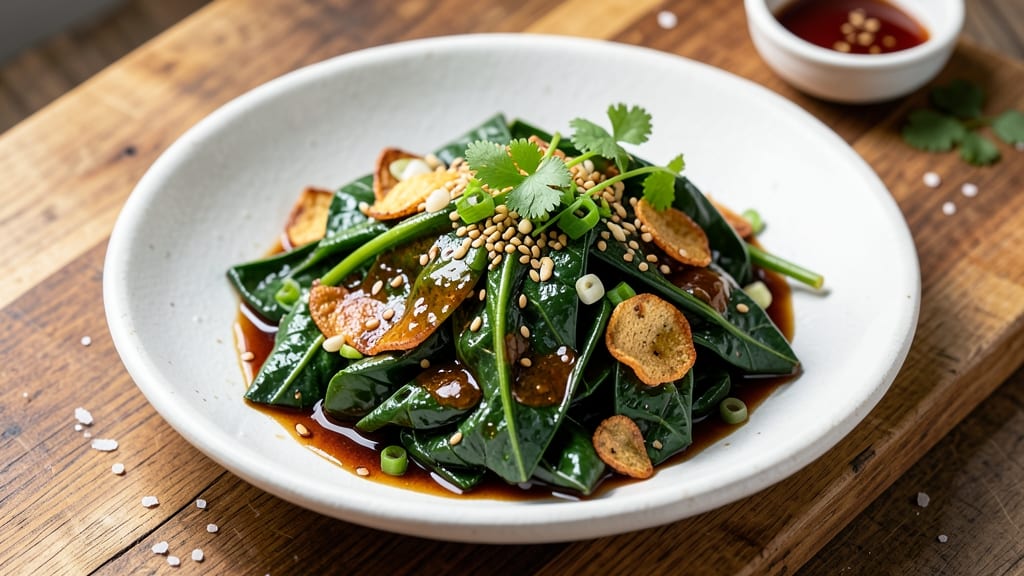
This Korean sweet potato leaves recipe transforms simple greens into a vibrant, umami-packed side dish that elevates any meal. The secret lies in proper blanching and seasoning—soy sauce, sesame oil, and minced garlic work together to create a dish that's both bold and balanced.
I've perfected this technique over years of Korean home cooking, ensuring every bite delivers that perfect harmony of savory and nutty flavors.
What makes this recipe special is its versatility and health benefits. Sweet potato leaves are packed with vitamins A and C, while the sesame and garlic add depth without overpowering. The dish takes just 20 minutes to prepare, making it ideal for busy weeknights or last-minute banchan additions.
Whether you're serving it alongside grilled meats or rice, the vibrant green color and rich flavor will impress.
Traditionally served as a banchan (Korean side dish), this stir-fry pairs beautifully with rice, kimchi, and grilled proteins. The leaves maintain a tender-crisp texture when cooked properly, and the sesame seeds add a satisfying crunch.
For an extra umami boost, you can add a splash of anchovy broth, though this vegetarian version remains equally delicious.
This recipe is naturally vegan and gluten-free, making it accessible for various dietary needs. The key steps—blanching, seasoning, and quick stir-frying—ensure the leaves stay vibrant and flavorful. Let's create this authentic Korean side dish that will become a staple in your meal rotations.
Ingredients for sweet potato leaves recipe korean
Authentic Korean banchan requires just twelve ingredients for vibrant, umami-rich sweet potato leaves.
| Ingredient | Amount | Notes |
|---|---|---|
| Sweet Potato Leaves 🌿 | 12 oz | Fresh, stems removed, washed |
| Sesame Oil 🫒 | 1 ½ tbsp | Toasted sesame oil preferred |
| Garlic Cloves 🧄 | 6 cloves | Minced, fresh preferred |
| Soy Sauce 🥄 | 2 tbsp | Low-sodium preferred |
| Sesame Seeds 🌰 | 1 tbsp | Toasted for garnish |
| Vegetable Oil 🫒 | 1 ½ tbsp | High smoke point |
| Rice Vinegar 🍶 | 1 tbsp | White or seasoned |
| Sugar 🍚 | ½ tsp | Granulated or brown |
| Salt 🧂 | ½ tsp | Kosher or sea salt |
| Black Pepper 🌶️ | ¼ tsp | Freshly ground |
| Gochugaru 🌶️ | ½ tsp | Korean red pepper flakes |
| Green Onion 🧅 | 2 whole | Thinly sliced, for garnish |
The sweet potato leaves are the heart of this dish, and freshness is critical. Look for vibrant green leaves at Korean grocery stores or well-stocked Asian markets—they often carry them pre-washed and ready to use. If you can't find them, substitute with spinach or bok choy, though the texture and flavor will differ slightly. For the garlic, freshly minced cloves deliver the brightest flavor, but jarred minced garlic in a pinch works too. The sesame oil should be toasted—La Choy or Kadoya brands are excellent choices, and you'll find them in the international aisle of most supermarkets. Toasting the sesame seeds in a dry pan for 30 seconds before adding them to the dish enhances their nutty aroma significantly.
No sesame oil? Avocado oil or neutral vegetable oil works for cooking, though you'll miss the signature flavor. Substituting gochugaru? Paprika at half the amount provides color but lacks the depth. The soy sauce can be swapped for tamari if gluten-free is a concern, though traditional soy sauce is preferred. For a sweeter profile, honey or agave nectar can replace sugar, though the dish's balance will shift slightly. If you're using spinach as a substitute for sweet potato leaves, blanch it for half the time—they wilt much faster. The green onions should be added last to preserve their fresh crunch, but if you're short on time, toss them in during the final stir.
This dish is best served immediately after cooking, as the leaves wilt quickly. For meal prep, blanch and shock the leaves in ice water, then store them in an airtight container with a paper towel to absorb moisture. They'll keep in the fridge for 2 days, though texture may soften. For longer storage, freeze the blanched leaves in a single layer before transferring to a bag—they'll last up to 3 months. Reheat gently in a pan with a splash of water to revive their crispness. The sesame oil and seeds should be added fresh after reheating to maintain their flavor. This recipe scales beautifully for larger gatherings—simply double the ingredients and adjust cooking time accordingly.
Why You'll Love This Recipe
- No-Chop Needed: I swear by this—just tear those leaves (no knife skills required) and toss them in. The stems are tough, but the rest? Pure, tender goodness with zero fuss.
- Umami Bomb: That sesame oil hitting the wok with garlic? Chef’s kiss. The soy sauce ties it all together—salty, nutty, and just a little funky in the best way.
- Leftover Hero: This keeps for days in the fridge, and reheats like it’s fresh. Pack it for lunch, serve it cold over rice, or toss it into fried eggs—it’s that versatile.
- Pocketbook Winner: Sweet potato leaves are dirt cheap, and a little sesame oil goes a long way. You’re feeding a crowd for the price of one fancy salad, honestly.
Step-by-step instructions for sweet potato leaves stir-fry
Transform humble sweet potato leaves into a vibrant, umami-packed Korean-inspired dish with this precise technique.
Blanch the Sweet Potato Leaves
Fill a large pot with 6 cups water and bring to a rolling boil over high heat. Add the 12 oz sweet potato leaves and cook for exactly 30 seconds—just enough to soften them slightly without turning them mushy. You'll see the leaves wilt and sink to the bottom.
Immediately drain through a colander and plunge into an ice bath for 1 minute to stop the cooking process and preserve their bright green color. This blanching step removes any bitterness and ensures tender leaves that won't turn to sludge during stir-frying. Drain well and set aside.
Prepare the Garlic-Sesame Base
Heat the 1.5 tbsp vegetable oil in a wok or large skillet over medium-high heat until shimmering. Add the 6 cloves minced garlic cloves and stir constantly for 30 seconds until fragrant but not browned—you want golden aroma, not burnt flavor. Remove the pan from heat momentarily to prevent burning.
Return to medium heat and add the 1.5 tbsp sesame oil. Stir for 10 seconds to combine, then add the 2 tbsp soy sauce, 1 tbsp rice vinegar, 0.5 tsp sugar, 0.5 tsp salt, 0.25 tsp black pepper, and 0.5 tsp gochugaru. Taste and adjust seasoning—this sauce should balance sweet, salty, umami, and subtle heat.
Stir-Fry the Leaves to Perfection
Add the blanched sweet potato leaves to the wok in batches if needed, tossing continuously with tongs for 2-3 minutes over high heat. The leaves should wilt completely and develop a glossy sheen from the sauce. You're aiming for tender-crisp texture—not mushy, not undercooked.
Watch closely as the leaves cook—they'll darken slightly but retain vibrant green streaks. If they start to stick, add 1 tablespoon water to deglaze and toss again. The dish should finish with just enough sauce to coat the leaves without being soggy. Remove from heat immediately when the leaves are bright and tender.
Finish and Garnish Professionally
Transfer the stir-fried leaves to a serving platter and sprinkle evenly with 1 tbsp toasted sesame seeds. Thinly slice the 2 whole green onion and scatter over the top for fresh contrast. The sesame seeds add nutty depth while the green onion brightens the dish visually and palate-cleanses between bites.
Serve immediately while the leaves are still vibrant and the sauce is glossy. This dish maintains its best texture and flavor when eaten fresh. For extra richness, drizzle with an additional ½ teaspoon sesame oil before serving—it enhances the umami without overpowering the delicate greens.
Pro Tips For Making Sweet Potato Leaves Recipe Korean
- Wilt Leaves in Stages: Don’t dump all the leaves in at once—add them in batches over 2-3 minutes. This keeps the heat high enough to soften them properly without turning them into a soggy mess, especially if you’re using thick stems.
- Use Toasted Garlic: Crush the garlic cloves first, then toast them in the pan with sesame oil until golden and fragrant—about 30 seconds. Raw garlic burns easily and overpowers the dish; toasted garlic adds depth without bitterness.
- Salt After Wilted: Wait until the leaves are fully wilted before adding soy sauce or salt. Adding it too early makes the leaves release too much water, turning your stir-fry into a sad, watery pile instead of a crisp-tender bite.
- Finish with Cold Sesame Oil: Toss in the sesame seeds first, then drizzle the sesame oil at the very end while the pan is off the heat. This keeps the oil from burning and lets the aroma bloom without cooking off—trust me, it makes a difference.
Serving suggestions for this recipe
Banchan Pairings
This vibrant sweet potato leaf dish shines as a banchan—traditional Korean side dishes meant to complement rice and main proteins. Serve it alongside steamed jasmine rice to soak up the sesame-garlic sauce, or pair with grilled bulgogi beef for a perfect balance of textures and flavors.
The dish also pairs beautifully with kimchi to cut through its spicy richness. 🍚
For a vegetarian spread, combine with tofu banchan (marinated tofu cubes) and pickled radish (danmuji) to create a colorful, well-rounded meal. The leaves' tender-crisp texture contrasts perfectly with the softness of rice and the crunch of pickled vegetables.
Protein Complements
Add grilled chicken or pork to elevate this dish into a full meal. The umami notes in the sweet potato leaves complement the smoky char of grilled meats beautifully. For a seafood option, serve with steamed shrimp or grilled salmon—the leaves' subtle sweetness pairs wonderfully with fish. 🐟
For a heartier meal, include Korean-style fried rice or bibimbap (mixed rice bowl) to create a satisfying combination. The leaves add freshness to the rich, savory components of these dishes.
Beverage Pairings
Cool down your meal with a light Korean barley tea (boricha) or soy milk—both complement the dish's nutty, umami flavors without overpowering them. For a refreshing contrast, try sparkling water with lemon to cleanse your palate between bites. 🥤
If you prefer alcohol, a chilled lager like Hite or Cass enhances the dish's crispness, while a dry Riesling adds a fruity contrast to the sesame and garlic notes. Avoid heavy wines or dark beers that could clash with the delicate greens.
Presentation Tips
Arrange the leaves on a white ceramic plate to highlight their vibrant green color. Use a small spoon to create a neat pile in the center, then scatter sesame seeds and green onions artistically around the edges. This presentation style reflects traditional Korean aesthetics. ✨
For a modern twist, serve in individual bowls with a drizzle of sesame oil on the side for diners to customize their flavor. Garnish with edible flowers or microgreens for an elevated look that still feels approachable.
Nutrition facts
Frequently asked questions
Can I use regular spinach instead of sweet potato leaves?
Yes, but with adjustments! Spinach wilts much faster, so blanch it for only 15-20 seconds instead of 30. The flavor will differ slightly, but the texture works well for stir-frying. For authenticity, try bok choy as a closer substitute—it has a similar texture when blanched properly.
How do I store leftover sweet potato leaves?
Store blanched leaves in an airtight container with a paper towel to absorb moisture. They'll keep in the fridge for 2 days—reheat gently in a pan with a splash of water. For longer storage, freeze blanched leaves for up to 3 months. Always add sesame oil and seeds fresh after reheating to maintain flavor.
Why do my leaves turn mushy when cooking?
Overcooking is the most common cause! The stir-fry should take only 2-3 minutes on high heat. Start with properly blanched leaves and cook in batches if needed. If they stick, add 1 tablespoon water and toss immediately. The sauce should coat but not drown the leaves.
Can I make this recipe without sesame oil?
Yes, but the flavor will differ. Use neutral vegetable oil for cooking, then add 1 teaspoon toasted sesame seeds at the end. For extra depth, stir in ½ teaspoon toasted sesame oil after cooking. The dish will still be delicious—just less nutty!
What's the best way to serve this as a vegetarian meal?
Pair with steamed rice, marinated tofu cubes, and pickled radish (danmuji) for a complete vegetarian spread. The leaves' umami balances the meal perfectly. For protein, add soft tofu or tempeh—both complement the dish's nutty-savory profile.