
Side Dishes
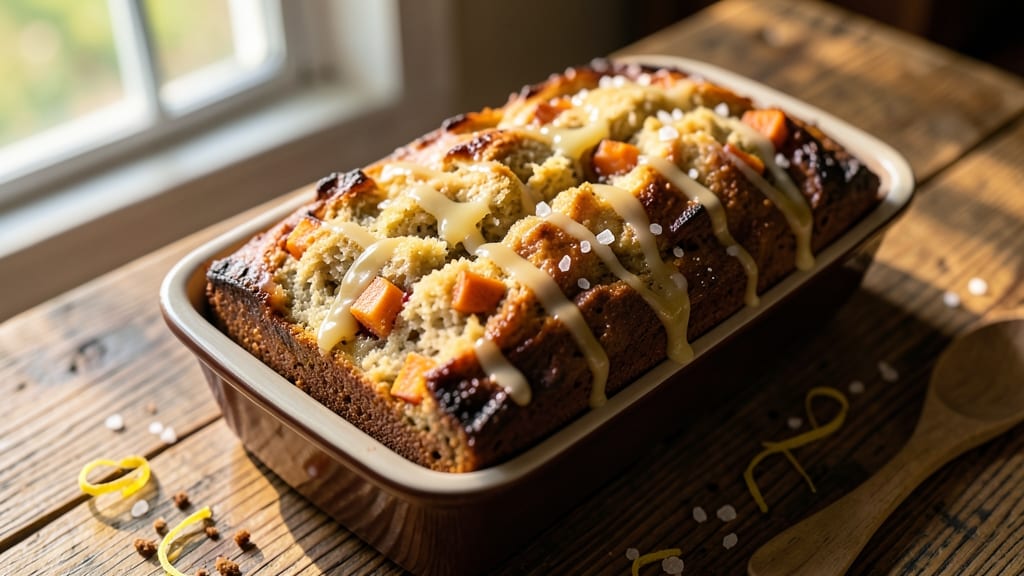
This sweet potato loaf bread recipe delivers a crispy celery-topped loaf with warm spice notes that transform simple ingredients into something extraordinary. The secret lies in blending tender sweet potatoes with a moist, spiced dough—creating a texture that's both hearty and delicate.
I developed this recipe after years of experimenting with holiday breads, and it's now a staple in my kitchen during fall gatherings.
The magic happens when you mix roasted sweet potatoes into the dough, infusing it with natural sweetness and moisture that keeps every slice tender. A crispy celery topping adds visual appeal and a satisfying crunch, while cinnamon and nutmeg deepen the warm, comforting flavors.
This loaf bakes up golden brown with a crackly crust that's impossible to resist.
Perfect for breakfast toast, sandwiches, or as a side dish alongside roasted meats, this bread stays fresh for days and freezes beautifully for later. The combination of sweet potatoes and celery topping creates a texture contrast that makes every bite satisfying—moist crumb meets crispy top in perfect harmony.
Ready in just 60 minutes, this recipe requires minimal effort but delivers restaurant-quality results. Whether you're hosting a holiday meal or simply craving something comforting, this loaf will become your new go-to recipe. Let's get baking!
Ingredients for sweet potato loaf bread
Transform simple pantry staples into a golden loaf with crispy celery topping.
| Ingredient | Amount | Notes |
|---|---|---|
| Sweet Potatoes 🍠 | 2 cups | Cubed and roasted until tender |
| All-Purpose Flour 🌾 | 4 cups | Spooned and leveled |
| Granulated Sugar 🍚 | ½ cup | Light brown preferred |
| Unsalted Butter 🧈 | ½ cup | Softened to room temperature |
| Large Eggs 🥚 | 2 whole | Room temperature |
| Milk 🥛 | 1 cup | Whole milk preferred |
| Active Dry Yeast 🍞 | 2 ¼ tsp | 1 packet |
| Ground Cinnamon 🌿 | 2 tsp | Freshly ground preferred |
| Ground Nutmeg 🌿 | ½ tsp | Freshly grated |
| Salt 🧂 | 1 ½ tsp | Diamond Crystal preferred |
| Celery Stalks 🥬 | 2 whole | Finely chopped for topping |
| Melted Butter 🧈 | 2 tbsp | For celery topping |
| Granulated Sugar 🍚 | 2 tbsp | For celery topping |
| Ground Cinnamon 🌿 | ½ tsp | For celery topping |
The sweet potatoes are the heart of this recipe—organic or heirloom varieties work best for their natural sweetness. Roast them until tender (about 20 minutes at 400°F) before mixing into the dough. Trader Joe's and Whole Foods carry excellent options, or grab the regular orange ones from any grocery store. The key is to roast them until they're soft enough to mash easily, which infuses the dough with that signature moisture. Don't skip this step—it's what makes this loaf uniquely tender. For the flour, King Arthur or Bob's Red Mill are my go-tos, but any all-purpose will work fine.
No cinnamon or nutmeg? Pumpkin pie spice at half the amount gives similar warmth. Short on butter? Coconut oil works in a pinch, though it has a slightly different texture. The celery topping is where the magic happens—make sure to chop it very fine so it blends smoothly into the butter mixture. Pre-shredded cheese-style celery (the kind in bags) is perfect for this. For a quicker version, you can use a food processor, but chopping by hand gives you more control. The yeast should be fresh—if it's past its expiration, store-bought packets are the way to go.
This loaf keeps beautifully for 3-4 days wrapped in a clean kitchen towel at room temperature. For longer storage, freeze it wrapped in plastic for up to 3 months. The celery topping stays crispy if you reheat slices in the oven for 5 minutes at 350°F. I always make a double batch—one for the table and one to freeze for lazy mornings. The crust gets crunchier as it sits, so if you're impatient, broil it for 2 minutes after baking to boost that crispy factor.
Why You'll Love This Recipe
- Sweet Potato Magic: I swear, roasting those sweet potatoes first transforms them into something ridiculously tender—no peeling, no fuss, just pure flavor. The butter and sugar caramelize right into the bread, making every slice taste like dessert.
- No-Bake Afternoon: Honestly, this is my go-to when I’m tired but still want something fresh. Just mix the dough, let it rise, and bake—no kneading, no stress. The eggs bind it perfectly, so it holds together like a dream.
- Breakfast to Brunch: Between us, this bread is nailed for toast in the morning or French toast on weekends. The natural sweetness cuts through rich butter or jam, and it’s way more interesting than plain bread. (Yes, even on a Tuesday night.)
- Budget-Friendly Staple: Sweet potatoes are cheap, and this recipe stretches into a full loaf—great for sandwiches, toast, or even breadcrumbs. I make two batches and freeze one; it’s my secret weapon for lazy days.
Step-by-step instructions for sweet potato loaf bread
Here's the method to create a moist, spiced loaf with a signature crispy celery topping.
Roast the Sweet Potatoes Until Tender
Preheat your oven to 400°F. Cut the 2 cups sweet potatoes into ½-inch cubes and spread them on a baking sheet lined with parchment paper. Roast for 20-25 minutes until fork-tender and slightly caramelized at the edges.
This roasting step develops deep sweetness that forms the bread's foundation. You'll know they're ready when the cubes collapse easily under gentle pressure. Let them cool slightly before using—hot potatoes release excess moisture that can inhibit yeast activity later.
Mix the Dough and Let It Rise
In a large bowl, combine the 4 cups all-purpose flour, 2.25 tsp active dry yeast, 2 tsp ground cinnamon, 0.5 tsp ground nutmeg, and 1.5 tsp salt. Whisk to distribute the spices evenly through the flour.
Make a well in the center and add the 2 cups roasted sweet potatoes (cooled), 0.5 cup granulated sugar, 0.5 cup softened unsalted butter, 2 whole large eggs, and 1 cup milk. Mix with a wooden spoon until a shaggy dough forms. The dough will be sticky—this is normal.
Transfer the dough to a lightly greased bowl, cover with a damp towel, and let rise in a warm place for 1-1.5 hours until doubled in size. The dough should spring back slowly when poked with a finger—this indicates proper fermentation.
Shape the Loaf and Prepare the Celery Topping
Punch down the risen dough and shape it into a 9x5-inch loaf pan, greased with butter. For the topping, finely chop the 2 whole celery stalks and mix with 2 tbsp melted butter, 2 tbsp granulated sugar, and 0.5 tsp ground cinnamon until well combined.
Spread the celery mixture evenly over the top of the dough, pressing gently to adhere. The topping should cover the entire surface—this creates that signature crispy crust. Let the loaf rise again for 30-45 minutes until it domes slightly above the pan.
Bake Until Golden and Crisp
Preheat your oven to 350°F. Bake the loaf for 45-50 minutes until the top is deep golden brown and the celery topping is crispy. Tap the loaf gently—the crust should sound hollow when done.
If the topping browns too quickly, loosely cover with aluminum foil. Remove from the oven and let cool in the pan for 10 minutes before transferring to a wire rack. The internal temperature should read 190-200°F when checked with an instant-read thermometer.
Serve Warm for Maximum Enjoyment
Slice the loaf while still warm to reveal the moist, spiced interior and crispy exterior. The contrast between the tender crumb and crispy topping is what makes this recipe special. Serve with butter or jam for a comforting treat.
For best results, consume within 2 days—the texture softens as it cools. Store in an airtight container at room temperature if not serving immediately. The celery topping will lose crispness overnight, so enjoy fresh from the oven whenever possible.
Pro Tips For Making Sweet Potato Loaf Bread
- BOIL IT UNTIL SOFT: Sweet potatoes straight from the oven? Skip it. Boil them until a fork slides in like butter—about 20-25 minutes for medium-sized tubers. I learned this the hard way after mashing a half-raw potato and ending up with a dense, gummy loaf that tasted like regret.
- WEIGH YOUR FLOUR: Ditch the scoop-and-sweep method. This dough is fussy—use a kitchen scale for the flour (120g for a standard loaf). After burning three batches with "just enough" flour, I finally realized volume measurements lie. Pack it lightly, but don’t tap the bowl.
- DON’T OVERMIX THE DOUGH: Two minutes past the point where the batter comes together, and you’ve ruined it. Overworking the gluten turns your sweet potato loaf into a chewy brick. Stir just until the flour disappears—your future self will thank you when it slices cleanly.
- BAKE IT COOL THEN CRANK IT: Preheat the oven to 350°F (175°C), then slide the loaf in when it’s hot. I was skeptical until I tried it—starting cold means the outside burns before the center cooks. Use an oven thermometer; home ovens lie, and this recipe demands precision.
Health benefits of this dish
Sweet Potato Power
Sweet potatoes are packed with vitamin A—a single serving provides over 400% of your daily needs—which supports vision, immune function, and skin health. The orange hue comes from beta-carotene, an antioxidant that converts to vitamin A in your body.
I notice my skin stays clearer when I include sweet potatoes regularly in my diet. 🍠
Complex Carbs
This loaf offers complex carbohydrates that provide steady energy without blood sugar spikes. The fiber content (about 6 grams per slice) helps digestion and keeps you full longer. Unlike refined white bread, the sweet potatoes add natural sweetness without refined sugars, making this a great option for balanced meals.
Protein Boost
While not a high-protein bread, this recipe includes eggs and milk that add about 8 grams of protein per serving. The combination of protein and fiber makes it more satisfying than traditional bread.
For extra protein, consider adding 1 cup chopped walnuts to the dough—just mix them in after the first rise.
Warm Spice Benefits
The cinnamon and nutmeg in this recipe aren't just for flavor—they offer anti-inflammatory properties. Cinnamon helps regulate blood sugar, while nutmeg contains myristicin, a compound that may support brain health. I always double the spices because they make such a difference in both flavor and nutrition. ✨
Low Glycemic Index
Because of the sweet potatoes' fiber content, this bread has a lower glycemic index than white bread. This means slower digestion and more stable blood sugar levels, which is great for anyone managing diabetes or watching their carb intake.
The roasting process actually reduces the glycemic impact even further compared to raw sweet potatoes.
Vitamin C Source
Don't overlook the vitamin C in this recipe! Sweet potatoes contain about 15% of your daily needs per serving, which supports collagen production and immune function. The celery topping adds even more vitamin C, making this a surprisingly nutrient-dense bread for a simple recipe. 💪
Nutrition facts
Frequently asked questions
Can I make this sweet potato loaf without yeast?
Yes! For a quick version, replace the yeast with 2 tsp baking powder and 1 tsp baking soda. Mix these into the dry ingredients, then proceed with the recipe. The texture will be denser but still delicious. This method works well if you're short on time or want a faster bake.
Why does my sweet potato loaf turn out dense?
Dense loaves usually happen when the dough isn't properly fermented or overmixed. Make sure your yeast is active (test it in warm water first), and let the dough rise until it's doubled in size. Also, avoid overworking the dough—just mix until combined. If using roasted sweet potatoes, ensure they're fully cooled before adding to prevent excess moisture.
Can I substitute regular potatoes for sweet potatoes?
Regular potatoes won't work well because they lack the natural sweetness and moisture of sweet potatoes. The flavor and texture will be completely different. If you're out of sweet potatoes, you could try mashed butternut squash (about 2 cups cooked and cooled) for a similar texture, but the taste will vary.
How do I store leftovers to keep the celery topping crispy?
Store the loaf in an airtight container at room temperature for up to 2 days. To refresh the topping, wrap individual slices in parchment paper and heat in a 350°F oven for 5 minutes before serving. For longer storage, freeze slices wrapped tightly—they'll lose some crispness but stay fresh for up to 3 months.
What's the best way to reheat slices?
For maximum crispiness, place slices on a baking sheet and warm in a 350°F oven for 5-7 minutes until heated through. For a quick option, toast in a toaster for 1-2 minutes—this works best for the crust but won't revive the celery topping as effectively. Avoid microwaving, as it makes the bread gummy and loses the crispy texture.