
Side Dishes
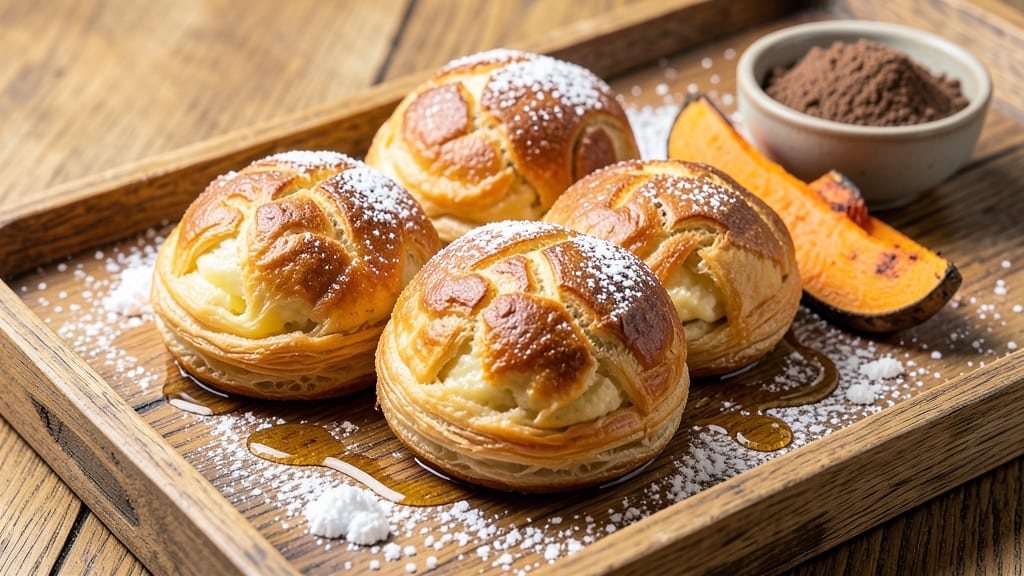
This sweet potato manju recipe delivers the perfect balance of fluffy, pillowy dough and fragrant, spiced sweet potato filling that melts in your mouth. 🌟 The secret lies in precise dough preparation and slow steaming, which transforms simple ingredients into delicate, cloud-like buns with a subtle cinnamon warmth.
Traditional versions often include pork or chicken, but this vegetarian adaptation keeps all the comforting flavors while staying true to the original concept.
What sets these manju apart is their tender yet sturdy texture—achieved through proper yeast activation and gentle handling of the dough. The sweet potato filling, infused with cinnamon and sugar, caramelizes slightly during steaming, creating pockets of velvety sweetness in every bite.
This recipe builds on classic techniques while offering a foolproof method for home cooks to replicate restaurant-quality results.
The process begins with a simple yet flavorful dough that rises just enough to create those signature soft, airy layers. Once filled and steamed, the buns develop a delicate golden hue and a fragrance that fills your kitchen with warmth.
Each bite delivers a perfect harmony of textures—light, airy dough giving way to creamy, spiced sweet potato that feels both indulgent and comforting.
Perfect for tea time, dessert spreads, or as a side dish with savory Japanese meals, these manju are equally at home on a breakfast table or as a sweet conclusion to a multi-course dinner.
The recipe scales beautifully, making it ideal for gatherings where you want to impress without spending hours in the kitchen.
Ingredients for sweet potato manju
Twelve ingredients transform into delicate, cloud-like buns with velvety sweet potato filling.
| Ingredient | Amount | Notes |
|---|---|---|
| Sweet Potatoes 🍠 | 2 ½ lbs | Peeled, boiled until tender |
| All-Purpose Flour 🌾 | 3 ½ cups | Plus 1 tbsp for dusting |
| Active Dry Yeast 🍞 | ¼ oz | Or 1 packet (2.25 tsp) |
| Granulated Sugar 🍚 | ½ cup | Plus 2 tbsp for filling |
| Unsalted Butter 🧈 | ½ cup | Cold, cubed (vegetarian) |
| Nonfat Dry Milk 🥛 | ¼ cup | For dough tenderness |
| Large Eggs 🥚 | 2 whole | Room temperature |
| Ground Cinnamon 🌿 | 2 tsp | Freshly ground preferred |
| Salt 🧂 | ½ tsp | Diamond Crystal preferred |
| Vegetable Oil 🫒 | 2 tbsp | For yeast activation |
| Warm Water 💧 | ¾ cup | 110°F for yeast |
| Cornstarch 🌾 | 1 tbsp | For dusting steamer |
The sweet potatoes make all the difference—Japanese sweet potatoes (like those from Asian markets) have the perfect texture, but regular orange sweet potatoes work too. Boil them until fork-tender, then mash them smooth. For the dough, King Arthur flour gives the best rise, but any all-purpose works. The yeast needs to be fresh—if it's over a month old, toss it. And that nonfat dry milk? It's the secret to tender, pillowy dough that holds its shape perfectly. I always grab mine from the baking aisle at Whole Foods—it's more consistent than the store brand.
No cinnamon? Cardamom or pumpkin pie spice works in a pinch, but the warmth is different. Running short on butter? Coconut oil keeps the dough tender, though it has a slight flavor. For the filling, you can swap the sugar for maple syrup or agave if you prefer a less refined sweetness. The dough needs to rest at least 2 hours, but I usually let it go overnight—it develops more flavor. If you're short on time, 1 hour minimum is better than nothing. And that warm water? 110°F is perfect—too hot kills the yeast, too cold and it won't activate.
Dough keeps 3 days in the fridge, wrapped tightly in plastic. For longer storage, freeze portions for up to 3 months. The filling can be prepped ahead and stored in the fridge for 2 days. When steaming, line your steamer with parchment paper for easy cleanup—no more scrubbing bamboo baskets. These reheat beautifully—just steam for 5 minutes to restore that cloud-like texture. Perfect for meal prep: make a batch on Sunday, enjoy all week.
Why You'll Love This Recipe
- Sweet Potato Magic: The moment you peel and boil those vibrant sweet potatoes, you’ve already won. No fancy prep—just steam them until tender, mash them smooth, and mix in butter and sugar. That’s it. Your hands stay clean, your counters stay clear, and you’re left with dough that’s actually forgiving.
- Butter-Sugar Kiss: Honestly, the flavor balance here is what makes it special. The natural sweetness of the potatoes pairs with just enough sugar to make it addictive—not cloying, just right. And that butter? It’s the secret—melting into the dough for a rich, pillowy texture that’s pure satisfaction.
- Breakfast to Dessert: Between us, these little cakes are my go-to for lazy mornings (drizzled with honey) or after-dinner treats (rolled in cinnamon sugar). They freeze beautifully too—just reheat in a toaster or oven, and they’re fresh again. No one will guess they’re from last week.
- Budget-Friendly Indulgence: You’re using pantry staples here—flour, yeast, sugar—and sweet potatoes stretch further than you’d think. A single batch feeds my whole family, with leftovers stashed for days. Plus, no weird ingredients to hunt down; just simple, reliable goodness that costs next to nothing.
Step-by-step instructions for sweet potato manju
Here's how to create those signature Japanese sweet potato cakes with irresistible texture and aroma.
👨🍳 Step 1: Prepare the Sweet Potato Filling
Boil the peeled 2.5 lbs sweet potatoes until fork-tender, about 20-25 minutes. Drain well and mash them until completely smooth—no lumps! I like to press through a fine-mesh sieve to ensure an ultra-silky texture. Stir in 2 tbsp granulated sugar and 1 tbsp ground cinnamon until evenly combined. This filling should be thick but spreadable, like a firm paste. Cover and let it cool completely before using.
Here's the thing—if your filling is too thin, the manju will be dense. If it's too thick, they'll be dry. Aim for that perfect balance where it holds shape when spooned but still melts beautifully in your mouth. I always taste-test at this stage to adjust sweetness—you might need a touch more sugar if your sweet potatoes were particularly mild.
👨🍳 Step 2: Activate the Yeast and Mix the Dough
In a small bowl, whisk together the 0.25 oz active dry yeast, 2 tbsp vegetable oil, and 0.75 cup warm water (110°F). Let it sit for 5-10 minutes until frothy—this tells you your yeast is alive and ready to work. In a large bowl, combine 3.5 cups all-purpose flour, 0.5 cup granulated sugar, 0.25 cup nonfat dry milk, 2 tsp ground cinnamon, and 0.5 tsp salt.
Make a well in the center and pour in the yeast mixture along with the 2 whole large eggs. Using a wooden spoon, gently mix until just combined—you'll still see dry bits of flour. This is crucial: overmixing develops gluten and makes your manju tough instead of pillowy. The dough should be shaggy and sticky, not smooth. Cover with a damp towel and let rise in a warm place for 1-1.5 hours, until doubled in size.
🥘 Step 3: Shape and Fill the Manju
Lightly dust a clean surface with 1 tbsp all-purpose flour (that extra tablespoon from the ingredients list). Turn out the risen dough and gently knead just enough to smooth it out—no need to develop gluten here. Using a 2-inch round cutter (or a glass of that size), cut out circles of dough. Press your thumb into the center of each circle to create a shallow well.
Spoon about 1 teaspoon of the sweet potato filling into each well, then carefully stretch the dough edges up to seal the filling inside. The key here is gentle pressure—don't overwork the dough or it'll spring back. Place the filled manju on a parchment-lined baking sheet, leaving 1 inch between each one. Cover loosely with a towel and let rise again for 30-45 minutes until puffy but not doubled.
🔥 Step 4: Steam to Pillowy Perfection
Preheat your steamer with 1 tbsp cornstarch sprinkled in the bottom (this prevents sticking). Bring water to a rolling boil and carefully place the manju in the steamer basket. Cover and steam over medium-high heat for 15-18 minutes, until the tops are golden brown and the bottoms pull away cleanly from the parchment. The steam should create a beautiful, even dome on each manju.
Here's where patience pays off: don't peek during steaming or you'll lose heat and steam. When they're done, the manju should be soft as a cloud but with a slightly crispy exterior. Let them cool on a wire rack for 5 minutes before serving—this prevents them from falling apart when you cut into them.
🍽️ Step 5: Serve Warm and Enjoy
Serve the manju warm, dusted lightly with powdered sugar if desired. The contrast between the warm, spiced sweet potato filling and the soft, slightly crispy exterior is what makes these so irresistible. I like to pair them with a cup of matcha green tea or a warm cup of Japanese black tea for the full experience.
Real talk: these are best eaten fresh from the steamer. The texture changes as they cool, becoming slightly denser. If you need to store them, keep them in an airtight container at room temperature for up to 2 days, but they won't be quite as pillowy. For extra indulgence, serve with a scoop of vanilla ice cream or a drizzle of honey.
Pro Tips For Making Sweet Potato Manju
- Boil Sweet Potatoes Until Fork-Tender: I learned this the hard way—undercooked sweet potatoes turn to mush when mashed, and overcooked ones burn when baked. Aim for a knife sliding in like butter (not falling out in chunks), then let them cool completely before mashing. Cold potatoes mash smoother and keep their shape better in the dough.
- Use Warm Butter for Dough: Cold butter creates lumps that never fully blend, while warm (but not melted) butter incorporates like a dream. Microwave your butter for 10-15 seconds until soft enough to press but still holds shape—this ensures a tender, flaky texture without greasy dough.
- Don’t Overwork the Dough: Manju dough is delicate—over-kneading develops gluten and makes the buns tough. Stop when the dough pulls away cleanly from the bowl (about 3-4 minutes by hand). If it feels sticky, let it rest 10 minutes before shaping; resisting the urge to overwork saves you from chewy disappointment.
- Steam Before Baking: The secret to even cooking is a quick steam. Place a damp paper towel in the pan before adding dough, then steam for 2-3 minutes in the oven (door slightly ajar). This prevents cracking and ensures the bottoms brown perfectly—no more raw centers or burnt edges.
Storing and reheating this dish
Room Temperature Storage
Your freshly steamed manju stay best at room temperature for up to 2 days when stored in an airtight container lined with parchment paper. I use glass containers with snap-on lids because they maintain moisture better than plastic.
Place them in a single layer to preserve their delicate shape—stacking can cause flattening. The texture remains soft but slightly less cloud-like than fresh from the steamer. 🌟
Refrigerator Refresh
If you need to store them longer, refrigerate for up to 5 days in the same airtight container. Before serving, reheat by steaming over boiling water for 5-7 minutes until warmed through.
The texture will be denser than fresh but still delicious. For extra tenderness, brush with a tiny bit of melted butter before reheating—it mimics the steaming process beautifully.
Freezer Preservation
For maximum storage, freeze unsteamed manju dough with filling (before final rise) for up to 3 months. Wrap each individually in plastic wrap, then place in a freezer bag. When ready to bake, thaw overnight in the fridge, let rise, then steam as directed.
For already steamed manju, freeze for up to 2 months—they'll be less pillowy but still tasty when reheated with steam.
Steam Reheating Method
This is my preferred way to revive manju—place them in a steamer basket over 1 inch of simmering water and cover. Steam for 5-8 minutes until warmed through. The steam recreates that signature cloud-like texture. For extra indulgence, sprinkle with powdered sugar before serving. Never microwave—it makes them rubbery!
Make-Ahead Dough
Prepare the dough up to 3 days ahead and store in the fridge. The flavor actually improves with resting! When ready to use, let it sit at room temperature for 1 hour to come to ambient temperature before shaping.
This is a game-changer for busy mornings—just roll, fill, steam, and enjoy warm manju for breakfast. 💡
Filling Prep Ahead
The sweet potato filling can be made 2 days in advance and stored in an airtight container in the fridge. Reheat gently in a saucepan over low heat, stirring constantly, until warmed through.
This saves you time on baking day—just assemble and steam. The cinnamon flavor intensifies slightly when reheated, adding extra warmth to your manju. Perfect for meal prep!
Nutrition facts
Frequently asked questions
Why does my manju dough turn out dense instead of pillowy?
Overmixing develops gluten, making the dough tough. Mix just until combined—you should still see dry flour bits. Also, ensure your yeast is active (it should foam when mixed with warm water) and that the dough rises properly in a warm place. Cold environments slow yeast activity, so try placing your bowl near a warm oven with the light on.
Can I make these without a steamer?
Use a baking sheet lined with parchment paper and place the manju on it. Cover tightly with foil and bake at 350°F for 20-25 minutes, until golden. The texture will be slightly denser but still delicious. For extra moisture, place a small bowl of water on the lower rack during baking.
How do I adjust the sweetness in the filling?
Taste the mashed sweet potatoes before adding sugar—their natural sweetness varies. Start with 2 tbsp sugar and adjust to taste. For a more pronounced cinnamon flavor, add an extra 0.5 tsp or swap in 1 tsp pumpkin pie spice. Remember, the dough already contains sugar, so balance is key!
What's the best way to shape manju for beginners?
Use a 2-inch round cutter (or glass) to cut dough circles. Press your thumb into the center to create a well, then spoon in filling and gently pinch the edges to seal. If the dough resists, let it rest 10 minutes at room temperature. For extra security, press the edges with a fork to create a decorative pattern.
Can I use regular potatoes instead of sweet potatoes?
Not recommended! Sweet potatoes have a naturally sweet, moist texture that works perfectly with the spiced filling. Regular potatoes are starchier and lack the sweetness. If you must substitute, try yams or Japanese purple sweet potatoes for a deeper flavor, but adjust the sugar to 3 tbsp to compensate for their milder taste.