
Side Dishes
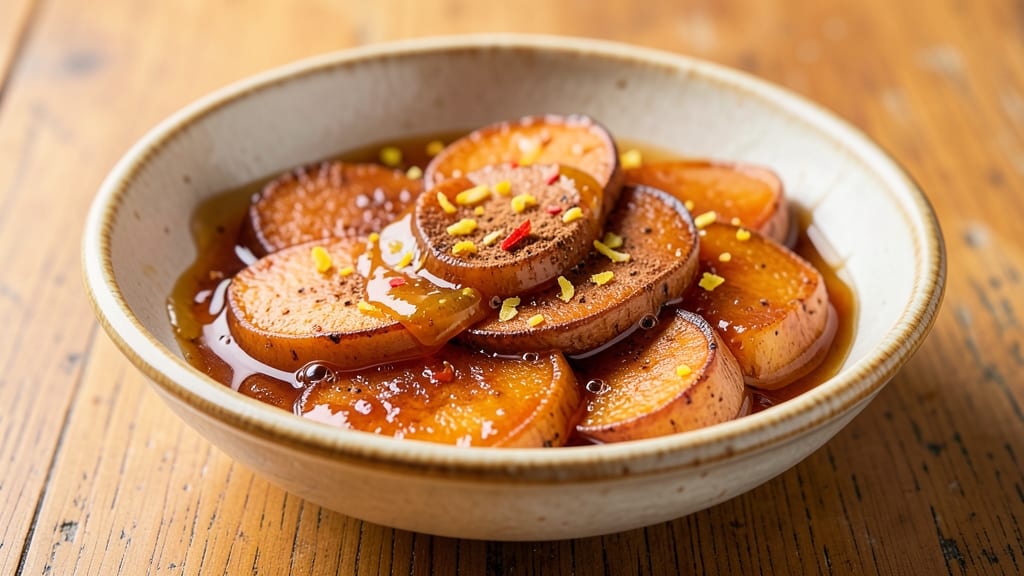
This sweet potato marmalade recipe transforms humble sweet potatoes into a vibrant, spiced spread that bridges the gap between jam and chutney. The process begins with slow-cooked sweet potatoes and citrus, creating a thick, velvety consistency that's perfect for toast, cheese boards, or glaze.
Unlike traditional jams, this version relies on natural sweetness and warm spices like cinnamon and ginger for depth—no refined sugar overload here.
The secret lies in the reduction technique: simmering until the mixture thickens into a glossy, spreadable paste with visible sweet potato threads and citrus zest. This isn’t just another fruit preserve—it’s a vegan, shelf-stable condiment that keeps for months when stored properly.
The texture sits somewhere between jam and relish, offering both sweetness and complex spice notes in every bite.
What makes this recipe stand out is its versatility. Use it as a glaze for roasted meats, a tangy spread for crackers, or a sweet-savory topping for yogurt and oatmeal. The natural pectin from the sweet potatoes ensures stability without commercial additives, while the citrus brightens the earthy sweetness.
With just five core ingredients and 30 minutes of active time, you’ll have a pantry staple that’s far more impressive than anything store-bought.
For those who prefer a smoother finish, blend the final mixture briefly—though purists will appreciate the rustic texture. The marmalade’s rich color and aromatic spices make it a showstopper on any table. Ready to elevate your spreads? Let’s get started.
Ingredients for sweet potato marmalade
Nine ingredients transform humble sweet potatoes into a sophisticated vegan marmalade with restaurant-quality depth.
| Ingredient | Amount | Notes |
|---|---|---|
| Sweet Potatoes 🍠 | 2 ½ lbs | Organic, skin-on, medium-sized |
| Orange Juice 🍊 | 1 ½ cups | Freshly squeezed, no pulp |
| Lemon Juice 🍋 | ½ cup | Freshly squeezed, no seeds |
| Maple Syrup 🍯 | ½ cup | Grade B for depth of flavor |
| Ground Cinnamon 🌿 | 1 ½ tbsp | Ceylon preferred for purity |
| Ground Ginger 🌶️ | 1 tbsp | Freshly ground preferred |
| Orange Zest 🍊 | 1 tbsp | From organic oranges |
| Salt 🧂 | ½ tsp | Diamond Crystal kosher |
| Apple Cider Vinegar 🍎 | 1 tbsp | For preservation balance |
The sweet potatoes are the foundation—organic, skin-on varieties yield the best texture and natural sweetness. Whole Foods or local farmers markets consistently carry the best quality, though any grocery store's organic section will work. Avoid russet potatoes; you need the vibrant orange hue and moist flesh of sweet potatoes. The orange juice should be freshly squeezed—no bottled juice with preservatives. For the zest, use organic oranges to avoid wax coatings. Maple syrup grade B provides the richest flavor profile, though grade A will suffice in a pinch. Ground spices lose potency quickly, so purchase small quantities from Penzeys Spices or bulk bins to ensure maximum freshness.
No maple syrup? Agave nectar or date syrup work equally well for sweetness, though the flavor profile differs slightly. Substituting bottled citrus juice for fresh will compromise the marmalade's brightness and texture—fresh is non-negotiable for this recipe. For those avoiding vinegar, a splash of additional lemon juice maintains acidity without the tang. If you prefer a smoother texture, blend the finished marmalade briefly with an immersion blender. The cinnamon and ginger can be swapped for cardamom or allspice at half the amount for a different spice profile, though traditional warm spices best complement the sweet potatoes' earthiness.
This marmalade thickens as it cools, so store it in sterilized glass jars with airtight lids—ideal for gifting or pantry storage. Properly sealed, it keeps for 6-8 months at room temperature or 12 months refrigerated. The addition of apple cider vinegar extends shelf life while balancing sweetness. For best results, let the marmalade sit for 24 hours before serving—flavors meld beautifully overnight. Portion into small jars for individual servings, perfect for cheese boards or holiday gifts. The marmalade's versatility makes it a year-round pantry staple that elevates both sweet and savory dishes.
Why You'll Love This Recipe
- No Peel, No Stress: I swear by this shortcut—just scrub and cube the sweet potatoes, no peeling required. The skin adds texture, and honestly? You’d never know it wasn’t supposed to be there.
- Citrus-Cinnamon Magic: That bright orange juice and lemon zest cut through the sweetness while the cinnamon warms it up like a hug. It’s the kind of flavor combo that makes you reach for seconds without trying.
- Breakfast to Dessert: Slather it on toast for a sweet start, drizzle it over yogurt, or even spoon it into oatmeal—it’s my go-to for lazy mornings. And yes, I’ve used it as a glaze for roasted chicken. (Don’t judge.)
- Lasts a Month: Make a big batch, store it in the fridge, and it’ll still taste fresh weeks later. Plus, sweet potatoes and maple syrup are budget-friendly staples—this is basically free dessert for your pantry.
Step-by-step instructions for sweet potato marmalade
Transform humble sweet potatoes into a rich, spiced marmalade that preserves beautifully for months.
Prepare the Sweet Potatoes for Cooking
Peel the 2.5 lbs sweet potatoes and cut them into ½-inch thick slices or small cubes. I prefer slices for even cooking, but cubes work well too. The goal is uniform pieces that will soften completely without turning to mush. Place them in a large pot and cover with cold water by about 2 inches.
Bring to a boil over medium-high heat, then reduce to medium-low and simmer for 15-20 minutes until the sweet potatoes are fork-tender. You'll know they're done when they collapse easily under gentle pressure but still hold their shape. Drain thoroughly in a colander, shaking gently to remove excess water. This step is critical—any remaining moisture will dilute your marmalade later.
Build the Spiced Base
In a large, heavy-bottomed saucepan, combine the cooked sweet potatoes, 1.5 cups orange juice, 0.5 cup lemon juice, 0.5 cup maple syrup, 1.5 tbsp ground cinnamon, 1 tbsp ground ginger, 1 tbsp orange zest, and 0.5 tsp salt. Stir well to distribute the spices evenly. The mixture should look thick and vibrant—this is where the deep, complex flavors begin to develop.
Place the pan over medium heat and bring to a gentle simmer. Let it cook uncovered for 20-25 minutes, stirring frequently with a wooden spoon. You want the liquid to reduce by about one-third, and the sweet potatoes to break down into a thick, jam-like consistency. This is where patience pays off—the longer you cook it, the more concentrated the flavors become.
Thicken and Preserve
Once the mixture has thickened noticeably, stir in the 1 tbsp apple cider vinegar. This final ingredient is key—it balances the sweetness and helps preserve the marmalade for months. Return the heat to medium-low and continue cooking for another 10-15 minutes, stirring constantly. The marmalade is ready when it reaches a gel-like consistency—it should coat the back of a spoon and leave a slight sheen.
To test for doneness, place a small spoonful on a chilled plate and refrigerate for 2 minutes. If it wrinkles slightly when pushed with your finger, it's ready. If not, return it to the heat and cook for another 5 minutes, testing again. Overcooking can make it too thick, so watch closely during this final stage.
Jar and Store for Long-Term Freshness
Transfer the marmalade to sterilized jars while it's still hot, leaving ½-inch headspace at the top. Seal tightly and let cool completely at room temperature. Once cooled, store in a dark, cool place for up to 3 months, or refrigerate for up to 6 months. The flavors will deepen over time, making this marmalade perfect for gifting or keeping on hand for toast, yogurt, or desserts.
The marmalade should have a rich, deep color with visible sweet potato pieces suspended in a glossy, spiced syrup. Each bite should deliver a perfect balance of sweetness, citrus brightness, and warm spices. If you prefer a smoother texture, blend it briefly before jarring—though I love the rustic texture of the sweet potato pieces.
Pro Tips For Making Sweet Potato Marmalade
- STEAM THE POTATOES FIRST: Peel and cut your sweet potatoes into even ½-inch chunks, then steam them for 12-15 minutes until fork-tender. I learned this the hard way—roasting raw chunks leads to uneven cooking and a gummy texture. The steam method keeps them moist and breaks down the starches faster, so they blend into a silky marmalade instead of a gluey mess.
- USE FRESHLY GRATED ZEST: Add 1 teaspoon of freshly grated orange zest (no pith) along with the juice—it’s the citrusy brightness that separates good marmalade from just sweetened purée. I was skeptical until I tried it; the zest’s oils amplify the orange flavor without overpowering. Skip the bottled zest—it’s dull and often bitter from sitting on shelves.
- THICKEN WITH LEMON JUICE: Reduce the maple syrup slightly (by 1-2 tablespoons) and replace it with extra lemon juice—about 2 tablespoons more than the recipe calls for. The acidity cuts through the sweetness and helps the mixture thicken as it cools. Sounds weird, but it works: my first batch was cloyingly sweet until I added the extra lemon.
- PRESS AND STRAIN: After blending, press the sweet potato pulp through a fine-mesh sieve to remove all fiber—yes, even if it feels tedious. I skip this when I’m lazy, but the dish is noticeably smoother and more professional-looking. A rubber spatula helps push everything through without leaving clumps behind.
Best sauces and condiments for this recipe
Citrus Glaze
Use this marmalade as a glaze for roasted meats—especially pork tenderloin or chicken thighs. Brush on during the last 10 minutes of cooking at 400°F. The citrus brightens the meat while the sweet potatoes caramelize beautifully.
For extra shine, reduce the marmalade with 1 tbsp apple cider vinegar and 1 tsp honey before glazing. 🍯
Cheese Board Spread
Pair this marmalade with aged cheddar, brie, or goat cheese for a sophisticated cheese board. The spiced sweetness cuts through rich cheeses while balancing their creaminess. I like to serve it with crackers, sliced apples, and walnuts for crunch.
For a festive touch, drizzle a thin layer over cream cheese before serving with baguette slices. 🧀
Yogurt Topping
Stir 1-2 tablespoons of marmalade into Greek yogurt for a breakfast or dessert topping. The warm spices complement the tanginess perfectly, creating a sweet-savory contrast.
Add a sprinkle of toasted pecans and a drizzle of honey for extra depth. This combo works especially well with vanilla or coconut yogurt. 🥛
Grilled Fruit Drizzle
Drizzle over grilled pineapple or peaches for a tropical twist. The heat from grilling enhances the marmalade’s flavors, creating a caramelized, citrusy finish. I recommend grilling fruit at medium-high heat for 3-4 minutes per side, then drizzling with warmed marmalade.
Serve with vanilla ice cream for a decadent dessert. 🍍
Baked Good Enhancer
Fold 2-3 tablespoons of marmalade into muffin or pancake batter for a moist, spiced twist. The natural sweetness reduces the need for added sugar while adding depth.
I love using it in whole wheat muffins or buckwheat pancakes. For a glaze, brush onto blueberry scones before baking for a sticky, aromatic finish. 🥞
Savory Dipping Sauce
Mix with soy sauce, sesame oil, and a touch of sriracha for a sweet-spicy dipping sauce perfect for spring rolls, dumplings, or grilled shrimp. The balance of citrus and sweet potato makes it uniquely versatile.
For extra umami, add 1 tsp miso paste to the mixture. This sauce elevates any Asian-inspired dish! 🍜
Nutrition facts
Frequently asked questions
Can I substitute regular potatoes for sweet potatoes in this marmalade?
No, sweet potatoes are essential for this recipe—regular potatoes lack the natural sweetness and vibrant color that create the marmalade's signature texture and flavor. The orange hue and moist flesh of sweet potatoes are key to achieving that perfect jam-like consistency with visible sweet potato threads.
How do I know when the marmalade is thick enough?
The marmalade is ready when it reaches a gel-like consistency—it should coat the back of a spoon and wrinkle slightly when pushed with your finger after chilling for 2 minutes. If it's too runny, return it to medium-low heat and cook for another 5-10 minutes, stirring constantly. Overcooking can make it too thick, so watch closely.
Can I make this marmalade without vinegar?
While possible, the apple cider vinegar is crucial for preservation and balancing sweetness. If you prefer to skip it, add an extra ½ cup lemon juice to maintain acidity, but shelf life will be shorter—3 months refrigerated instead of 6 months. The vinegar also enhances the marmalade's depth of flavor.
Why does my marmalade look grainy or have large sweet potato chunks?
This happens if the sweet potatoes weren't cooked long enough to soften completely. For a smoother texture, blend briefly with an immersion blender before jarring. If you prefer rustic texture, cook the sweet potatoes 5 minutes longer in Step 1. The recipe intentionally includes visible sweet potato pieces for texture—just ensure they're fork-tender.
Can I use this marmalade in savory dishes?
This marmalade works beautifully as a glaze for roasted meats, a dipping sauce for spring rolls, or mixed with soy sauce for a sweet-spicy dip. The citrus and spices bridge sweet and savory flavors perfectly. Try brushing it on pork tenderloin during the last 10 minutes of roasting at 400°F for a caramelized finish.