
Side Dishes
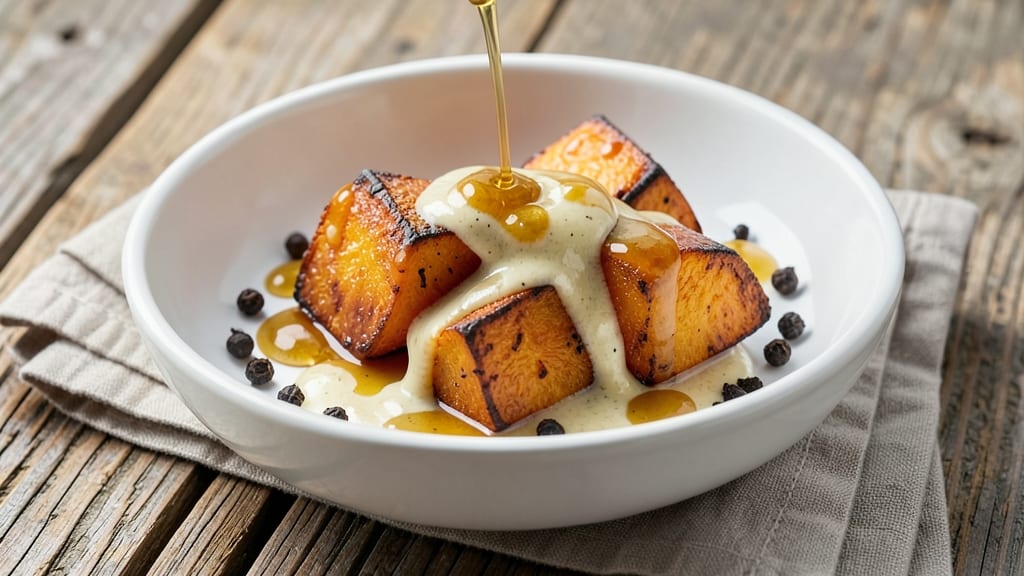
This sweet potato mustard sauce recipe delivers a perfect balance of creamy richness and bold tang—ideal for elevating everything from roasted meats to crispy fries. The secret lies in blending roasted sweet potatoes with sharp mustard and a touch of creaminess, creating a sauce that’s both versatile and deeply flavorful.
I developed this recipe after craving a dip that could handle both sweet and savory dishes without overpowering them.
The process is straightforward: roast sweet potatoes until tender, then blend them with Dijon mustard, sour cream, and a hint of garlic for depth. The result is a smooth, velvety sauce with just the right amount of heat and sweetness.
It’s the kind of condiment that turns simple meals into something special—think glazed chicken, creamy dips, or even a tangy marinade for grilled vegetables.
What makes this sauce stand out is its adaptability. Add a dash of hot sauce for extra heat, swap sour cream for Greek yogurt for a lighter version, or blend in roasted red peppers for a smoky twist.
Each variation keeps the creamy base while letting you customize the flavor to your taste. The best part? It stores well in the fridge for up to a week, making it a perfect make-ahead condiment.
Whether you’re drizzling it over roasted Brussels sprouts or using it as a dip for fresh veggies, this sauce brings a restaurant-quality finish to any dish. Ready to transform your meals with this bold, creamy creation? Let’s get started.
Ingredients for sweet potato mustard
Nine simple ingredients transform into this velvety, tangy sauce that'll make everything taste restaurant-quality.
| Ingredient | Amount | Notes |
|---|---|---|
| Sweet Potatoes 🍠 | 2 medium | Peeled and cubed for even roasting |
| Dijon Mustard 🌶️ | ½ cup | High-quality for bold flavor |
| Sour Cream 🥛 | ½ cup | Full-fat for creaminess |
| Garlic Cloves 🧄 | 3 cloves | Roasted for sweet depth |
| Olive Oil 🫒 | ¼ cup | Extra-virgin for richness |
| Honey 🍯 | 2 tbsp | Balances mustard's tang |
| Salt 🧂 | 1 tsp | Kosher or sea salt |
| Black Pepper 🌶️ | ½ tsp | Freshly ground preferred |
| Lemon Juice 🍋 | 1 tbsp | Freshly squeezed |
| Hot Sauce 🔥 | 1 tsp | Optional for extra heat |
Sweet potatoes are the star here—organic or heirloom varieties have the best flavor, but any will work. Trader Joe's usually has pre-peeled ones for convenience, but I always peel and cube my own for better texture. Roast them until tender—this is where the magic happens. The mustard? Maille Dijon if you're splurging, but any good-quality Dijon will do. Look for one that's not too sweet, as we're balancing it with honey later. Garlic cloves should be fresh, not dried—the smell should be pungent.
No Dijon mustard? Yellow mustard plus a pinch of sugar gets you close, though the flavor won't be as refined. Swapping sour cream for Greek yogurt cuts calories but loses some creaminess—I usually do half-and-half for the best of both worlds. Running low on honey? Maple syrup works in a pinch, though it adds a different depth. The hot sauce is totally optional but worth it if you love heat. For extra richness, blend in a spoonful of tahini or a roasted red pepper. And if you're feeling fancy, add a splash of apple cider vinegar for brightness.
This sauce keeps beautifully—up to 1 week in the fridge, covered with plastic wrap pressed right on top. For longer storage, freeze in ice cube trays and transfer to a bag—perfect for single-use portions. It reheats wonderfully, though I often eat it straight from the fridge. The flavors actually deepen overnight, so make extra if you can. I like to drizzle it over roasted Brussels sprouts or use it as a dip for crispy fries—game-changer for both. If it thickens too much, just stir in a splash of warm water or milk.
Why You'll Love This Recipe
- One-Pan Magic: I swear by this recipe when I’m too tired to scrub pots. Toss those sweet potatoes in olive oil, garlic, and a spoonful of mustard—roast until caramelized—and boom. Done. The mustard’s tang cuts through the sweetness while the sour cream ties it all together without extra effort.
- Creamy Tangy Kick: Between us, the combo of Dijon and sour cream is chef’s kiss—sharp, rich, and just sweet enough. The roasted edges on the potatoes? They’re the star, but that mustard glaze? It’s the secret weapon that makes this dish feel fancy without trying.
- Lunchbox Hero: Honestly, this recipe is my go-to for meal prep. Slice the roasted sweet potatoes into rounds, drizzle with extra mustard-sour cream mix, and pack them in containers. Kids (and adults) eat them cold or reheated—no fuss, no complaints.
- Budget-Friendly Crowd-Pleaser: Sweet potatoes stretch further than you’d think, and mustard plus sour cream cost pennies. I’ve fed six people with this—leftovers reheat perfectly, and the flavors only get better the next day. Plus, it’s one of those dishes that tastes expensive but isn’t.
Step-by-step instructions for sweet potato mustard sauce
This sauce delivers perfect harmony—creamy, tangy, and just spicy enough to elevate everything from roasted meats to grilled veggies.
Roast the Sweet Potatoes Until Caramelized
Preheat your oven to 400°F and line a baking sheet with parchment paper. Toss the 2 medium peeled and cubed sweet potatoes with 1 tablespoon of the olive oil, ½ teaspoon of the salt, and ¼ teaspoon of the black pepper. Spread them in a single layer—crowding will steam instead of roast.
Roast for 25-30 minutes until edges are deep golden brown and the cubes easily pierce with a fork. Real talk: don't peek early or you'll dry them out. The sweet potatoes should be tender but still hold their shape when pressed. Transfer them to a food processor while still hot—the residual heat makes blending easier.
Blend Until Silky Smooth
Add the roasted sweet potatoes to your food processor along with ½ cup of the Dijon mustard, ½ cup of the sour cream, 2 tablespoons of honey, 1 tablespoon of lemon juice, and 1 teaspoon of hot sauce. Pulse a few times to break up the larger pieces, then blend on high for 1-2 minutes until completely smooth.
Here's the thing—you want a velvety texture, not grainy. If it's too thick, add 1-2 tablespoons of water at a time until it reaches a pourable consistency. Taste and adjust seasoning: add more salt if needed, or a splash more lemon juice to brighten the flavors. The sauce should taste bold but balanced—tangy from the mustard, sweet from the honey, and just spicy enough to wake up your taste buds.
Roast the Garlic for Sweet Depth
While the sauce blends, preheat your oven to 375°F. Peel the 3 cloves of garlic and place them in a small oven-safe dish. Drizzle with 1 teaspoon of the remaining olive oil and sprinkle with ¼ teaspoon of salt. Roast for 10-12 minutes until fragrant and golden—you'll know it's perfect when the edges are slightly caramelized.
Let the garlic cool for 5 minutes before squeezing it directly into the food processor with the sauce. The roasted garlic adds a sweet, mellow depth that rounds out the sauce's complexity. Pulse just until combined—you don't want to break up the garlic completely, just incorporate it evenly.
Finish with Olive Oil for Richness
Transfer the sauce to a bowl and stir in the remaining ¼ cup of olive oil. This final touch emulsifies the sauce, giving it that luxurious, restaurant-quality mouthfeel. The olive oil also carries the flavors beautifully, making each spoonful silky and satisfying.
Taste again and make any final adjustments—maybe a pinch more salt or a dash of hot sauce if you want extra heat. The sauce should be creamy but not heavy, with layers of sweet, tangy, and spicy flavors. Serve immediately over grilled chicken, mashed potatoes, or even as a dip for crispy fries—it's that versatile!
Pro Tips For Making Sweet Potato Mustard
- ROAST UNTIL SOFT: Sweet potatoes should give slightly when pressed—not mushy, not hard. I learned this the hard way by overcooking them into a gluey mess. Aim for 45–55 minutes at 400°F (200°C) with the skin on; flip halfway if you’re roasting whole.
- MIX MUSTARD FIRST: Whisk the Dijon with sour cream and garlic before adding roasted sweet potatoes. This prevents clumps and ensures the mustard’s tang blends smoothly. I used to toss everything raw in, and the texture always felt uneven.
- SALT THE ROASTED POTATOES: Season the sweet potatoes with salt before roasting—it crisps the skin and balances the mustard’s sharpness. Skip this, and the dish tastes flat, even if the flavors seem right.
- GARLIC: MINCE, DON’T CHOP: Finely minced garlic (not chopped) dissolves into the mustard sauce without gritty bits. I was lazy once and used a food processor—ended up with garlic chunks in every bite. A sharp knife and patience make all the difference.
Pro cooking tips for great sweet potato mustard
Roast for Caramelized Sweetness
Sweet potatoes are the foundation of this sauce, so roasting them until caramelized is key. I always preheat my oven to 400°F and spread the cubes in a single layer—they should sizzle slightly when they hit the pan.
Roast for 25-30 minutes until edges are deep golden brown and tender when pierced with a fork. The residual heat helps blend them into a silky texture later. 🍠
Blend Like a Pro
Use a high-powered food processor like the Ninja BP101 for the smoothest texture. Add hot roasted sweet potatoes first, then blend in the mustard, sour cream, and honey. Pulse in short bursts to avoid splattering—this sauce should be velvety, not grainy.
If it thickens too much, add 1 tablespoon water at a time until it reaches a pourable consistency. Taste as you go: balance is everything!
Roasted Garlic Magic
Never skip roasting the garlic—it transforms from sharp to sweet and mellow. Peel 3 cloves, drizzle with 1 tsp olive oil, and roast at 375°F for 10-12 minutes until golden.
Let cool slightly before squeezing into the sauce—this prevents a bitter aftertaste. The roasted garlic adds depth that regular garlic can't match. 🧄
Emulsify for Luxury
Finish the sauce by stirring in the remaining ¼ cup olive oil. This step emulsifies the sauce, giving it that restaurant-quality mouthfeel. The oil also helps distribute flavors evenly.
Taste again and adjust seasoning—perhaps a pinch more salt or a dash of hot sauce if you crave heat. The result? A sauce that's creamy, tangy, and irresistibly rich.
Storage Secrets
Store leftovers in an airtight container in the fridge for up to 1 week. For longer storage, freeze in ice cube trays—perfect for single-use portions. The sauce thickens when chilled, so stir in a splash of warm water or milk to loosen it before serving.
I always make extra because it disappears fast over roasted Brussels sprouts or grilled chicken. ❄️
Nutrition facts
Frequently asked questions
Can I use regular mustard instead of Dijon?
Yes, but the flavor will be milder. For a closer match, mix ¼ cup yellow mustard with ¼ cup Dijon and a pinch of sugar to balance the sweetness. The Dijon's sharpness is key to cutting through the sweet potatoes' natural sugars.
How can I make this sauce vegan?
Swap sour cream for ½ cup full-fat coconut yogurt or vegan mayo, and use olive oil-based vegan butter instead of regular butter. For extra creaminess, add 2 tablespoons of tahini. The texture stays rich, but the flavor becomes slightly nuttier.
Why did my sauce turn out too thick?
This usually happens if the sweet potatoes weren't fully cooked or blended properly. Thin with 1-2 tablespoons of warm water or milk at a time until pourable. For next time, ensure sweet potatoes are tender before blending, and blend longer for a smoother texture.
What are the best ways to use this sauce?
This versatile sauce works as a glaze for grilled chicken or pork, a dip for fries or veggie sticks, or a tangy marinade for tofu or fish. Try it on mashed potatoes or roasted Brussels sprouts for a sweet-savory twist. The possibilities are endless!
Can I make this sauce ahead of time?
Store it in an airtight container in the fridge for up to 1 week. The flavors actually improve overnight. For longer storage, freeze in ice cube trays—thaw and stir with a splash of water or milk to loosen. Perfect for meal prep!