
Side Dishes
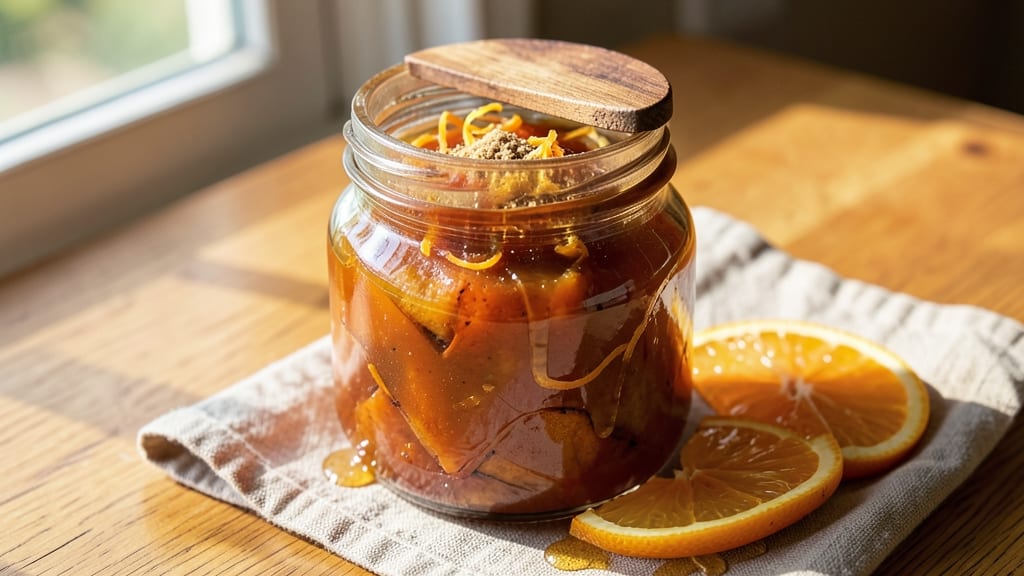
This sweet potato orange marmalade recipe transforms humble ingredients into a vibrant, tangy-sweet glaze that elevates roasted meats, toast, and even desserts. The process is straightforward: simmering peeled sweet potato chunks with orange juice and zest until the mixture reduces to a thick, spreadable consistency.
What makes this recipe special is its versatility—it works as a glaze for holiday roasts, a tangy spread for brunch, or even a unique topping for yogurt or oatmeal.
The cooking method is where the magic happens. You’ll peel and chop sweet potatoes into even cubes, then simmer them with orange juice, zest, and a touch of maple syrup until the liquid reduces and the sweet potatoes break down into a velvety texture.
A splash of apple cider vinegar brightens the flavor, balancing the natural sweetness of the sweet potatoes with the citrusy acidity of the oranges. The result is a marmalade that’s neither too thick nor too runny, perfect for drizzling or spreading.
Once cooled, this marmalade keeps for up to two weeks in the refrigerator, making it ideal for meal prep or gifting. For extra depth, consider adding a pinch of ground ginger or a vanilla bean scrap while simmering.
The flavor profile is complex—sweet, tangy, and slightly earthy—with the orange zest adding a fragrant, bright finish. It’s the kind of condiment that turns simple dishes into something extraordinary.
Use it as a glaze for roasted vegetables or meats, a spread for toast with avocado or hummus, or even a drizzle over pancakes for a breakfast twist.
The possibilities are endless, and the process is simple enough to make on a weeknight. Let’s get started on creating this versatile, plant-based marmalade.
Ingredients for sweet potato orange marmalade
Eight simple ingredients transform into a vibrant glaze that brightens roasts and toast effortlessly.
| Ingredient | Amount | Notes |
|---|---|---|
| Sweet Potatoes 🍠 | 1 ½ lb | Peeled, cut into 1-inch cubes |
| Orange Juice 🍊 | 1 ½ cups | Freshly squeezed, no pulp |
| Orange Zest 🍊 | 2 tbsp | From 2 large organic oranges |
| Pure Maple Syrup 🍁 | ½ cup | Grade B for depth of flavor |
| Apple Cider Vinegar 🍎 | ¼ cup | Raw, unfiltered preferred |
| Ground Ginger 🌿 | ½ tsp | Freshly ground for warmth |
| Vanilla Bean 🌸 | 1 whole | Split lengthwise for seeds |
| Sea Salt 🧂 | ¼ tsp | Fine grain, Diamond Crystal preferred |
| Extra-Virgin Olive Oil 🫒 | 1 tbsp | For finishing, fruity variety |
The sweet potatoes are the heart of this marmalade—look for vibrant orange flesh with no green spots. Trader Joe's or local farmers markets often carry the sweetest varieties. Organic sweet potatoes tend to have richer flavor, though conventional works fine. Peel them just before chopping to prevent browning. The orange juice should be freshly squeezed—store-bought can taste flat. For zest, use a microplane to capture the fragrant oils without the bitter white pith. The vanilla bean adds depth, so Madagascar or Bourbon beans are ideal if you want to splurge; otherwise, vanilla extract works in a pinch.
No fresh orange juice? High-quality bottled orange juice (like Tropicana Pure) works, but add an extra tablespoon of zest to compensate. Swap maple syrup for agave nectar if preferred, though maple's molasses notes are key here. Apple cider vinegar can be substituted with lemon juice at half the amount, but the tang will be sharper. For ginger, freshly grated ginger at double the amount is more potent. The olive oil finish is optional but adds a silky texture—avocado oil is a great alternative if you're avoiding olive oil. Always taste as you go; the balance of sweet, tangy, and earthy flavors is what makes this marmalade shine.
This marmalade thickens as it cools, so don't worry if it seems too loose while warm. Store in a sterilized glass jar with a tight seal in the fridge for up to 2 weeks. The flavor actually improves over time as the ingredients meld. For gifting, portion into small jars—mason jars with ribbon make it look especially festive. Freeze for up to 3 months if you won't use it within two weeks. Reheat gently in a small saucepan over low heat, stirring occasionally, until smooth again. Leftovers make a stunning topping for yogurt or a drizzle over avocado toast.
Why You'll Love This Recipe
- No Peel, No Stress: I swear by this trick—just roast the sweet potatoes whole with the skin on. Peel after? Nope. The vinegar and maple syrup caramelize the edges into something almost gourmet, and I’m left with zero mess. (Between us, I’ve burned more than one sheet pan trying to peel raw sweet potatoes. This method saves my sanity.)
- Citrus-Kissed Sweetness: That first bite where the bright orange zest cuts through the deep, caramelized sweetness? It’s like a hug in jam form. The apple cider vinegar keeps it from being cloying—honestly, I’ve made marmalades that tasted like dessert syrup, but this one? It’s balanced. Spread it on toast, and you’ll forget it’s not from a fancy jar.
- Holiday Table Star: I make this every Thanksgiving because it’s the one thing that actually feels special without requiring hours of work. The deep amber color looks stunning next to turkey, and the tangy-sweet flavor cuts through rich dishes. (Yes, even on a Tuesday night, I’ll sneak a spoonful straight from the jar.)
- Pantry Goldmine: A single batch lasts me months—I drizzle it over yogurt, stir it into oatmeal, or even toss it into vinaigrettes for a sweet-savory punch. Maple syrup and vinegar stretch the sweet potatoes further than honey ever could, and oranges are cheap this time of year. It’s my go-to for using up odd sweet potatoes before they sprout.
Step-by-step instructions for sweet potato orange marmalade
Here's the precise method to create a vibrant, balanced glaze that pairs perfectly with roasted meats and toast.
Roast the Sweet Potatoes Until Caramelized
Preheat your oven to 400°F and line a baking sheet with parchment paper. Arrange the 1.5 lb peeled sweet potatoes (cut into 1-inch cubes) in a single layer, ensuring they don't overlap. This allows for even roasting and maximum caramelization.
Drizzle the sweet potatoes with 1 tablespoon extra-virgin olive oil and toss gently to coat. Spread them back out on the baking sheet. Roast for 25-30 minutes until edges are deeply golden brown and the cubes are tender when pierced with a fork. The sweet potatoes should smell sweetly caramelized—this is your cue they're ready. Let them cool slightly before proceeding, as hot sweet potatoes will release excess liquid into your marmalade.
Simmer the Base Ingredients
In a large, heavy-bottomed saucepan, combine the roasted sweet potatoes, 1.5 cups orange juice, 0.5 cup pure maple syrup, and 0.25 cup apple cider vinegar. Bring the mixture to a boil over medium-high heat, then immediately reduce the heat to medium-low to maintain a gentle simmer.
Add the 0.5 tsp ground ginger and 0.25 tsp sea salt to the simmering mixture. Let it cook uncovered for 20-25 minutes, stirring occasionally, until the sweet potatoes have broken down completely and the mixture thickens noticeably. You're aiming for a consistency similar to thick applesauce—it should coat the back of a spoon but still flow freely. If it thickens too quickly, add 1-2 tablespoons of water to maintain the right texture.
Incorporate Aromatics and Zest
While the base simmers, split the 1 whole vanilla bean lengthwise and scrape out the seeds using the back of a knife. Add both the seeds and the empty pod to the saucepan. Stir in the 2 tbsp orange zest and continue simmering for another 10 minutes to allow the flavors to meld.
The mixture should now be vibrant orange in color and fragrant with warm vanilla and citrus notes. Taste and adjust the seasoning if needed—you might want to add a pinch more salt or a splash of vinegar to balance the sweetness. Remove the vanilla pod at this stage, as it has released all its flavor. The marmalade should be thick but still pourable, with a glossy sheen that indicates proper reduction.
Finish and Store Properly
Transfer the marmalade to a clean glass jar or airtight container. Let it cool to room temperature, then refrigerate. When fully cooled, the marmalade should have a gel-like consistency—it should wrinkle slightly when you push your finger into it. If it's too thin, return it to a saucepan and simmer uncovered for 5-10 minutes to reduce further.
This marmalade keeps in the refrigerator for up to 2 weeks or can be frozen for 3 months. Use it as a glaze for roasted meats, a topping for yogurt, or a spread for toast. The balance of sweet, tangy, and spicy flavors makes it incredibly versatile. For best results, let it come to room temperature before serving to achieve the perfect spreadable consistency.
Pro Tips For Making Sweet Potato Orange Marmalade
- Simmer Slow and Steady: Peel and dice the sweet potatoes into even ½-inch cubes—no smaller, or they’ll turn to mush. Start on medium-high heat to kick off the cooking, then drop to a gentle simmer once everything’s in the pot. I’ve learned the hard way that rushing this step makes the final texture grainy instead of silky.
- Zest Fresh, Juice Fast: Buy oranges that still have a little give when squeezed—those are the juiciest. Roll them on the counter before cutting to release more juice, then zest the outer layer only (no white pith). Save the zest for the end—adding it too early makes the marmalade bitter faster.
- Stir Like You Mean It: The first 15 minutes are critical—stir every 2-3 minutes to prevent sticking. Once the sweet potatoes soften, reduce to occasional stirs, but don’t let it sit unattended. I skipped this once and ended up with a single, sad, caramelized lump in the middle of the pot.
- Vinegar First, Then Balance: Add the apple cider vinegar right at the start—it keeps the sweet potatoes from browning too quickly and adds brightness. Taste as you go, but wait until the end to adjust sweetness with maple syrup. Trust the process—over-sweetening is easier to fix than under-sweetening.
Creative variations of sweet potato orange marmalade
Spiced Rum Infusion
For a boozy twist, simmer 1 oz dark rum (like Appleton Estate) with the sweet potatoes and orange juice during the initial 20-minute reduction. The alcohol burns off, leaving behind warm, caramelized notes that pair beautifully with the citrus.
Add ½ tsp cinnamon and ¼ tsp allspice for depth—this version works brilliantly as a glaze for pork tenderloin or as a cocktail syrup. 🍹
Creamy Coconut Twist
Replace the orange juice with 1 cup coconut water and add ¼ cup coconut cream at the end for a tropical variation. The coconut's mild sweetness complements the earthy sweet potatoes while keeping the dish vegan.
Garnish with toasted coconut flakes before serving—this version shines on curry dishes or as a drizzle for smoothie bowls. 🥥
Herb-Infused Variation
Add 1 tbsp fresh thyme leaves and 1 tbsp rosemary needles to the simmering sweet potatoes for an herby depth. The herbs mellow during cooking but leave behind a fragrant, slightly piney aroma.
This savory-sweet marmalade pairs exceptionally well with roasted root vegetables or as a condiment for grilled chicken. 🌿
Smoky Chipotle Kick
For heat lovers, stir in 1 tsp adobo sauce from chipotle peppers (like Goya) with the apple cider vinegar. The smoky, spicy notes contrast the sweetness beautifully. Use this version as a glaze for ribs or as a bold topping for tacos—it adds complexity without overpowering. 🌶️
Berry-Enhanced Version
Fold in ½ cup mashed raspberries or blackberries during the final 10 minutes of simmering. The berries add tartness and vibrant color, creating a jam-like texture. This fruity variation works as a spread for toast or a drizzle over pancakes. 🍓
Nutty Crunch Addition
For texture, stir in 2 tbsp chopped pecans or walnuts during the last 5 minutes of cooking. The nuts toast slightly, adding crunch to the smooth marmalade. This version is perfect for drizzling over oatmeal or yogurt—it adds a satisfying contrast of textures. 🌰
Nutrition facts
Frequently asked questions
Can I substitute regular potatoes for sweet potatoes?
No, sweet potatoes are essential for this marmalade—their natural sweetness and earthy flavor create the perfect balance with citrus. Regular potatoes would make the finished product too starchy and bland. For a similar texture, try yams, but they'll have a slightly different taste profile.
How do I know when the marmalade is thick enough?
The ideal consistency is like thick applesauce—it should coat the back of a spoon but still flow smoothly. Test by chilling a small spoonful for 5 minutes; if it wrinkles slightly when pushed, it's ready. If too thin, simmer uncovered for 5-10 more minutes.
Why does my marmalade look grainy?
Graininess usually means the sweet potatoes weren't broken down enough during simmering. For smoother results, blend the finished mixture briefly (without adding liquid) or strain it through a fine-mesh sieve before storing. Simmering for 5 extra minutes with occasional stirring can also help.
Can I make this marmalade without an oven?
Yes! Skip roasting by boiling the sweet potatoes in water for 10-12 minutes until tender, then drain and proceed with the recipe. The flavor will be slightly less caramelized but still delicious. For extra depth, sauté the cooked sweet potatoes in olive oil for 5 minutes before adding liquids.
What's the best way to use leftover marmalade?
This versatile marmalade works as a glaze for roasted meats, a tangy spread on toast with avocado, or a drizzle for yogurt and oatmeal. For extra flair, warm it slightly before serving—it becomes more spreadable. The flavor also works beautifully in vegan dressings or as a marinade for tofu.