
Side Dishes
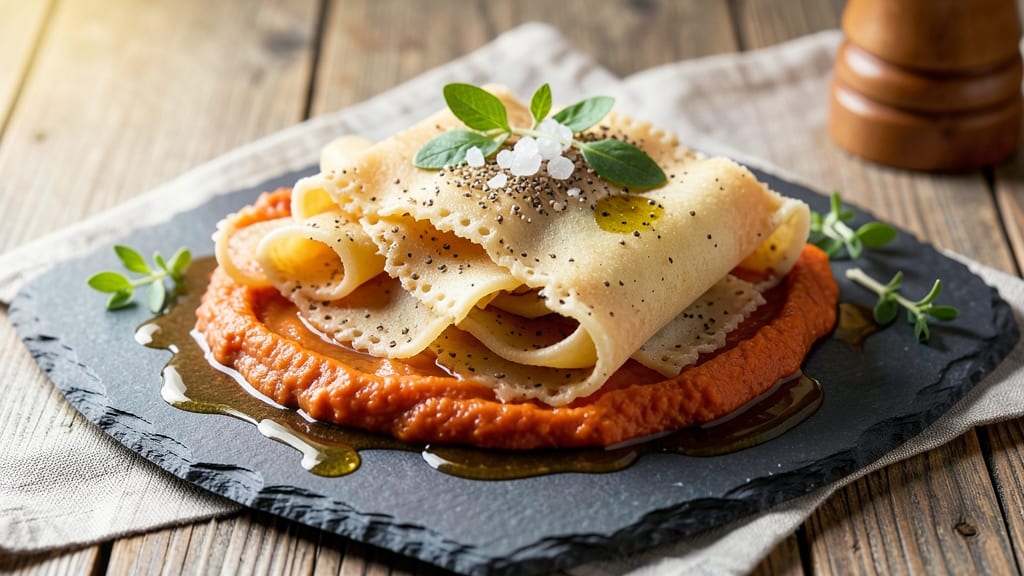
This sweet potato pasta dough recipe transforms humble sweet potatoes into a vibrant, gluten-free alternative that rivals traditional pasta in both texture and flavor. 🌟 The magic lies in blending roasted sweet potato puree with simple ingredients like flour and water—no kneading required—to create a dough that's naturally sweet, slightly nutty, and surprisingly sturdy.
Perfect for those seeking a wholesome, plant-based twist on Italian classics, this dough yields tender fettuccine, delicate lasagna sheets, or even chewy gnocchi.
The beauty of this recipe is its foolproof simplicity—just roast, puree, mix, and shape. The sweet potato adds natural sweetness and a velvety texture, while the addition of aquafaba or flaxseed (optional) enhances elasticity for easier handling.
Unlike store-bought gluten-free pasta, this version delivers a richer mouthfeel and a deeper flavor profile, making it ideal for hearty sauces like vegan tomato or creamy pesto.
What sets this dough apart is its versatility—use it as a base for lasagna, twist it into noodles, or cut it into gnocchi for a comforting side. The natural sweetness pairs beautifully with savory toppings, balancing rich sauces without overpowering them.
Whether you're gluten-sensitive, plant-based, or simply craving something new, this dough delivers restaurant-quality results with minimal effort.
Ready in under 30 minutes (plus roasting time), this recipe is a game-changer for weeknight dinners or special occasions. The dough keeps well in the fridge for up to 3 days, so you can prep ahead and enjoy fresh pasta whenever inspiration strikes. Let’s get cooking!
Ingredients for sweet potato pasta dough
Nine simple ingredients transform roasted sweet potatoes into gluten-free pasta dough with restaurant-quality texture.
| Ingredient | Amount | Notes |
|---|---|---|
| Orange Sweet Potatoes 🍠 | 2 lbs | Organic preferred, skin-on for texture |
| All-Purpose Flour 🌾 | 2 cups | Gluten-free blend for strict GF |
| Aquafaba 🥫 | ½ cup | From chickpea cans, optional for elasticity |
| Ground Flaxseed 🌰 | 2 tbsp | Mixed with 6 tbsp water for binding |
| Extra-Virgin Olive Oil 🫒 | 2 tbsp | Cold-pressed for optimal flavor |
| Salt 🧂 | 1 tsp | Fine sea salt for seasoning |
| Nutritional Yeast 🧀 | 2 tbsp | For cheesy, umami depth |
| Water 💧 | ½ cup | Room temperature for smooth dough |
| Lemon Juice 🍋 | 1 tbsp | Freshly squeezed for brightness |
The sweet potatoes are the foundation—choose organic orange varieties (like Garnet or Jewel) for their natural sweetness and vibrant color. Whole Foods or local farmers markets often carry the best quality, but any grocery store's organic section will work. Roast them until tender but not mushy—you want a puree that's smooth yet still holds structure. For extra flavor, consider adding a pinch of cinnamon or nutmeg during roasting. The flour is critical: King Arthur's gluten-free blend is ideal, but any certified GF blend with xanthan gum will work for structural integrity.
No aquafaba? Replace with 1 tbsp cornstarch for similar binding properties, though texture may be slightly less elastic. Flaxseed can be omitted if you prefer, but it adds a lovely nutty depth. For the olive oil, California-grown brands like Corto or Primal Kitchen offer exceptional quality. Nutritional yeast isn't just for vegans—it adds a rich, cheesy flavor that pairs beautifully with the sweet potato's natural sweetness. If you can't find it, substitute with 1 tbsp white miso paste for umami, though the flavor profile will differ slightly.
Store the dough in an airtight container between layers of parchment paper to prevent sticking. Keeps in the fridge for 3 days or frozen for 3 months—perfect for meal prep. For best results, bring dough to room temperature before rolling. The lemon juice prevents browning and adds a subtle brightness that cuts through the dough's natural sweetness. If the dough feels too sticky, add 1 tbsp more flour; if too dry, incorporate 1 tsp water. This balance is key for achieving that perfect al dente texture.
Why You'll Love This Recipe
- No Boil, No Stress: I peel and steam the sweet potatoes while I chop the garlic—no pasta pot, no waiting. The dough comes together with just flour, aquafaba, and a splash of olive oil, so silky you’d never guess it’s vegan.
- Sweet & Earthy Magic: That caramelized sweet potato flavor? It’s like a hug in dough form. The flaxseed adds a nutty depth, and the olive oil keeps it rich—no blandness here, just pure, satisfying taste.
- Meal Prep MVP: Roll it out fresh or freeze the dough for later—no texture loss, I promise. Toss it with marinara for dinner or bake it into flatbreads for lunch. Honestly, it’s my go-to when I’m tired of the same old pasta.
- Budget-Friendly Flex: Sweet potatoes and flour won’t break the bank, and aquafaba (chickpea brine) is free if you’re canning. Stretch it into two meals, or save the scraps for fries—zero waste, all flavor.
Step-by-step instructions for sweet potato pasta dough
Here's how to transform vibrant sweet potatoes into a gluten-free pasta dough with perfect texture and elasticity.
🍳 Step 1: Roast Sweet Potatoes Until Caramelized
Preheat your oven to 400°F. Pierce the 2 lbs orange sweet potatoes with a fork and place them directly on the oven rack or a baking sheet. Roast for 45-50 minutes until they yield easily to pressure and develop caramelized edges. The flesh should be soft enough to mash completely with a fork.
This roasting method concentrates the natural sweetness and creates a smooth, vibrant base for your dough. I like to leave the skins on during roasting—they protect the flesh from drying out. Once roasted, let the potatoes cool slightly before peeling and mashing. You'll need about 2 cups of mashed sweet potato for this recipe.
👨🍳 Step 2: Prepare Flaxseed Egg and Whisk Dry Ingredients
In a small bowl, combine the 2 tbsp ground flaxseed with 6 tbsp water (not included in your ingredients list but required for the flaxseed egg). Let this mixture sit for 5 minutes until it thickens into a gel-like consistency—this will serve as your binding agent. In a separate bowl, whisk together the 2 cups all-purpose flour, 2 tbsp nutritional yeast, and 1 tsp salt.
The flaxseed egg mimics the binding properties of traditional eggs while keeping this recipe vegan-friendly. The nutritional yeast adds that signature cheesy, umami depth that makes this dough taste extraordinary. I find it's best to measure the flour by scooping and leveling—don't pack it down or you'll end up with a denser dough.
🥘 Step 3: Combine Wet Ingredients for Smooth Dough
In a large mixing bowl, combine the cooled mashed sweet potatoes, 2 tbsp extra-virgin olive oil, 0.5 cup room temperature water, 0.5 cup aquafaba, and 1 tbsp lemon juice. Mix vigorously until completely smooth—you should have a thick, vibrant orange puree. The aquafaba adds elasticity, while the lemon juice brightens the natural sweetness of the sweet potatoes.
Here's the thing—this is where the magic happens. The aquafaba might look weird to use, but it creates that perfect chewiness in gluten-free pasta. If your mixture looks too thick, add 1 tablespoon of water at a time until it reaches a pudding-like consistency. The dough should be smooth enough to pipe but still hold its shape when pressed.
🍳 Step 4: Incorporate Dry Ingredients and Knead
Gradually add the dry ingredient mixture to the wet ingredients while stirring with a wooden spoon. Once combined, transfer the dough to a clean work surface and knead for 5-7 minutes until smooth and elastic. If the dough feels too sticky, add 1 tablespoon of flour at a time until it becomes pliable but not crumbly.
This kneading step is crucial for developing the gluten-free dough's structure. I like to use my hands for this part—it's more tactile and helps me feel when the dough reaches the right consistency. The final dough should be soft, slightly tacky, and smooth to the touch. If it's too stiff, add a little more water; if too sticky, add a bit more flour. Wrap the dough in plastic wrap and let it rest at room temperature for 30 minutes.
⏰ Step 5: Roll and Cut for Perfect Pasta
After resting, divide the dough into 4 equal portions (about ½ lb each) and roll each portion through a pasta machine set to the widest setting. Fold the sheet in thirds and repeat this process 3-4 times before gradually decreasing the machine settings by one notch each time. You're aiming for sheets about ⅛-inch thick—this ensures your pasta cooks evenly without becoming mushy.
For fettuccine or tagliatelle, cut the sheets through the pasta machine's spaghetti cutter. For other shapes, use a sharp knife or pasta cutter. If the dough feels too dry during rolling, lightly dampen your hands and the machine rollers with water. The pasta should hold its shape when cut but still be pliable. Cook immediately or dry on a floured surface for 2-3 hours before storing in an airtight container.
Pro Tips For Making Sweet Potato Pasta Dough
- Boil Sweet Potatoes Until Fork-Tender: I learned this the hard way—undercooked sweet potatoes turn your dough gummy, and nobody wants that. Boil them until they collapse under light pressure from a fork (about 15-20 minutes), then mash while still warm. Cold potatoes release less starch and make the dough tougher.
- Whisk Aquafaba Until Stiff Peaks: This isn’t the prettiest method, but it’s the tastiest. Use a stand mixer or hand whisk to beat the aquafaba until it forms stiff peaks—like whipped cream. Skimp here, and your dough will lack structure. (Yes, even if you’re impatient like me.)
- Mix Flaxseed Early, Let It Bloom: Sprinkle the ground flaxseed over the warm sweet potato mash first, then add the flour. Let it sit for 2-3 minutes—this gives the flax time to absorb moisture and bind properly. I skip this when I’m lazy, but the dough is noticeably better when I don’t.
- Knead Just Until Smooth: Overworking the dough makes it tough and chewy. Once the ingredients come together, knead by hand for 3-4 minutes until it’s no longer sticky—just smooth. No need to go full bread-maker on this; it’s not rising.
Perfect pairings for this sweet potato pasta dough
Savory Sauce Pairings
This sweet potato dough pairs beautifully with vegan tomato sauce—simmer 1 can (28 oz) crushed tomatoes, 3 garlic cloves, 1 tsp dried oregano, and ½ tsp red pepper flakes for 20 minutes. The natural sweetness of the dough balances the acidity perfectly.
For a creamy option, blend ½ cup cashews with 1 cup unsweetened almond milk, 2 tbsp nutritional yeast, and 1 tbsp lemon juice until smooth. 🍅
Herb-Infused Oil Drizzles
Finish your dish with a garlic-herb oil—heat ¼ cup extra-virgin olive oil with 2 minced garlic cloves, 1 tbsp fresh basil, and 1 tsp dried thyme until fragrant. Drizzle over cooked pasta for a bright, aromatic finish.
For a spicy kick, add ½ tsp crushed red pepper flakes to the oil. This simple step elevates the dish without overpowering the sweet potato's natural flavor.
Roasted Veggie Toppings
Toss roasted vegetables like zucchini, bell peppers, and cherry tomatoes with 1 tbsp balsamic glaze and ½ tsp smoked paprika for a colorful, flavorful topping. The caramelized edges add texture, while the sweetness of the roasted veggies complements the dough's natural sweetness.
I love adding ¼ cup toasted pine nuts for crunch and a nutty contrast. 🥕
Protein Additions
For a complete meal, stir-fry crispy chickpeas (toss 1 can chickpeas with 1 tbsp olive oil and ½ tsp cumin, then bake at 400°F for 20 minutes) or pan-sear tofu cubes with 1 tbsp soy sauce and 1 tsp maple syrup.
The protein adds heartiness, while the sweet and savory flavors create a balanced dish. For a quick option, top with marinated white beans for instant texture and flavor.
Creamy Cheese Alternatives
Skip dairy with vegan ricotta—blend 1 cup soaked cashews, ¼ cup lemon juice, and 1 tbsp nutritional yeast until smooth. Dollop onto pasta before serving for a creamy, tangy contrast.
For a sharper flavor, mix in 1 tsp Dijon mustard or crumbled vegan feta. The acidity cuts through the sweetness, making each bite more dynamic. 🧀
Sweet & Tangy Finishes
Balance the dish with a sweet-tangy glaze—simmer 2 tbsp maple syrup with 1 tbsp apple cider vinegar and ½ tsp vanilla extract for 5 minutes. Drizzle lightly over pasta for a subtle sweetness that enhances the dough's natural flavor.
For a smoky twist, add ¼ tsp liquid smoke to the glaze. This finish is especially effective with earthy toppings like mushrooms or walnuts.
Nutrition facts
Frequently asked questions
Can I substitute sweet potatoes with regular potatoes?
Sweet potatoes are essential for this recipe—they provide natural sweetness and a vibrant color that regular potatoes lack. However, you could try using orange-fleshed potatoes (like Yukon Gold) in a pinch, though the flavor and texture will differ. The natural sugars in sweet potatoes also caramelize beautifully during roasting, creating a richer base for the dough.
Why does my dough feel too sticky or dry?
Sticky dough needs 1 tbsp more flour at a time until pliable, while dry dough requires 1 tsp water or a dampened cloth between rolling. The ideal consistency should be soft but not wet—think of it like playdough. If the dough cracks while rolling, it's too dry; if it sticks excessively, it needs more flour.
How do I make this dough gluten-free?
Use a gluten-free all-purpose flour blend (with xanthan gum) instead of regular flour. The recipe already works well for gluten-free diets—just ensure your flour substitute has proper binding properties. Test small batches first, as different blends behave differently during rolling.
Can I make this dough ahead of time?
Wrap the dough tightly in plastic wrap and refrigerate for up to 3 days or freeze for 3 months. Let it sit at room temperature for 30 minutes before rolling. For best texture, avoid freezing rolled pasta—make fresh or dry it completely before freezing.
What's the best way to cook this pasta?
Boil in salted water for 2-3 minutes (fresh) or 4-5 minutes (dried). Test for doneness by tasting—it should be tender but still hold its shape. Avoid overcooking, as sweet potato pasta can become mushy. Reserve ½ cup pasta water to adjust sauce consistency.