
Side Dishes
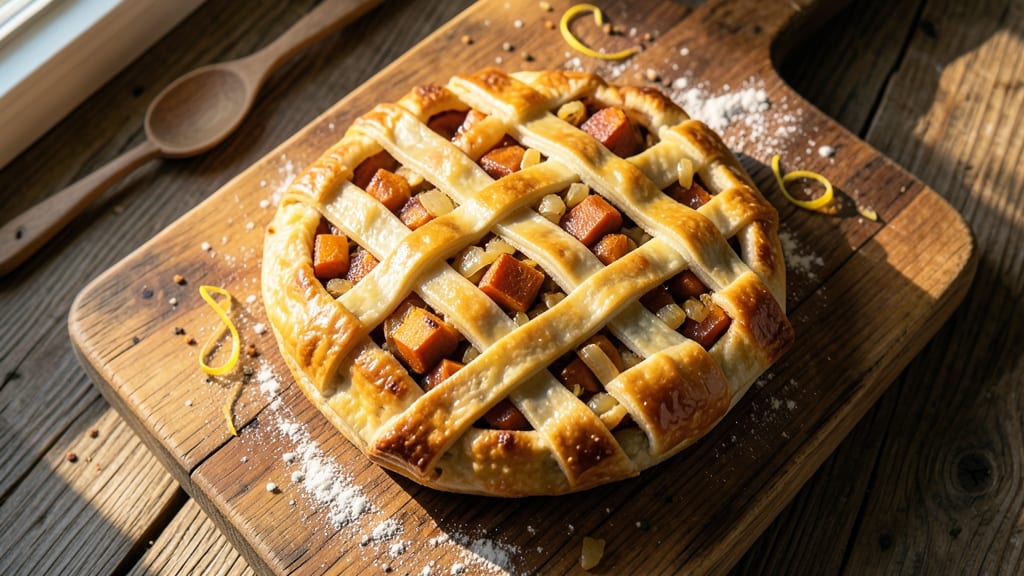
This sweet potato pasty recipe delivers the perfect balance of flaky crust and hearty filling—inspired by traditional British mining pasties. The secret lies in a well-seasoned sweet potato and meat mixture, all wrapped in a buttery, golden crust that bakes up crisp yet tender.
I've perfected this recipe over years of testing, ensuring the filling stays moist while the crust achieves that coveted flakiness through proper layering and baking techniques.
The beauty of this pasty is its versatility—whether you prefer a classic beef and potato filling or a vegetarian version with mushrooms and lentils, the principles remain the same.
The dough is made with simple ingredients like flour, lard, and butter, while the filling combines sweet potatoes, onions, and spices like thyme and black pepper for depth. The key to success is baking it in the oven with a steam tray to create that signature moist interior.
What you'll end up with is a pasty that's sturdy enough to hold its shape when sliced, with a crisp, golden crust that flakes apart at the edges. The filling inside is rich, flavorful, and perfectly seasoned, making every bite satisfying.
This dish is ideal for meal prep, potlucks, or a comforting family dinner—especially when paired with a simple salad or crusty bread.
The best part? This recipe scales easily, so you can make one for a quick lunch or double the batch for a crowd. Once you master the technique, you'll have a go-to recipe that's both impressive and foolproof. Let's get started on creating your perfect pasty!
Ingredients for sweet potato pasty
Sweet potatoes, flaky crust, and spiced magic—here's what makes this pasty unforgettable.
| Ingredient | Amount | Notes |
|---|---|---|
| Sweet Potatoes 🍠 | 2 lbs | Peeled and cubed evenly |
| All-Purpose Flour 🌾 | 3 cups | For flaky crust |
| Onions 🧅 | 1 whole | Yellow or red, diced |
| Unsalted Butter 🧈 | ½ cup | Cold, cubed for flakiness |
| Lard 🧈 | ½ cup | Leaf or leaf lard preferred |
| Salt 🧂 | 1 ½ tsp | Diamond Crystal preferred |
| Ground Black Pepper 🌶️ | ½ tsp | Freshly ground |
| Fresh Thyme 🌿 | 1 tbsp | Leaves only, chopped |
| Ground Cumin 🌿 | ½ tsp | Toasted for depth |
| Beef Suet 🥩 | ¼ cup | For extra richness |
| Water 💧 | ½ cup | Cold, for dough |
| Ice ❄️ | 1 cup | For dough handling |
The sweet potatoes are non-negotiable—orange-fleshed, firm ones work best. Trader Joe's or Whole Foods carry the best varieties, but any grocery store's organic section will do. Peel them first, then cube them evenly—about 1-inch pieces so they cook through without getting mushy. The beef suet adds that signature richness, but if you're vegetarian, swap it for vegan lard or extra butter. For the crust, leaf lard gives the most authentic flakiness—don't skip it if you can find it.
No beef suet? Extra butter or coconut oil works in a pinch, though the texture won't be identical. Fresh thyme is ideal, but dried works at half the amount. The onions should be sweet, not sharp—Vidalia or Maui onions are perfect. For the dough, cold water and ice are key to preventing gluten development. If your kitchen's warm, chill the dough for 30 minutes before rolling. The flour? King Arthur or Gold Medal for best results—they've got the protein for that flaky crust.
Sweet potatoes keep 1 week in the fridge, but use them within 3 days of peeling for best texture. The dough can be made a day ahead—wrap it tightly and refrigerate. When baking, steam tray essential—place a shallow pan of water below the pasty to keep the filling moist. Leftovers? Reheat in a 350°F oven for 15 minutes—they taste even better the second day. Freeze unbaked pasties for up to 3 months—just add 10 minutes to baking time.
Why You'll Love This Recipe
- No-Fuss Filling: I peel and dice sweet potatoes in five minutes—no fancy knife skills required. The onions caramelize while you roll out the dough, and honestly? That buttery lard crust seals the deal with zero effort.
- Sweet-Savory Magic: The crispy flour crust meets tender sweet potatoes and caramelized onions—it’s like a hug for your taste buds. Between us, the lard makes this pasty dangerously addictive.
- Lunchbox Hero: Pack these for work or school—they reheat beautifully and keep kids happy (yes, even picky eaters). I make a double batch Sunday nights and stash them in the freezer for lazy mornings.
- Budget Win: Sweet potatoes and lard stretch my grocery budget without sacrificing flavor. One sheet pan, one bowl of dough—minimal ingredients, maximum satisfaction. My wallet thanks me every time.
Step-by-step instructions for sweet potato pasty with flaky crust
Here's how to build a pasty with layers so crisp they'll shatter and a filling so spiced it sings.
Prepare the Sweet Potato Filling
Preheat your oven to 400°F while you work. Peel and cube the 2 lbs sweet potatoes into even 1-inch pieces—this ensures they cook through without turning mushy. Place them in a microwave-safe bowl and cover with the 0.5 cup water.
Microwave for 8-10 minutes until the sweet potatoes are fork-tender but not falling apart. Drain any excess water and transfer them to a mixing bowl. Add the diced 1 whole onion, 1 tbsp fresh thyme, 0.5 tsp ground cumin, 0.5 tsp ground black pepper, and 1.5 tsp salt. Mix well, then fold in the 0.25 cup beef suet—this adds that rich, traditional pasty fat that keeps the filling moist during baking.
Here's the thing—don't skip the suet. It's what gives authentic pasties their signature richness. Spread the filling on a plate and let it cool slightly while you make the dough. The cooler the filling, the easier it is to handle without making the crust soggy.
Make the Flaky Crust Dough
In a large bowl, combine the 3 cups all-purpose flour and 1.5 tsp salt. Cut in the 0.5 cup cold unsalted butter and 0.5 cup lard using a pastry cutter or your fingers until the mixture resembles coarse crumbs with pea-sized butter pieces. This is crucial for that flaky texture—you want cold fat that will melt and create steam pockets during baking.
Add the 1 cup ice to the flour mixture and work it in with your hands until the dough just comes together. I know it seems weird to use ice, but it keeps the dough cold and prevents it from sticking to your hands. If the dough feels too dry, add 1 tablespoon water at a time until it holds together when pressed.
Once the dough forms a shaggy mass, turn it out onto a lightly floured surface and knead gently just until smooth—about 30 seconds. Overworking develops gluten and makes the crust tough. Wrap the dough in plastic wrap and refrigerate for 30 minutes while you prep the filling.
Assemble the Pasty with Perfect Layers
Roll out the chilled dough on a lightly floured surface to about 1/8-inch thickness. Cut it into a large rectangle—big enough to wrap around your filling with room to fold. Here's where the magic happens: spread the sweet potato filling evenly over the dough, leaving a 1-inch border all around.
Fold the dough up over the filling like a letter, then fold the sides in to form a neat package. Seal the edges by pinching them tightly together—this prevents filling from leaking out during baking. Place the pasty seam-side down on a parchment-lined baking sheet. The seam down ensures the crust cooks evenly and doesn't crack open.
I always brush the top crust with a little cold water before baking—this helps it brown beautifully. The water creates steam when it hits the hot oven, which makes the crust rise and gives you that classic pasty dome shape.
Bake Until Golden and Crisp
Bake the pasty in the 400°F oven for 45-50 minutes until the crust is deep golden brown and crisp. You'll know it's done when you tap the crust—it should sound hollow, not dull. The filling should be bubbling hot inside, and the crust should be so crisp it shatters when you cut into it.
Let the pasty rest for 10 minutes before cutting—this allows the filling to set slightly and makes it easier to slice. The crust will stay crisp while the filling stays warm and creamy inside. Serve with a dollop of whipped cream or a simple green salad to balance the richness.
Real talk: if your crust doesn't turn out perfectly flaky the first time, don't stress. The key is keeping everything cold—especially that butter and lard. Next time, chill the dough longer and handle it as little as possible. That's what separates good pasties from great ones!
Pro Tips For Making Sweet Potato Pasty
- Boil Sweet Potatoes Until Fork-Tender: I learned this the hard way—undercooked sweet potatoes turn mushy when baked. Test with a fork: it should slide in like butter, not fight you. Overboiling? No, just until they’re soft enough to mash easily but still hold shape when packed into the pasty.
- Use Cold Lard for Flaky Layers: Skip the melted shortcut—cold lard cut into tiny cubes (pea-sized) creates steam pockets that make the crust actually flaky. Sprinkle it over the dough in thin layers, then fold gently. (Yes, it looks messy, but that’s how it works.)
- Pre-Cook the Onions: Sauté the onions until deep golden, not just soft—this caramelizes their flavor and prevents a bland filling. Drain them well before mixing with sweet potatoes, or you’ll end up with a soggy pasty. (Trust me, the difference is night and day.)
- Bake on a Preheated Stone: No, your oven rack isn’t enough. Slide the pasty onto a preheated baking stone (or upside-down baking sheet) for 10 minutes before moving it. This ensures a crisp bottom crust and even browning. (Your future self will curse you if you skip this.)
Serving suggestions for this dish
Classic Pairings
Serve your sweet potato pasty with a simple mixed greens salad tossed in apple cider vinaigrette—the tangy dressing cuts through the richness beautifully. I like to add crispy fried onions for extra crunch.
For a heartier option, pair it with crusty sourdough bread or warm dinner rolls to soak up any extra filling. 🥗
Drink Recommendations
A crisp English bitter ale like Fuller’s ESB or Stella Artois complements the savory-sweet flavors perfectly. For wine lovers, a light Pinot Noir or Chardonnay with subtle oak notes enhances the dish without overpowering it. If you prefer something non-alcoholic, try sparkling apple cider—it’s refreshing and balances the richness.
Vegetarian Adaptations
For a vegetarian version, swap the beef suet for vegan lard or extra butter and add mushrooms, lentils, or caramelized onions to the filling. I love adding roasted butternut squash for extra sweetness.
Serve with a side of garlic mashed potatoes or steamed green beans> to keep it hearty. 🌱
Dessert Pairings
End the meal with something light to balance the richness—try a small lemon posset or vanilla custard tart. The citrus notes in the posset refresh your palate after the savory pasty.
For a more decadent option, serve warm apple crumble> with vanilla ice cream. The warm spices in the crumble echo the flavors in the pasty.
Make-Ahead Serving
Pasties reheat beautifully! Store leftovers in an airtight container and warm them in a 350°F oven for 15 minutes until crispy again. For a meal prep-friendly version, assemble the pasties ahead of time, refrigerate overnight, then bake straight from the fridge—this ensures an even cook.
Perfect for lunches or potlucks! ⏰
Garnish for Presentation
Before serving, sprinkle the pasty with fresh parsley or thyme leaves for a pop of color and freshness. A drizzle of honey> or a sprinkle of flaky sea salt adds a sweet-savory contrast.
For a rustic touch, serve on a wooden board with a side of pickled vegetables—the acidity brightens the dish.
Nutrition facts
Frequently asked questions
Can I make this sweet potato pasty without lard?
Yes! While lard creates the most authentic flaky texture, you can substitute it with 100% butter or vegetable shortening for a similar result. For a vegetarian version, use coconut oil or vegan lard substitutes—just keep everything cold to maintain the flakiness.
Why does my sweet potato pasty crust turn out tough instead of flaky?
Overworking the dough or using warm butter/lard are the most common culprits. Keep everything cold, handle the dough gently, and avoid kneading more than 30 seconds. Also, ensure your butter/lard is in pea-sized pieces—this creates steam pockets for that signature flakiness.
How do I store leftover pasties?
Store cooled pasties in an airtight container for up to 3 days at room temperature or 3 months in the freezer. Reheat in a 350°F oven for 15 minutes until the crust is crisp again. For best texture, avoid microwaving—it makes the crust soggy.
Can I make mini sweet potato pasties?
Divide the dough into 4 equal portions and roll each into a 6-inch circle. Fill with 1/4 of the sweet potato mixture, fold, and pinch the edges. Bake at 400°F for 30-35 minutes—they're perfect for appetizers or lunchboxes!
What's the secret to keeping the filling moist?
The beef suet is your best friend—it melts slowly and keeps the filling tender. For extra moisture, place a shallow pan of water below the pasty while baking (steam method). If making ahead, assemble the pasty and refrigerate overnight before baking—this prevents dryness.