
Side Dishes
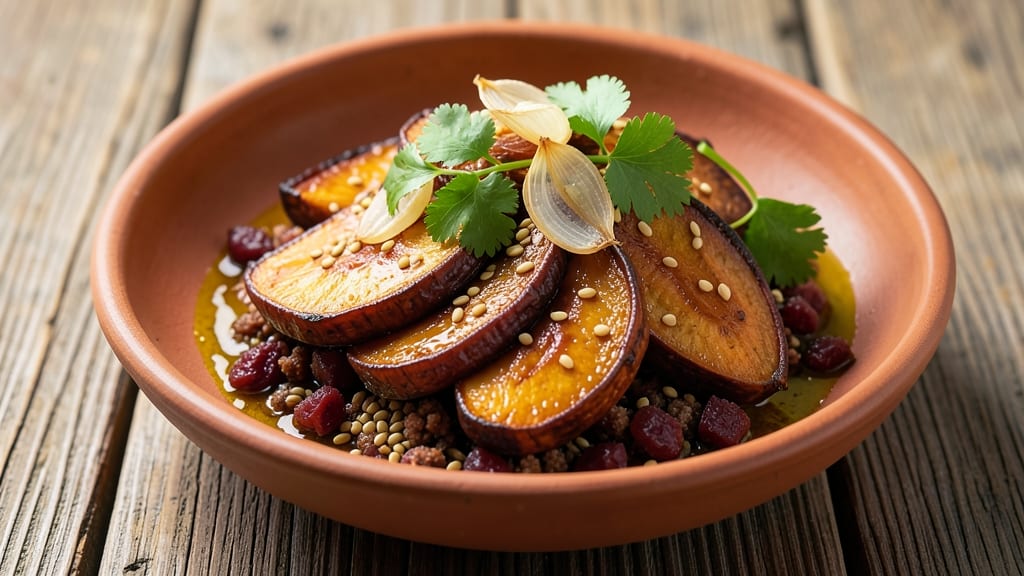
This sweet potato pickle recipe transforms humble sweet potatoes into a tangy-sweet crunch that bridges traditional fermented flavors and modern convenience. The magic lies in a simple brine of mustard seeds, turmeric, and asafoetida that preserves the natural sweetness while adding depth without vinegar.
I first discovered this technique while adapting Indian kandangari methods for home fermentation, and it’s become a staple in my pantry—versatile enough for snacks, salads, or even sandwiches.
The process is straightforward: thinly slice sweet potatoes, soak them in a warm, spiced brine for 24 hours, then transfer to jars for fermentation. The result is a dish that’s crisp-tender, with a bright, slightly sour flavor that pairs beautifully with rich meats or creamy dips.
Unlike traditional pickles, this version relies on natural fermentation, making it lighter and more digestible while still delivering that satisfying crunch.
What makes this recipe stand out is its adaptability—add chili flakes for heat, a touch of jaggery for extra sweetness, or fresh herbs for brightness. It’s vegetarian by default but can easily accommodate pescatarian diets by pairing with smoked fish or seafood.
The best part? These pickles improve with time, developing deeper flavors as they sit in the fridge for weeks.
Perfect for meal prep or gifting, this recipe delivers restaurant-quality results with minimal effort. Whether you’re serving it as a side or snacking straight from the jar, the contrast of sweet and tangy will elevate any meal. Let’s get started!
Ingredients for sweet potato pickle
Transform humble sweet potatoes into vibrant, tangy-sweet pickles with these carefully balanced ingredients.
| Ingredient | Amount | Notes |
|---|---|---|
| Sweet Potatoes 🍠 | 2 lbs | Medium, peeled, thinly sliced |
| Mustard Seeds 🌶️ | 2 tbsp | Whole, yellow preferred |
| Turmeric Powder 🌿 | 1 tbsp | Freshly ground preferred |
| Asafoetida Powder 🧂 | ½ tsp | Mild, aromatic variety |
| Jaggery 🍯 | ½ cup | Grate finely for dissolution |
| Cumin Seeds 🌿 | 1 tbsp | Toasted for enhanced aroma |
| Red Chili Flakes 🔥 | 1 tsp | Adjust to heat preference |
| Fresh Fenugreek Leaves 🌿 | ¼ cup | Chopped, optional for brightness |
| Fresh Coriander Leaves 🌿 | ¼ cup | Chopped, for freshness |
| Salt 🧂 | 1 ½ tbsp | Non-iodized preferred |
| Water 💧 | 2 cups | Filtered or boiled and cooled |
| Lemon Juice 🍋 | 2 tbsp | Freshly squeezed |
The sweet potatoes are the foundation—choose firm, medium-sized roots with vibrant orange flesh for optimal texture and sweetness. Whole Foods or local farmers' markets often carry heirloom varieties with richer flavors. Thinly slice them 1/8-inch thick using a mandoline for evenness, which ensures consistent fermentation. For the spices, Penzeys Spices or bulk bins at Indian grocery stores are ideal sources for authentic asafoetida and turmeric. Look for yellow mustard seeds (they’re milder than brown) and toast the cumin seeds in a dry pan for 30 seconds until fragrant—this enhances their aroma significantly.
No asafoetida? Garlic powder at half the amount provides a similar depth, though it lacks the umami punch. Substitute jaggery with equal parts brown sugar if unavailable, though it won’t caramelize the same way. For heat, substitute cayenne pepper at one-third the amount of chili flakes. Fresh herbs can be swapped for dried oregano or basil at one-fourth the quantity, but they won’t offer the same brightness. The lemon juice is critical—it kickstarts fermentation and balances the sweetness. If you’re short, white vinegar at half the amount works in a pinch, though it alters the flavor profile slightly.
Prep the sweet potatoes immediately after slicing to prevent browning. Store the sliced pieces in a colander submerged in ice water until ready to use. The brine should be room temperature when mixed to encourage even fermentation. Transfer the pickles to sterilized glass jars with 1-inch headspace—this prevents mold growth. Seal loosely with lids and ferment at room temperature for 24 hours, then refrigerate. These pickles peak in 3-5 days but stay crisp for up to 3 weeks in the fridge. Freeze extras in ice cube trays for quick snacking later.
Why You'll Love This Recipe
- No-Fuss Prep: I swear by this recipe because it’s the kind of thing you can start at 7:30 PM and still have dinner ready by 8. Peel and dice the sweet potatoes while the water boils—no fancy techniques, just simple simmering with jaggery until they’re tender. Honestly, the hardest part is waiting for the mustard seeds to pop.
- Sweet-Savory Magic: That first bite? The jaggery caramelizes into the sweet potatoes, while the turmeric and asafoetida add this warm, earthy depth that’s ridiculously addictive. It’s not sweet like candy—it’s rich, tangy, and just spicy enough to linger.
- Lunchbox Hero: Between us, this pickle is my go-to for meal prep. Pack it in small jars or containers, and it stays fresh for a week—perfect for lunches, snack attacks, or even as a side when you’re too tired to cook. My kids grab it before school, and my husband sneaks it at his desk.
- Budget Stretch: Sweet potatoes and jaggery are cheap, but they feel like a treat. A single batch feeds four for days, and the spices (especially turmeric and mustard seeds) go a long way. Not the prettiest, but the taste makes up for it—every penny spent is worth it.
Step-by-step instructions for sweet potato pickle
Transform humble sweet potatoes into a vibrant, tangy-sweet pickle without vinegar—just precise technique and layered flavors.
👨🍳 Step 1: Prepare the Sweet Potatoes and Spice Base
Peel the 2 lbs sweet potatoes and slice them into ¼-inch thick rounds. For even cooking, I recommend using a mandoline for consistent thickness. Soak the slices immediately in the 2 cups cold water for 15 minutes—this removes excess starch and prevents mushiness during cooking.
In a small dry skillet, toast the 1 tbsp cumin seeds over medium heat for 2 minutes until fragrant and golden. Remove from heat and let cool for 1 minute—this enhances their aroma. In a mortar and pestle, crush the toasted cumin seeds lightly to release their oils without turning into powder. This creates depth without overpowering the sweet potatoes.
🍳 Step 2: Cook the Sweet Potatoes with Spices
Drain the sweet potato slices thoroughly and transfer them to a heavy-bottomed pot. Add the toasted cumin seeds, 1 tbsp turmeric powder, 0.5 tsp asafoetida powder, 1.5 tbsp salt, and 1 tsp red chili flakes. Gently toss to coat evenly—this ensures every slice absorbs the warm spices.
Add just enough water to barely cover the sweet potatoes (about ½ cup). Bring to a gentle simmer over medium-low heat and cook uncovered for 10-12 minutes until the slices are tender but still hold their shape. The goal is al dente texture—you want slight resistance when pierced with a fork. Avoid overcooking, or they'll turn mushy.
🥘 Step 3: Build the Jaggery-Lemon Syrup
While the sweet potatoes cook, grate the 0.5 cup jaggery finely using a microplane or food processor. This creates a smooth, dissolvable texture that won't settle at the bottom. In a separate saucepan, combine the grated jaggery with the 2 cups water from soaking the potatoes (save this water—it's flavorful!).
Simmer over medium heat for 5-7 minutes until the jaggery dissolves completely and the mixture reduces slightly to 1½ cups. Stir in the 2 tbsp freshly squeezed lemon juice and let cool for 5 minutes. The syrup should be thick enough to coat the back of a spoon but still pourable. This balance of sweetness and acidity is what makes this pickle uniquely tangy.
⏰ Step 4: Assemble and Ferment the Pickle
Drain the cooked sweet potatoes thoroughly and transfer them to a clean, sterilized glass jar. Pour the warm jaggery-lemon syrup over the hot sweet potatoes, pressing down gently to submerge all slices. Add the chopped 0.25 cup fresh fenugreek leaves and 0.25 cup fresh coriander leaves, distributing them evenly throughout.
Cover the jar loosely with a lid (not airtight) and let it ferment at room temperature for 24 hours. This step develops the pickle's signature tang without vinegar. After 24 hours, transfer the jar to the refrigerator. The pickle will continue to develop flavor over 3-5 days, but it's ready to eat after just 48 hours. The longer it ferments, the more complex the flavors become.
🍽️ Step 5: Serve and Store
Before serving, give the jar a gentle shake to redistribute the flavors. The sweet potatoes should be tender yet retain their shape, with a glossy coating from the jaggery syrup. The color will be a vibrant orange with flecks of green from the herbs and subtle red from the chili.
Serve the pickle chilled as a side dish with meals like dosas, idlis, or grilled meats. It keeps in the refrigerator for up to 2 weeks, though I find it's best enjoyed within the first week when the flavors are most vibrant. The pickle's texture should be firm with a slight crunch, and each bite should deliver a perfect balance of sweet, spicy, and tangy notes.
Pro Tips For Making Sweet Potato Pickle
- BOIL TILL FORK-TENDER: Sweet potatoes need to be actually soft—no one likes crunchy bits in pickle. Test with a fork after 15 minutes of boiling; if it slides through like butter, they’re ready. Overcooking? They’ll turn to mush, and no one wants that sticky mess.
- TOAST THE MUSTARD: I used to just toss in raw mustard seeds, but toasting them in oil for 30 seconds until they pop like tiny firecrackers unlocks their flavor. Skimp here, and your pickle will taste flat—trust the sizzle.
- GRATE JAGGERY FINE: Jaggery lumps up like a stubborn child if you’re not careful. Pulse it in a blender for 10 seconds first, then grate—this ensures it dissolves smoothly into the oil. Lumpy jaggery = uneven sweetness.
- COOL BEFORE MIXING: Hot sweet potatoes + jaggery = instant sugar rush and a sticky disaster. Let the boiled potatoes cool to room temp before tossing them with the spice mix. Your future self will thank you when the pickle doesn’t turn into glue.
Wine and beer pairings for sweet potato pickle
Crisp White Wine
A dry Riesling from Germany is my go-to pairing for these pickles—its bright acidity and subtle honeyed notes mirror the jaggery sweetness while cutting through the spice. Look for a Kabinett or Spätlese with 6-8% ABV to balance the pickle’s tang without overwhelming it.
I love Dr. Loosen Blue Slate for its crisp finish and mineral undertones. 🍷
Light Beer Options
For beer lovers, a Belgian Witbier like Hoegaarden or Stella Artois works beautifully—their citrusy coriander and peppery notes complement the fenugreek and chili in the pickle. Alternatively, a crisp American lager such as Miller Lite or Coors Light provides a neutral canvas that lets the pickle’s flavors shine.
Serve both chilled to enhance their refreshing qualities. 🍺
Spiced Rum Pairing
If you prefer spirits, a dark spiced rum like Diplomático Reserva Exclusiva adds warmth to the pickle’s tang. The rum’s caramel and cinnamon notes harmonize with the jaggery and cumin, while its alcohol content helps cleanse the palate between bites.
Sip it neat or on the rocks for a sophisticated contrast. 🥃
Herbal Tea Balance
For a non-alcoholic option, hibiscus tea with a splash of lemon is perfect—its tartness and floral notes echo the pickle’s brightness. Brew 2 tbsp dried hibiscus in 2 cups boiling water for 10 minutes, then strain and chill.
Add ice and a squeeze of lemon for a refreshing accompaniment. 🍵
Fruity Red Wine
A light-bodied Pinot Noir from Oregon, like La Crema, offers a surprising match—its red fruit flavors and silky tannins soften the pickle’s spice while its acidity keeps the palate lively.
Avoid heavy Cabernets or bold Zinfandels, as they’ll clash with the sweet-tangy profile. Decant for 15 minutes to let the wine breathe. 🍇
Nutrition facts
Frequently asked questions
Can I use regular potatoes instead of sweet potatoes?
Regular potatoes won't work well for this recipe. Sweet potatoes have a naturally sweeter, denser texture that holds up beautifully during fermentation. Regular potatoes would turn mushy and lack the signature sweet-tangy flavor.
How do I know when the pickles are properly fermented?
After 24 hours of room-temperature fermentation, the pickles should smell tangy and slightly sour (like yogurt). The color will deepen to a rich orange, and the syrup will bubble slightly. Once refrigerated, they're ready to eat after 48 hours, but flavors peak at 3-5 days.
What if I don't have jaggery? Can I substitute?
Yes! Use brown sugar or honey in equal amounts, though jaggery gives the best caramelized depth. For honey, reduce the water by ¼ cup since it's thicker. The syrup should still coat the back of a spoon when cooled.
Can I make this pickle spicier or milder?
For more heat, add ½-1 tsp extra chili flakes or a pinch of cayenne. For milder flavor, reduce chili to ½ tsp or omit it entirely. You can also add ½ tsp ginger powder for warmth without heat.
How do I store leftovers to keep them crisp?
Transfer pickles to an airtight container and store in the fridge for up to 2 weeks. To maintain crispness, leave ½ inch of syrup above the pickles in the jar. If they soften, reheat gently in the syrup for 5 minutes before serving.