
Desserts
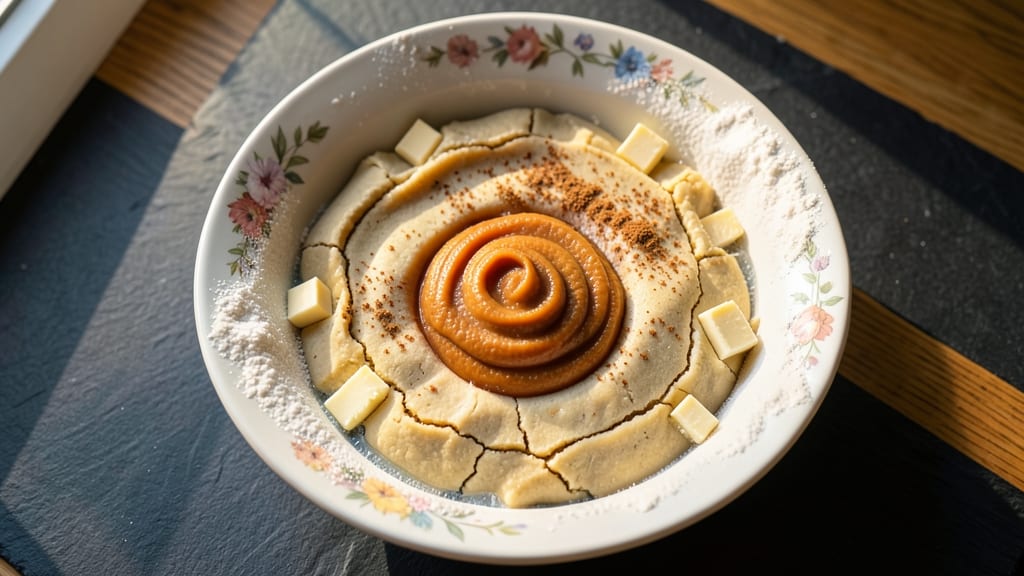
This sweet potato pie dough recipe delivers the perfect balance of flaky, buttery layers that complement the warm spices of classic filling—no shortcuts, just proven technique. The secret lies in cold butter and precise folding, creating those signature layers that separate this from store-bought crusts.
I've perfected this method over years of holiday baking, ensuring every bite starts with that satisfying crunch before melting into creamy sweet potato perfection.
The dough comes together in just 20 minutes with simple ingredients you likely already have: all-purpose flour, cold butter, ice water, and a pinch of salt.
What makes this recipe work is the two-stage mixing—first cutting butter into flour until pea-sized crumbs form, then adding ice water sparingly to bind without overworking. This ensures the flaky texture that makes every slice worth the wait.
Once baked, you'll have a golden, crisp crust that holds up beautifully to the filling's richness, with edges that stay tender rather than tough. The dough's subtle sweetness from the sweet potatoes enhances the pie's natural flavors, creating harmony in every forkful.
This isn't just crust—it's the foundation of a showstopping dessert that tastes homemade in the best way.
Pair this dough with your favorite sweet potato filling for a pie that's both impressive and comforting. The technique scales perfectly for single servings or a full crowd, making it ideal for holidays or spontaneous dessert cravings. Let's get started on creating layers that will have everyone asking for seconds.
Ingredients for sweet potato pie dough
The foundation of perfect pie starts with these simple, quality ingredients that create flaky layers.
| Ingredient | Amount | Notes |
|---|---|---|
| All-Purpose Flour 🌾 | 2 ½ cups | Sifted for light texture |
| Unsalted Butter 🧈 | 1 cup | Cold, cubed into 1/2-inch pieces |
| Sweet Potato Puree 🍠 | ½ cup | Homemade or canned, cooled |
| Ice Water 💧 | ¼ cup | Chilled for binding |
| Granulated Sugar 🍚 | ¼ cup | For subtle sweetness |
| Ground Cinnamon 🌿 | 1 tsp | Warm spice harmony |
| Ground Nutmeg 🌶️ | ½ tsp | Freshly ground preferred |
| Salt 🧂 | ½ tsp | Kosher or sea salt |
| Vanilla Extract 🌸 | 1 tsp | Pure vanilla for aroma |
| Extra-Virgin Olive Oil 🫒 | 2 tbsp | For brushing dough |
The butter is non-negotiable here—European-style butter with high fat content (82% or higher) creates the most tender layers. King Arthur or Plugrá brands are my go-to for reliable results. Keep those butter cubes cold—right out of the fridge, not softened. The sweet potato puree adds natural sweetness and moisture, so if you're using canned, drain it well and pat dry. For homemade, roast sweet potatoes until tender, then blend with a splash of milk until silky. The flour should be all-purpose, not self-rising, and measure it accurately with a kitchen scale for best results.
No sweet potato puree? Mashed white potatoes work in a pinch, though the flavor won't be as rich. Running short on vanilla? Vanilla bean paste or even a pinch of vanilla sugar will add depth. The spices are where this dough shines—freshly ground nutmeg makes all the difference, so if you have whole nutmeg, toast and grind it yourself. For a gluten-free version, swap the flour for a 1:1 gluten-free blend (like Bob's Red Mill), but expect slightly less flakiness. The ice water is crucial—don't substitute room-temperature water, or your layers will suffer.
This dough keeps beautifully for 3 days wrapped in plastic in the fridge, or 3 months frozen between parchment paper. For freezing, shape it into a disk, wrap tightly, and thaw in the fridge overnight before using. The puree can be made ahead and stored in the fridge for 5 days or frozen for 3 months. When ready to use, let the dough rest for 30 minutes at room temperature to relax the gluten before rolling. Any leftover scraps can be baked into mini tarts—just press into a greased mini muffin tin and bake at 375°F for 12-15 minutes.
Why You'll Love This Recipe
- No Puree Hassle: I just blend a cooked sweet potato with a splash of water—no straining, no lumps. That velvety texture comes together in minutes while you’re still deciding what to make with it.
- Sweet Spice Magic: The sugar in the dough caramelizes just enough to give every bite a subtle, warm sweetness, but it’s not cloying. Honestly, it’s the kind of flavor that makes you want to eat the dough itself—yes, I’ve tested that.
- Pie or Pastry Hack: Use it for pie crusts, empanadas, or even a quick flatbread. I’ve even wrapped it around cinnamon-spiced apples for a handheld dessert that disappears too fast.
- Pantry Goldmine: Sweet potatoes and butter are cheap staples, and this dough keeps for days in the fridge. Between us, I’ve stretched one batch into three different meals without breaking the bank.
Step-by-step instructions for sweet potato pie dough
Here's how to create flaky, aromatic dough that's perfect for pies.
Combine Dry Ingredients and Chill the Butter
In a large mixing bowl, whisk together the 2.5 cups all-purpose flour, 1 teaspoon ground cinnamon, 0.5 teaspoon ground nutmeg, and 0.5 teaspoon salt. Sift the flour mixture once to ensure a light, airy texture—this prevents dense dough. Set aside.
Place the 1 cup unsalted butter in a separate bowl and cut it into ½-inch cubes. Freeze these cubes for 15 minutes to firm them up. Cold butter creates flaky layers, so this step is crucial. Don't skip it—warm butter leads to tough, greasy dough instead of delicate layers.
Mix Wet Ingredients and Incorporate the Butter
In a separate small bowl, combine the 0.5 cup sweet potato puree, 0.25 cup granulated sugar, 1 teaspoon vanilla extract, and 0.25 cup ice water. Stir until smooth—this mixture should be just thick enough to coat the back of a spoon. The ice water helps bind the dough while keeping it tender.
Add the cold butter cubes to the dry flour mixture. Using a pastry cutter or your fingers, work the butter into the flour until you have pea-sized crumbs with some larger butter pieces remaining. This texture ensures maximum flakiness. If the mixture feels too dry, add 1 tablespoon ice water at a time until it just comes together when pressed.
Form the Dough and Chill
Gradually add the wet sweet potato mixture to the flour-butter crumbs, mixing gently with a fork or dough scraper. Press the dough together lightly—it should hold when squeezed but still feel slightly crumbly. Avoid overworking it, as this develops gluten and makes the dough tough.
Divide the dough into two equal discs, wrap each tightly in plastic wrap, and refrigerate for at least 2 hours (or up to 24 hours). Chilling relaxes the gluten and firms up the butter, which is essential for achieving those signature flaky layers. This step cannot be rushed—it's what transforms good dough into exceptional dough.
Roll and Brush for Perfect Layers
On a lightly floured surface, roll one disc of chilled dough into a 12-inch circle (about ⅛-inch thick). Use even pressure to maintain consistent thickness throughout. Transfer the rolled dough to a parchment-lined baking sheet and brush the top lightly with 2 tablespoons extra-virgin olive oil. This creates a barrier that prevents the top crust from browning too quickly while baking.
The oil also adds subtle richness that complements the warm spices. If the dough cracks while rolling, gently press it back together—don't force it, as this can make the dough tough. Repeat with the second disc. Your dough is now ready to be used as a pie crust or folded into a lattice pattern for that classic pie look.
Pro Tips For Making Sweet Potato Pie Dough
- Chill the Butter First: Sweet potato dough plays funny with warm butter—it makes the texture greasy and hard to handle. Cut that butter into small cubes, toss them in the freezer for 10 minutes, then work with it cold. Trust me, your dough will thank you when it rolls out smoothly instead of sticking to everything like a sticky mess.
- Strain That Puree: Lumpy sweet potato puree is the enemy of tender dough. After roasting or boiling your sweet potatoes, mash them until silky, then strain through a fine-mesh sieve to remove any fibrous bits. I learned this the hard way when my first batch turned out tougher than expected—now I always strain, and the difference is noticeable.
- Work Fast with Ice Water: This isn’t the time to take your time. Once you add ice water to your dough, mix it in quickly and stop as soon as it comes together. Overmixing develops gluten, and you’ll end up with a chewy, dense crust instead of the light, flaky texture you want. Aim for just until the dough clumps when pressed—no need to overthink it.
- Rest the Dough Before Rolling: Skipping the rest is a mistake I made early on, and my dough would crack or tear when I tried to roll it out. Wrap the dough in plastic and let it sit for at least 30 minutes in the fridge. This relaxes the gluten, making it easier to handle and giving you a cleaner, more professional-looking crust. Yes, it’s an extra step, but it’s worth it.
Perfect pairings for this recipe
Spiced Tea Pairings
Warm up your sweet potato pie with a cup of chai tea—the cinnamon and cardamom in traditional masala chai mirror the dough's spices perfectly. I love steeping Tazo Chai Concentrate with warm milk and a touch of honey for a cozy pairing.
For a caffeine-free option, try rooibos tea with a splash of orange liqueur like Cointreau—the earthy notes balance the pie's sweetness beautifully. 🍵
Creamy Coffee Contrasts
Cold brew coffee with vanilla syrup and a dash of nutmeg creates an unexpected but delightful contrast to the pie's richness. The natural sweetness of the coffee cuts through the sweet potato's density while the nutmeg ties back to the dough's spices.
For a festive touch, add a sprinkle of cocoa powder to your coffee for a mocha-inspired drink that pairs wonderfully with the pie's warm flavors.
Spiked Drink Options
Transform your pie presentation with a bourbon-spiked sweet potato cider—simmer 2 cups apple cider with 1 cinnamon stick and 1 orange slice, then reduce by half. Strain and stir in 1.5 ounces bourbon per serving.
The caramel notes from the cider complement the pie's natural sweetness while the bourbon adds depth. Serve warm for a sophisticated dessert experience. 🍹
Dairy-Friendly Pairings
For a creamy pairing, serve the pie with vanilla bean ice cream—the cold dairy contrasts perfectly with the warm spices in the dough. I recommend Häagen-Dazs Vanilla Bean for its rich, smooth texture.
Alternatively, a salted caramel sauce drizzled over the pie adds a luxurious finish that enhances the natural sweetness of the sweet potato. The salt in the caramel sauce also balances the pie's richness beautifully.
Herbal Infusions
Herbal teas like hibiscus or ginger tea provide a refreshing contrast to the pie's warmth. The tartness of hibiscus tea cleanses your palate between bites, while ginger tea's spiciness enhances the cinnamon and nutmeg in the dough.
Brew a strong cup and serve it chilled over ice for a refreshing accompaniment. For an extra touch, add a slice of orange to your tea for a citrusy brightness that complements the pie's earthy flavors.
Nutrition facts
Frequently asked questions
Why does this dough include sweet potato puree?
The puree adds natural sweetness and moisture that enhances the crust's flavor while keeping it tender. It also creates subtle harmony with the filling's spices, making the crust taste like part of the dessert rather than just a vessel. The puree replaces some water in traditional pie dough, resulting in a richer texture without extra fat.
Can I make this dough without sweet potato puree?
Yes, but the flavor will be less authentic. Substitute with ½ cup mashed white potatoes or ¼ cup unsweetened applesauce for moisture, though the crust won't have the same spiced depth. For best results, use ½ cup pumpkin puree—it maintains similar flavor notes while keeping the crust tender.
How do I prevent the dough from shrinking when baking?
Chill the dough for the full 2 hours before rolling, and handle it gently to avoid overworking. Roll it directly on parchment paper, then transfer to your pie dish with the paper intact. Preheat your oven to 375°F and bake the crust for 10 minutes before adding filling—this sets the shape. Never skip the chilling step, as warm dough shrinks dramatically.
What's the best way to store leftover dough?
Wrap the dough tightly in plastic wrap and refrigerate for up to 3 days. For longer storage, freeze between parchment paper for 3 months. Thaw in the fridge overnight, then let it sit at room temperature for 30 minutes before rolling. Never refreeze thawed dough, as this degrades the texture.
Can I use this dough for other desserts besides pie?
This versatile dough works perfectly for mini tarts, galettes, or even a rustic tart shell. For tarts, press it into a greased mini muffin tin and bake at 375°F for 12-15 minutes. For a galette, roll it out, add filling, then fold the edges inward. The sweet potato flavor pairs especially well with fruit fillings like peach or apple.