
Side Dishes
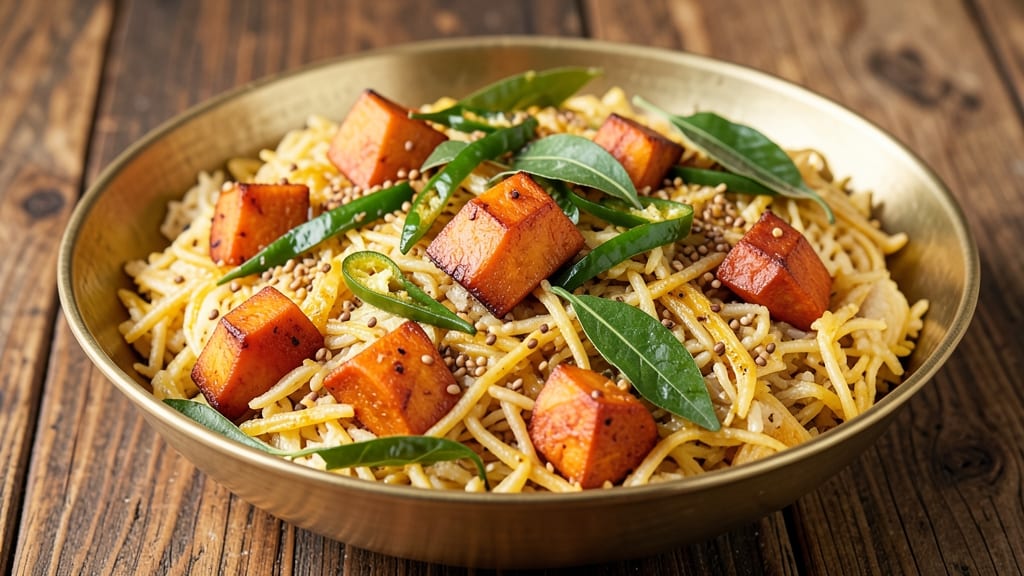
This sweet potato poha recipe transforms traditional flattened rice into a vibrant, textured dish where roasted sweetness meets aromatic spices. 🌟 The key lies in perfectly boiling the sweet potatoes until tender yet firm, then roasting them until caramelized—this simple step elevates the dish from ordinary to extraordinary.
The method preserves the poha's signature crunch while infusing it with warm, earthy flavors that balance sweet and savory perfectly.
What makes this recipe special is its adaptability—vegetarian-friendly yet rich enough to satisfy any palate. We'll temper the poha with mustard seeds, curry leaves, and turmeric for that signature Indian aroma, then fold in the roasted sweet potatoes for natural sweetness.
The result? A dish that's both comforting and sophisticated, perfect for breakfast, brunch, or even as a light lunch.
The beauty of this recipe is in its simplicity: no fancy techniques, just careful timing and layering of flavors. The sweet potatoes add a satisfying chewiness that contrasts with the delicate poha, while peanuts and green chilies provide crunch and heat.
Every bite delivers a harmonious blend of textures and tastes that will have you reaching for seconds.
Whether you're serving this as a standalone dish or pairing it with yogurt and pickles, the flavors develop beautifully as it sits. The roasted sweet potatoes keep their shape while soaking up the aromatic spices, creating a dish that's as visually appealing as it is delicious.
Let's bring this vibrant, spiced flatbread crunch to your table.
Ingredients for sweet potato poha
Here's what you need to turn simple poha into a vibrant, sweet-spiced masterpiece.
| Ingredient | Amount | Notes |
|---|---|---|
| Poha (Flattened Rice) 🍚 | 2 cups | Unsoaked, store-bought or homemade |
| Sweet Potatoes 🍠 | 1 ½ lb | Medium-sized, peeled and cubed |
| Mustard Seeds 🌿 | 1 tbsp | Whole, for tempering |
| Curry Leaves 🌿 | ¼ cup | Fresh, chopped (about 10-12 leaves) |
| Turmeric Powder 🌶️ | ½ tsp | Freshly ground preferred |
| Green Chilies 🌶️ | 2 whole | Slit lengthwise for heat |
| Peanuts 🥜 | ¼ cup | Roasted, chopped (unsalted) |
| Coconut Oil 🫒 | 3 tbsp | For roasting and tempering |
| Salt 🧂 | 1 tsp | Adjust to taste |
| Lemon Juice 🍋 | 1 tbsp | Freshly squeezed |
| Ghee 🧈 | 1 tbsp | For finishing (optional) |
| Fresh Cilantro 🌿 | ¼ cup | Chopped, for garnish |
| Yogurt 🥛 | ½ cup | Plain, for serving (optional) |
The sweet potatoes are the star here—look for firm, vibrant orange ones at the grocery store, not the sad shriveled kind. Trader Joe's or Whole Foods usually have the best selection. Poha should be the thin, flat variety—not the thick, puffed rice. If you can't find it, most Indian grocery stores sell it in bulk. The peanuts? Buy them raw and roast them yourself—store-bought roasted ones taste bland. Curry leaves are the magic ingredient—if you can't find fresh ones, dried work at half the amount, but they won't have the same aroma.
No curry leaves? Dried thyme at one-third the amount gives a similar earthy note. Short on peanuts? Cashews or almonds work great—just toast them first. The sweet potatoes can be roasted ahead and stored in the fridge for 3 days, which is handy for meal prep. For extra crunch, add toasted cumin seeds to the tempering. And if you're feeling fancy, swap the yogurt for whipped coconut cream—trust me, it's amazing.
Store the poha base (without toppings) in an airtight container for 2 days—it keeps better than you'd think. The roasted sweet potatoes? Freeze them for up to 3 months if you're not using them all at once. I always make extra because it reheats beautifully—just warm with a splash of water and a pat of ghee. Garnish with fresh cilantro right before serving, or it'll wilt faster. This dish tastes even better the next day as the flavors meld together.
Why You'll Love This Recipe
- No-Soaking Needed: I swear by this—no need to soak poha for hours. Just rinse it quickly, and the fluffy texture comes from the sweet potatoes’ natural moisture. Ten minutes saved, zero compromise.
- Sweet & Savory Magic: That caramelized sweet potato meets the tangy mustard seeds and curry leaves—it’s like a flavor hug. The turmeric gives it just enough warmth, but the real star is how the crispy edges hold up.
- Lunchbox Hero: Pack it cold or warm, and it’s still perfect. My kids grab it for school, and honestly? It’s way better than store-bought snacks. Plus, the poha stays light, so no soggy lunches here.
- Budget Bright Spot: Sweet potatoes bulk up cheaply, and poha stretches further than rice. I make a big batch on Sundays, and it’s still delicious by Thursday—no takeout, no guilt.
Step-by-step instructions for sweet potato poha
Here's how to transform simple ingredients into a vibrant, crunchy poha dish with roasted sweet potatoes.
🔥 Step 1: Roast the Sweet Potatoes to Caramelized Perfection
Preheat your oven to 400°F and line a baking sheet with parchment paper. Toss the 1.5 lb cubed sweet potatoes with 1 tablespoon of the coconut oil and ½ teaspoon turmeric powder. Spread them in a single layer—they need room to brown, not steam.
Roast for 25-30 minutes until the edges turn deep golden brown and the potatoes are tender when pierced with a fork. I like to flip them halfway through for even browning. The caramelized edges give this dish its irresistible sweetness and texture contrast.
👨🍳 Step 2: Prepare the Poha Base with Warm Spices
While the potatoes roast, heat 1 tablespoon coconut oil in a large skillet over medium heat. Add the 1 tablespoon mustard seeds and let them sizzle for 30 seconds until they pop and turn golden. This is the tempering step—don't rush it, or they'll burn.
Add the 2 whole slit green chilies and ¼ cup chopped curry leaves, cooking for another 30 seconds until fragrant. Pour in 1 tablespoon lemon juice and 1 teaspoon salt, then immediately add the 2 cups poha. Stir gently for 1 minute—the poha will puff up slightly as it absorbs the warm spices.
🍳 Step 3: Combine Roasted Potatoes and Toast Peanuts
Remove the sweet potatoes from the oven and let them cool slightly. In the same skillet (no need to clean it—the flavors are good!), add the remaining 1 tablespoon coconut oil over medium heat. Add the ¼ cup chopped peanuts and toast for 2-3 minutes until golden and fragrant.
Add the roasted sweet potatoes to the spiced poha and gently fold everything together. The warm peanuts will release their nutty aroma, and the sweet potatoes will release their caramelized juices. Cook for another 2 minutes on low heat, just to meld the flavors.
🥘 Step 4: Finish with Fresh Herbs and Optional Yogurt
Remove the skillet from heat and stir in the ¼ cup chopped fresh cilantro. The bright green herbs cut through the richness of the sweet potatoes and add a fresh finish. For extra creaminess, drizzle with 1 tablespoon ghee—this adds a luxurious touch that elevates the dish.
Serve immediately with the optional ½ cup yogurt on the side. The cool yogurt balances the warm, spiced poha perfectly. This dish is best enjoyed fresh while the poha still has that delightful crunch and the sweet potatoes are warm from the oven.
Pro Tips For Making Sweet Potato Poha
- SOAK POHA UNTIL JUST SOFT: I used to over-soak poha and end up with a mushy, waterlogged mess—no one wants that. Soak it in warm water (not boiling) for exactly 8-10 minutes, then drain immediately. The rice should be pliable but still hold its shape when pressed. If it’s still crunchy, give it another 2 minutes max.
- PEEL SWEET POTATO AFTER COOKING: Peeling raw sweet potatoes is a pain, and you’ll likely lose half the flavor. Boil them whole with skin on (about 15 minutes), then peel while still warm—it’s effortless. Skip the raw prep step entirely and save your fingers (and patience).
- TEMPER MUSTARD SEEDS LOW AND SLOW: High heat makes mustard seeds burn before they pop, and that bitter taste ruins everything. Start on medium-low, let them sizzle gently for 10 seconds, then add turmeric and curry leaves. If you’re impatient, you’ll regret it—trust me, I’ve done it.
- ROAST SWEET POTATO CUBES FIRST: Raw sweet potato chunks turn into a sad, watery pulp when mixed with poha. Toss them in a pinch of salt and roast at 400°F (200°C) for 12-15 minutes until tender and slightly caramelized. The texture stays firm, and the flavor deepens—worth the extra 15 minutes.
Regional styles of sweet potato poha
Maharashtrian Roots
The original poha recipe from Maharashtra uses raw, unsoaked rice flakes tempered with mustard seeds, curry leaves, and green chilies—this version keeps that essence but swaps traditional vegetables for roasted sweet potatoes.
The sweetness of the potatoes mirrors the natural caramelization used in traditional poha with peanuts and coconut, creating a dish that feels both nostalgic and innovative. In Maharashtra, this would be served as a breakfast staple with a side of spicy mango pickle and coconut chutney. 🌱
Goan Fusion Twist
Goa takes poha to the next level by adding Goan coconut and Kasuri methi (dried fenugreek leaves)—this version incorporates those flavors through the roasted sweet potatoes (tossed with coconut flakes before roasting) and a sprinkle of crumbled kasuri methi at the end.
The Goan influence also means more heat: add ½ teaspoon of Goan red chili powder to the tempering for a smoky kick. Serve with Goan vinegar for tanginess instead of lemon juice. 🌶️
South Indian Adaptation
In Tamil Nadu and Karnataka, poha often includes grated coconut, roasted chana dal, and saunf (fennel seeds)—this version adapts those flavors by toasting the peanuts with saunf and mixing in ½ cup roasted chana dal along with the sweet potatoes.
The tempering gets a boost with ½ teaspoon asafoetida (hing) for depth, and the dish is finished with grated coconut instead of yogurt. This version is lighter and more fragrant, perfect for a monsoon-season breakfast. 🌿
Modern Health Twist
For a nutrient-packed version, swap the peanuts for pumpkin seeds (rich in magnesium) and use roasted butternut squash instead of sweet potatoes (similar texture, lower glycemic index). Boost the protein with ½ cup cooked lentils mixed into the poha.
This adaptation keeps the traditional tempering but makes it a balanced meal—ideal for health-conscious eaters who still want that crunchy, spiced satisfaction. 💪
Kid-Friendly Version
To make this milder for kids, reduce the green chilies to 1 whole (or omit entirely) and skip the mustard seeds in the tempering—replace them with cumin seeds for a gentler aroma.
Sweeten the roasted sweet potatoes with a pinch of cinnamon while roasting, and serve with a side of honey for dipping. The peanuts and cilantro can stay, but chop them finely so little ones can enjoy the textures safely. 👶
Nutrition facts
Frequently asked questions
Can I use regular potatoes instead of sweet potatoes?
The flavor and texture will be completely different! Sweet potatoes add natural sweetness and a firmer bite that holds up well to roasting. Regular potatoes will turn mushy and lack the caramelized depth this dish needs. For a similar texture, try butternut squash—but you'll miss that signature sweet potato flavor.
How do I prevent the poha from getting soggy?
Don't overmix after adding the roasted sweet potatoes—they release moisture. Use low heat when combining ingredients and cook for just 2 minutes to meld flavors without steaming. Also, serve immediately for that perfect crunch. If reheating, add a splash of water and cover with a lid for 1 minute only.
What if I can't find poha at my store?
Most Indian grocery stores carry it, but if you're stuck, try these alternatives: Thin rice noodles (soaked 10 mins) or beaten rice (available in Asian markets). For texture, add 1 tablespoon cornstarch to the poha while cooking to help it hold its shape. The flavor won't be identical, but it'll work in a pinch!
Can I make this dish ahead of time?
Roast the sweet potatoes 1 day ahead and store them in the fridge—they actually taste better the next day! For the poha base, prepare it up to 2 days in advance (without toppings) and refrigerate in an airtight container. Reheat gently with a splash of water, then add fresh peanuts, cilantro, and ghee just before serving. The flavors develop beautifully overnight!
How spicy should this dish be?
The recipe uses 2 green chilies for mild heat, but you can adjust: remove seeds for less spice, or add ½ teaspoon red chili powder to the tempering for more kick. For extra heat, serve with a side of spicy mango pickle or Goan vinegar. The roasted sweet potatoes naturally balance any spice with their sweetness.