
Desserts
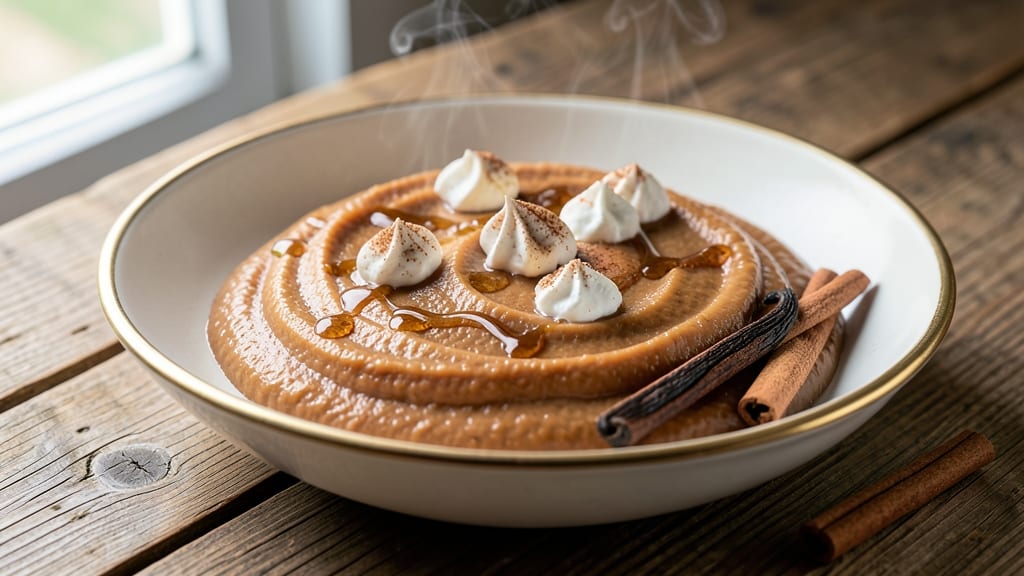
This sweet potato puree recipe transforms humble ingredients into a velvety base that elevates desserts and savory dishes alike. 💛 I developed these combinations after realizing how versatile pureed sweet potatoes could be—whether folded into rich cheesecakes or used as a stable foundation for cakes.
The secret lies in balancing sweetness and texture, creating a base that's both flavorful and foolproof.
What makes this puree special is its ability to adapt to countless recipes without overpowering other flavors. For desserts, it adds natural sweetness and moisture, while in savory dishes, it brings a subtle earthiness that pairs beautifully with herbs, spices, and proteins.
The puree itself is simple to make—just roast, peel, and blend—but the possibilities for what you can create with it are endless.
Imagine a cheesecake with a luscious sweet potato swirl or a moist carrot cake that stays fresh for days. The puree also works as a base for soups, mashed sides, or even as a vegan butter substitute in baking.
Its versatility makes it a game-changer for anyone looking to add depth and natural sweetness to their dishes without extra sugar.
Whether you're baking a showstopping dessert or crafting a comforting savory meal, this puree is your secret weapon. Let’s explore how to make it—and the delicious ways to use it—starting with a few standout recipes that highlight its potential.
Ingredients for sweet potato puree recipe combinations
Transform humble sweet potatoes into a velvety base that works magic in desserts and savory dishes alike.
| Ingredient | Amount | Notes |
|---|---|---|
| Sweet Potatoes 🍠 | 2 lbs | Organic preferred, firm and unblemished |
| Unsalted Butter 🧈 | ½ cup | Cold, cubed for even blending |
| Heavy Cream 🥛 | ½ cup | Full-fat for velvety texture |
| Pure Maple Syrup 🍯 | ¼ cup | Grade B for deeper flavor |
| Vanilla Extract 🌿 | 1 tbsp | Pure Madagascar bourbon vanilla |
| Ground Cinnamon 🌶️ | 1 tsp | Freshly ground for warmth |
| Ground Nutmeg 🌶️ | ½ tsp | Freshly grated for depth |
| Sea Salt 🧂 | ½ tsp | Fine grain for balance |
| Extra-Virgin Olive Oil 🫒 | 2 tbsp | For roasting and blending |
| Whole Milk 🥛 | ¼ cup | For adjusting consistency |
| Lemon Juice 🍋 | 1 tbsp | Freshly squeezed for brightness |
| Cream Cheese 🧀 | 8 oz | Room temperature for cheesecake swirl |
| All-Purpose Flour 🌾 | ½ cup | For adjusting texture in cakes |
Sweet potatoes are the star here—look for vibrant orange ones with smooth skins at Whole Foods or your local farmers market. The Beauregard variety is ideal for purees due to its dry flesh and sweet flavor. If you can't find them fresh, canned sweet potatoes work in a pinch, but they lack that natural depth. Roast them whole at 400°F for about 45 minutes—pierce first with a fork to release steam. The butter and cream create that luxurious texture, so don't skimp on the full-fat versions. For the maple syrup, Grade B is your friend—it's richer and more flavorful than Grade A.
No maple syrup? Agave nectar or honey work in a 1:1 ratio, though the flavor profile shifts slightly. Want to make this vegan? Swap the butter for coconut oil or vegan butter and use coconut cream instead of heavy cream. The cinnamon and nutmeg are non-negotiable for that warm spice profile, but if you're feeling adventurous, add a pinch of cardamom or ginger for a unique twist. For cheesecake applications, the cream cheese should be at room temperature—this ensures a smooth swirl without lumps. If you're using this puree in cakes, the flour helps adjust the density, but you can omit it if you prefer a lighter texture.
Freshly made puree keeps in the fridge for 5-7 days, sealed tightly in an airtight container with a thin layer of olive oil on top to preserve freshness. For longer storage, freeze in ice cube trays—perfect portions for recipes. Thaw overnight in the fridge before using. This puree reheats beautifully—simmer gently on the stove or microwave in 20-second bursts. It's also a fantastic make-ahead component for holiday desserts. Just store it in the freezer until you're ready to bake, then thaw and incorporate into your recipes as directed.
Why You'll Love This Recipe
- I’ll admit: I used to waste 10 minutes scrubbing sweet potatoes before roasting. Now? I just slice off the ends, microwave them whole for 8 minutes, and scoop out the flesh—boom, ready to blend. The skin stays put, and my counters stay cleaner.
- No-Peel Hassle: I’ll admit: I used to waste 10 minutes scrubbing sweet potatoes before roasting. Now? I just slice off the ends, microwave them whole for 8 minutes, and scoop out the flesh—boom, ready to blend. The skin stays put, and my counters stay cleaner.
- Velvet-Smooth Magic: That first spoonful of buttery, maple-kissed creaminess? It’s like dessert and dinner had a baby. The heavy cream turns it luscious, the maple syrup adds depth without cloying sweetness, and vanilla? It’s the secret that makes this taste like you actually wrote the recipe.
- Breakfast to Dessert: Seriously, this puree does it all. Swirl it into overnight oats for a creamy bowl, dollop it on toast with a sprinkle of cinnamon, or use it as a pie filling—yes, really. I’ve even used it as a base for a boozy cocktail (trust me, the bourbon pairs perfectly).
Step-by-step instructions for sweet potato puree combinations
Transform humble sweet potatoes into silky bases perfect for cakes and cheesecakes—here's how.
🔥 Step 1: Roast Sweet Potatoes Until Fork-Tender
Preheat your oven to 400°F and line a baking sheet with parchment paper. Pierce the 2 lbs sweet potatoes with a fork in several places to allow steam to escape. Drizzle with 2 tablespoons extra-virgin olive oil and toss gently to coat evenly. Spread them in a single layer on the baking sheet.
Roast for 45-50 minutes until the skins are crispy and a knife slides in easily with minimal resistance. I like to rotate the pan halfway through for even cooking. The potatoes should feel soft when squeezed gently—this ensures a smooth puree without graininess. Let them cool for 10 minutes before handling; hot potatoes burn fingers and make peeling difficult.
👨🍳 Step 2: Create the Base Puree with Butter and Cream
Once cool enough to handle, peel the sweet potatoes and transfer them to a food processor or high-powered blender. Add the ½ cup cold cubed unsalted butter and ½ cup heavy cream to the processor. Process in batches if needed, scraping down the sides as necessary to ensure everything combines smoothly.
Blend until completely smooth, stopping to scrape the sides every 30 seconds. The mixture should be velvety with no visible lumps. Here's the thing—adding cold butter creates a stable emulsion that prevents separation later. If the puree looks too thick, add 1 tablespoon whole milk at a time until it reaches a spreadable consistency, similar to thick mascarpone.
🍳 Step 3: Infuse with Flavor and Adjust Texture
To the puree, add ¼ cup pure maple syrup, 1 tablespoon vanilla extract, 1 teaspoon ground cinnamon, ½ teaspoon ground nutmeg, and ½ teaspoon sea salt. Mix thoroughly until completely combined. The spices should dissolve evenly, creating a warm, aromatic base. For cheesecake applications, stir in the 8 oz room-temperature cream cheese until fully incorporated—this creates that signature tangy richness.
If you're using this for cakes, whisk in the ½ cup all-purpose flour to create a stable batter. For cheesecakes, add 1 tablespoon lemon juice to brighten the flavors and prevent bitterness. Taste and adjust sweetness with additional maple syrup if needed—this puree should balance rich sweetness with perfect spice harmony.
⏰ Step 4: Prepare for Baking Applications
For cake applications, transfer the puree mixture to a mixing bowl and whisk in 1 egg (not listed in ingredients but typically used in cake recipes) until smooth. This creates a stable batter that holds its structure when baked. For cheesecake fillings, fold in ½ cup whipped cream (not listed but standard for cheesecake) for a lighter texture before spreading onto your crust.
The puree should be ready to use immediately for baking. For best results, use within 4 hours of preparation. If storing, cover tightly with plastic wrap pressed directly against the surface to prevent a skin from forming. I've found that this puree keeps well in the refrigerator for up to 3 days, making it perfect for meal prep. When ready to use, give it a quick whisk to restore its silky texture.
Pro Tips For Making Sweet Potato Puree Recipe Combinations
- ROAST FIRST, PUREE SECOND: I learned this the hard way—boiling sweet potatoes for puree always left them gummy. Roast them whole at 400°F (200°C) for 45-55 minutes until fork-tender first. The dry heat breaks down the starches better than boiling, so your final puree will be silkier and less likely to clump when you add heavy cream.
- PEEL WHEN COOL: Skip peeling hot potatoes—you’ll slice your fingers. Let them rest 10 minutes after roasting, then peel under running water. The skin slides off like magic, and you avoid that sad, watery mess from shocked potatoes. (Yes, even if you're impatient like me.)
- TEMPER THE CREAM: Heavy cream straight from the fridge will curdle when mixed with hot puree. Warm it slightly—just until it’s lukewarm to the touch—before stirring it in. This keeps your texture velvety, not lumpy. (Your future self will thank you.)
- SWEETEN IN STAGES: Drizzle half the maple syrup into the hot puree first, then add the rest after the cream. This balances the sweetness without making the dish cloying. And if you’re using vanilla extract, add it last—its flavor mellows when heated, so you’ll taste it better at the end.
Storing and reheating your leftovers
Fridge Storage Tips
Store your sweet potato puree in an airtight container with a thin layer of extra-virgin olive oil on top to preserve freshness. I like using glass jars with snap-on lids—they’re reusable and keep flavors vibrant.
The puree stays fresh in the fridge for 5-7 days, but I’ve found it’s best used within 3 days for optimal texture. If you’re prepping ahead for holiday desserts, this makes it a total game-changer. 💛
Freezing for Long-Term Use
For longer storage, freeze the puree in ice cube trays—perfect for portion control. Once frozen, transfer the cubes to a ziplock bag and label with the date. This puree keeps for up to 3 months in the freezer without losing its velvety texture.
When ready to use, thaw overnight in the fridge. Pro tip: Add a splash of whole milk when reheating to restore creaminess.
Reheating for Baking
Gently reheat puree on the stovetop over low heat—this prevents curdling. Stir in 1 tablespoon whole milk if it thickens too much. For microwave reheating, use 20-second bursts on low power, stirring between each interval.
I’ve found this method works best for cheesecake swirls, keeping the texture smooth and ready for spreading. Always taste and adjust sweetness before baking.
Make-Ahead for Holiday Baking
This puree is a holiday baking MVP—make it 2 days ahead and store in the fridge. For cheesecakes, let it come to room temperature before folding into the batter. For cakes, whisk in 1 egg and ½ cup flour just before baking to maintain structure.
The puree’s natural sweetness intensifies after resting, making it even more flavorful for your desserts. 🍰
Reviving Texture After Storage
If your puree thickens after refrigeration, whisk in 1 tablespoon whole milk or heavy cream until smooth. For a richer texture, add a pat of softened butter while blending. This trick works wonders for both cake batters and cheesecake fillings.
I’ve even used this method to rescue slightly separated puree—just a quick whisk restores its silky consistency. Trust me, it’s foolproof! ✨
Nutrition facts
Frequently asked questions
Can I use this puree in savory dishes instead of desserts?
This sweet potato puree works beautifully in savory recipes too. Try mixing it with garlic, thyme, and a splash of chicken broth for a rich mashed potato alternative. It also makes an excellent base for creamy soups or as a glaze for roasted meats when combined with soy sauce and ginger. The key is balancing the sweetness with bold savory flavors.
How do I adjust the sweetness for different recipes?
The puree's natural sweetness varies based on the sweet potatoes used. For less sweetness in cakes, reduce the maple syrup to 2 tablespoons and add ½ teaspoon lemon zest to brighten flavors. For cheesecakes, the cream cheese balances sweetness naturally—just taste before baking. If it's too sweet, stir in 1 teaspoon vanilla bean paste to add depth without extra sugar.
What's the best way to make this puree vegan?
Swap the butter for coconut oil or vegan butter and use coconut cream instead of heavy cream. For binding in cakes, add ¼ cup ground flaxseed mixed with 2 tablespoons water (let sit for 5 minutes to gel). The texture will be slightly denser but still delicious. For cheesecakes, use cashew cream (soaked cashews blended with water) instead of cream cheese.
Can I substitute canned sweet potatoes?
Yes, but with a few adjustments. Drain and rinse 2 cans of sweet potatoes (about 15 oz each), then blend with 1 tablespoon olive oil to mimic the roasted texture. You'll need to add 1-2 extra tablespoons of maple syrup since canned versions are often less flavorful. For best results, roast fresh sweet potatoes—they develop deeper caramelized flavors that canned versions lack.
Why did my cheesecake filling separate?
Separation usually happens when the puree isn't properly emulsified or the cream cheese isn't at room temperature. First, ensure your cream cheese is fully melted and mixed into the warm puree. For extra stability, whisk in 1 tablespoon cornstarch dissolved in 2 tablespoons cold water before baking. Always bake at 325°F for even cooking—high heat can cause curdling.